Have any questions? Contact us at 1-253-353-7993 or national toll free 1-855-737-SOLD

We Buy Houses

When we buy your house we can close on your timeline. Pick a date and we will make it happen. If you need time to get things in order that's great but if you need a fast closing we can buy in less than a week. Its possible to close in three days if for what ever reason its needed.

Nov
28
2026

You can sell a Section 8 property whenever you want—there's no federal law stopping you. What gets tricky is how the sale works with your Housing Assistance Payment (HAP) contract, what your tenant can and can't do, and what buyers will actually want. If you dig into these details before listing, you'll dodge headaches later and protect yourself legally and financially.
Nov
28
2026

You've got three real ways to sell a house fast as-is: a cash investor who can close in 7–21 days, an iBuyer that typically takes 21–30 days, or an MLS listing marked as-is following the standard 45–90+ day timeline. Your best path depends on three things—how steep a price cut you can handle, what your actual deadline is, and which buyers are actually shopping in your area right now. We'll walk through every option here without the spin.
Nov
27
2026

When a rental property is sold, tenants don't automatically lose their housing. Most of the time, your lease just transfers to the new owner—and they're legally bound to follow it until it ends. But here's what gets messy: the sale itself creates real complications for landlords and tenants alike. Know what the law actually requires on both sides, and you'll sidestep most of the fights.
Nov
27
2026

Selling a house in a retirement village works differently than selling a regular home. You'll navigate exit fees that can eat into your profits, contract language that determines who gets capital gains, and the emotional weight of a major life transition—all at once. This guide covers the tax angles, legal pieces, practical steps, and the emotional side too, so you can sell with real clarity.
Nov
26
2026

You can sell a house with a lien on it. The lien typically gets paid off from your sale proceeds at closing, so the buyer walks away with clear title—no need to resolve it beforehand. This happens constantly with standard mortgage payoffs, tax liens, judgment liens, and similar encumbrances. It's manageable once you understand what you're facing and follow the steps in the right sequence.
Nov
26
2026

Selling an Airbnb property isn't like selling your primary home. You're managing income records, active bookings, platform obligations, and buyers who think like investors—not homeowners. That means your strategy, pricing, and legal exposure all work differently. This guide covers every major consideration so you can navigate the sale with confidence and get the full value from what you've built.
Nov
25
2026

You can sell a house with a lien on it. It happens constantly. The lien won't stop the sale itself—it just needs to get paid off before the buyer gets clean title, typically straight from your closing proceeds. If you're staring at a lien notice right now and feeling stuck, this guide breaks down every option you've got, what it'll cost, and exactly what comes next. Fair warning: this isn't legal, tax, or financial advice—talk to a licensed real estate attorney or tax pro about your specific situation.
Nov
25
2026
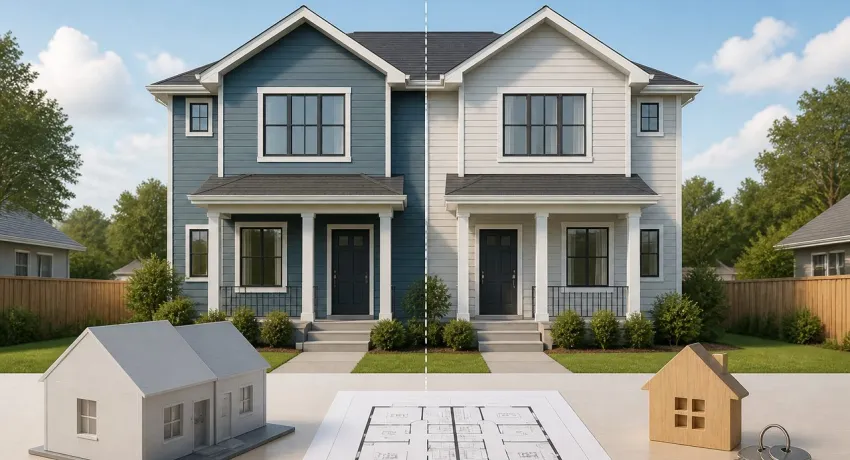
You can sell half a duplex — but only if the legal setup allows it, and it's messier than selling a regular house. The whole thing hinges on how the deed is written. Most duplexes are registered as one property, so splitting them for sale means getting lawyers involved to untangle the ownership structure. Before you do anything, talk to a licensed real estate attorney and a CPA about your specific situation. This article is informational only and doesn't replace legal, tax, or financial advice.
Tell us
about your house
We buy all kinds of houses and would love to buy yours, but our number one priority is to give you the information needed to decide what's best for you.
