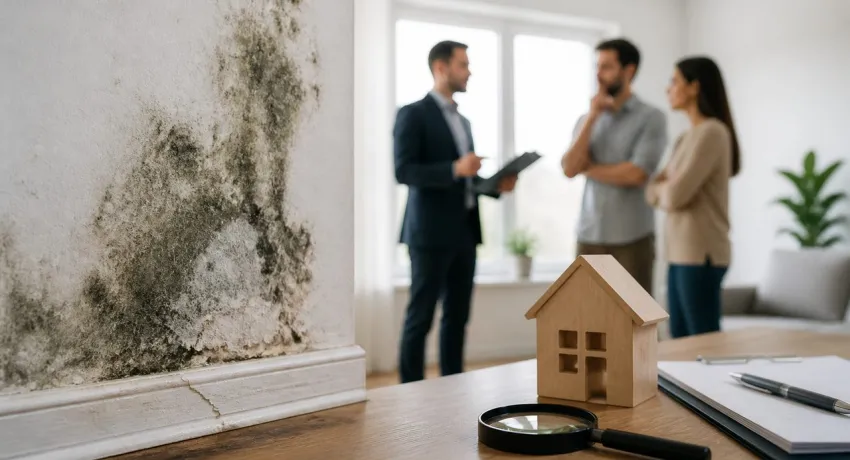
You found mold while getting your home ready to sell. It feels overwhelming, but it's absolutely manageable — and you're far from alone. Scroll through Reddit's r/RealEstate or r/HomeImprovement and you'll find dozens of sellers who've dealt with exactly this. What they all discovered? Transparency, solid documentation, and knowing your actual options change everything. This guide shares what those homeowners wish they'd known upfront.

You can legally sell a house with mold in every state—there's no federal law stopping you. But here's what matters: nearly every state requires you to tell buyers about mold you already know is there. Skip that disclosure, and you're looking at lawsuits, damages, and possibly having to rescind the entire deal. The critical distinction?

You can sell a property with a lien on it—liens don't block sales outright. What they do require is that the lien gets resolved before or at closing, which means extra steps and sometimes extra costs compared to a clean title. Most of the time, liens get paid directly from your sale proceeds at closing, so you won't need to pull money from your own pocket. Everything hinges on three things: how much equity you've got, how many liens are sitting on the property, and what type of lien you're dealing with.

Someone's living on your property without your permission or any legal claim to it. You're not stuck—you've got real legal options. Law enforcement can help. Courts can order them out. What actually works depends on your state's specific laws, how long they've been there, and whether they ever had permission to be on the property in the first place.

Tell us
about your house


We buy all kinds of houses and would love to buy yours, but our number one priority is to give you the information needed to decide what's best for you.

Get an Offer