How to Sell a House Fast As-Is: Buyer Types and Timeline

Table of Contents
- What Does Selling a House As-Is Actually Mean?
- Your Three Main Options to Sell As-Is Fast
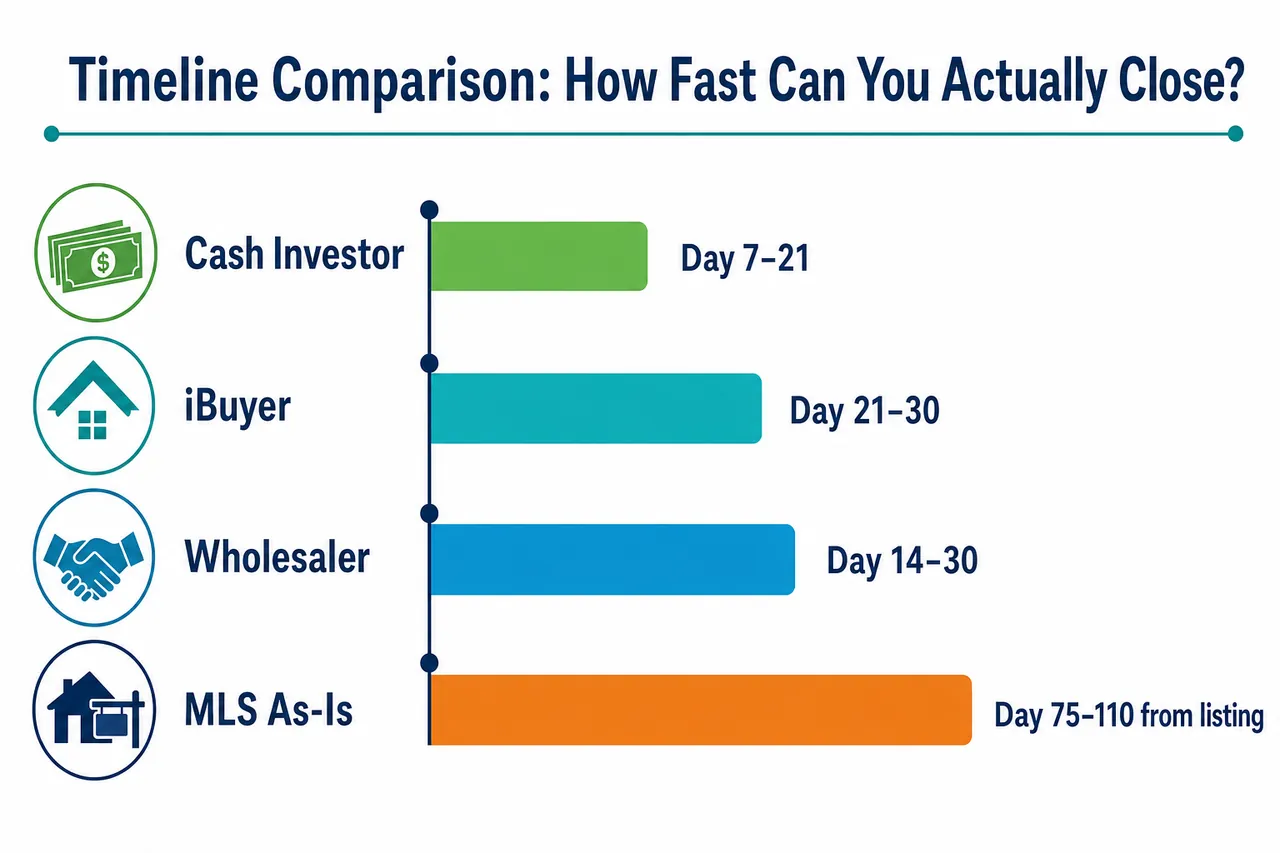
- Timeline Comparison: How Fast Can You Actually Close?
- The Price Trade-Off: What You'll Actually Receive
- Who Buys As-Is Houses and What They Actually Want
- Red Flags and Scams in the Cash Buyer Space
- Common Scenarios That Drive As-Is Sales
- Disclosure Requirements: What You Must Still Tell Buyers
- The As-Is Cash Sale Process: Step by Step
- Should You Sell As-Is or Make Repairs First?
- How to Price an As-Is Home Competitively
- Tax Implications: What Changes (and What Doesn't) in an As-Is Sale
- Common Myths About As-Is Sales, Corrected
- Conclusion: Matching the Method to Your Situation
- Frequently Asked Questions
You've got three real ways to sell a house fast as-is: a cash investor who can close in 7–21 days, an iBuyer that typically takes 21–30 days, or an MLS listing marked as-is following the standard 45–90+ day timeline. Your best path depends on three things—how steep a price cut you can handle, what your actual deadline is, and which buyers are actually shopping in your area right now. We'll walk through every option here without the spin. You'll see the real trade-offs most sellers only discover after they've already committed.
Selling a house that needs work? Start with what to know before selling a house that needs repairs. It explains what as-is means, how pricing works and every way to sell a house with problems.
This isn't legal, tax, or financial advice. State laws change. Tax consequences shift. Closing timelines vary wildly. Talk to a real estate attorney, a licensed tax professional, or a qualified inspector about your specific situation before you decide anything.
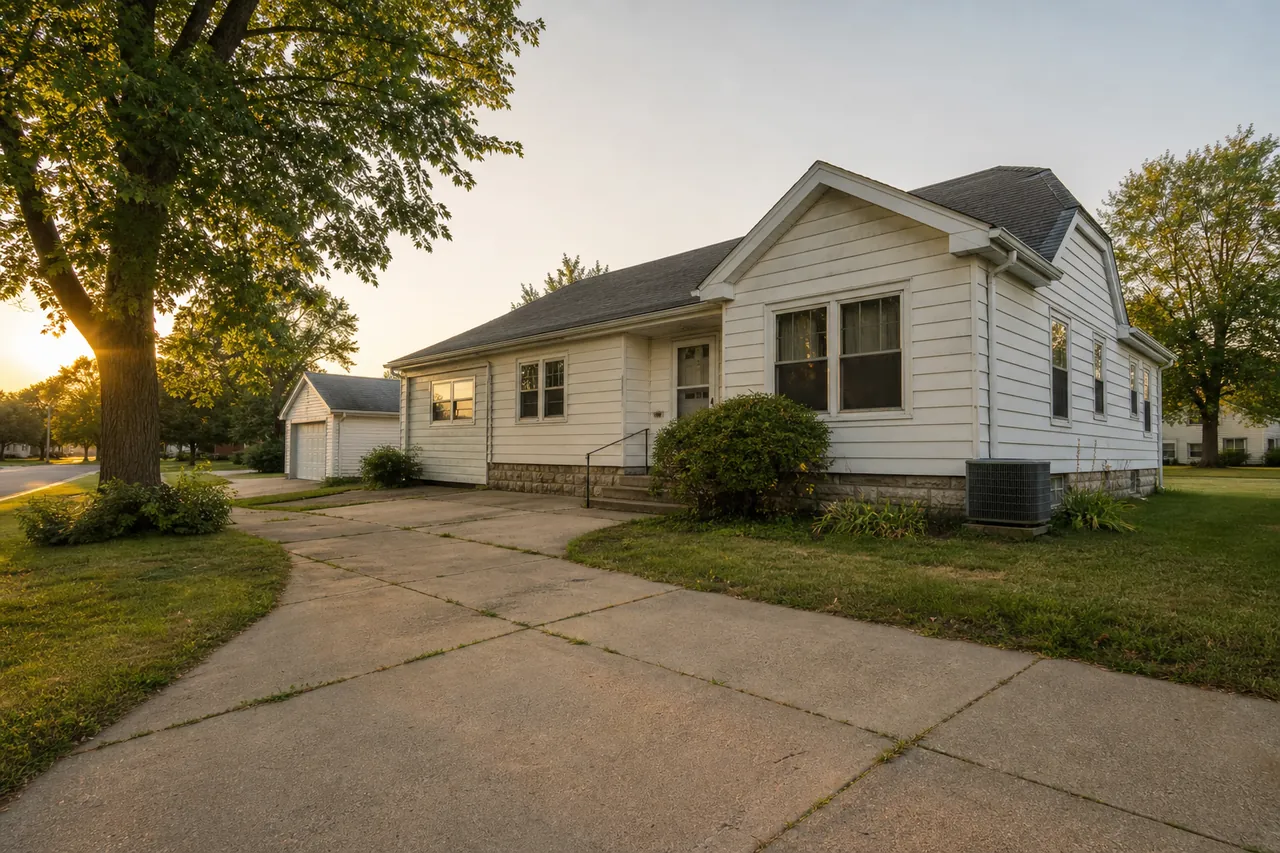
What Does Selling a House As-Is Actually Mean?
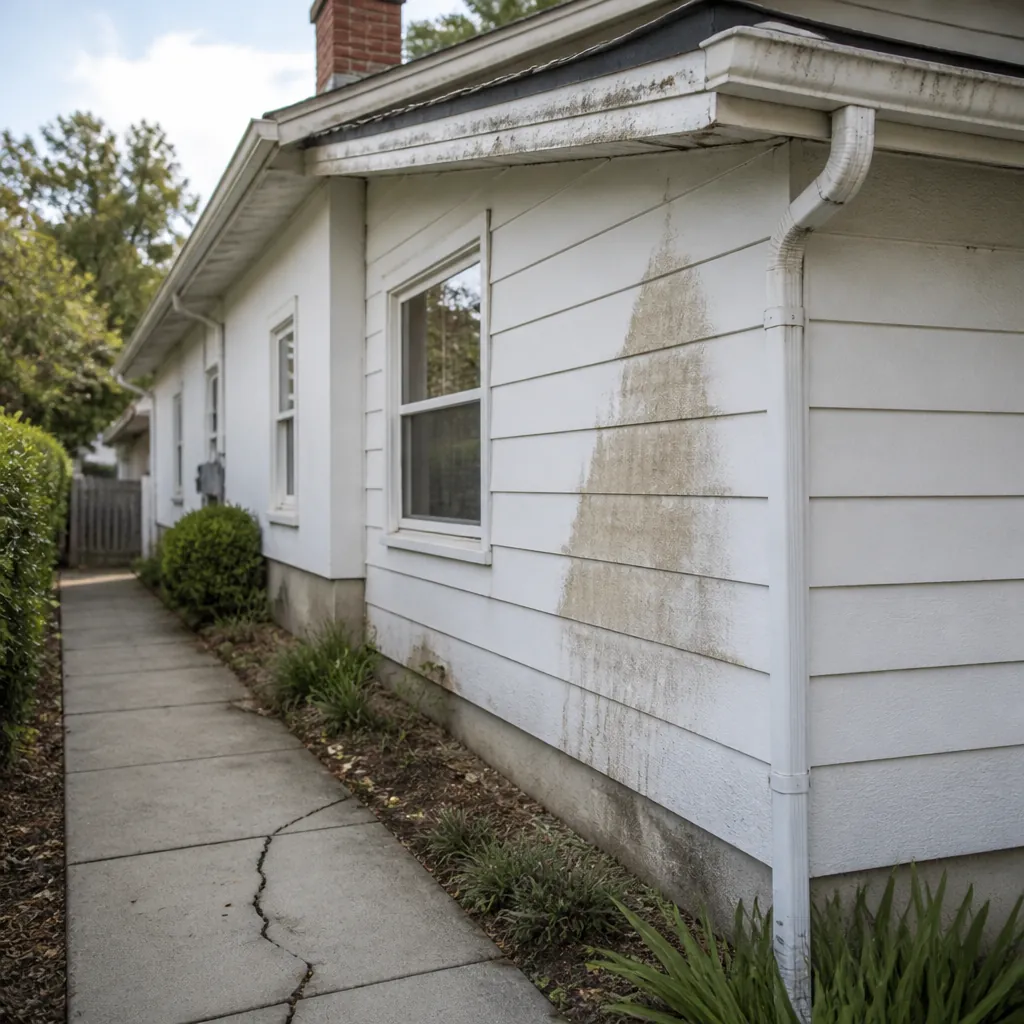
When you sell as-is, you're handing over the property exactly as it sits today. No repairs. No credits toward fixes. No updates before closing. That cracked driveway, the aging HVAC system, the water stains on the ceiling—the buyer takes it all, just as it is.

But here's what trips up most sellers: as-is does not mean you can hide what you know is broken. Your disclosure obligations don't disappear just because you're selling as-is. In fact, nearly every state requires you to disclose material defects you're aware of—no matter how you structure the sale. And if your home was built before 1978? Federal law mandates you give buyers a lead-based paint disclosure. Full stop. Skip these disclosures and you're looking at post-closing lawsuits, rescission claims, or even fraud liability depending on where you live.
Different states handle the specifics differently. California demands extensive disclosures through a Transfer Disclosure Statement covering dozens of conditions. Texas uses a multi-page Seller's Disclosure Notice. Some states keep things simpler or rely on common-law principles. Your best move? Talk to a local real estate attorney about what your state actually requires. Don't guess.
And buyers can still request inspections in as-is deals. Cash buyers often use them to confirm what they've already priced in—not to renegotiate. iBuyers conduct their own. The real line is this: as-is means you won't fix things. It doesn't mean you conceal them.
Back to topYour Three Main Options to Sell As-Is Fast
Once you understand the legal ground rules, the practical question becomes: which selling path actually fits your situation? Each of these three options trades off speed, price, and how complicated the whole process gets.
Option 1: Cash Real Estate Investors and Wholesalers (Fastest)
"We Buy Houses" investors — fix-and-flip buyers, cash home buyers, whatever you call them — are your speed option. They bring their own money (or private capital), skip the mortgage machinery entirely, and can close in as little as 7–21 days. That speed is real and tangible. But you'll pay for it: as of 2026, these investors typically offer 15–30% below market value. Translation: you're looking at 70–85 cents on the dollar compared to what the home would bring after repairs and a proper market listing.
Wholesalers work differently. They don't buy your house themselves — they get it under contract and then flip that contract to an end investor for a commission. This can still be fast, sometimes matching a direct investor's timeline. But here's what matters: you need to know who's actually buying your property. Confirm the wholesaler has real buyer connections before you sign anything. A wholesaler without a genuine buyer lined up? Your contract expires and you've wasted weeks.
And if speed is your priority and you can live with the discount, a reputable cash home buyer eliminates the mortgage contingency, the appraisal, and the financing collapse that derails roughly 5% of mortgage-based transactions.
Option 2: iBuyers (Fast, Higher Price Than Investors)
iBuyers are tech-driven outfits that generate instant or near-instant offers using automated valuations, then close on whatever schedule works for you. You request an offer online, get it back in 24–48 hours, and pick your closing date somewhere within a 21–30 day window. The digital side moves faster than a traditional listing and feels more straightforward than haggling with a local investor.
The price lands between investors and MLS listings — as of 2026, iBuyer offers run 9–11% below market value — though they charge service fees (usually 5–8% of your sale price, depending on the company and your market) that eat into that advantage. And there's a catch: iBuyers operate mainly in mid-size to large Sun Belt and Midwest markets. Live outside their zones? This option doesn't exist for you.
Option 3: MLS Listing As-Is (Slowest, Potentially Highest Net)
Put your home on the MLS as-is through a traditional agent or flat-fee service and you reach the entire buyer pool — including owner-occupants willing to pay retail. A cash buyer purchasing for themselves to live in typically offers just 2–5% below list price. That's a world away from investor discounts. The drawback? Time. Even a well-priced listing sits on market for a median of about 32 days before you get an accepted offer (Q2 2026 per NAR), then the buyer's mortgage adds another 30–45 days to close. ICE Mortgage Technology data from early 2026 shows an average of about 37 days just for the purchase loan to close. Add it all up and you're looking at 75–110 days from listing to actually getting your money.
Want to see how timelines play out in your state? Check the specific breakdowns for Florida, Tennessee, Washington, and Colorado.
Back to topTimeline Comparison: How Fast Can You Actually Close?
| Phase | iBuyer | Cash Investor | Wholesaler | MLS As-Is |
|---|---|---|---|---|
| Request offer / list home | Day 1 (online form) | Day 1 (phone or online) | Day 1 (phone or in-person) | Day 1–7 (prep, photography) |
| Receive offer | 24–48 hours | 24–72 hours | 24–72 hours | Days to weeks on market |
| Inspection / due diligence | Days 5–10 | Days 3–7 (or waived) | Days 3–10 | Days 7–14 after contract |
| Underwriting / approval | Internal (fast) | None (cash) | End-buyer dependent | 30–45 days (lender) |
| Closing | Day 21–30 | Day 7–21 | Day 14–30 | Day 75–110 from listing |
What you're seeing here are typical timelines. But they're not set in stone. Title problems, liens on the property, estate tangles, or other clouds on title can slow things down no matter which route you take. Want to see how this plays out in a specific market? Check out How to Sell Your House Fast in Atlanta: Realistic Timeline for an Atlanta-specific walkthrough. And if you need the full national picture—everything from getting ready to close to funding—How Long Does It Take to Sell a House? Real Timelines Explained breaks down every step.
Back to topThe Price Trade-Off: What You'll Actually Receive
You pay for speed. When you sell as-is, that financial reality shapes every offer you'll see. Cash investors, iBuyers, wholesalers, and traditional MLS listings all price homes differently in 2026. Here's what that looks like, based on the median existing-home sale price of $417,500 (NAR, September 2026):
| Sale Method | Typical Timeline | Offer as % of Market Value | Inspection Typically Waived? | Agent Commission Paid? | Best For |
|---|---|---|---|---|---|
| Cash Investor / Flipper | 7–21 days | 70–85% of market | Often (or confirmation only) | No (usually) | Maximum speed, severe distress |
| iBuyer | 21–30 days | 89–91% of market | No (iBuyer inspects) | No agent; service fee applies | Speed + reasonable price, covered markets |
| Wholesaler | 14–30 days | 60–80% of market (varies) | Sometimes | No | Severely distressed properties |
| MLS As-Is Listing | 75–110 days total | 95–98% of market (retail cash buyers: 95–98%) | No | Yes (typically both sides) | Maximum net price, flexible timeline |
What matters isn't the number on the offer—it's what actually hits your bank account. An investor might offer $280,000 on a $350,000 home with no commission, no repairs, and a close in two weeks. After you factor in agent commissions on a retail sale, closing costs, two extra months of mortgage payments, property taxes, and insurance, that lower offer could leave you with more money. Do the full calculation before you decide which path to take.
Carrying Costs: The Hidden Cost of Waiting
Every month your home sits unsold drains your pocket. Mortgage interest, property taxes, homeowner's insurance, utilities—they all keep running whether someone's living there or not. On a median-priced home with a standard mortgage, you're looking at $2,000–$4,000 monthly in carrying costs, though this swings based on your loan balance, what your county charges in taxes, and your insurance premiums. Your exact numbers matter here—so calculate them. Two extra months of carrying costs can swallow a huge chunk of whatever gap exists between an investor's offer and what you'd get through the MLS.
And this hits hardest if you've inherited a property, you're stuck holding a vacant home, or the mortgage is still running while you're not living there anymore.
Back to topWho Buys As-Is Houses and What They Actually Want
Know your buyer's motivation. It helps you spot red flags and evaluate offers without emotion clouding your judgment.
Fix-and-Flip Investors
They buy distressed properties, renovate them, and sell for profit. Their math works backward: they start with an estimated after-repair value (ARV), subtract renovation costs, then subtract their target profit margin. That's why you see offers in the 70–85% of market value range. They're not trying to insult you — they're running a business with real numbers on the other end. But margins vary wildly between investors. Get multiple offers and you'll often see meaningfully different numbers surface.
Buy-and-Hold Landlords
Rental income is their goal, not a quick exit. They'll accept worse condition if the rental math pencils out. You'll see similar discount expectations as fix-and-flip buyers, but they're often more flexible on closing dates because they're not racing against time.
iBuyers
Opendoor and similar platforms use algorithms to price homes and generate offers fast. Their model works in reasonably good condition homes in active markets. Severely distressed properties? Unusual homes? They typically pass. The upside: more transparency and standardization than haggling with individual investors — which some sellers actually prefer.
Wholesalers
A wholesaler isn't buying your house. They're taking the contract and assigning it to an end buyer for a fee. Legitimate wholesalers have real investor networks and can move quickly. The sketchy ones? They tie up your property, can't find a buyer, and vanish at closing. Before you sign anything, ask: What's the assignment fee? Can they show you proof of an actual end buyer? What happens if they can't close?
Retail Cash Buyers
These are owner-occupants paying cash — often people who sold their last home and have liquidity. Best combo of price and speed you'll get. They typically offer 2–5% below list as of 2026 and close in 14–21 days, faster than financed buyers. You can't hunt them down. They find you through the MLS and open market.
How to Evaluate Multiple Offers Objectively
Don't just look at the number. When comparing offers, ask each buyer the same questions: Do you have proof of funds? What's your inspection period — will you waive it? Who's paying closing costs? What's your actual closing date and is it locked in? A slightly lower offer with a solid close date and zero contingencies beats a higher offer with a long inspection window and an unreliable buyer.

Red Flags and Scams in the Cash Buyer Space
Not every "We Buy Houses" sign is legit. Watch out for buyers who push you to sign right now without letting you review anything first. Upfront fees before closing? That's a red flag. So are contracts with ridiculously long "due diligence" periods—basically giving the buyer unlimited time to bail. And if they won't show you proof of funds, that's another one.
Real cash buyers actually close deals. They don't string you along. If the buyer's story keeps shifting or the offer drops after you've already signed, don't move forward alone. Talk to a real estate attorney before you do anything else.
Back to topCommon Scenarios That Drive As-Is Sales
As-is isn't a last resort. It's what makes sense when your situation demands speed over maximum profit.
- Facing foreclosure: A foreclosure auction date is coming. An as-is cash sale can close before that happens, and you avoid having "foreclosure" stamped on your credit report.
- Inherited properties: You're living three states away. Managing contractors, scheduling inspections, dealing with permit delays—that's not happening. You want the estate settled and done.
- Divorce: Both of you need the asset liquidated now so you can divide the proceeds and start your separate financial lives.
- Job relocation: Your new job starts in 30 days and you're already gone. Carrying a vacant home 500 miles away while hiring contractors and dealing with every emergency call? No. The as-is sale closes before you leave.
- Financial hardship: Repairs would run $15,000–$40,000, money you don't have and can't borrow. That as-is discount often costs you less than what you'd actually spend fixing everything.
- Landlord burnout: You've been renting the place for a decade. Maintenance piled up. The tenant is still inside. A clean, as-is exit beats spending six months coordinating contractors while someone else lives there.
None of these scenarios require panic. They're just real circumstances where closing fast and knowing your sale will actually happen matters more than chasing top dollar.
Back to topDisclosure Requirements: What You Must Still Tell Buyers
Selling as-is doesn't shield you from liability. You can't hide defects and claim the sale structure protects you — that's the biggest (and most dangerous) mistake sellers make here.
Federal requirement: Built your home before 1978? You're required to disclose lead-based paint hazards under the Residential Lead-Based Paint Hazard Reduction Act. This applies no matter how you structure the sale.
State requirements: Your state has its own disclosure statute, form, and rules about what counts as "material." Most require you to disclose known issues: foundation cracks or structural movement, roof age and leaks, HVAC failures, water intrusion or drainage problems, pest infestations (termites especially), mold or moisture, asbestos or other hazardous materials, and environmental contamination. When it comes to health hazards like mold, asbestos, lead, and radon, the EPA provides guidance at epa.gov. Any remediation decisions should involve a licensed professional — not your ballpark estimate.
What happens if you don't disclose: Buyers discover something after closing and sue you for fraud, breach of contract, or misrepresentation. Courts routinely hold sellers liable even when they claim, "I didn't think it was serious." An as-is clause might limit what the buyer can recover in some states. But it won't save you if fraud gets alleged.
Practical advice: Get a pre-listing inspection. Yes, even if you're selling as-is. It creates a documented record of what you knew and disclosed. And it stops buyers from using their own inspection to renegotiate and claim you "forgot to mention" something.
Back to topThe As-Is Cash Sale Process: Step by Step
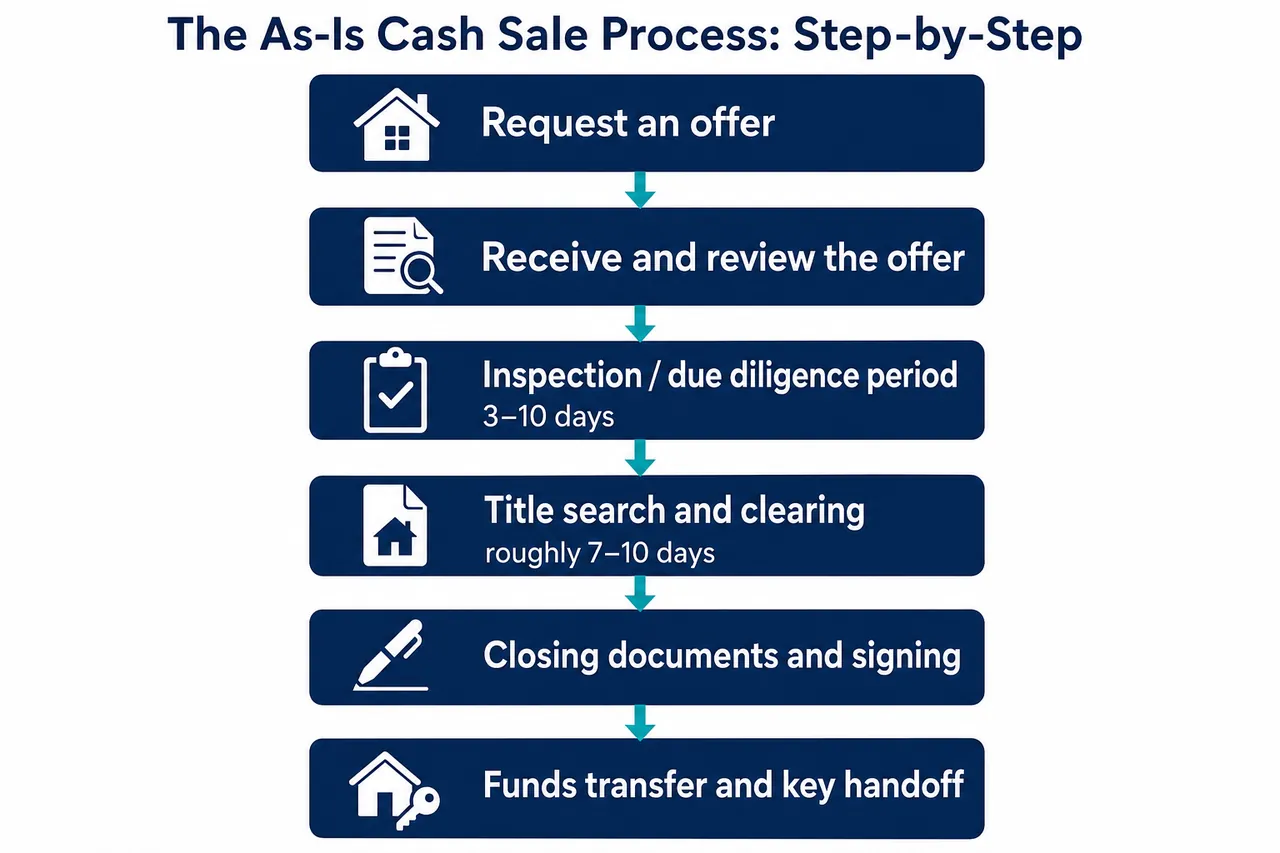
- Request an offer. Start by reaching out to investors, iBuyers, or platforms like KDS Homebuyers' seller programs. You'll get a direct cash offer, an iBuyer offer (where available), or a traditional listing option—all lined up so you can actually compare what each path gets you.
- Receive and review the offer. Don't just look at the big number. What matters is what you walk away with after closing costs, fees, and any remaining contingencies. That's your real number.
- Inspection / due diligence period. Cash sales still include a short inspection window. Most investors give you 3–10 days. For investors, it's usually just confirming their numbers hold up. With iBuyers? They might adjust the price based on what they find before locking in their final offer.
- Title search and clearing. A title company steps in to verify you actually own the place, hunt for any liens, and get title insurance in place. Plan on 7–10 days here. This is often what slows down an otherwise speedy cash deal.
- Closing documents and signing. Cash closings skip a ton of the red tape that financed sales require. No bank underwriting. No appraisal. You'll sign at a title company, or everything can happen by mail with a remote notary.
- Funds transfer and key handoff. Money wires the same day you sign. Keys go over at closing or right after.
Should You Sell As-Is or Make Repairs First?

It depends on three things: the repair itself, how fast you need to sell, and what buyers are actually paying in your area right now. Let's walk through how to think about it.
When As-Is Makes Sense
- You don't have cash on hand for repairs and borrowing money would strain you further
- You need to close within 30 days
- Major structural, foundation, or systems problems exist where you can't pin down what repairs will actually cost
- You inherited the place or bought it out of state and can't oversee work
- Your local market's hot enough that even as-is homes are pulling multiple offers
When Repairs Actually Make Money
- You're only looking at cosmetic fixes — paint, carpet, landscaping. These run $2,000–$8,000 and often close the gap to what buyers expect
- One system needs replacing (HVAC, water heater). Get a quote first so you can price competitively instead of letting buyers lowball you
- You've got 60+ days and can manage contractors without chaos
Do the math: if a repair costs X, it only makes sense if it prevents a price drop bigger than X. Sound simple? It would be, except buyers often discount homes way more than repairs actually cost. That $3,000 roof fix that stops a $10,000 price cut? Do it. A $40,000 kitchen overhaul that nets you $35,000 more? Skip it.
And here's what most people miss: light cosmetic touches can appeal to cash buyers without requiring a full renovation. Want to know what works where you live? Check out curb appeal tips for Florida, Tennessee, Washington, Indiana, and Colorado.
Back to topHow to Price an As-Is Home Competitively
Overpricing kills as-is sales. Buyers and their agents won't waste time — there are plenty of other distressed properties out there competing for the same investor dollars.
Your first move? Find comparable sales of homes in similar condition. Not the renovated ones. Ask your agent or investor to pull recent sales data on properties that actually disclosed deferred maintenance. What did those homes sell for? Use that as your baseline.
Then make these adjustments:
- Subtract the estimated cost of deferred maintenance (get real contractor quotes, not guesses)
- Factor in days on market in your area — longer average days suggest a buyer's market where as-is discounts are steeper
- Confirm whether the local cash buyer pool is active; in markets where all-cash sales represent 31.4% of transactions (Jan–Apr 2026, per Realtor.com deed-record analysis), there's genuine competition among investors
Honesty in pricing works. A clearly priced as-is home with a solid disclosure package moves. An overpriced one? It sits. And the longer it sits, the more buyers assume something's really wrong with it.
Back to topTax Implications: What Changes (and What Doesn't) in an As-Is Sale
Speed doesn't matter to the IRS. Your sale timeline won't change how capital gains get taxed, whether you close in 30 days or 300. But if you've lived in the home as your primary residence for at least two of the five years before you sell, you're likely eligible for the Section 121 exclusion. That means up to $250,000 of gain stays tax-free if you're single, or up to $500,000 if you're married filing jointly (IRC §121, as of 2026, unchanged). The condition's simple: two years out of the last five. Meet it, and that exclusion is yours.
Inherited property? Investment property? Those follow completely different rules. Inherited property gets a stepped-up basis. Investment property gets hit with capital gains tax. Your holding period matters. Your cost basis matters. State tax law matters. The numbers can swing wildly depending on what you own and how long you've owned it. Before you close, talk to a tax professional if there's any chance the gain will be large enough to matter.
Back to topCommon Myths About As-Is Sales, Corrected
- Myth: Selling as-is means no inspection. Buyers will inspect. What matters is how they use that inspection report — and an as-is sale doesn't stop them from looking.
- Myth: You can hide problems if you sell as-is. You can't. Disclosure laws apply no matter how you structure the sale, and hiding defects is fraud, period.
- Myth: You'll lose massive amounts selling as-is. Maybe, maybe not. When you factor in carrying costs, commissions, and what repairs would actually cost you anyway, the financial difference often shrinks significantly — particularly if getting out quickly has real value for your situation.
- Myth: Only desperate people sell as-is. That's outdated thinking. 27% of existing home sales are all-cash (NAR, September 2026). Many sellers make this choice deliberately because certainty and speed matter more than squeezing out an extra few thousand dollars.
- Myth: As-is sales always take longer because buyers are cautious. With investors and iBuyers, you get the opposite. No mortgage underwriting means these are actually your fastest closing options.
Conclusion: Matching the Method to Your Situation
Selling a house fast as-is? It's genuinely possible. But "fast" is relative. Cash investors will close in 7–21 days—though you'll take the steepest discounts. iBuyers sit in the middle ground: 21–30 days, better prices, but they don't operate everywhere. And then there's the MLS as-is route, which opens your door to the full retail buyer pool. That takes months, not weeks.
Before you commit to anything, shop around. Contact at least two or three investors. If you're in an iBuyer market, get a quote from them too. Then call a local agent and ask for a CMA—that's your reality check on what the MLS path actually nets you after selling costs and how long you'd be waiting.
Do the full math yourself. The fastest offer doesn't always mean the worst deal. And a high gross price can still leave you with less money in your pocket once carrying costs and realtor fees get subtracted.
One more thing: don't hide anything. Disclosure obligations in an as-is sale are real, and the legal headache of concealing known defects will cost you far more than whatever short-term gain you think you're getting.
Back to topFrequently Asked Questions
Can I sell a house as-is if I still have a mortgage?
Yes. A mortgage won't stop you from selling as-is — your lender gets paid off at closing from the sale proceeds through the title company. But if you're underwater (your home's worth less than what you owe), you've got two options: pay the difference yourself, or work out a short sale with your lender. That second path requires lender approval and is a whole separate process.
Do I need an inspection when selling as-is?
No law requires you to get a pre-listing inspection. That said, it's often a smart move. Cash investors and regular buyers will run their own inspections anyway. Here's why it matters: if you've got your own inspection documented, you've shown what you knew before closing. This protects you from liability later and stops buyers from trying to renegotiate over "surprise" problems they discover.
Will I pay agent commissions selling as-is to a cash buyer?
Usually not — not if you're selling directly to an investor or iBuyer without agents involved. Many sellers do hire a real estate attorney to review the contract even in direct deals. It's a smart investment, and it costs way less than a full commission would. List it on the MLS as-is, though? Standard commissions kick back in.
What's the difference between as-is and cash sales?
"As-is" means the property's condition — you're not fixing anything. "Cash sale" means how it's paid for — no mortgage involved. They often go together, but they're not the same thing. You could buy a fully renovated home with cash. A financed buyer can purchase an as-is home too, though their lender might demand repairs before approving the loan. Not all situations overlap.
What if the offer comes in lower than expected?
You can negotiate or decline it. Cash offers aren't always final — investors have wiggle room, especially if they want to close fast. The strongest negotiating position? A second offer from another investor. If you can't hit your minimum number, listing as-is on the MLS might pull in retail cash buyers at better prices. Just know it takes longer, and you'll carry costs while you wait. Weigh how much time and money you can absorb before deciding.
Back to topMore in Selling as-is and repairs
- Sell My House As Is for Cash: Fast Sales Without Repairs
- Sell Your House As-Is or Fix It Up? Cost-Benefit Analysis and Best Path
- Sell House for Cash in Austin: Fast & No Repairs Needed
- How to Sell a Home As-Is: Pros, Cons, and What to Expect
- Selling a House As Is: Real Seller Experiences and Strategies
- Selling a House As-Is: Pros, Cons, and Whether It's Right for You
See our guide: “How to Sell a House As-Is: What It Means and How It Works” →