

Selling Furniture With Your Home: Tax, Legal, and Practical Considerations

Table of Contents
- Can You Sell Furniture With Your Home?
- Benefits of Selling Furniture With Your Home
- How to Determine What Furniture to Sell
- Pricing Furniture in a Home Sale
- Negotiating Furniture Sales
- Legal and Financial Considerations
- Step-by-Step Guide to Selling Furniture With Your Home
- Common Mistakes to Avoid
- Using Your Realtor's Expertise
- Conclusion
- Frequently Asked Questions
You're getting ready to sell your home. Then it hits you: what about all that furniture? Maybe you're downsizing, maybe you're moving across the country, or maybe you just want a completely fresh start somewhere new. Selling your furniture with your home can work out really well — but here's what catches most sellers off guard. There are real legal issues to think about. Financial implications too. And logistics that'll make your head spin if you're not prepared. This guide covers the essentials: how to price your pieces fairly, what tax traps to avoid, and how to squeeze real value out of everything you own. By the end, you'll know exactly what you're doing.

Can You Sell Furniture With Your Home?
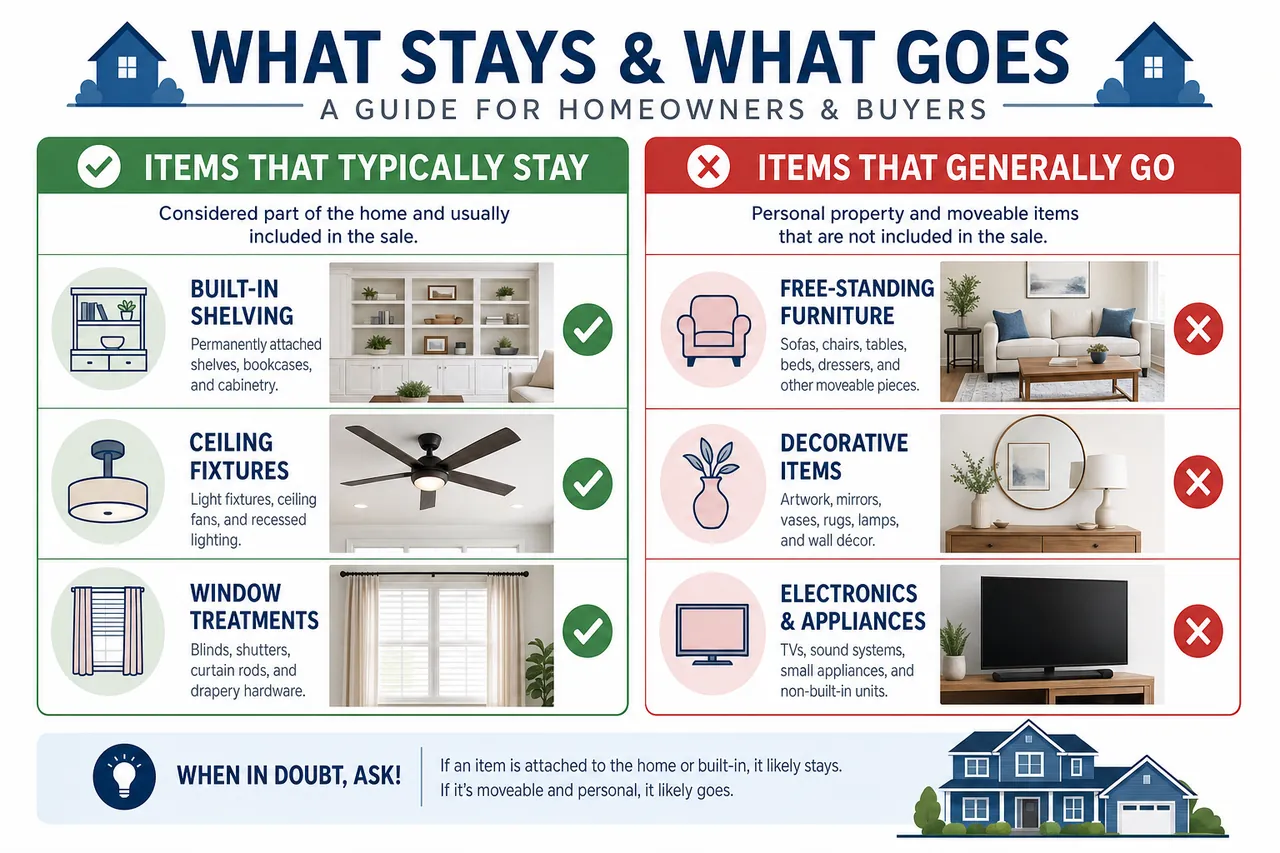
Yes, you can sell furniture with your home. And honestly, it happens more often than most people realize. Whether you're selling a vacation home, handling an estate, dealing with an investment property, or just closing on a regular house, you're allowed to include furniture in the deal. The tricky part? Knowing what's legally attached to the property, what you can actually negotiate, and how to do it right.
What Items Typically Stay With the Home
Real estate law draws a clear line between two categories: fixtures and personal property. Fixtures are permanently bolted or built into the property—they stay unless you explicitly say otherwise in writing. Furniture falls into personal property, which means it's movable and belongs to you. But here's where it gets messy. Sometimes that line blurs.
| Typically Stays With the Home (Fixtures) | Typically Goes With the Seller (Personal Property) |
|---|---|
| Built-in shelving and cabinetry | Sofas, sectionals, and armchairs |
| Attached light fixtures and ceiling fans | Dining tables and chairs |
| Window treatments (rods, brackets) | Bedroom dressers and nightstands |
| Built-in appliances (dishwasher, oven) | Freestanding appliances (portable ice makers, mini-fridges) |
| Garage door openers | Patio furniture and outdoor sets |
| Bathroom mirrors (if mounted) | Rugs, artwork, and decorative items |
| Built-in entertainment centers | Beds and mattresses |
Regional Differences in Furniture Sales
What works in one market won't work in another. Beach towns and mountain communities? Sellers there include complete furniture packages all the time because buyers want turnkey vacation rentals or second homes ready to move into immediately. Urban buyers often expect empty units. Rural markets? That's where workshop furniture and large outdoor equipment become serious negotiating points. Your real estate agent knows what local buyers actually want in your area—so ask them directly. For properties with complications that affect how buyers think about your home, check out our guide on selling a house with a shared driveway or easement, which explains how regional norms shape what people are willing to pay for.
Back to topBenefits of Selling Furniture With Your Home
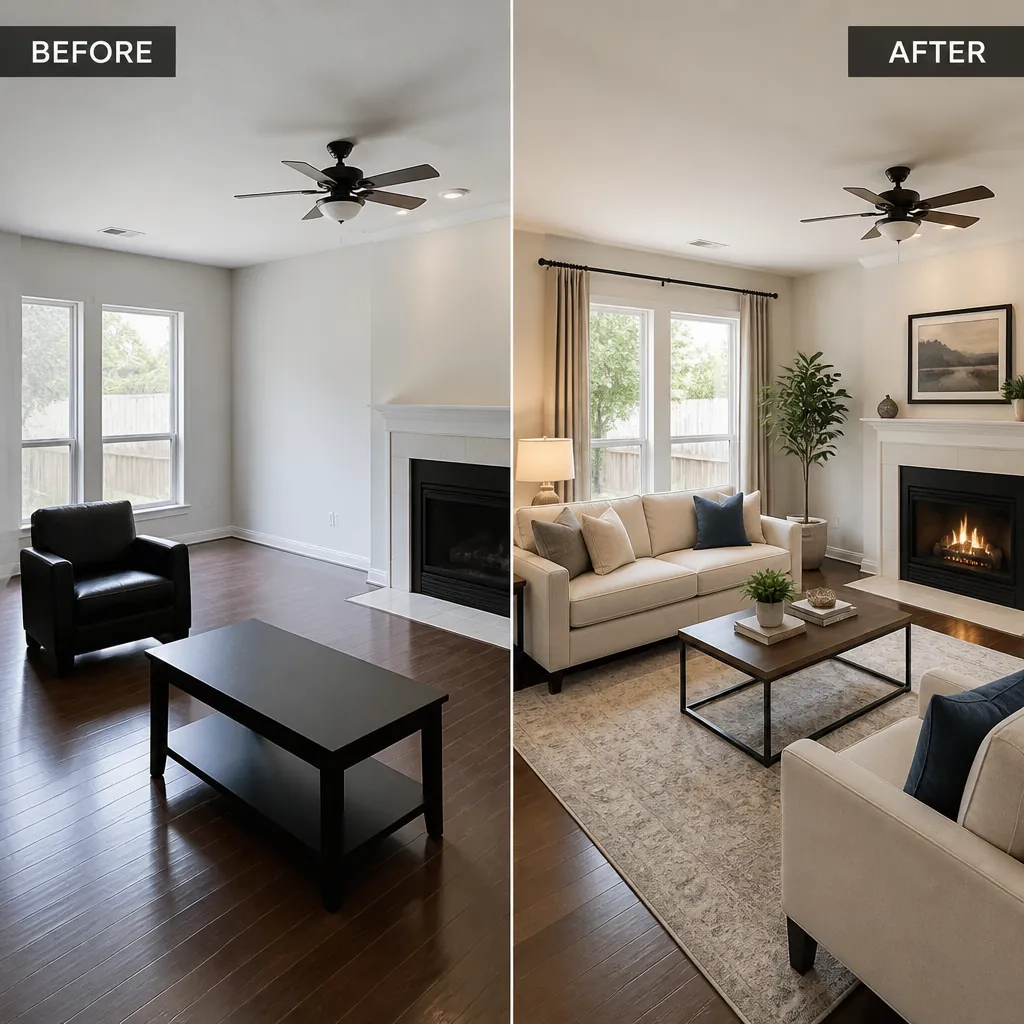
Want to streamline your sale and actually add value? Throwing furniture into the deal can work for both you and the buyer. Here's why it matters and how to position it the right way.
Advantages for Sellers
- Eliminate moving costs: Long-distance moves for bulky furniture? They're brutal on your wallet. Leave it behind and skip that expense entirely.
- Avoid estate sale logistics: Handling a parent's estate or navigating divorce? Running a separate furniture sale on top of everything else is a nightmare. Bundling it with the house means one transaction, one closing date, way less headache. Our deep dives into selling an elderly parent's home and selling your house after divorce explain these complications in detail.
- Speed up the sale: Buyers don't have to wait weeks for furniture delivery or coordinate move-in logistics. A fully furnished home often closes faster.
- Remove unwanted items: That oversized couch or dingy dresser? The pieces that won't fit your next place? Selling them with the house beats dragging everything to a donation center or paying for hauling.
Advantages for Buyers
- Immediate move-in readiness: First-time homebuyers and out-of-state relocators especially benefit here. You skip months of furniture shopping and delivery delays. That's real money saved.
- Visualize the finished space: Empty rooms feel cold. Furnished rooms tell a story. Buyers connect emotionally to a space when they can actually picture themselves living in it.
- Below-market pricing: Sellers want furniture gone fast. That means buyers get quality pieces for significantly less than retail.
Impact on Staging and Home Appeal
Here's the thing: furnished homes almost always outshine empty ones. And if you're planning to sell the furniture along with the house, keeping everything clean and well-staged works double duty. Your property looks fantastic during showings, and the furniture itself becomes part of the appeal. Check out how to deal with the stress of selling your house for more strategies on preparing your home without losing your mind.
Back to topHow to Determine What Furniture to Sell

Identifying Sellable Pieces
Not every piece of furniture deserves to stay. Which items will actually make your home more attractive to buyers?
- Custom or built-to-fit pieces: That sectional sofa designed specifically for your unusual living room layout? Or a dining table sized perfectly for your oversized formal dining room? These are tough to sell elsewhere, but incoming buyers love them because they're already exactly what that space needs.
- Outdoor and patio furniture: Warm-climate homes and vacation properties? Buyers typically expect these to stay.
- Hard-to-move items: Pool tables, large wardrobes, oversized media consoles, and workshop benches cost serious money to transport. Buyers are far more likely to purchase when these items are already in place.
- Modern or neutral-style pieces: Contemporary and transitional styles appeal to almost everyone. But highly personalized or antique pieces? Those usually sell better separately through specialist dealers.
Excluding Items From the Sale
Write down everything you're keeping. Do this early — before any buyer conversations happen. Family heirlooms, sentimental pieces, things promised to relatives — spell it all out in writing. And be specific.
Ambiguity destroys deals. Disputes at closing cost you time and money you don't have. For a complete breakdown of what to consider when selling a home with furnishings included, check out our guide on selling your house with everything in it.
Back to topPricing Furniture in a Home Sale
Here's the thing: pricing used furniture is genuinely tough. Sellers tend to overestimate what their pieces are worth. Buyers? They'll lowball you every time. You need a price that works for everyone and doesn't tank the real estate deal itself.

Determining Fair Market Value
That dining table you paid $2,000 for won't fetch anywhere near that on the secondhand market. Used furniture typically sells for just a fraction of original retail price. According to FurniturePath and Kashew, you're looking at 20–50% of original retail price in 2026, though it varies a lot depending on the quality tier:
- Mass-market furniture (IKEA, big-box retailers): 10–25% of retail
- Quality brand pieces in excellent condition: 40–50% of retail
- Worn or no-name items: 10–20% or less
And here's something that stings: Asherfield's resale calculator data shows that furniture loses 20–30% of its value in year one alone. That three-year-old sofa? It's worth significantly less than what you originally paid, even if you've treated it like new.
We can't find verified comparable pricing for specific furniture categories that we'd actually trust, so we're not publishing a price table here. Making up numbers would only hurt you. Instead, spend an hour checking sold listings on Facebook Marketplace, OfferUp, and Craigslist in your ZIP code. That's where your real local comparables live.
Creating a Furniture Quote Sheet
Create a simple one-page document for each piece you're selling. It should include:
- Item name and brand (if known)
- Approximate age and purchase price
- Dimensions (critical for buyers assessing fit)
- Condition notes (scratches, stains, repairs)
- Your asking price
- Photos taken within the past 30 days
This becomes your furniture agreement and keeps disputes from happening after closing. You'll thank yourself later.
Back to topNegotiating Furniture Sales
When to Discuss Furniture
Timing is everything here. While buyers are still walking through your home, don't bring up furniture. It clouds the picture. They start mentally discounting the house itself. Price conversations get weird. So hold off—wait until they've actually made an offer on the real estate and you're under contract.
Using Furniture as a Negotiating Tool
Once that offer is signed, furniture suddenly becomes valuable. Really valuable. A buyer balks at closing costs or wants repair credits? Offer them a furniture package at a great price instead. You keep the home's sale price intact while still sweetening the deal. Both sides walk away happy.
Here's how it works in practice. You bundle specific pieces together. Buyers push back on the price. You negotiate down from there. Everyone wins, and you avoid the awkward conversation about whether the walls or the sofa are worth more.
Want to know what furniture actually moves buyers? Check out our article on selling your house with or without furniture: what buyers want. It'll show you exactly what to offer and when.
Back to topLegal and Financial Considerations
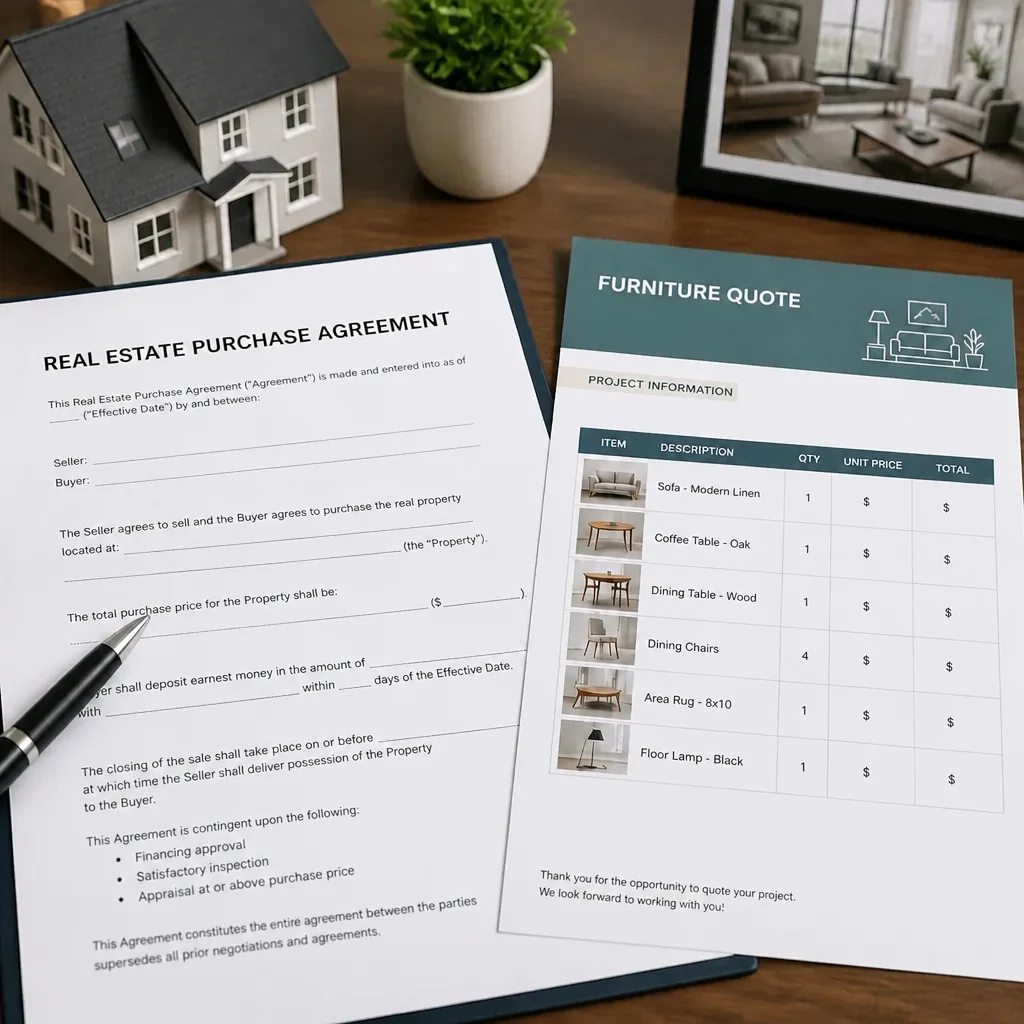
This is where most sellers stumble financially. You'll protect yourself and the buyer by handling the legal side correctly — and your deal stays legitimate.
Creating a Separate Furniture Agreement
Here's the critical rule: never mix furniture sales into your real estate purchase contract. Do that, and you'll create headaches with lenders, appraisers, and the IRS. Instead, write up a completely separate bill of sale listing each item, its price, and what condition it's in. Both of you sign it. It stays outside the mortgage and title process entirely. If you're selling furniture worth serious money, have a real estate attorney look over the agreement.
Financing and Appraisal Impacts
Lenders watch for this constantly. They know sellers sometimes bump up the home price to cover furniture costs. When your buyer needs financing, their lender orders an appraisal. Appraisers are trained to spot transactions where personal property gets bundled into the real estate price — and they'll flag it. Keep furniture payments completely separate. Pay directly between buyer and seller, outside of escrow, and you've solved the problem. And here's something else that trips people up: code violations can complicate appraisals too. Our piece on selling a house with code violations walks you through those appraisal-adjacent issues.
Tax Implications of Selling Furniture
Most sellers skip this part entirely — but you shouldn't.
The IRS has odd rules about personal-use furniture. Gains and losses don't work the same way. Here's what matters per IRS Topic 409 and IRS Publication 523:
- Selling at a loss: Most people sell used furniture for less than they paid. That loss doesn't count as a tax deduction. The IRS won't let you write off losses on personal-use property.
- Selling at a gain: Antiques, vintage designer pieces, or furniture that's appreciated — those might sell for more than you paid. That gain becomes taxable income. You'll report it on Schedule D and Form 8949.
- Reporting proceeds: Per IRS Publication 523, when you sell personal property alongside a home, those proceeds count as ordinary income on Form 1040.
Here's what catches people off-guard: furniture proceeds don't qualify for the IRC §121 home sale exclusion. That exclusion — $250,000 for single filers and $500,000 for married filing jointly in 2026 — only protects gain on the real property itself. Not the personal property. And it hasn't been adjusted for inflation since the Taxpayer Relief Act of 1997, per The Arca Labs.
If your home sale gain exceeds the §121 exclusion, you'll owe federal capital gains tax. The 2026 long-term rates per ustax.tools (Rev. Proc. 2025-32) are:
- 0% — up to $49,450 taxable income (single) / $98,900 (married filing jointly)
- 15% — up to $545,500 (single) / $613,700 (married filing jointly)
- 20% — anything above those thresholds
If you're a high earner, watch out for the 3.8% Net Investment Income Tax (NIIT). It applies to investment income — including your home-sale gains above the §121 exclusion — if you're single earning over $200,000 or married filing jointly earning over $250,000. These thresholds don't adjust for inflation either.
The reality: Most people sell used furniture at a loss compared to what they originally paid. No taxable gain means no tax headache. But if you're selling high-value antiques or designer pieces that've gone up in value, talk to a CPA before you close.
Back to topStep-by-Step Guide to Selling Furniture With Your Home
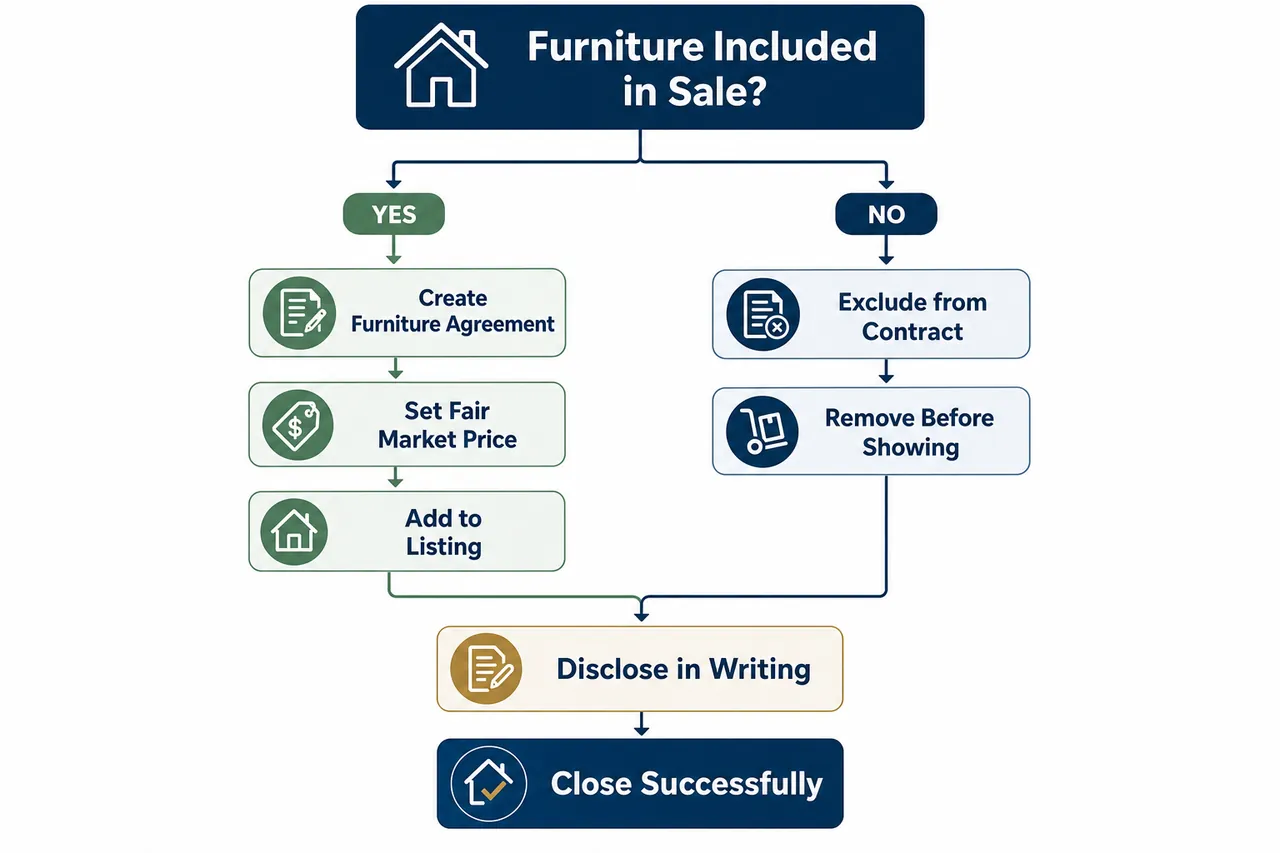
| Stage | Action Items | Key Deadlines |
|---|---|---|
| Before Listing | Identify which pieces you'd actually want to sell; photograph and document each item carefully; research what similar furniture is going for locally; prepare a quote sheet with prices; and put in writing exactly what you're excluding from the sale | Complete before listing goes live |
| During Showings | Keep everything clean and well-staged; don't bring up furniture sales when buyers are touring the home; let the space do the talking instead | Ongoing through offer acceptance |
| After Offer Accepted | Hand over your quote sheet to the buyer; work out prices together; lock down the final item list; and draft a separate bill of sale for the furniture | Before due-diligence period ends |
| Pre-Closing | Both you and the buyer sign the furniture bill of sale; set up payment outside of escrow; make sure everyone's crystal clear on what stays and what goes | At least 3–5 days before closing |
| At Closing | Verify the furniture is in the agreed-upon condition; hand over keys and all documentation; complete the payment | Day of or immediately after closing |
Common Mistakes to Avoid
- Overpricing furniture: You're emotionally attached to your couch. That's normal. But it'll kill your sale. Most used furniture moves for 20–50% of its original retail price — sometimes far less if it's older or mass-produced. Your buyer won't see what you paid for it. They'll see what it's actually worth today.
- Discussing furniture during showings: Don't do it. The moment you start talking price or condition during a walkthrough, buyers lose focus. They stop imagining their life in the space. Instead, they're already negotiating against you — before you've even decided you want to sell.
- Mixing furniture into the real estate contract: This is a trap. Lenders hate it. Appraisers get confused. The IRS flags it. Keep furniture completely separate with its own bill of sale or sales agreement. Period.
- Skipping condition documentation: That water stain? The wobbly leg? Write it down. Take photos from multiple angles. A buyer who discovers problems after closing will feel blindsided — and they might actually sue you. Documentation protects you both.
- Forgetting tax reporting: Here's what catches people off guard: You can sell furniture at a loss and still get a 1099-K. If your payments on a single app like PayPal or Venmo hit $20,000 in gross payments with more than 200 transactions during 2026, they'll file it. Report the form accurately. Keep your receipts showing what you originally paid. That's your proof of the loss.
Using Your Realtor's Expertise

Your realtor knows this market. They've seen what buyers actually pay for furniture, they can price your pieces so they actually move, and most importantly — they'll keep furniture talk from derailing the entire house sale. And that matters more than you'd think.
Before problems show up during appraisal, a good agent flags them. They also handle the back-and-forth between you and the buyer once an offer comes in, translating what each side really means and keeping everyone on track during those tense post-offer weeks.
But what if you're selling on your own? Or dealing with an estate, foreclosure, or distressed property? That's where things get messier — unless you work with a cash buyer. They often buy the whole package: house, furniture, everything. No separate negotiations. No headaches.
Want to explore that route? Check out our article on the benefits of working with a cash for house company.
Back to topConclusion
Selling your furniture with your home can be a genuinely smart move. Your wallet will thank you. Your timeline will be cleaner. And you won't be scrambling to move a house full of stuff at the last minute. The real trick? Approaching it methodically. Document what you're selling. Price it based on what it'll actually fetch — not what you paid for it years ago. Keep the furniture transaction legally separate from your real estate contract. And before you close, understand the tax rules. Most sellers lose money on furniture anyway relative to the original cost, which means the tax hit is usually minimal. But you don't want to be blindsided. With the right prep work, furniture becomes one of your most effective selling tools.
Back to topFrequently Asked Questions
Do I have to sell my furniture when I sell my home?
No. Furniture is personal property — you're not required to include it. You can take everything with you, sell some pieces, or leave it all behind. The choice is entirely yours. Built-in shelving, mounted light fixtures, and installed appliances that were disclosed as part of the sale? Those stay. But the couch, dining table, and bedroom set? They're yours to keep or sell as you wish.
Does selling furniture with my home affect the home's appraised value?
It can hurt your appraisal if furniture costs get mixed into the real estate price. Lenders and appraisers watch for this exact problem — personal property artificially inflating what buyers pay for the actual house. But here's the key: furniture must have its own bill of sale and separate payment. Do it right, and the furniture won't touch your appraisal at all.
Will I owe taxes on the money I receive for selling furniture?
Usually you won't. Most people sell used furniture for less than what they originally paid, and losses on personal-use property don't generate any tax bill. But if a piece sells for more than your original purchase price? That gain is taxable. You'll report it on Schedule D, and per IRS Publication 523, those proceeds go on your Form 1040 as ordinary income. Are you selling anything high-value or potentially appreciated? Talk to a tax professional first.
How should I handle payment for furniture sold with the home?
Keep it completely separate from your real estate closing. Don't funnel furniture money through escrow or the title company — that creates headaches with the buyer's lender. A direct payment works best: check, wire transfer, or cash between you and the buyer. Document everything in your bill of sale.
What's the best way to price furniture I want to sell with my home?
Search Facebook Marketplace, OfferUp, and Craigslist for what similar pieces are actually selling for in your area right now. Used furniture typically goes for 20–50% of original retail price — though mass-market stuff often lands at just 10–25%. Price it to sell, not to recover what you spent years ago. Take clear photos and describe the condition honestly. That's how you move pieces quickly.
Back to top
