

Selling a House with a Shared Driveway or Easement: Legal Considerations
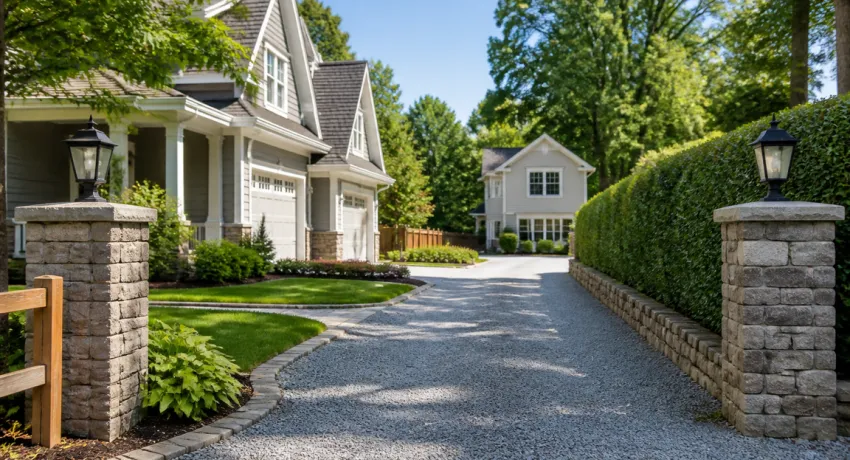
Selling a house with a shared driveway or easement can derail a deal—or sail through closing if you handle it right from day one. Here's the thing: shared driveways aren't rare. You'll find them everywhere, especially in older neighborhoods, rural areas, and cramped suburban subdivisions where property lines don't give you much wiggle room. The legal side isn't impossible. But it demands careful prep work, being upfront about everything, and knowing how easements actually function under the law. This guide covers the whole picture—legal definitions, the paperwork you'll need, how to price strategically, what buyers will worry about, and the steps to close without messy disputes.
Understanding Shared Driveway Easements
What's a Shared Driveway Easement?
Here's the core idea: a shared driveway easement gives one or more people the legal right to use a portion of someone else's property for driveway access. This right doesn't vanish when you sell. It sticks with the land itself — which means your buyer inherits it whether they like it or not. You own the pavement. Your neighbor owns the right to cross it. And that right survives the sale of your home.
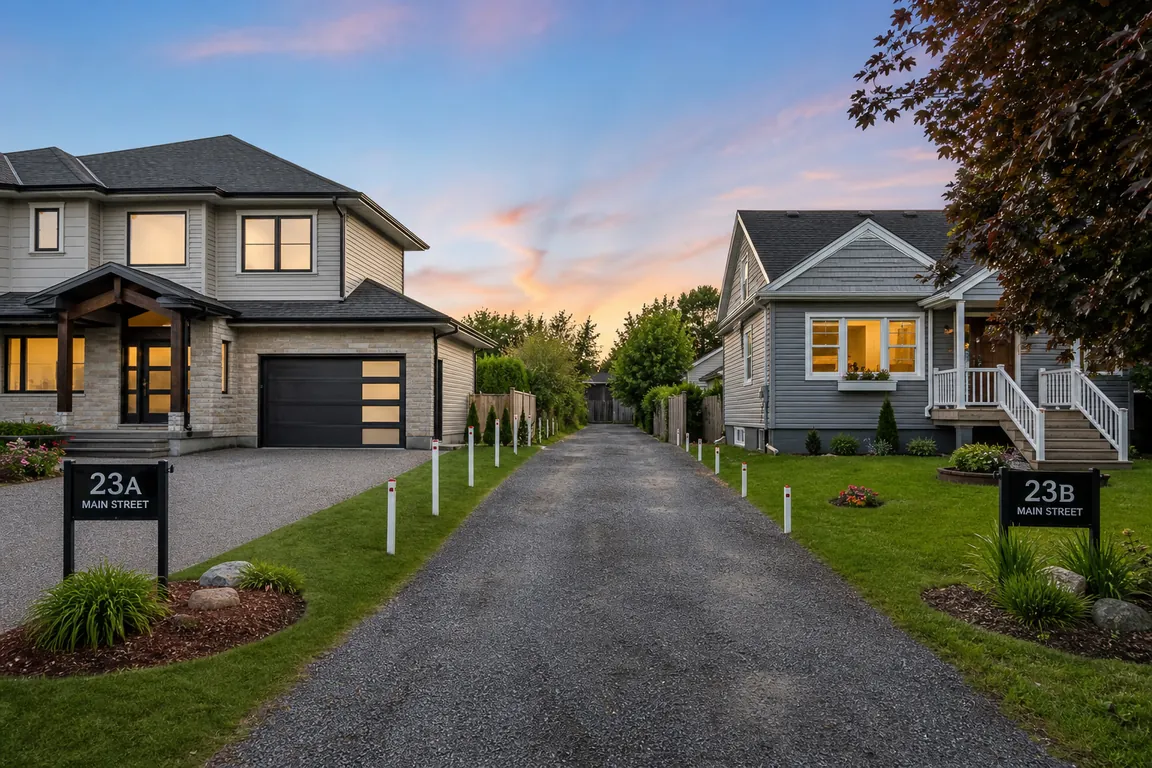
People throw around "shared driveway" and "shared driveway easement" as if they mean the same thing. They don't. A shared driveway might be jointly owned — both you and your neighbor hold title to the physical structure. An easement is different. One party owns the driveway while the other holds only a right to use it. Both show up in your property records. Both matter when you're selling.
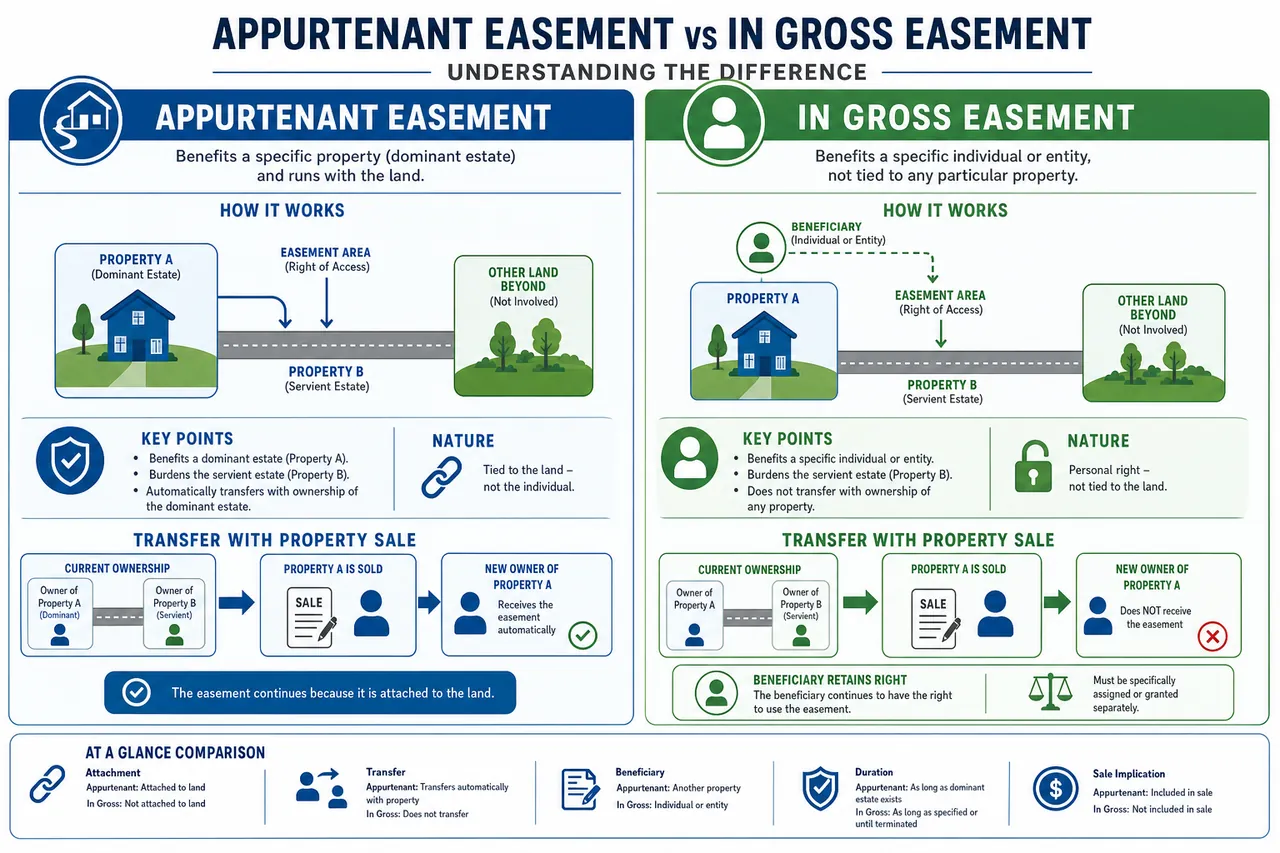
Types of Easements: Appurtenant vs. In Gross
Why does this matter? Because the type of easement controls whether it transfers to the next owner and what obligations come with it.
| Feature | Appurtenant Easement | Easement in Gross |
|---|---|---|
| Definition | Attached to the land; benefits an adjacent property | Benefits a specific person or entity, not a parcel |
| Transfers with Sale? | Yes — automatically passes to new owners | Usually not transferable unless it's commercial |
| Common Examples | Neighbor's right to cross your driveway for access | Utility company right-of-way across your land |
| Duration | Indefinite unless extinguished by agreement or merger | Ends when the individual or entity no longer exists |
| Impact on Sale | High — must be disclosed; new buyer inherits obligation | Moderate — disclose, but may not affect buyer's use |
| Recorded in Deed? | Almost always | Often recorded, especially for commercial easements |
Most shared driveway situations involve appurtenant easements. They run with the land. When you sell, your buyer automatically takes on the easement obligation — no exceptions. This is the critical detail you need to grasp before you list your home and absolutely must disclose to every buyer who walks through the door.
How Easements Affect Property Rights and Sales
An easement won't kill your sale. But it does create a legal obligation that your buyer has to accept. Your neighbor's right stays in place no matter who owns the property next. And here's what you need to know: hiding an easement you know about can trigger fraud claims, rescission demands, or lawsuits after closing. Most states require sellers to disclose every easement, right-of-way, and encumbrance on the property — period.
Legal and Documentation Requirements

Required Disclosures for Shared Driveway Sales
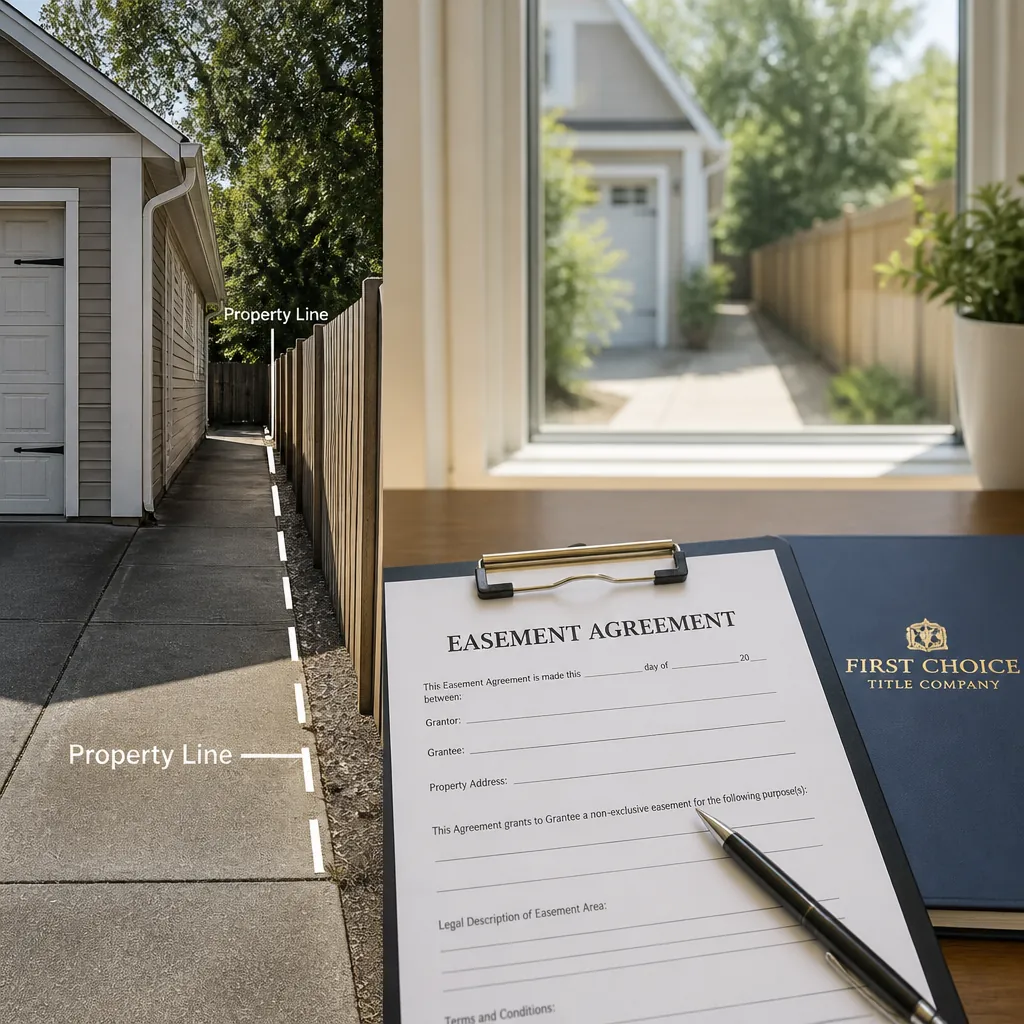
Most states have seller disclosure laws. And they're crystal clear on one point: you've got to tell buyers about any easements you know about — before they sign anything. The timing and paperwork vary from state to state, but the rule doesn't. If you know about a shared driveway or easement, buyers need to know it too.
What happens if you don't disclose? Buyers can void the contract or sue you after closing. An undisclosed easement counts as a material defect, which means it's serious enough to kill a deal or cost you money later.
Your disclosure package needs the recorded easement document itself. Include any maintenance agreements between you and your neighbor, the legal description of exactly where that easement sits on your property, and any history of disputes or times someone couldn't access the driveway. California, Florida, and Colorado have standardized disclosure forms that specifically ask about easements — fill them out thoroughly and be specific about what you know. For sellers in complicated situations — whether it's a shared driveway issue or something more complex like using power of attorney to sell a house — getting the documentation right from the start prevents headaches down the road.
Title Search and Easement Documentation
Before closing, a title search will turn up any recorded easements on your property. Here's the thing: if your easement is properly recorded at the county recorder's office, it shows up in the title report. You'll have to address it. But if the easement is unrecorded — maybe it's just an old handshake deal with a neighbor — it might still be enforceable under common law, and your title insurance won't protect you.
Get a copy of the original easement document. Check your prior closing documents first. If you don't have it there, ask your title company or call the county recorder's office directly. When you get that document, verify these specific details: the legal description of the easement area, any limits on how it can be used, which property holds the dominant estate (the one with the right to use) and which holds the servient estate (yours), whether it lasts forever or expires, and whether either party has to pay for maintenance.
Maintenance Agreements and Their Importance
Want to know what buyers fear most about shared driveways? Unclear maintenance responsibility.
A formal maintenance agreement between you and your neighbor fixes that problem. It spells out exactly how you'll split costs for repaving and repairs. It covers snow removal. It addresses drainage. It says what happens when someone stops paying their share. And it includes a process for solving disputes before they escalate.
Don't have a written agreement yet? Draft one before you list the property. Even a simple, notarized document signed by both parties gives buyers and their lenders real peace of mind. Some mortgage lenders actually require a shared driveway agreement as a condition of approval — skip this step and you could hit delays at closing.
Rights-of-Way vs. Shared Ownership
These aren't the same thing, and the difference matters more than you'd think. A right-of-way means someone has the legal right to cross your property, but they don't own any part of the driveway itself. Shared ownership means both of you hold title to the actual driveway structure.
The distinction changes everything. Tax implications differ. Maintenance obligations differ. Legal remedies when conflicts happen differ. Make absolutely sure your title search and an attorney's review identify which arrangement you actually have. Don't guess.
How Shared Driveways Affect Home Value
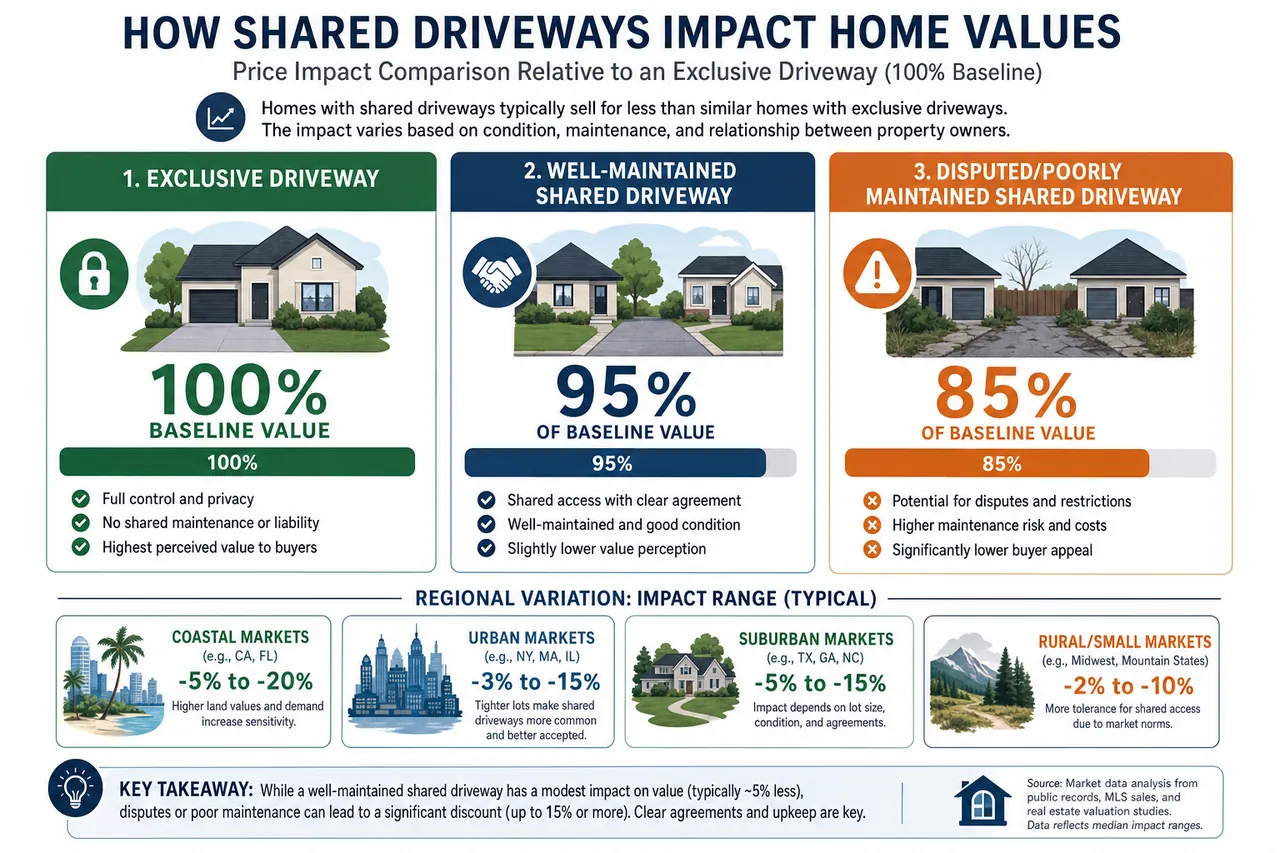
Price Reduction Factors for Shared Driveways
Here's what you need to know: most buyers see a shared driveway as a drawback. That perception hits your bottom line. Real estate appraisals and market data show that shared driveway homes typically sell for 3% to 10% less than comparable properties with private driveways. The exact number depends on your location, current market conditions, and how solid your shared arrangement paperwork is.
Dense urban markets? Different story. In cities like NYC, Chicago, and Boston where lot sizes are small and everyone's sharing something, the discount lands at the lower end—maybe 1% to 4%. Buyers there expect it. But move to a suburban subdivision or a rural area where people anticipate private access, and that discount can jump significantly higher.
| Region / Market Type | Typical Price Reduction | Market Acceptance Level | Notes |
|---|---|---|---|
| Dense Urban (NYC, Chicago, Boston) | 1% – 4% | High — shared access is common | Buyers expect it; less stigma |
| Older Suburban Neighborhoods | 3% – 7% | Moderate — depends on documentation | Agreement quality matters most |
| New Suburban Developments | 5% – 10% | Low — buyers expect private driveways | May limit buyer pool significantly |
| Rural / Agricultural Areas | 4% – 8% | Moderate — access easements are familiar | Utility easements normalized; driveway less so |
| Snow Belt States (MN, WI, MI, NY) | 5% – 10% | Low — snow removal disputes are a real concern | Winter maintenance agreement critical |
| Sun Belt States (FL, TX, AZ) | 2% – 6% | Moderate — milder weather reduces friction | Less seasonal maintenance concern |
Market Perception and Buyer Psychology
A shared driveway isn't just a logistics issue. It's emotional.
Even with a rock-solid agreement and zero practical problems, buyers get nervous. They imagine disputes with neighbors, someone blocking the driveway, maintenance arguments they can't control. That worry might not be rational—but it's absolutely real, and it will cost you if you don't address it head-on.
And here's what makes a difference: sellers who acknowledge the shared arrangement upfront and provide solid documentation outperform those who bury the issue or hope buyers won't notice. If you've got a clean, well-maintained agreement with your neighbor, show it. Back up your story with proof. Transparency kills a lot of buyer anxiety.
Comparable Sales Analysis
Don't just grab any comps your real estate agent throws at you. You need true apples-to-apples comparisons—properties with shared driveways that actually sold recently in your area. Generic comparables without this factor will set you up for heartbreak when pricing expectations crash into market reality.
Can't find shared driveway comps? Pay attention to days-on-market instead. How long do similar homes without shared access sit before selling? If yours is lingering longer, you've got your answer about the discount. That gap is often more telling than any price reduction formula.
Key Concerns Buyers Have

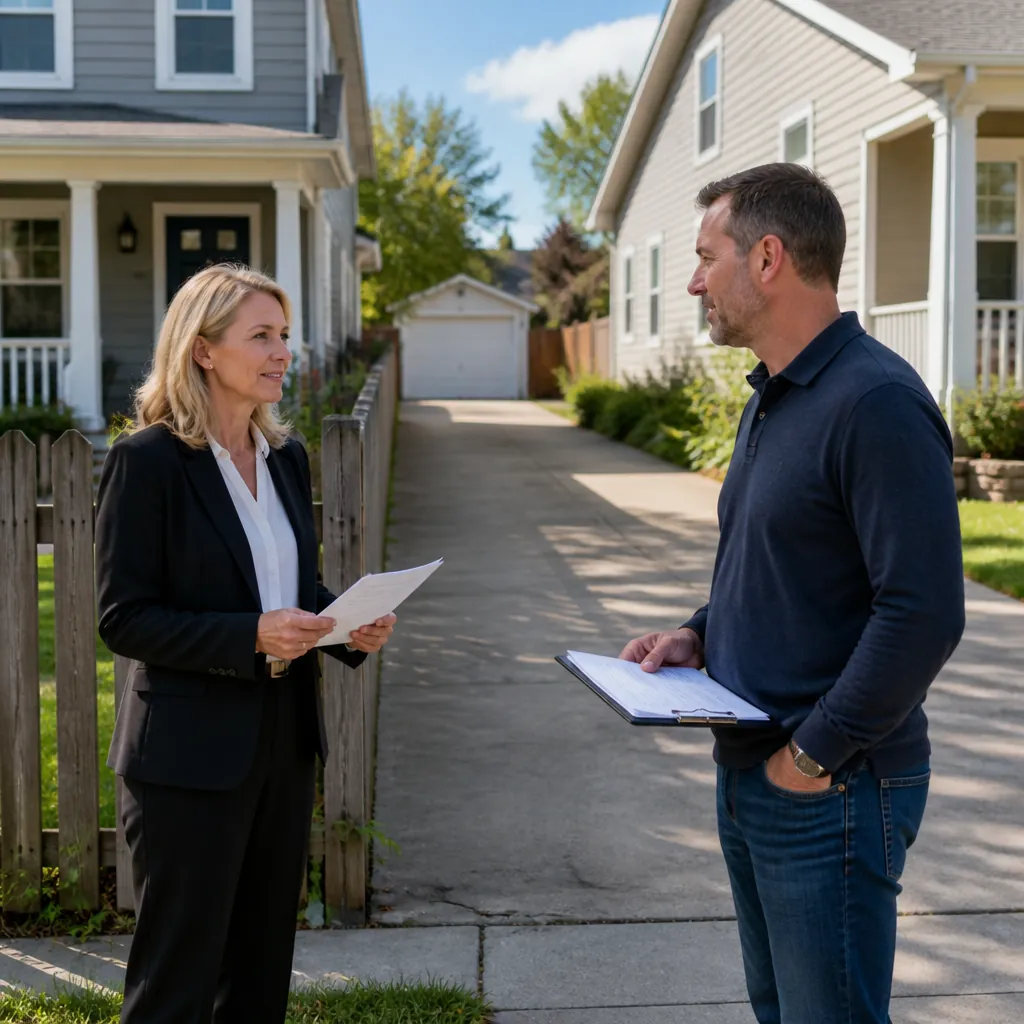
When you know what keeps buyers up at night, you've got a real edge. Want to avoid deals collapsing during due diligence? Address these concerns head-on before they become deal-breakers. It builds trust and shows you've thought this through.
| Buyer Concern | Mitigation Strategy for Sellers |
|---|---|
| Who maintains the driveway? | Provide signed maintenance agreement with clear cost-sharing terms |
| What if the neighbor blocks access? | Reference the recorded easement — blocking access is legally actionable |
| Who handles snow removal? | Document the current arrangement; include seasonal terms in agreement |
| What if repairs are needed? | Outline repair cost-sharing and decision-making process in writing |
| Will my lender approve the mortgage? | Have the maintenance agreement ready; some lenders require it |
| What about liability if someone is injured? | Both parties should carry umbrella or premises liability coverage |
| Can I expand or modify the driveway? | Review easement terms; modifications may require neighbor consent |
| What if the relationship with the neighbor sours? | Include dispute resolution clause in maintenance agreement |
Insurance Concerns
Here's what most people miss: liability on shared driveways. Someone slips on ice. A delivery truck scrapes a bumper. Now you're stuck figuring out who pays. And it gets messy fast.
Your standard homeowner's policy covers injuries on property you own or maintain, but shared driveways create gray areas. Does that coverage apply to the neighbor's side? What about when both of you use it? The ambiguity worries lenders and buyers alike.
Both parties need an umbrella liability policy — at least $1 million in coverage. That's the practical solution. When you can show a buyer that you and your neighbor already have this handled and get along well? That cuts their anxiety in half. Document your relationship, your insurance status, and your communication history with the neighbor. It's not glamorous, but it works.
Strategies for Selling with a Shared Driveway
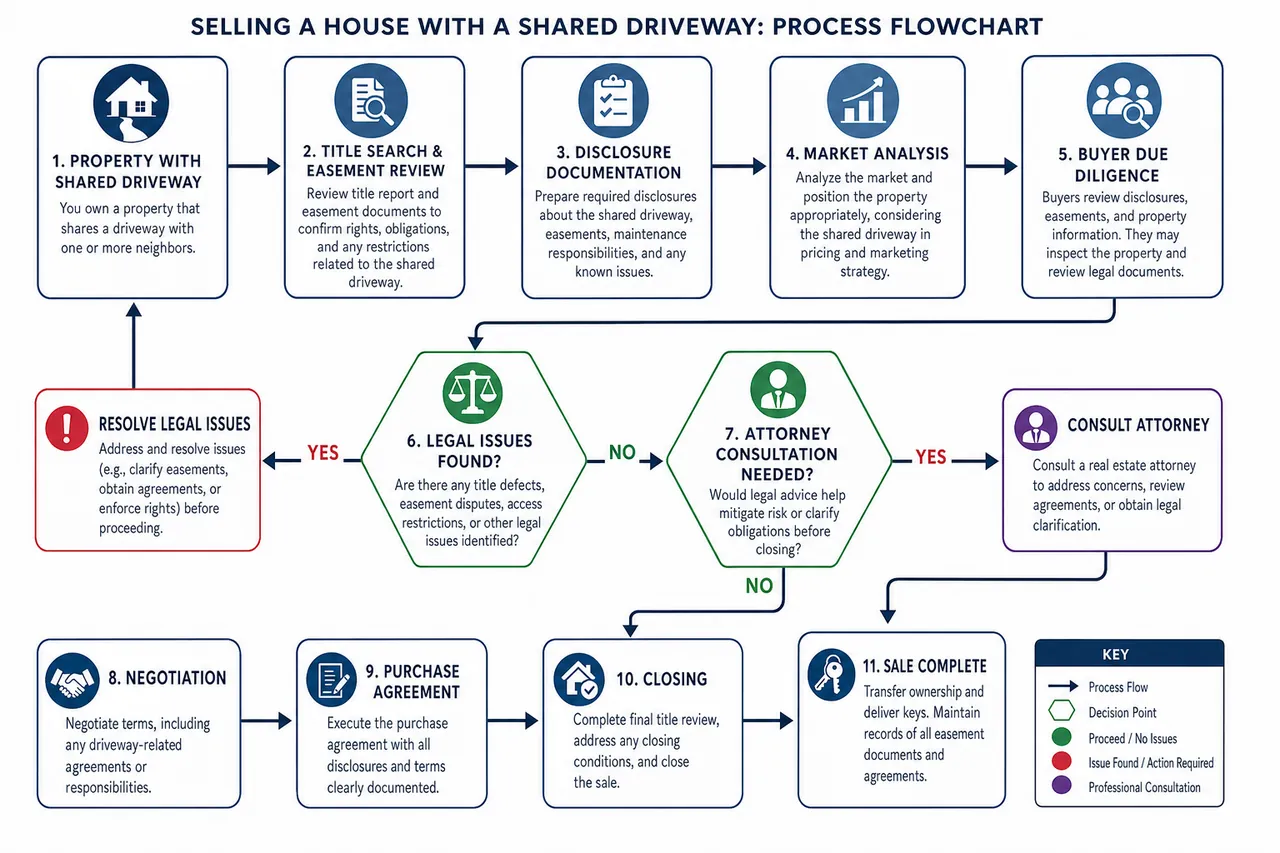
Full Transparency in Marketing and Listing
Here's the thing: complete transparency works. The moment your listing goes live, disclose the shared driveway arrangement. Why? Because hiding it or waiting to mention it doesn't just create legal headaches — it wastes your time. You'll get buyers who vanish the second they spot it during inspection or dig into the title. List the property accurately from day one. Put the shared driveway in your property description. And get all the relevant documentation into your disclosures package right away. That's it.
Highlighting Benefits of Shared Driveways
Shared driveways aren't all downsides. You can actually frame them as genuine advantages, and smart buyers will see it. Split maintenance costs mean you're paying roughly half the bill when that driveway needs repaving, sealing, or major repairs. A $8,000 to $15,000 replacement? Now it's half that. Snow removal costs get split too — a real money-saver in winter climates. And here's something many people miss: shared access preserves green space. You keep the natural landscaping and yard area that would vanish if you both had separate driveways. These are legitimate selling points.
Documentation Preparation Checklist
Gather these documents before you list:
- Copy of the recorded easement from the county recorder's office
- Current maintenance agreement signed by all parties
- Recent repair receipts and cost-sharing records
- Survey showing the driveway location relative to property lines
- Title insurance policy and any recorded exceptions
- Correspondence confirming the neighbor relationship and any historic disputes
- Photos documenting the current condition of the driveway
- Any HOA rules or regulations pertaining to driveway use
Managing a shared driveway sale gets trickier if you're also dealing with an estate or you own the property from out of state. In those situations, you might want to look into using power of attorney to sell a house in Florida or your applicable state. Distance adds complexity, and you'll need to handle the documentation carefully.
Working with Experienced Real Estate Agents
Not every agent knows how to handle shared driveways. When you're interviewing prospective agents, ask directly: Have you listed and closed homes with shared driveways or easement issues? And crucially, how did you handle buyer objections? An experienced agent knows which lenders will work with shared driveway agreements. They understand pricing relative to verified comps. They'll present the arrangement confidently during showings instead of stumbling over it.
Sometimes the traditional market moves slowly on these properties. If your shared driveway situation is particularly complex, consider what a cash home buying company can offer. They often purchase properties with easement complications that scare off conventional buyers.
Common Legal Issues and How to Avoid Them
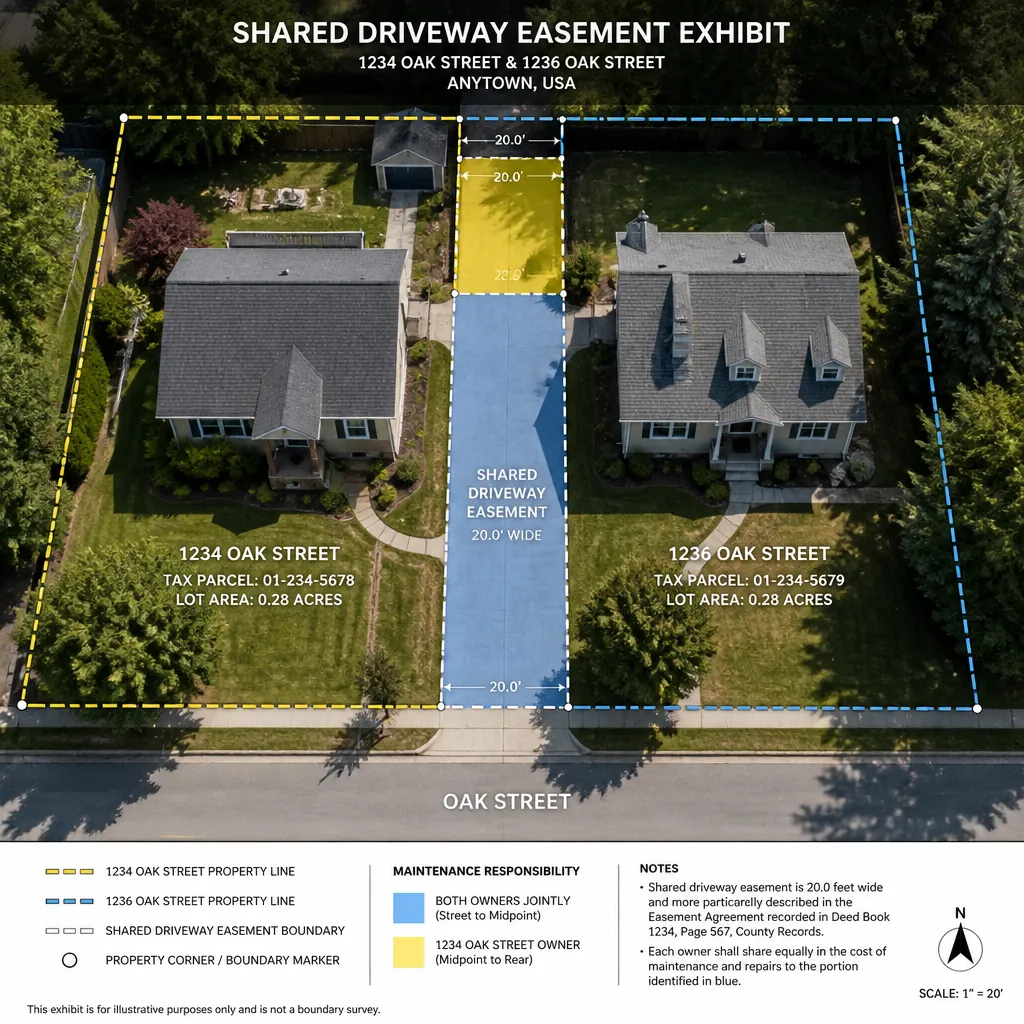
Property Line Disputes
Shared driveways create a real headache: uncertainty about where one property ends and the other begins. The driveway likely straddles your property line, which means you own a strip of pavement but you're both using the whole thing. Here's where it gets messy — when your neighbor makes improvements or changes the driveway without asking you first, things escalate fast. Widening it, repaving it, adding gravel — all of these can encroach on your portion of the property. Before you sell, you need a current survey that shows exactly where those property lines fall relative to the driveway. It's essential documentation.
Unauthorized Modifications
Your easement agreement spells out what you can and can't do to that shared access area. But what happens when your neighbor decides to widen the driveway, change its slope, install a gate, or make other alterations without your permission? You end up with legal liability and a mess when you try to sell. And if you've made changes yourself without consent, you're in the same position. Unauthorized modifications need to be disclosed to any buyer, and depending on your easement terms and what their lender requires, you might have to fix them before closing.
Maintenance Default Scenarios
This is where shared driveway agreements fall apart in real life.
Your neighbor refuses to pay their $3,000 share of a $6,000 repaving project. Now what? You've got three bad options: pay it yourself, watch the driveway crumble, or hire a lawyer and spend years in court. That's why maintenance agreements with lien provisions matter. A lien clause lets you place a lien on your neighbor's property if they don't pay their share. You get enforcement power without litigation — and that changes everything.
Blocked Access and Liability
Blocking a legal easement is illegal everywhere. Your neighbor parks across the driveway entrance, installs a fence, or parks a storage unit on the access route — they're breaking the law. You can get a court injunction forcing them to move it. The legal protection is strong here, but the process is disruptive and costly. If this has happened to you before, document those incidents in your seller disclosures and explain how you resolved them. Buyers want to know about these situations upfront.
Options for Resolving Shared Driveway Issues
Can You Divide the Driveway Legally?
Maybe. Some shared driveways can actually be split into two separate ones — but it's not simple. You'll need enough lot width, zoning approval, possibly a variance, a physical dividing structure built between them, and your neighbor's agreement. That's a lot of moving parts.
The real kicker? Dividing typically costs $5,000 to $20,000 or more, depending on your lot layout and what your local government requires. For many homeowners, that price tag kills the idea. Still, if a shared driveway is tanking your sale price or blocking buyers entirely, it's absolutely worth exploring with a surveyor or attorney.
Buying Out a Neighbor's Easement Rights
Here's the catch with easements: if your neighbor's property genuinely needs that driveway to access the road, you can't just pay them to walk away from it. They'd have no legal way to enter or exit their land — and no court will extinguish an easement that leaves someone landlocked.
But if your neighbor has another way onto their property? Different story. Then you're negotiating. An easement termination agreement, drafted, signed, notarized, and recorded at the county, can formally kill the easement. What'll it cost you? Anywhere from almost nothing to tens of thousands of dollars, depending on whether that access right actually matters to them.
Formal Maintenance Agreements
Don't list without a written maintenance agreement in place — seriously. If one doesn't exist between you and your neighbor right now, get one drafted before your first showing.
Work with a real estate attorney to prepare it. Both of you sign it, get it notarized, and record it at the county recorder's office. One solid document solves most buyer concerns and satisfies what lenders typically demand in a shared driveway deal. For sellers juggling family situations or multiple ownership interests alongside easement headaches, proper documentation matters enormously — selling a house after marriage shows how critical that is when legal interests overlap at closing.
When to Involve Attorneys
Call a real estate attorney if any of these apply:
The easement document has gone missing, reads ambiguous, or you're in a dispute about it. There's friction with your neighbor or a history of conflict. A buyer's lender is demanding documentation you don't have. You're seriously considering dividing or terminating the easement.
Budget $500 to $2,500 for basic easement review and agreement drafting. That's money well spent. Litigation? That runs $10,000 to $50,000 or more — which is exactly why getting a lawyer involved upfront makes sense.
Questions Buyers Should Ask Before Purchasing
You're looking at a home with a shared driveway? Don't skip this. Here's what you actually need to dig into:
- Is the easement recorded? Get a copy from the county recorder's office and cross-check it against what the seller told you. They better match.
- Who owns the physical driveway surface? Is it jointly owned, or does one person hold the deed? This matters.
- Is there a current maintenance agreement? Read the whole thing. Look for cost-sharing terms, how disputes get resolved, and whether anyone can change it down the road.
- What's the history of maintenance contributions? Ask for receipts and records proving both parties have actually been paying their share and getting along.
- Has there ever been a dispute over the driveway? Ask the seller straight up. Then read their disclosures carefully to see if they're telling you the whole story.
- What does my lender require? Call your mortgage lender today. Ask whether they'll even approve the loan with a shared driveway, and what paperwork they need to see.
- What do HOA rules say about shared driveways? Got an HOA? Pull the CC&Rs and search for driveway rules.
- Can I expand, gate, or modify the driveway? Check the easement terms. Some are locked down tight.
Here's the thing: easement laws aren't the same everywhere. Your state has its own rules about what's allowed and what sellers have to disclose. Want specifics? Check out our guidance on selling a house after marriage in Florida or selling a house after marriage in Colorado — both show how state law actually shapes what you can and can't do with shared property in ways that catch people off guard.
Regional Considerations and Market Differences
How Different States Handle Easements
Here's the thing: easement law isn't federal. It's governed by state common law and statutory provisions, which means the rules—and your protections as a buyer or seller—vary significantly depending on where you live.
| State | Disclosure Requirement | Easement Enforcement | Maintenance Agreement Required? |
|---|---|---|---|
| California | Mandatory — Transfer Disclosure Statement | Strong; courts consistently enforce easement rights | Not legally required but strongly recommended |
| Florida | Mandatory — seller must disclose all known encumbrances | Moderate; specific statutes govern easement termination | Lenders frequently require written agreements |
| Texas | Limited — Texas is a "buyer beware" state | Strong common law enforcement | Not required but advisable for title insurance |
| New York | Mandatory disclosure form required | Very strong; courts broadly protect easement holders | Commonly required by cooperative and condo lenders |
| Colorado | Mandatory — Seller's Property Disclosure Form | Strong statutory framework | Recommended; some counties require recording |
| Indiana | Mandatory — residential real estate sales disclosure | Moderate; case law governs most disputes | Not legally required; advisable for FHA/VA loans |
| Tennessee | Mandatory — residential property condition disclosure | Moderate; easement by implication recognized | Not required but assists with clean title |
| Washington | Mandatory — Seller Disclosure Statement Form 17 | Strong; recording protects against bona fide purchasers | Highly recommended; HOA communities may require |
Are you selling in Colorado, Indiana, Tennessee, California, or Washington? Then you need to dig deeper than just easements. These states have specific legal requirements around how you handle documentation—and that includes power of attorney rules if someone else is signing on your behalf. Check out our guides on power of attorney for selling a house in Colorado, Indiana, Tennessee, California, and Washington to make sure you're covered.
Snow Belt and Climate-Specific Implications
Minnesota, Wisconsin, Michigan, and upstate New York face a real problem that most other states don't think about. Snow removal timing. Who pays for it. What happens when the neighbor doesn't plow and someone slips—whose liability is it then?
And these aren't theoretical questions. If you're selling in a snow belt market, your maintenance agreement needs to spell out exactly when snow removal happens, which company does it, and how you split the costs. Buyers in these regions are savvy about winter maintenance. They'll read those provisions line by line.
Urban vs. Suburban Market Variations
Dense urban markets—think older cities where lots are only 25 to 30 feet wide—treat shared driveways as completely normal. Most buyers there already live with one or know someone who does. No big deal.
Suburban markets tell a different story. Post-World War II suburbs were built on the premise that you own your own driveway. Your own lawn. Your own space. When you introduce shared access in that setting, you run into resistance. Buyers feel like they're compromising on the homeownership dream they imagined. Knowing what your market expects—and pricing accordingly—will save you months of headaches trying to find the right buyer.
Working with Real Estate Professionals
Choosing the Right Agent
You need an agent who's actually handled shared driveway deals before. Ask them straight up: how many properties with easements have they listed in the past two years? What's their pricing strategy? And how do they pitch the arrangement to potential buyers? An agent who's already navigated easement objections will be far more effective than someone encountering this for the first time while trying to sell your home.
Title Company Involvement
Your title company does the heavy lifting here. They'll hunt down all recorded easements, spot any gaps in your documentation, and figure out whether title insurance actually covers what's on paper. Don't wait for them to discover problems during their search. Hand over your easement documents right at the start instead. Getting ahead of title issues means you've got time to fix them before a buyer's financing falls apart.
Real Estate Attorney Consultation
Skip the idea that attorneys only matter if your state requires them. In shared driveway situations, they're worth every penny. An attorney reviews your easement documents for actual enforceability, drafts maintenance agreements, walks you through extinguishment or modification options, and makes sure your disclosures cover your legal bases. And here's the thing: disputes you prevent through solid documentation cost far less than fighting in court later.
Your situation might get messier. If you're dealing with contested squatter issues or access conflicts on top of the shared driveway problem, our article on how to sell a house with squatters: legal options and fast solutions shows how legal tangles multiply when property rights are murky.
HOA Involvement
Got an HOA? Read through those CC&Rs before you list. Some HOAs spell out specific rules for shared driveways — maintenance standards, what modifications you can make, how disputes get settled. They might also sit between you and your neighbor when tensions rise, and they could demand formal written notice when your property changes hands. Miss that notification step, and you're looking at closing delays. Handle it early.
Conclusion: Selling Successfully with a Shared Driveway
Here's the good news: thousands of homes with shared driveway easements sell every single year. It's entirely doable. What separates the closings that sail through from the ones that hit snags? Three things — preparation, documentation, and being upfront about it.
Sellers who win are the ones who do the legwork early. They pull together proper easement documentation. They get a clear maintenance agreement in writing. They price realistically compared to other shared-access homes in the area. And they disclose everything up front, not hoping buyers won't notice. These sellers attract serious buyers, satisfy lenders, and close without messy disputes later.
The ones who struggle? They're hoping nobody asks about the driveway. Or they price as if it doesn't exist. Or they can't produce documentation when a buyer's lender asks for it. Don't be that seller.
A shared driveway isn't a defect hiding in your listing. It's a feature that needs managing. Treat it the way a professional would — clear, documented, realistically priced — and your closing gets a lot easier.
But what if the traditional sale route feels too slow or complicated given your driveway situation? Cash buyers who specialize in as-is properties usually understand easement issues. They don't need conventional financing, so there's no lender friction. They typically close faster. Worth exploring if you want to see all your options and make the choice that actually fits your timeline and circumstances.
Frequently Asked Questions
Do I have to disclose a shared driveway easement when selling my house?
Yes. Nearly every state with seller disclosure laws requires you to reveal easements, encumbrances, and shared access arrangements before the purchase agreement gets signed. Hide a material easement? You're looking at fraud claims, contract rescission, or post-closing lawsuits that'll drain your time and money.

