Selling a House With Mold Problems: Disclosure Rules and Buyer Concerns
Table of Contents
- Can You Legally Sell a House With Mold?
- Understanding Seller Disclosure Obligations
- State-Specific Mold Disclosure Requirements
- How Mold Affects the Home Sale Process
- Three Paths for Selling a Mold-Affected Home
- Mold Remediation Costs and Process
- Common Mold Problem Areas in Homes
- Black Mold: What Sellers Need to Know
- Strategies for Pricing Mold-Affected Properties
- Preventing Mold Issues During the Sales Process
- Common Seller Mistakes That Increase Liability
- Conclusion: Transparency Is Your Best Strategy
- Frequently Asked Questions
You can legally sell a house with mold in every state—there's no federal law stopping you. But here's what matters: nearly every state requires you to tell buyers about mold you already know is there. Skip that disclosure, and you're looking at lawsuits, damages, and possibly having to rescind the entire deal. The critical distinction? Disclosure laws only apply to what you've actually discovered, not hidden defects you've never encountered. This guide covers your legal obligations in your state, the three main paths forward, what mold remediation actually costs, and how to protect yourself through the whole process.
Selling a house that needs work? Start with how selling a house as-is works. It explains what as-is means, how pricing works and every way to sell a house with problems.
Nothing in this article is legal, financial, or tax advice. Mold disclosure rules vary significantly from state to state; before you list a property with known mold issues, talk to a licensed real estate attorney in your state.
Can You Legally Sell a House With Mold?

Federal vs. State Mold Laws
Federally? There's no statute, no EPA mandate, and no HUD disclosure form that specifically governs mold in residential home sales. The EPA hasn't established a regulatory airborne mold concentration limit or threshold value. In fact, EPA guidance explicitly states that no federal standard exists for acceptable mold levels indoors. But that regulatory silence doesn't mean you're off the hook — it just means your state's law becomes the controlling factor.
Most states handle mold through their general property disclosure statutes rather than mold-specific laws. A few states, including Texas and Montana, have written dedicated mold disclosure requirements into law. California tried mold-specific legislation with the Toxic Mold Protection Act, but it never became operative. Instead, California sellers must disclose mold through the standard Transfer Disclosure Statement under general material-defect law. And across nearly every state? The result's the same. If you know about mold, you're disclosing it.
Mold as a Material Defect
State disclosure statutes typically define a "material defect" as any condition that would substantially hurt the property's value — or that a reasonable buyer would absolutely want to know about. Mold hits that mark. Especially when it's tied to moisture intrusion, structural damage, or health concerns. Courts have repeatedly ruled that sellers who hid known mold were liable for fraudulent misrepresentation, even when the disclosure form didn't have a specific mold checkbox.
Liability for Non-Disclosure
Not disclosing known mold creates real consequences. Buyers can unwind the entire sale after closing through contract rescission. They can sue for compensatory damages covering remediation costs and diminished value. In serious cases, punitive damages come into play. And depending on your state, you might have to cover the buyer's attorney's fees too. Statutes of limitations for these claims typically run two to six years from the date of discovery — so your liability doesn't disappear the moment you get paid at closing.
Back to topUnderstanding Seller Disclosure Obligations
What Sellers Must Disclose
You don't have to test for mold before listing your home. No state requires it. But here's what matters: disclosure duties cover what you already know, and the law interprets "what you know" very broadly. That musty smell you noticed? The dark spots on the ceiling? The remediation report from five years ago? The insurance claim you filed after the pipe burst? All of that counts as knowledge you need to disclose. If a court later discovers you saw these signs, you can't claim ignorance. Write it all down on your state's required disclosure form.
What specifically needs to go in that form?
- Current visible mold growth anywhere on the property
- Prior mold remediation, including dates, scope, and contractor details
- Water intrusion events (flooding, roof leaks, plumbing failures) that could have caused mold
- Prior mold testing results, whether positive or negative
- Any insurance claims related to water or mold damage
- Conditions that you know contribute to mold risk (chronically high humidity, inadequate ventilation, known foundation cracks)
How to Document and Present Mold Issues
Solid documentation does two things at once. It protects you legally and it shows buyers you've got nothing to hide. Gather your remediation invoices, clearance certificates, inspection reports, and all those emails with contractors or your insurance company. Put them together in one organized package. Then, when you fill out that state disclosure form, skip the vague language. Don't write "some water damage in the past." Instead, be specific: "Roof leak in the master bedroom in spring 2024, repaired by ABC Roofing; professional mold assessment conducted June 2024; surface mold found on ceiling drywall; remediated by XYZ Environmental; clearance certificate issued July 2024, copy attached." The more detail you give, the less room there is for a buyer to later claim surprise.
Legal Consequences of Non-Disclosure
Hiding mold or downplaying it is one of the most expensive mistakes you can make as a seller. It happens more than you'd think. Buyers discover undisclosed mold after closing and immediately pursue rescission of the sale and damages. Even minor mold turns into a major problem when you've tried to conceal it—that's when "mold problem" becomes "fraud claim." Your legal bills alone can dwarf the price hit you'd take by being honest upfront. And you'd actually face the lower cost: some negotiation on the sale price versus months of litigation that you'll probably lose anyway.
Back to topState-Specific Mold Disclosure Requirements
Each state makes its own rules about mold disclosure. That means what you're legally required to tell a buyer varies dramatically depending on where you live. The table below shows what several states actually require. Don't see yours? A local real estate attorney can walk you through it—but know this: most states treat mold as a material defect that you have to disclose.
| State | Disclosure Mechanism | Key Requirement | Notable Exception or Detail |
|---|---|---|---|
| Texas | Texas Property Code §5.008 + Texas Occupations Code §1958.154 | You'll disclose any known mold on your Seller's Disclosure Notice. And you have to provide every Certificate of Mold Remediation issued within the past 5 years | This certificate requirement is built right into the standard TREC contract (paragraph 6E(11)). You can't skip it just because the mold was already fixed. |
| Montana | Montana Mold Disclosure Act §70-16-701 et seq. | Mold has to be disclosed before or at the time of sale. Montana actually has its own dedicated law for this. | Most states don't have a standalone mold statute. Montana does. |
| California | Transfer Disclosure Statement (general material-defect law) | The Toxic Mold Protection Act never actually took effect. Instead, you disclose mold through the TDS as a material defect. | It doesn't matter how much mold or what type. If you know about it, you tell the buyer. |
| Virginia | General property disclosure statute; buyer-beware state | You disclose any water damage you know about and what you did to fix it. Virginia's buyer-beware approach gives you some protection, but it doesn't let you hide known problems. | Even an as-is sale doesn't erase your duty to disclose what you actually know is broken. |
| Florida | Johnson v. Davis doctrine (common law) + seller disclosure statute | Mold—past or present—has to be disclosed if it meaningfully affects the home's value. This includes anything you knew about or should have known about. | Florida courts have been especially aggressive with mold lawsuits after closing. This is an area where litigation is common. |
| West Virginia | Residential Property Disclosure form | You fill out a state form with specific questions about water and moisture damage. Any mold history goes on there. | As-is sales have limited exceptions. Talk to a WV real estate attorney about the current form before you sell. |
If your state isn't on this list, play it safe: assume mold is a material defect and disclose it. Your state's real estate commission website has the specifics, or call a local attorney who handles sales. It's worth the consultation to get it right.
Back to topHow Mold Affects the Home Sale Process
Impact on Home Inspections
Visible mold, moisture staining, and musty odors show up on nearly every standard home inspection. The moment a general inspector spots potential mold, they'll recommend a separate professional assessment — which costs more money, eats up time, and spooks buyers. That's when things get real. Inspection contingencies let buyers renegotiate or bail entirely based on what they find, which is why undisclosed mold discovered during inspection kills more deals than almost anything else in residential real estate.
Smart sellers get ahead of this. Commission a mold inspection before you list, and suddenly you know exactly what's there. You can hand that report to buyers as proof you're being straight with them. A clean bill of health from a qualified inspector? That's a marketing advantage. And if there was mold, a remediation report plus clearance certificate shows the problem got identified and professionally fixed.
Appraisal and Valuation Reductions
Mold can tank your home's appraised value anywhere from 10% to 37%, depending on how bad it is and whether you've had it fixed. Widespread, active mold with no plan to address it? You're looking at the worst-case scenario. But a property with documented professional remediation and a clearance certificate might see almost no value hit, especially if you're in a competitive market. What matters most to appraisers is proof — they treat resolved problems completely differently than problems you've ignored.
Lender and Financing Complications
Financing is where mold causes the biggest headaches. Under HUD Handbook 4000.1 (last revised August 2025), FHA appraisers have to flag any mold or moisture they can see. If that mold threatens health and safety, the appraisal becomes conditional — repairs must be done and verified before the loan closes. Surface mold alone won't automatically tank an FHA appraisal, but anything suggesting a moisture problem deeper than that will shut the whole thing down. Every FHA property has to meet Minimum Property Requirements: they must be "safe, sound, and secure" per HUD Handbook 4000.1, Section II.A.3.
VA loans use the same health-and-safety standard. Conventional loans from Fannie Mae or Freddie Mac don't set specific mold thresholds, but appraisers still have to note problems; serious mold can become a repair requirement before the lender approves the loan. Bottom line: selling to a financed buyer with active mold means the lender will make you fix it before you close.
| Loan Type | Mold Standard | Likely Outcome if Active Mold Found | Documentation Required for Clearance |
|---|---|---|---|
| FHA | Appraiser must report observable mold; "safe, sound, and secure" MPR (HUD Handbook 4000.1) | Conditional appraisal; repairs required before closing if mold affects health/safety | Remediation completion, re-inspection or clearance certificate |
| VA | Minimum Property Requirements; health and safety standard similar to FHA | Loan held pending remediation if mold is a health/safety issue | Professional remediation report and clearance |
| Conventional (conforming) | No specific mold threshold; appraiser notes adverse conditions | Repair requirement possible as loan condition; depends on appraiser and underwriter judgment | Varies by lender; remediation documentation typically sufficient |
| Cash / No Financing | No lender requirements | No automatic hold; buyer assumes risk; disclosure still required | N/A (buyer may still request inspection and clearance) |
Buyer Walk-Away Rates
Mold discovered during inspection — especially if you didn't disclose it — sends buyers running or demanding heavy concessions. Even when you've disclosed it upfront, mold scares plenty of buyers away: parents with young kids, families caring for elderly relatives, anyone with respiratory issues. These aren't small concerns. That's why you need realistic pricing going in or finish remediation before you list. Otherwise, you're gambling with a deal that's already under contract.
Back to topThree Paths for Selling a Mold-Affected Home
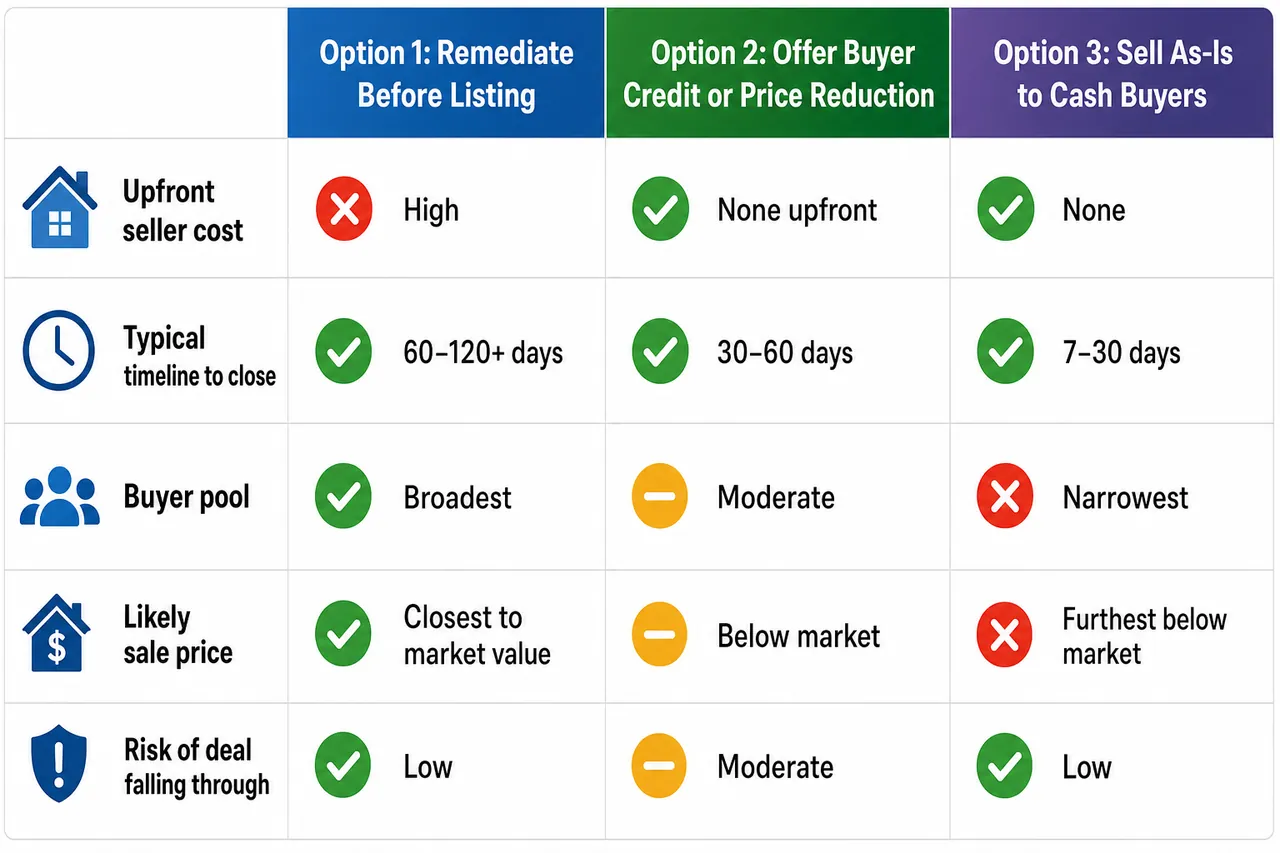
You've got three main paths forward if mold is part of your home's story. All three come with real trade-offs—some cost you money upfront, others cost you time or sale price. And here's what matters most: you can't skip disclosure no matter which route you pick. Selling as-is to a cash buyer? Still legally required to disclose what you know about that mold.
| Factor | Option 1: Remediate Before Listing | Option 2: Price Reduction / Buyer Credit | Option 3: Sell As-Is to Cash Buyer |
|---|---|---|---|
| Upfront seller cost | High (remediation fees before sale proceeds) | None upfront; reflected in price | None |
| Typical timeline to close | 60–120+ days (remediation + standard sale) | 30–60 days (standard sale with negotiated terms) | 7–30 days |
| Buyer pool | Broadest — financed and cash buyers | Moderate — buyers willing to manage remediation | Narrowest — investors and cash buyers only |
| Likely sale price | Closest to market value | Below market by remediation cost + risk buffer | Furthest below market; investor discount applied |
| Lender approval likelihood | High (mold resolved, clearance documented) | Moderate (depends on severity and lender) | N/A (cash transaction) |
| Risk of deal falling through | Low (problem resolved before listing) | Moderate (buyer may renegotiate after inspection) | Low (investors expect as-is condition) |
| Inspection contingencies | Standard | May waive or negotiate | Often waived by investor buyers |
Option 1: Remediate Before Listing
This is your strongest play if you've got the cash and aren't desperate to close tomorrow. You hire a pro to handle the remediation, then get a clearance certificate from an independent third party—not the same crew that fixed it. That certificate proves mold levels are back to normal. It's your golden ticket. Lenders see it and breathe easy. Buyers see it and feel confident.
The document also becomes your best marketing tool and a cornerstone of your disclosure package. You're essentially telling the market: I found the problem, I fixed it, and an independent inspector confirmed it's done right.
What's the downside? You're paying for remediation out of your own pocket before you close, and the whole process—remediation plus testing plus the standard sale—takes 60 to 120+ days. If you have equity cushioning you and time to spare, this route typically nets you the highest price at the end.
Option 2: Offer a Buyer Credit or Price Reduction
Disclose the mold upfront and adjust the price to match. Some buyers—seasoned investors, handy owner-occupants who know what they're getting into—will accept a credit or discount and handle the remediation themselves. The key is calculating that credit correctly. It needs to cover their actual remediation cost plus a buffer for their time, hassle, and risk of surprises.
Underestimate the credit and you're asking for trouble. A buyer who agrees to fix it and then finds out it costs way more than your credit covers will feel burned, even if technically you disclosed everything. The resentment can tank your deal before closing.
When mold comes out during the buyer's inspection instead of your disclosure, the power shifts. See the negotiation section below for how that plays out.
Option 3: Sell As-Is to a Cash Buyer
Real estate investors buy properties in any condition and close fast—often 7 to 30 days—with no remediation required. If you're out of time, facing foreclosure, handling an estate, or just can't afford to remediate, this is your exit strategy.
The speed is real. The certainty is real. You avoid the upfront remediation bill and you dodge the nightmare of a financed buyer's lender rejecting the property over mold. The cost of that speed? A lower sale price. Investors factor in their own remediation costs, holding time, and profit margin. You'll net less than a traditional sale would bring, but you get cash and you get out.
And you still disclose. As-is sales don't erase disclosure obligations. What changes is that the buyer knows the condition, accepts it, and typically waives inspection contingencies. They're making an informed choice.
Stuck with a property damaged by water or other issues? Our guide to selling a flood-damaged house walks through disclosure and option trade-offs that apply across most distressed scenarios.
Back to topMold Remediation Costs and Process
Cost Ranges by Severity
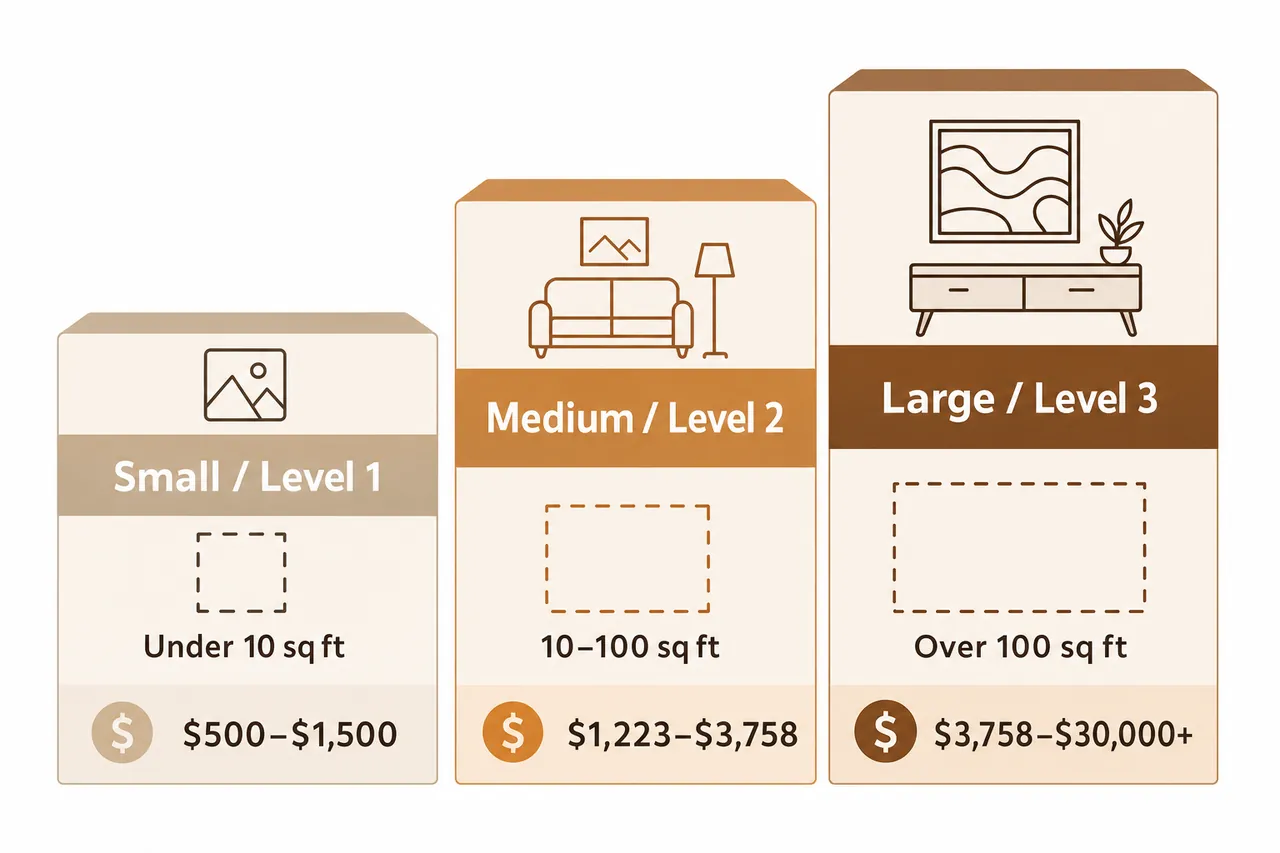
The scope of your mold problem determines the price tag. Professional mold remediation runs about $2,369 on average, with most homeowners paying between $1,223 and $3,758, according to 2026 data from verified project surveys. If mold has invaded your HVAC system, structural materials, or spread across multiple rooms, you're looking at a bigger investment. Whole-house contamination can reach $10,000 to $30,000. Per-square-foot pricing typically falls into two categories: $10–$25 per square foot for standard jobs, and $15–$30 for hard-to-reach or hidden mold.
Before any cleanup starts, you'll need a professional inspection. That's a separate cost. Inspections run $303 to $1,075, with the average around $689 based on over 8,000 actual inspections. Then comes clearance testing after remediation wraps up — another expense. Expect $250 to $500 for that final step.
| Contamination Level | EPA Size Tier | Typical Scope | Estimated Cost Range (2026) |
|---|---|---|---|
| Small / Level 1 | Under 10 sq ft | Surface mold on single wall, cabinet, or fixture; containment and cleaning | $500–$1,500 (DIY possible per EPA; professional recommended) |
| Medium / Level 2 | 10–100 sq ft | Multiple surfaces, partial wall or ceiling; containment, removal, drywall replacement likely | $1,223–$3,758 (national average range) |
| Large / Level 3 | Over 100 sq ft | Whole room, crawl space, attic, or HVAC system involvement; structural materials affected | $3,758–$30,000+ |
Professional Remediation vs. DIY
The EPA recommends professional work for any patch larger than about 10 square feet — roughly a 3×3 foot area. Small surface mold on non-porous surfaces like tile, glass, or sealed concrete? You might handle that yourself with proper safety gear. But if you're selling your home, skip the DIY route. Without a clearance certificate from an independent professional, you can't prove to a buyer or their lender that the problem's actually fixed. That liability isn't worth the savings. Professional remediation gives you legal protection and peace of mind.
What Professional Remediation Includes
Start with assessment and air/surface sampling to identify what you're dealing with. The crew sets up containment barriers so mold spores don't spread through your house. They remove contaminated porous materials—drywall, insulation, carpet—and bag them for safe disposal. HEPA vacuuming and antimicrobial treatment come next, followed by proper disposal according to local rules. New materials go back in after everything's clean. And here's the critical part: don't let the company that did the remediation also do your clearance test. Hire an independent industrial hygienist or mold assessor for that.
How to Find Qualified Professionals
Certification matters. Look for the IICRC's Applied Microbial Remediation Technician (AMRT) credential or ACAC certification. Your state may have its own requirements too. Texas, for instance, requires separate licensed mold assessors and contractors. Call your state's licensing board or health department to confirm what's needed where you are. For the independent clearance testing afterward, find a Certified Industrial Hygienist (CIH) or Council-certified Indoor Environmentalist (CIE). Do you know what credentials matter in your state? Check before you call anyone.
Back to topCommon Mold Problem Areas in Homes
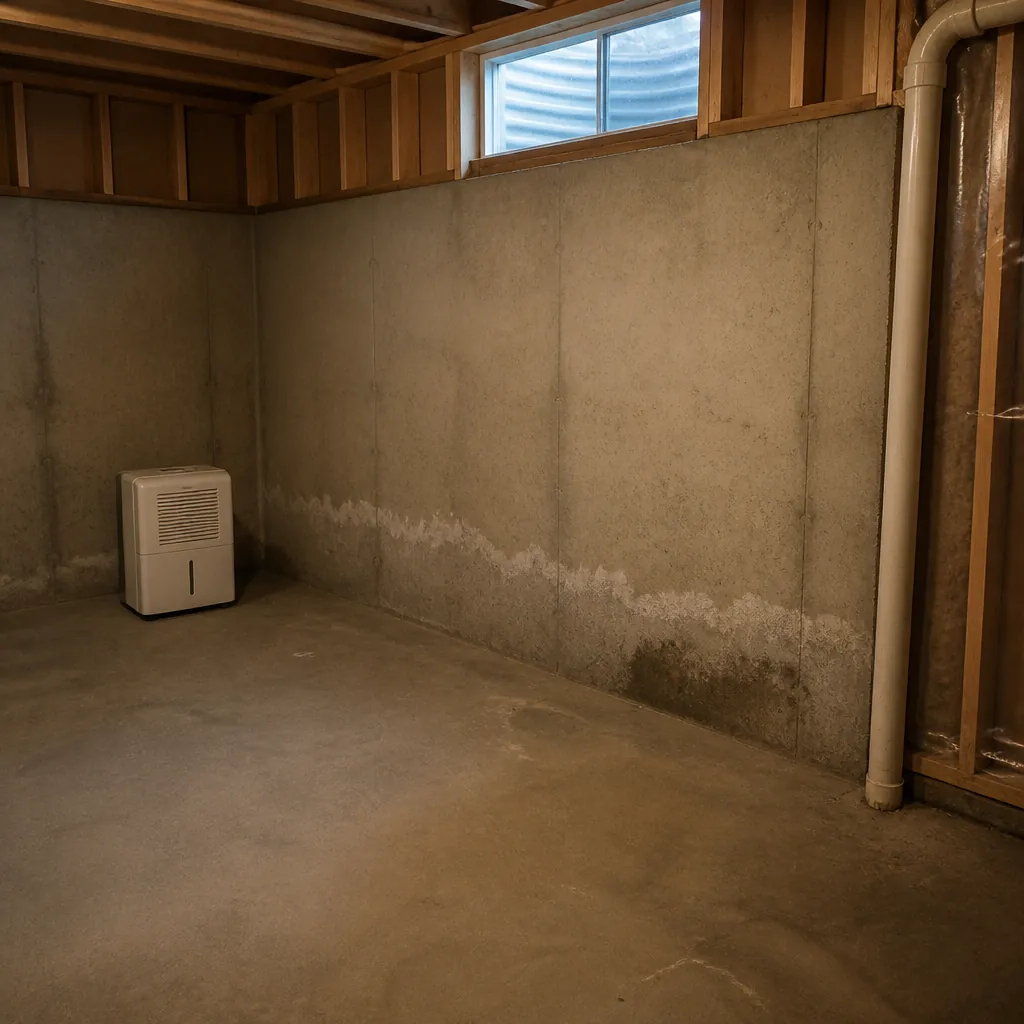
Mold loves hiding spots. Before you list your home, you need to inspect the places where it thrives — because a buyer's inspector absolutely will. Many sellers get blindsided by mold in areas they never thought to check, and that creates a disclosure nightmare if someone else finds it first.
| Location | Warning Signs | Why It's High Risk | Remediation Complexity |
|---|---|---|---|
| Basement / crawl space | Musty odor, efflorescence on walls, visible black or green growth | Ground moisture, poor ventilation, frequent flooding | Moderate to high; may involve vapor barriers and encapsulation |
| Attic | Dark staining on rafters or sheathing, inadequate ventilation evidence | Condensation from poor insulation or ventilation; roof leaks | Moderate; often requires reinsulation and ventilation upgrades |
| Bathroom / behind vanities | Soft drywall, discoloration behind cabinet bases, loose caulk | Persistent humidity; plumbing drips hidden behind cabinetry | Low to moderate; often involves drywall replacement |
| Kitchen / under sink | Warped cabinet floor, staining, odor when cabinet is opened | Slow drain or supply line leaks that go unnoticed | Low; cabinet replacement plus drywall if wall is affected |
| HVAC system / ductwork | Musty odor when system runs, visible growth on vents or coils | Moisture in air handler; spores distributed throughout the house | High; requires duct cleaning, coil treatment, or replacement |
| Windows and baseboards | Black or gray speckling on frames, peeling paint, condensation damage | Condensation on cold surfaces; inadequate weatherstripping | Low to moderate; surface cleaning plus caulk/seal improvements |
Once mold gets into porous materials — drywall, carpet, ceiling tiles, insulation — it doesn't come out. You can't clean your way around it. These materials have to be torn out and replaced. Non-porous stuff like glass, metal, or solid wood with surface growth only? That can usually be cleaned and treated without replacement.
Unsure which category your situation falls into? Hire a qualified mold assessor. It's worth the cost to avoid ripping out more than you need to.
Back to topBlack Mold: What Sellers Need to Know
What Makes Black Mold Different
Grows slowly. That's the key thing about Stachybotrys chartarum — the greenish-black, slimy mold commonly called black mold. Unlike faster-growing species, it typically shows up after serious, prolonged moisture damage: a roof leak that went unfixed for months, flooding that wasn't fully dried out, chronic water problems that festered. The mold feeds on cellulose materials like drywall, wood, and paper when conditions stay wet long enough. You can identify it by its dark color, but here's where it gets tricky — that dark color alone doesn't prove you're dealing with Stachybotrys. Not all black-colored mold is actually black mold. That's why professional testing is the only way to know for sure.
Health Risks and Why Buyers React More Strongly
This mold produces mycotoxins — toxic compounds released as it grows and spreads. For some people, especially those with asthma or other respiratory sensitivities, mycotoxins can trigger respiratory symptoms, fatigue, and other health problems. And that's precisely why buyers, lenders, and appraisers treat confirmed or suspected Stachybotrys so differently than ordinary surface mold. The fear factor is real, and it matters for your sale.
The EPA doesn't establish a "safe" exposure level for any mold species. They recommend treating all significant mold growth as a potential health concern, period — regardless of what type it is. So if a mold assessor identifies or suspects Stachybotrys in your home, you can't just scrub it away yourself. You need professional remediation, full stop. And after the work's done? Get a clearance certificate from an independent industrial hygienist. That document is your proof to financed buyers and their lenders that the problem's genuinely resolved. Without it, your sale stalls.
Back to topStrategies for Pricing Mold-Affected Properties

Comparable Sales Analysis
Comparable sales (comps) are your starting point. But here's what matters: you need comps for homes in similar condition, not the pristine move-in-ready ones down the street. Your market might not have many homes with disclosed mold, and that's okay. Look instead at properties that sold with other known defects — water damage, deferred maintenance, structural issues. Those sales show you exactly how buyers are discounting for risk.
Your real estate agent should run this analysis without hesitation. If they won't or can't? Find someone who has experience with distressed or as-is sales.
Calculating Appropriate Price Reductions
Get two or three professional remediation bids first. That's your baseline. A buyer credit or price reduction needs to cover that full estimated remediation cost, then add 10–20% on top as a risk buffer for surprises that show up during the work. And don't forget compensation for the buyer's time and inconvenience managing the whole process.
Under-price the credit and you'll lose the deal. The buyer will either walk away or renegotiate after inspection, which puts you in a far worse negotiating position than pricing it correctly from day one.
Negotiation Strategies When Mold Is Discovered During Inspection
Mold surfaces during the buyer's inspection instead of through your disclosure? The dynamics shift immediately. The buyer now has leverage, and you're on your heels. Your best move is brutal honesty. Provide any documentation you have. Get remediation estimates in hand fast. Make a concrete counter-proposal instead of letting things drag on.
Buyers sense evasion. When a seller responds with transparency, facts, and a real plan, most will stay in the deal. When a seller stalls or hedges? They cancel.
Real Estate Agent Considerations
Your listing agent can't make material misrepresentations about the property — that's not just ethics, it's the law. Most states hold agents personally liable if they know about mold and fail to disclose it. This means you need an agent who's handled disclosed defects before and knows how to market transparently.
Focus the marketing on the remediation work you've done, the documentation you have, and the real value at the adjusted price. Don't label a mold-remediated home as "recently renovated" without explaining what that actually means. Buyers will find out anyway, and hiding it destroys trust.
For related disclosure situations where agent representation matters, our guides on selling a house with electrical problems and selling a house with HOA problems cover how disclosure obligations interact with other types of property defects.
Back to topPreventing Mold Issues During the Sales Process
Maintaining Proper Ventilation and Humidity
Mold loves vacant homes. Between listing and closing — that 30 to 90+ day window — your house is at serious risk if nobody's living there full-time. The EPA says keep indoor humidity between 30–50%. Once it hits 60%, mold starts colonizing any organic surface it finds. So what do you do? Keep your HVAC running (energy-saver mode is fine), flip on bathroom and kitchen exhaust fans now and then, and double-check that plumbing or roof work actually sealed properly. A dehumidifier in the basement or crawl space costs almost nothing but can save you thousands.
Pre-Sale Inspection Benefits
Get a mold inspection before listing. Even if you've never seen a speck of mold. This move protects you in two ways. First: if mold exists, you catch it yourself instead of having a buyer's inspector weaponize it later. Second: a clean inspection report becomes proof you were diligent, and buyers trust that. The cost runs $303 to $1,075 — pocket change compared to what you gain.
Documentation and Transparency
Collect everything. Inspection reports, remediation invoices, clearance certificates, contractor warranties, emails about water damage — build a file. It protects you legally and shows buyers you're not hiding anything. That organized stack of documents? Buyers see it and think you're trustworthy. They see gaps and they get nervous. And a nervous buyer either walks or demands a discount. You want the first outcome far more than the second.
Back to topCommon Seller Mistakes That Increase Liability
Failing to Disclose Known Issues
Not disclosing mold you know about? That's the single most expensive mistake you can make. Courts treat this as fraudulent concealment — not some innocent slip-up. Even if the buyer's inspector misses the mold at closing, it'll probably surface later. And here's what keeps sellers up at night: the statute of limitations on fraud claims gives buyers years to come after you. The financial and emotional toll of litigation months or years after you've moved on dwarfs any price concession you might've negotiated upfront.
Incomplete or Inaccurate Disclosures
Writing "some moisture issues in the past" when you're actually sitting on a substantial mold infestation? That won't hold up. Vague language that technically mentions a problem but downplays its severity gets treated as an incomplete disclosure. Courts see through it.
Instead, write specific, dated, factual descriptions. Attach supporting documents. Don't make the buyer hunt for the truth.
Attempting DIY Remediation Without Testing
You paint over mold. You rip out drywall without fixing the moisture source. You scrub visible growth but never test for what's hiding inside the walls. Now you've created a mess that's worse than the original problem.
When the buyer's inspector finds mold after you've told them "the issue was taken care of," your legal position crumbles. You look like you were hiding something — because you were. DIY remediation without professional assessment and clearance testing isn't efficient. It's a liability waiting to blow up in your face.
For sellers navigating multiple property defects simultaneously, our guides on selling a house with lead paint and mold disclosure requirements and buyer options provide additional context on how overlapping disclosure obligations work. If the property is in Florida, the Florida-specific lead paint disclosure guide is also relevant, as Florida's disclosure environment is unusually active in both mold and lead-paint litigation.
Back to topConclusion: Transparency Is Your Best Strategy
You can sell a house with mold. It's doable. What matters most is honesty, solid documentation, and knowing exactly what you're doing before you list.
No federal law blocks the sale. But state disclosure laws? They're crystal clear — if you know about mold, you have to tell buyers. The sellers getting dragged into court are the ones who tried to bury the problem or downplay it. The ones who disclosed everything, priced fairly, and gave buyers the real story? They move forward without that nightmare.
Your three options each make sense in different situations. Professional remediation before listing works if you have the time and equity. A price reduction or buyer credit works if you want to move faster. A cash as-is sale works if you need out quickly and don't want to deal with repairs.
Which path is right for you depends on three things: how soon you need to sell, how much equity you have, and how much risk you're willing to take on.
Three professionals will steer you right. Get a qualified real estate attorney licensed in your state. Hire a licensed mold assessor to give you the facts. Work with an experienced listing agent who knows how to handle problem properties. They'll help you pick the right path and actually execute it without leaving yourself exposed.
Back to top
Frequently Asked Questions
Do I've to disclose mold if I had it professionally remediated years ago?
In most states, yes. A material mold problem stays disclosable, even if you fixed it long ago. Texas requires sellers to provide all Certificates of Mold Remediation issued within the five years prior to sale. And even states without a specific lookback window generally treat prior mold events tied to water damage as material history. When you're unsure? Disclose it and attach the remediation paperwork. Buyers worry far less about a resolved problem you documented than one you hid.
Can a buyer get financing if the home has mold?
Severity matters here. Under HUD Handbook 4000.1, FHA appraisers have to flag observable mold. If that mold threatens health and safety, you get a conditional appraisal — meaning repairs happen before closing. VA loans follow the same health-and-safety standards. Minor surface mold on non-porous surfaces might slide through, but anything suggesting a bigger moisture problem won't. Cash buyers? They sidestep lender requirements entirely.
What does a mold clearance certificate actually confirm?
An independent third party issues it. Usually that's a Certified Industrial Hygienist or mold assessor who shows up after remediation finishes. The certificate confirms post-remediation air and surface samples match normal, safe levels for a home where people actually live. It's not a lifetime guarantee against future mold. It simply proves the remediation work succeeded at that moment. This matters: get clearance from someone independent of the remediator. When a company tests its own work, that's a conflict of interest buyers and lenders will spot instantly.
Can I sell my house as-is and avoid all mold-related liability?
No. Courts won't allow it. As-is tells the buyer you won't fix anything — that's legitimate. But it doesn't erase your obligation to disclose what you know about the property's condition. Fraudulently hiding a material defect remains fraud even when you sell as-is. Full disclosure paired with an as-is offer is what protects you legally. Silence does the opposite.
How do I keep mold from getting worse while my house is on the market?
Control humidity and temperature. The EPA recommends keeping indoor humidity between 30–50%. Push it above 60% and mold starts thriving on organic surfaces. Keep your HVAC running in a vacant home. Add a dehumidifier to basements and crawl spaces. Make sure old leak repairs are still holding tight. Run bathroom and kitchen exhaust fans periodically. If nobody's living there, arrange for someone to check it regularly — new moisture damage could appear without warning. And if a buyer's inspector finds fresh mold after you said the place was clean? That's a serious disclosure violation.
Back to topMore in Inspections and disclosures
- Is It Illegal to Sell a House with Termites? Disclosure Requirements
- Selling a House with Termites: Disclosure, Treatment, and Buyer Impact
- Is It Illegal to Sell a House With Mold? Disclosure Laws and Liability
- Selling a House with Roof Damage: Disclosure, Repair, or Price Reduction
- Selling a House with Pests or Termites: Disclosure and Fixes
- Selling a House with Foundation Cracks: Disclosure and Repair Options
See our guide: “How to Sell a House As-Is: What It Means and How It Works” →