

Selling a House with Mold: Disclosure Requirements and Buyer Options
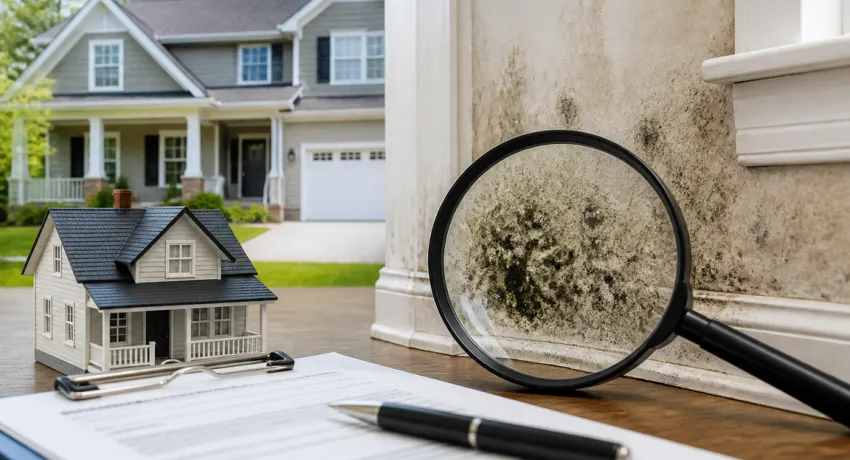
Table of Contents
- Can You Sell a House With Mold?
- Understanding Mold: What It Is and Where It Comes From
- Legal Disclosure Requirements for Selling a House With Mold
- Getting a Mold Inspection and Assessment
- Mold Remediation: Your Options Before Selling
- Selling a House With Mold: As-Is or After Remediation
- Working With Real Estate Professionals
- Preventing Mold During the Closing Process
- Conclusion: Your Path Forward
- Frequently Asked Questions
Finding mold in your home right before you're about to sell? That feels catastrophic. But here's the truth: you can absolutely sell a house with mold. Thousands of homeowners do it every single year. The difference between a smooth sale and a messy one comes down to three things — understanding what you're legally required to disclose, knowing what remediation actually looks like, and picking the right strategy for your specific situation. Whether you're staring at a small moldy patch behind the bathroom sink or dealing with a full basement infestation, we'll walk you through it.
Selling a house that needs work? Start with how selling a house as-is works. It explains what as-is means, how pricing works and every way to sell a house with problems.
Can You Sell a House With Mold?
The Short Answer
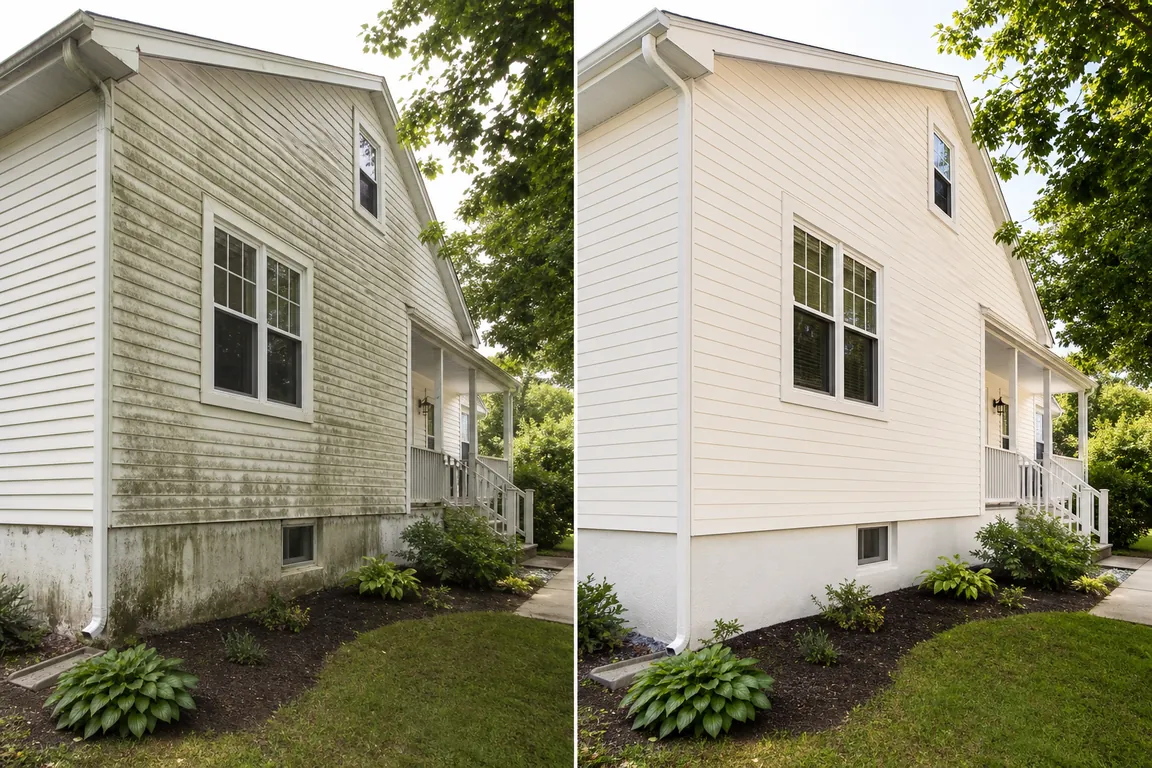
Yes, you can legally sell a house with mold. The U.S. has no law stopping you from selling a home with a mold problem. But here's what matters: most states require honest disclosure of any mold issues you know about to buyers. Your choices—whether to disclose fully, fix it first, or leave it as-is—will shape your final price, who'll actually bid on the place, and what legal trouble might find you after you've already closed.
Why Buyers Are Concerned About Mold
Two things scare buyers about mold: health risks and repair costs. Mold exposure causes allergic reactions, respiratory problems, and headaches. In the worst cases, especially with toxic mold species like Stachybotrys chartarum (black mold), people face serious illness.
Then there's the money side. Buyers worry about how much remediation will cost, whether hidden structural damage is hiding behind the walls, and how a mold disclosure will tank the home's value down the road.
And here's what actually happens in negotiations: buyers willing to touch a moldy home will push hard for either a steep price cut or a credit to handle repairs themselves. Knowing this before you list means you won't be blindsided by lowball offers.
Back to topUnderstanding Mold: What It Is and Where It Comes From

What's Mold?
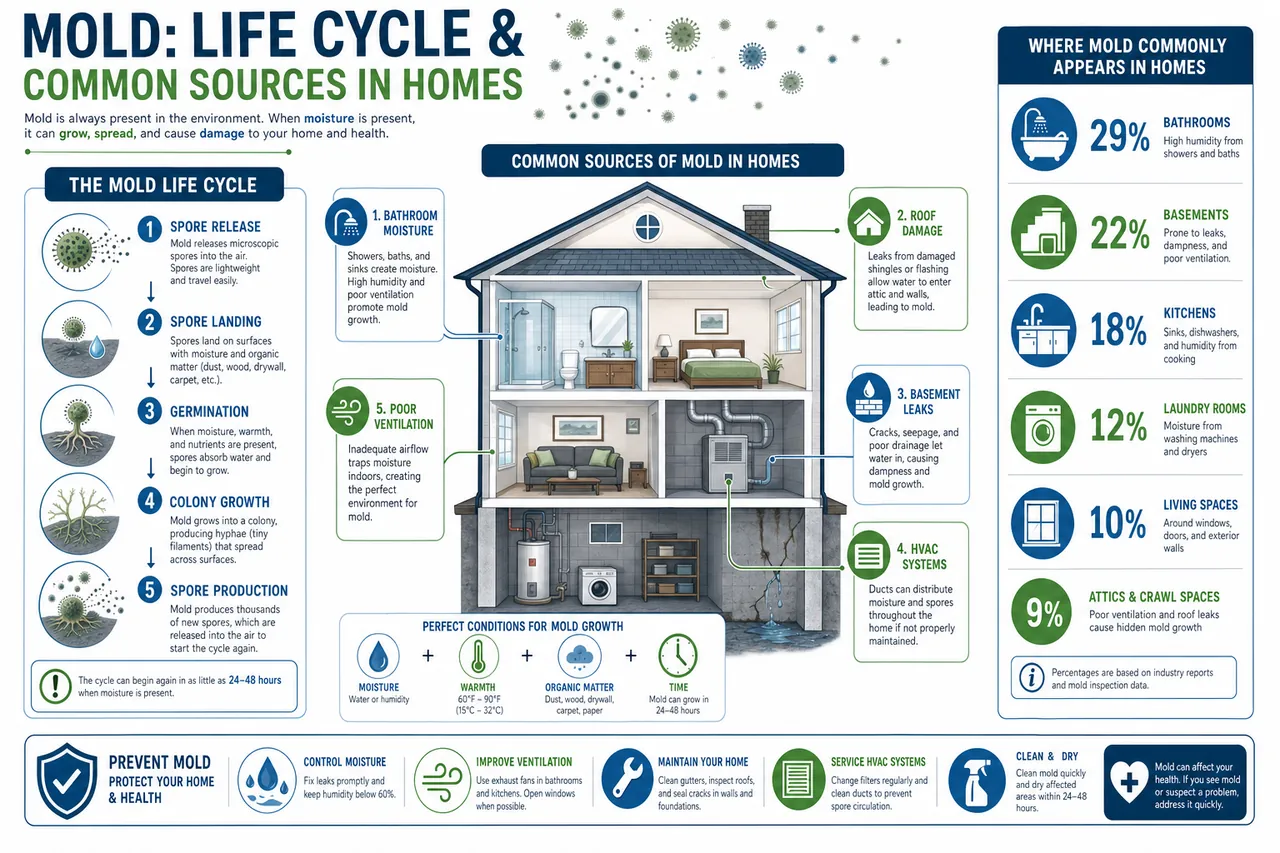
Mold is a fungus. It spreads through microscopic spores and loves three things: moisture, warmth, and something organic to eat. You'll find it outdoors naturally, but indoors? That's when it becomes your problem. When mold colonies grow large enough, they damage your air quality, destroy building materials, and create health hazards for you and your family. Here's the important part: mold isn't a sign your home is dirty. It's a sign you've got a moisture problem — and that can happen in almost any property, whether it's brand new or decades old.
Common Sources of Mold in Homes
Mold shows up wherever moisture collects or water gets inside. Sound familiar? These are the spots you need to check right now:
- Bathrooms and kitchens — steam and humidity build up because ventilation isn't doing its job
- Basements and crawl spaces — ground moisture and flooding create the perfect breeding ground
- Attics — poor ventilation plus roof leaks equal mold city
- Around windows and exterior walls — condensation and air leaks create wet pockets
- Behind walls near plumbing — a slow pipe leak can feed hidden mold for months or even years before you notice
- HVAC systems and ductwork — mold colonizes here and spreads throughout your entire home via air circulation
And if your property's suffered flood damage? Pay close attention. Water intrusion is the leading cause of serious mold problems. We've got detailed guides covering this exact situation: selling a flood-damaged house and selling a flood-damaged house in Florida both explain how water damage and mold intersect.
How to Identify Mold in Your Home
Black, green, gray, or white discolored patches with a fuzzy, powdery, or slimy texture — that's visible mold. But here's what makes it tricky: mold loves hiding. It grows behind drywall, under flooring, and above ceiling tiles where you can't see it. So watch for these warning signs instead:
- A musty, earthy smell that won't go away — especially in enclosed spaces
- Water stains, warped walls, or paint bubbling on your walls and ceilings
- Unexplained allergy symptoms or respiratory problems that only happen indoors
- Peeling wallpaper or soft, spongy spots in your drywall
Legal Disclosure Requirements for Selling a House With Mold
State and Local Mold Disclosure Laws
Here's the thing: there's no federal mold disclosure law. Lead-based paint? That's federally regulated. Mold? Not a chance. Mold disclosure is entirely a state-by-state game, which means what you're required to tell buyers depends entirely on where your house sits. Some states have detailed mold-specific rules. Others lump mold into broader "material defects" that sellers must disclose. And then there are a handful of states with almost no requirements at all. Since there's no single definitive list, your safest bet is calling a local real estate attorney or your state's real estate commission to nail down exactly what applies to you.
What does stay consistent? Nearly every state requires sellers to disclose known material defects — the kind of problems that'd actually change a buyer's mind. Mold qualifies. Whether it's active growth or just a history of past problems, it almost always counts as something you've got to reveal.
What Must Be Disclosed to Buyers
You need to be ready to tell buyers about:
- Any mold you know about right now
- Any mold problems you've dealt with before, even if they're fixed
- Where the moisture came from (roof leak? flooded basement? broken pipe?)
- Professional inspection reports or remediation records you have
- Any insurance claims you filed related to mold
Texas takes this seriously. Sellers there must hand over Certificates of Mold Remediation for any work done in the last five years. It's one of the strictest rules in the country — which is exactly why you need to know what your state actually requires.
How to Handle Mold Disclosure Effectively
Document everything. That's the real key here. Don't give buyers vague statements or half-answers. Give them inspection reports, remediation contracts, clearance test results, warranties from the remediation company — the whole package. Sellers who are upfront and provide solid documentation usually negotiate better outcomes than those who bury the issue.
And honestly? If the mold situation is serious, you've had insurance claims, or you're just not sure what your state requires, hire a real estate attorney to walk you through disclosure. It's worth it.
Legal Consequences of Non-Disclosure
Don't hide mold. Seriously. Buyers who discover undisclosed mold after they own the house can sue you for fraud, misrepresentation, or breach of contract — and they can win big. In California, buyers have up to two years after discovering mold to file a lawsuit. Beyond the money you might owe, you're looking at litigation that drains your time, your energy, and your reputation. Being transparent isn't just the right thing — it's the smart thing.
Back to topGetting a Mold Inspection and Assessment

When to Get a Professional Mold Inspection
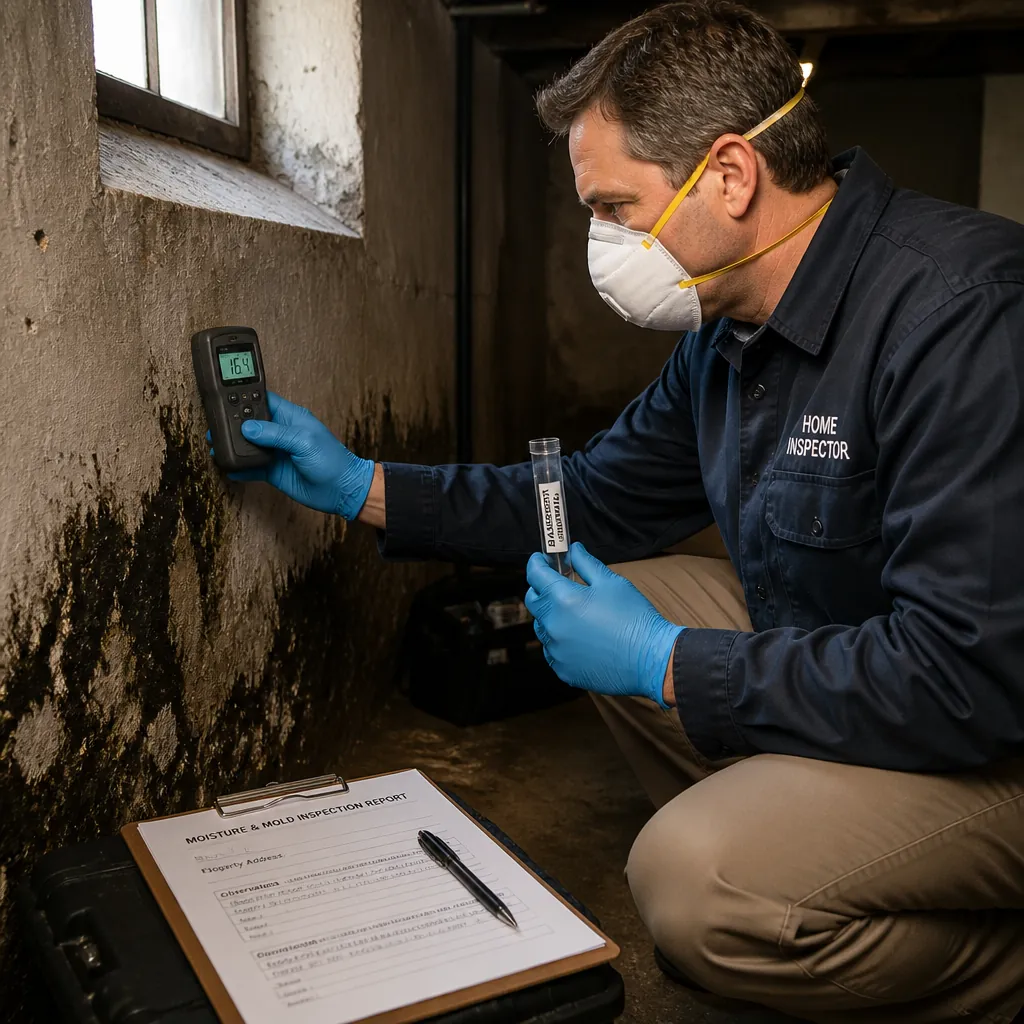
Smells like mold? See dark spots on drywall or ceiling? Had water damage before? Get a professional inspection before you list. You'll know exactly what you're dealing with — and that matters for disclosures and remediation decisions. Here's the thing: problems discovered during a buyer's inspection always cost you more in negotiations than problems you've already documented and fixed yourself.
Difference Between a Mold Inspection and a Home Inspection
A standard home inspector looks at your roof, foundation, plumbing, electrical systems. They're generalists. They won't do lab testing for mold types or measure air quality. Mold specialists are different. They use moisture meters, thermal imaging cameras, and collect samples that get sent to a lab. That's how they find the hidden problem areas you can't see.
What's it going to cost you? A professional mold inspection runs about $670 on average as of 2026, with most homeowners paying between $300 and $700. The full range is wider: $165 to $2,967, depending on your home size and testing approach (that's from over 343,000 HomeAdvisor quotes in 2025). And if you need lab confirmation of mold species — especially important if insurance or legal issues are involved — add another $150 to $400 for air sampling.
DIY vs. Professional Assessment
Can you spot obvious surface mold in your basement and handle it yourself? Sure, maybe. But the moment you're selling your house? Professional documentation is worth the investment. A certified inspector's written report stands up legally. Your own observations won't. You're also protecting yourself for the future — if a buyer claims they found mold after closing, you've got a dated professional assessment proving what was and wasn't there when they inspected.
Back to topMold Remediation: Your Options Before Selling
Should You Remediate Before Selling?
Here's the reality: remediating mold before you list usually makes better financial sense if you're dealing with a large infestation. But it's not always the right call. The answer depends on how bad the mold is, how quickly you need to sell, what you can actually afford to spend, and who your potential buyers are. We'll walk you through the as-is selling option next — but let's start with what professional remediation actually involves.
Cost of Professional Mold Remediation
Professional mold remediation runs about $2,300–$2,400 on average for a typical residential job. Most homeowners end up paying somewhere between $1,200 and $3,750. If you're calculating it per square foot, plan on $10–$25 for each affected square foot. Severe infestations that spread through your whole house? That's $10,000–$30,000 or higher. And mold in your HVAC system is its own nightmare — you're looking at $3,000–$10,000 per system.
Once the work's done, get an independent post-remediation clearance test. You need this. It confirms the mold is actually gone and gives buyers real peace of mind. Testing by an independent inspector costs $300–$700, and it's worth every penny for your disclosure and credibility.
DIY Mold Cleanup Guidelines
The EPA says you can tackle mold yourself if it covers 10 square feet or less. Use proper safety gear and EPA-approved methods. But here's the catch: this only works on hard, non-porous surfaces like tile. Porous materials — drywall, insulation, carpet — need to come out and get replaced entirely, not just cleaned. Anything bigger than 10 square feet, or any mold hiding in your HVAC system, requires a professional.
Here's what matters for selling: Even if you do the cleanup yourself, photograph everything before and after. Write down what you found and exactly what you did. This documentation proves you were thorough and protects you legally when you disclose.
Choosing a Certified Mold Remediation Company
When you're hiring someone, check for credentials from the Institute of Inspection, Cleaning and Restoration Certification (IICRC) or the American Council for Accredited Certification (ACAC). These matter. Get a detailed written scope of work, ask for references from recent projects, and find out what warranties they stand behind. Some companies offer post-remediation warranties you can actually transfer to your buyer — that's a real selling advantage.
Insurance Coverage for Mold Remediation
Your standard homeowners insurance (HO-3) doesn't cover mold the way you'd hope. Instead, you get a sub-limit. Most HO-3 policies cap mold coverage at $1,000–$10,000 per occurrence. Want more protection? You can add an optional mold endorsement. These typically bump your coverage up to $25,000–$50,000. But here's the catch: coverage only applies if the mold came from a "covered peril" — like a pipe that suddenly burst. Slow moisture leaks or neglect? Those don't count and won't be covered. Read your policy word-for-word, then call your insurer before you assume they're paying for remediation.
Back to topSelling a House With Mold: As-Is or After Remediation
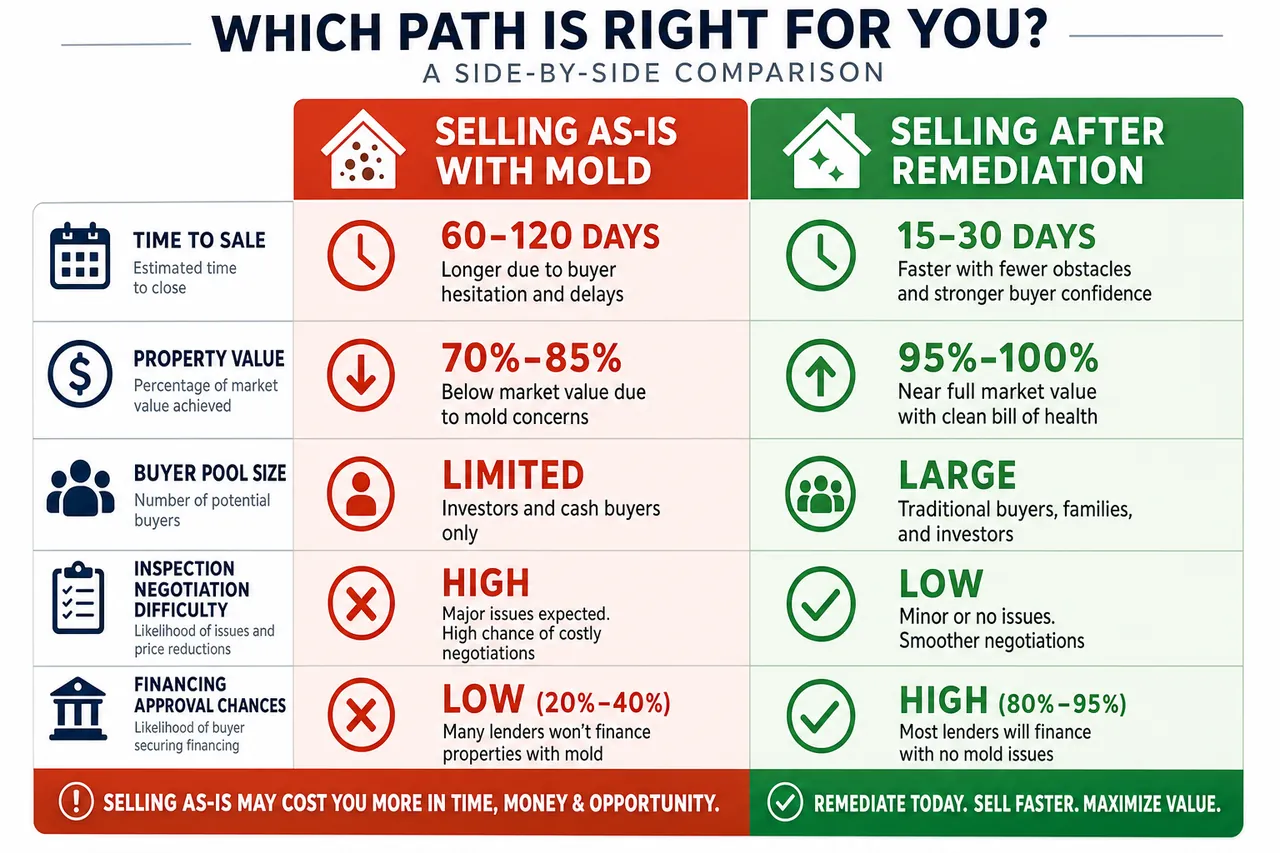
Selling As-Is With Mold Damage
You list the property exactly as it is. You disclose the mold. And you let buyers factor it into their offers. You're not required to fix it — but you absolutely have to tell the truth about it. Most as-is mold sales go to cash buyers: real estate investors, house-flipping companies, and direct home buyers like KDS Homebuyers. They buy properties in any condition because they've got the contractor relationships and expertise to handle remediation themselves. Their offers reflect that reality.
The downside? You'll get less money. But if you don't have the cash to remediate, need to close fast, or want to skip managing a remediation project entirely, selling as-is might be your smartest move.
Financing Challenges: Why Cash Buyers Matter
Here's the real barrier most people don't expect: conventional lenders won't touch it. FHA loans, VA loans, standard mortgages — they all get held up by the same problem. Appraisers are required to flag health and safety issues, and active mold is a dealbreaker. A failed appraisal or conditional approval demanding remediation before closing means your traditional buyer pool just vanished.
Cash buyers don't answer to lenders or appraisers. That's why they're often your most realistic option for selling a home with significant unresolved mold. And here's my advice: get multiple cash offers. Don't settle for the first one.
Impact on Home Value and Sale Price
What you lose depends on how bad the mold is and what you do about it. Appraisal Journal research from 2025 breaks down the numbers:
| Mold Severity / Scenario | Estimated Sale Price Reduction |
|---|---|
| Minor mold issues (disclosed, unresolved) | 3–10% reduction |
| Moderate mold problems (disclosed, unresolved) | 10–25% reduction |
| Severe mold infestation (unresolved) | 25–50% reduction, or property may be unmarketable |
| Post-remediation with documentation | 0–15% reduction |
Here's the thing that actually matters: professional remediation with proper paperwork can cut that discount in half. Spend $2,000–$4,000 on remediation and you drop the buyer's discount from 15% to 5% on a $300,000 home? That's $30,000 back in your pocket. The math doesn't always work this perfectly, but it often does for moderate infestations.
And mold isn't alone in crushing your home's value. Similar problems show up with structural damage and hazardous materials like asbestos — the disclosure rules and buyer strategies are practically the same.
Back to topWorking With Real Estate Professionals

How a Real Estate Agent Can Help
You need someone who knows the local market inside and out. An experienced real estate agent can be your biggest asset when you're selling a home with mold damage. They'll know how to price it fairly given the disclosure requirement, which buyers to target (think investors and cash buyers who specialize in distressed properties), and how to negotiate repair credits or price adjustments so you actually come out ahead.
But here's the thing: not every agent has handled homes with mold issues before. Ask them directly about their experience. Have they sold other properties that required material defect disclosure? What's their track record with distressed homes?
Legal Guidance for Mold Disclosure
Mold disclosure isn't just a formality. Get the law wrong, and you could face serious liability after closing. That's why consulting a real estate attorney makes real sense, especially if you're dealing with significant mold or living in a state with strict statutory requirements.
An attorney will review your disclosure documents to make sure you've actually met your state's rules. They'll also help you document any remediation work you've done in a way that protects you legally post-closing.
Negotiating With Buyers Over Mold Issues
Once a buyer's inspector finds mold—or when you disclose it upfront—you'll typically face three paths forward. A price reduction. A seller-funded remediation credit at closing. Or a commitment to fix it before the sale closes.
Each one has tradeoffs worth considering. You want a price reduction because it's straightforward and done? The buyer might think you're overcharging them for the damage. Prefer to hand them a credit so they pick their own contractor? Some buyers love that control, but others worry about quality. Want to handle remediation yourself before closing? You get full control over the work and documentation—but you're paying for it upfront and your timeline gets longer.
Work with your agent and attorney to figure out which approach actually makes sense for your situation.
Back to topPreventing Mold During the Closing Process
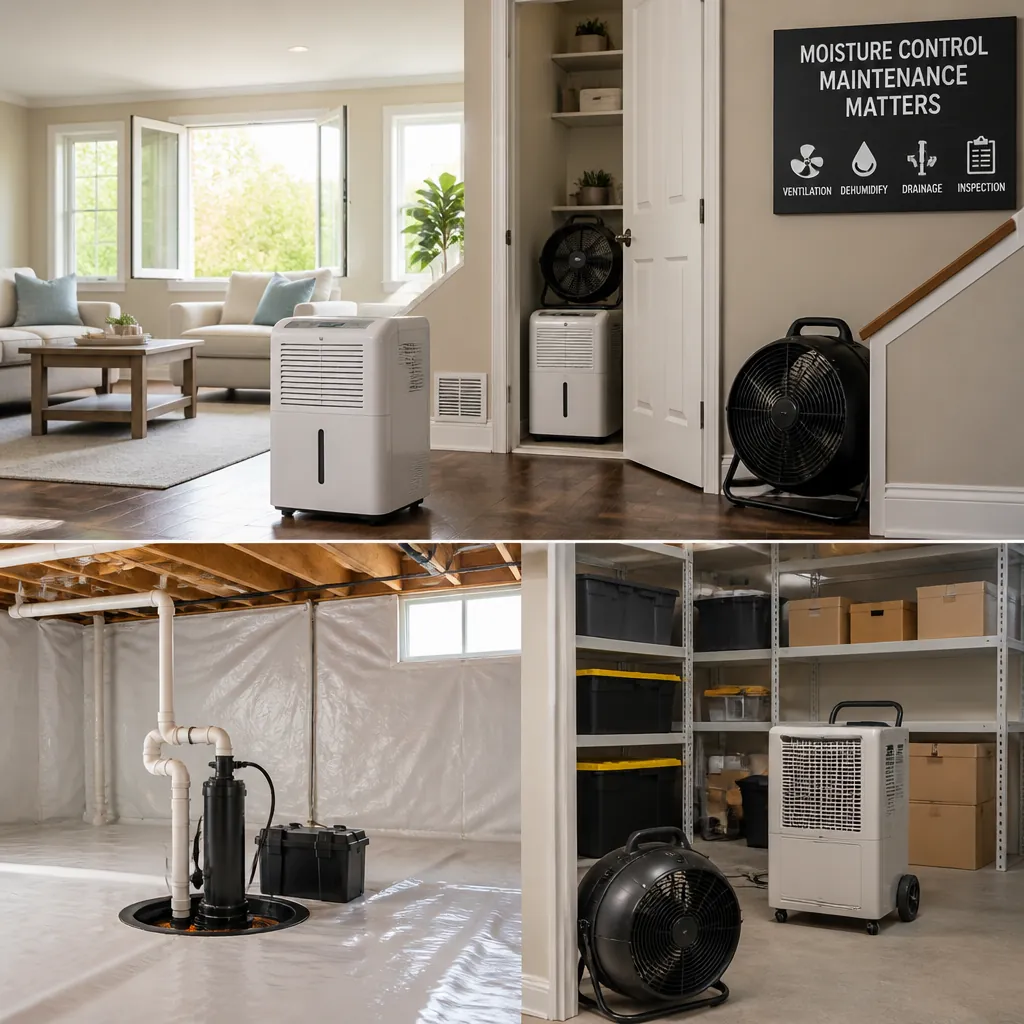
Maintaining the Home Before Closing
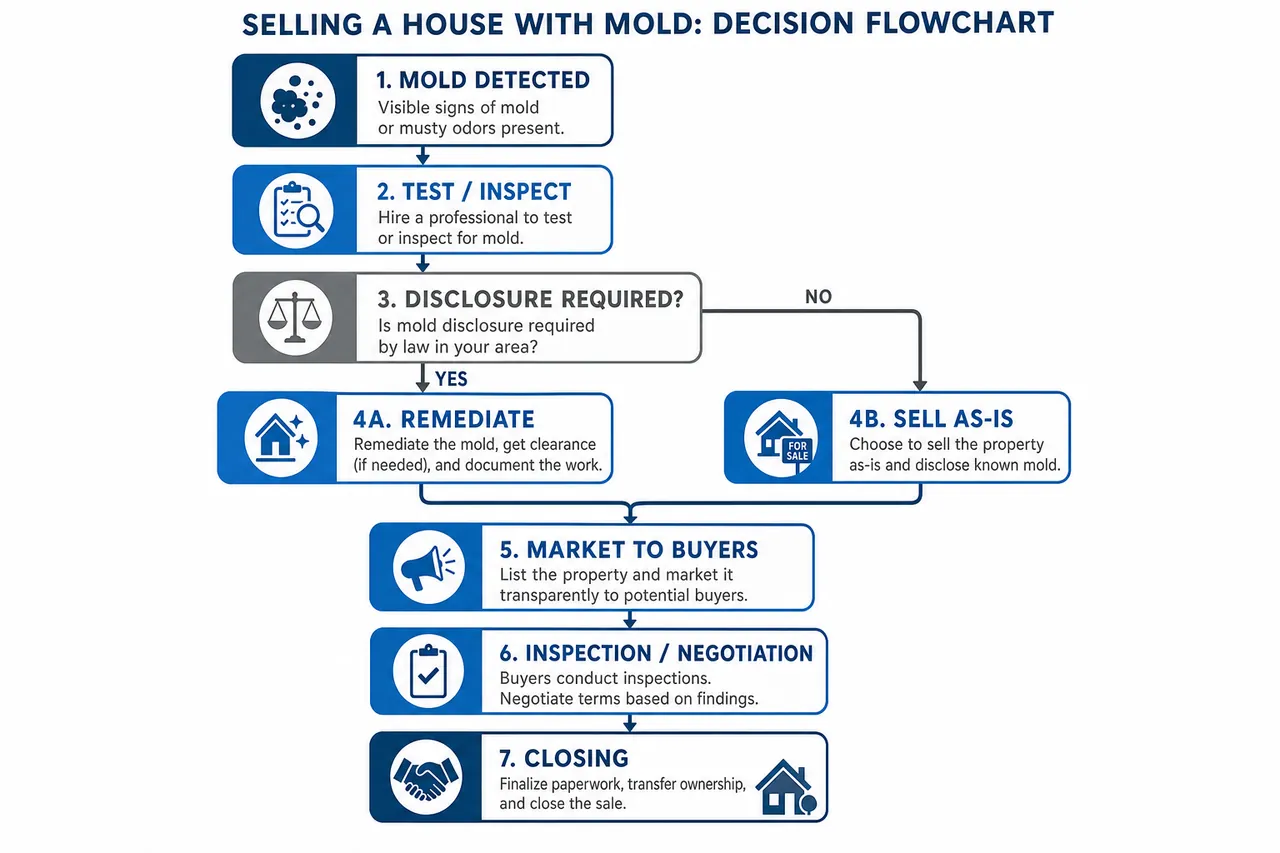
Signing a contract doesn't mean you're done with the mold issue. You're responsible for keeping the property in the same condition the buyer agreed to. That means running dehumidifiers in affected areas, controlling moisture, and fixing any active leaks or ventilation problems right away. And here's the thing — if mold spreads between contract signing and closing, you've just handed the buyer a reason to renegotiate or walk away entirely. Don't let that happen.
Proper Ventilation and Moisture Control
It all comes down to moisture. Stop mold before it starts by making sure bathroom and kitchen exhaust fans actually work, that affected areas get proper airflow, and that you're tackling the root causes — roof leaks, basement seepage, plumbing drips. Even selling as-is, preventing things from getting worse protects your disclosure and your credibility with the buyer.
Documentation for the Buyer
Before closing, hand over everything you've got related to the mold. Here's what needs to be in that package:
- Professional mold inspection report(s) with dates and findings
- Remediation company contract and scope of work
- Post-remediation clearance test results
- Any warranties or guarantees from the remediation company
- Records of any insurance claims related to mold or water damage
- Documentation of repairs made to the moisture source (roof, plumbing, drainage, etc.)
A complete disclosure package does more than protect you legally. It gives the buyer confidence. When buyers feel fully informed, they're far less likely to develop cold feet or demand last-minute concessions right before closing.
Water intrusion or flooding is often the culprit behind mold. If that's your situation, check out our state-specific guides for selling a flood-damaged house in California, Colorado, Washington, and Tennessee. They'll show you how water damage disclosure rules connect to your mold obligations.
Back to topConclusion: Your Path Forward
Selling a house with mold damage is tough. But it's absolutely manageable if you know what you're doing. The basics boil down to four things: tell buyers the truth, document everything, figure out which remediation option makes sense for your wallet and timeline, and pick a selling method that actually works for your situation. You've got real choices here. Remediate and list traditionally. Negotiate a repair credit with a financed buyer. Or sell as-is to a cash buyer. Each path leads to closing — and knowing all three keeps the power in your hands.
Most mold deals go sideways for one reason: somebody hid something or didn't keep records. Don't be that person. Stay transparent. Get qualified people in your corner — inspectors, remediation specialists, real estate agents, and attorneys who know what they're doing. That's how you move through this with confidence and actually sleep at night.
Back to topFrequently Asked Questions
Do I have to disclose mold if it was already remediated before I listed the home?
In most states, yes. Even if a professional contractor fixed it years ago, you're still required to tell buyers it happened. Disclosure obligations cover the history — not just active mold sitting in your walls right now. Texas requires sellers to provide Certificates of Mold Remediation for any work done in the past five years. Here's the thing: buyers almost always respond better to a fully disclosed, professionally remediated problem backed by clearance test results than to discovering an undisclosed history later on.
Will homeowners insurance pay for mold remediation?
Maybe. But don't count on it. Standard HO-3 homeowners insurance policies typically cap mold coverage at $1,000–$10,000 per occurrence as of 2026 — and that's only if the mold came from a covered event like a sudden pipe burst. Gradual moisture problems, flooding from outside, and anything tied to poor maintenance? Those are almost always excluded. You can buy optional mold endorsements to bump coverage up to $25,000–$50,000, but you need them in place before something goes wrong. Call your insurer before you assume anything's covered.
How long does mold remediation take, and will it delay my closing?
It depends on how bad things are. Small surface mold in one room? One to three days, usually. Moderate cases where contractors have to contain the area, remove damaged materials, treat everything, and run tests afterward typically run one to two weeks. Severe infestations affecting the whole house can stretch several weeks. And then you're waiting another one to two weeks for independent clearance testing results to come back. If you're already under contract and remediation is part of the deal, have an honest conversation with your buyer about the timeline and build enough contingency buffer into your contract to account for it.
Can a buyer's lender refuse to fund the loan because of mold?
Absolutely. Conventional, FHA, and VA lenders will walk away from loans on homes with active mold — they catch it during the appraisal. FHA and VA loans have strict property condition requirements, and mold counts as a health and safety issue that gets extra attention. If your buyer is financing the purchase, unresolved mold is a serious threat to closing. Active mold discovered at appraisal kills deals. This is why cash buyers are often your most realistic path forward when you're dealing with significant mold problems.
Is black mold (Stachybotrys) treated differently in real estate transactions?
Black mold spooks people. It's got a reputation for serious health effects, and that reputation matters — buyers and lenders react with more anxiety to black mold than to other types, and they'll ask for steeper discounts. Legally, you must disclose it just like any other mold. But here's where it gets different: confirmed black mold almost always demands professional remediation, not a DIY fix. Buyers, lenders, and appraisers tend to scrutinize it harder. If you suspect black mold, get professional testing to confirm the species, hire a certified remediation contractor, and document everything with clearance testing results.
Back to topMore in Inspections and disclosures
- Selling a House with Termites: Disclosure, Treatment, and Buyer Impact
- Is It Illegal to Sell a House With Mold? Disclosure Laws and Liability
- Selling a House with Roof Damage: Disclosure, Repair, or Price Reduction
- Selling a House with Pests or Termites: Disclosure and Fixes
- Selling a House with Foundation Cracks: Disclosure and Repair Options
- Selling a House With Structural Damage: Disclosure and Buyer Options
See our guide: “How to Sell a House As-Is: What It Means and How It Works” →

