

Appraisal Definition: How Your Home Value Is Determined
Table of Contents
A home appraisal is a licensed professional's written estimate of a property's fair market value, the price a willing buyer and willing seller would agree on without pressure. The appraiser inspects the home, analyzes recent comparable sales nearby, and applies standard valuation methods. Lenders require one for most mortgages and refinances, and appraisals are also used in situations like divorce and estate settlement.
Wondering what selling will cost? Start with every closing cost a seller pays, and how to cut them. It breaks down every seller cost at closing, the surprises, and ways to pay less.
You've probably been through it — buying a home, refinancing, or dealing with an estate. And someone asked for a home appraisal. But here's the thing: most homeowners don't really understand what happens during one or why that number the appraiser comes back with matters so much. It can literally make or break your deal.
So what's actually going on when an appraiser shows up? This guide walks you through it. You'll learn the appraisal definition and how your home value gets determined, what appraisers are really looking for, how to read that report, and what your options are if the number comes in too low.

What's a Home Appraisal? Definition and Overview
Professional Definition of Home Appraisal
A home appraisal is what a licensed professional determines your property is actually worth. They visit your home, dig into local sales data, apply standard valuation methods, and hand you a written report. That report answers the biggest question you probably have: what's this property worth right now?
The magic words are fair market value. That's the price where both a willing buyer and a willing seller would shake hands—nobody's being pushed or rushed. It's not what you paid for it. It's not what you're hoping to sell for. And it's definitely not what your county says it's worth for taxes. It's an objective, fact-based estimate built on real recent sales in your area.
Appraisal vs. Home Evaluation vs. Assessment
People throw these terms around like they mean the same thing. But they don't—and that confusion can cost you real money. Here's how to tell them apart:
| Characteristic | Home Appraisal | Home Evaluation (AVM/CMA) | Property Tax Assessment |
|---|---|---|---|
| Who Performs It | State-licensed or certified appraiser | Real estate agent (CMA) or algorithm (AVM) | County or municipal assessor |
| Cost | Typically $314–$425 for conventional loans; $400–$900 for FHA/VA | Free to low-cost | Covered by property taxes; no direct cost |
| Accuracy / Formality | Highest — follows USPAP standards | Moderate — useful estimate, not legally binding | Varies — may lag current market by years |
| Primary Purpose | Lender protection; transaction support | Listing price guidance; buyer research | Calculating property tax liability |
| Legally Recognized? | Yes — required for most mortgage transactions | No | Yes — for tax purposes only |
| Time to Complete | Inspection same day; report within 1–2 weeks | Hours to a few days | Periodic; varies by jurisdiction |
You've probably seen Zillow's Zestimate or similar online estimates. Those are AVMs—automated valuation models. They're fine for a ballpark number. But they never set foot in your home. They can't see that new roof you just put on or the kitchen renovation. And here's the thing: lenders won't accept them. Want to dig deeper into what your home is actually worth? Check out our guide on what's My Home Worth? How to Determine Your Home's Value.
Why Appraisals Matter in Real Estate
Lenders don't care what you and the buyer agreed on. They care about one thing: what can they actually sell this house for if you stop paying? That's where the appraisal comes in. It protects their investment. And it protects you and the buyer too. The appraisal acts like a referee—it either confirms the price makes sense or it says "hold up, something's off here and we need to talk about this number again."
Back to topHow Home Values Are Determined: The Appraisal Process
Step-by-Step Appraisal Process Timeline
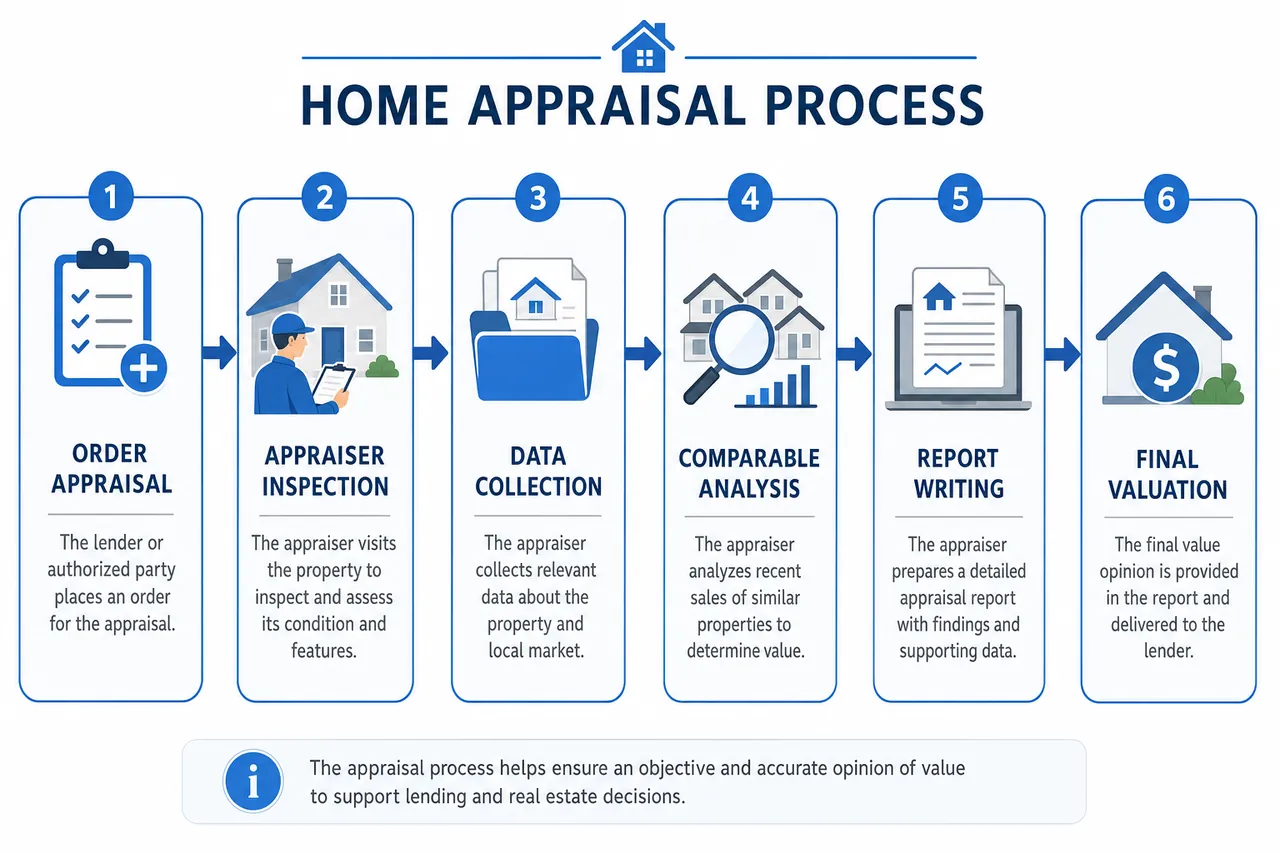
Want to know what happens between the moment your lender orders an appraisal and when you finally see the report? Here's the real timeline:
- Order placed (Day 0): Your lender — not you — contacts an Appraisal Management Company (AMC) or calls an approved appraiser directly to order the appraisal.
- Scheduling (Days 1–3): The appraiser reaches out to the listing agent or you to set up a time to visit. Most delays happen right here.
- Physical inspection (Days 3–7): The appraiser shows up and walks through the property. Expect 30 minutes for a small condo or up to two hours if you've got a sprawling estate.
- Comparable research and analysis (Days 7–10): The appraiser digs into comparable sales data, makes adjustments, and writes up the report.
- Report delivery (Days 10–14): The lender gets the completed appraisal. By law, they've got to give you a copy at least three business days before closing.
Historic homes, large rural parcels, or unusual construction? Budget two to three weeks instead. If someone's pushing you to rush this process, that's a warning sign. A solid appraisal can't be hurried.
What Appraisers Look For During Inspection
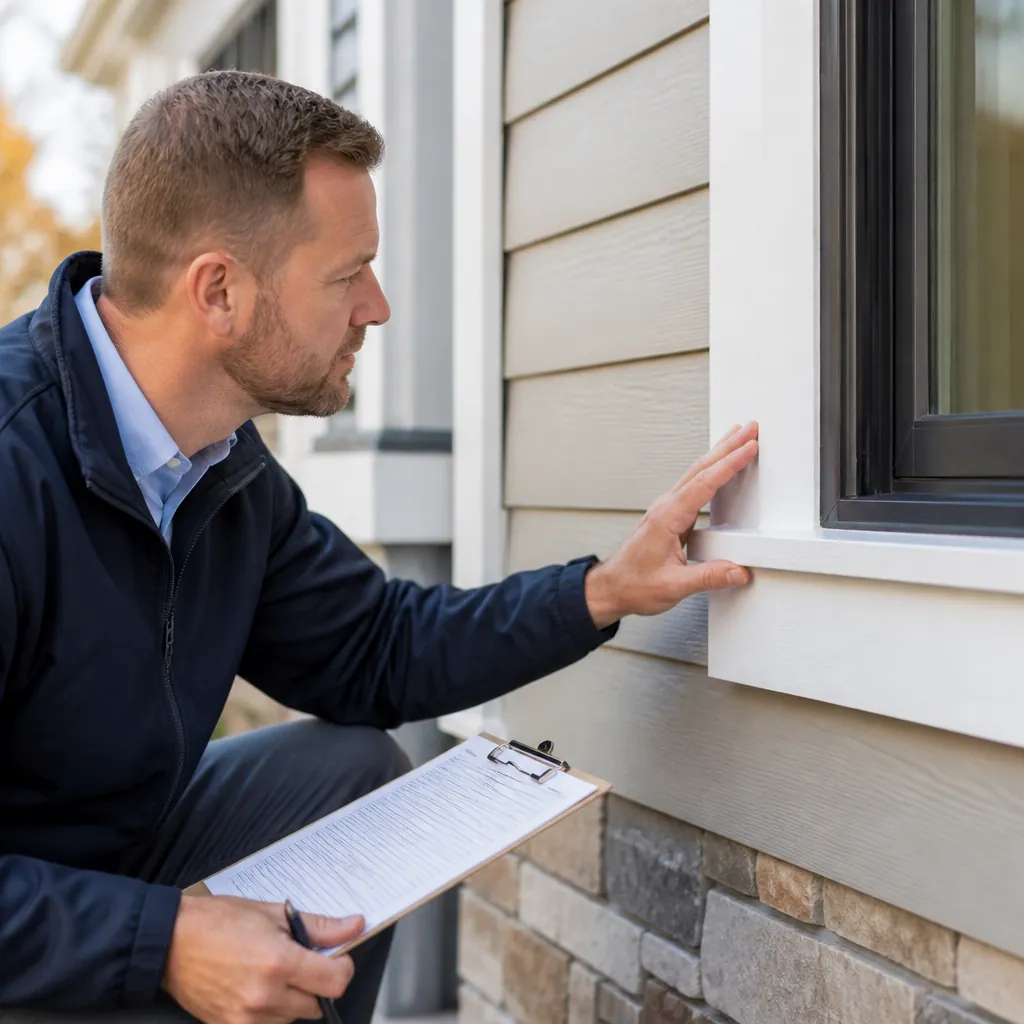
The appraiser's job is to observe and document everything. They won't diagnose foundation cracks or electrical problems — that's what a home inspector does. But they will systematically evaluate:
- Exterior: Foundation, roof condition, siding, windows, landscaping, driveway, outbuildings, and curb appeal
- Interior: Square footage, room count, ceiling height, flooring, kitchen and bathroom finishes, storage, natural light
- Mechanical systems: HVAC, plumbing, electrical — they check that everything works, though they won't dig deep into testing
- Condition rating: Your home gets a standardized condition score (C1–C6 for condition; Q1–Q6 for quality)
- Health and safety items: If it's an FHA appraisal, stricter rules apply — your roof must have at least 2 years of remaining useful life under HUD Handbook 4000.1
And here's the thing: curb appeal matters just as much in an appraisal as it does to a buyer. Peeling paint, broken light fixtures, and overgrown bushes can lower your condition rating and hurt your value. For a full breakdown of what to tackle before the appraiser arrives, check out our guide on How to Prepare Your House for an Appraisal: Tips to Boost Your Home's Value.
Comparable Sales Analysis (Comps)
This is the backbone of your appraisal. The appraiser finds three to five recently sold homes that are nearly identical to yours. Then they adjust the sale price of each comparable up or down based on differences.
Say a comparable home sold for $380,000 but has a two-car garage while yours only has one. The appraiser might subtract $8,000–$15,000 from that sale price to account for the difference. Every adjustment — plus or minus — gets applied across all the comps to calculate your home's estimated value.
The best comps are recent sales (last 90 days ideally), in your neighborhood or subdivision, and similar in size and condition — typically within 20% of your home's square footage. But if you live in a rural area or a slow market, the appraiser might reach back six months or a year to find enough comps. More distance in time means more uncertainty in the number.
Property Characteristics Evaluated
Appraisers weigh dozens of factors beyond just "condition." Here are the big ones:
- Gross living area (GLA): Only finished square footage above ground counts. Finished basements are valued separately.
- Lot size and topography: Bigger lots usually mean higher value, but steep slopes or flood zones bring it down.
- Bedroom and bathroom count
- Garage: Is it attached or detached? How many cars? What shape is it in?
- Age and effective age: A 1970s home that's been fully renovated may appraise like a much newer home
- Amenities: Pools, decks, finished basements, solar panels all add value
- Location within the neighborhood: Corner lots, properties backing to busy roads, and distance to schools or stores all shift the needle
Three Principal Valuation Approaches
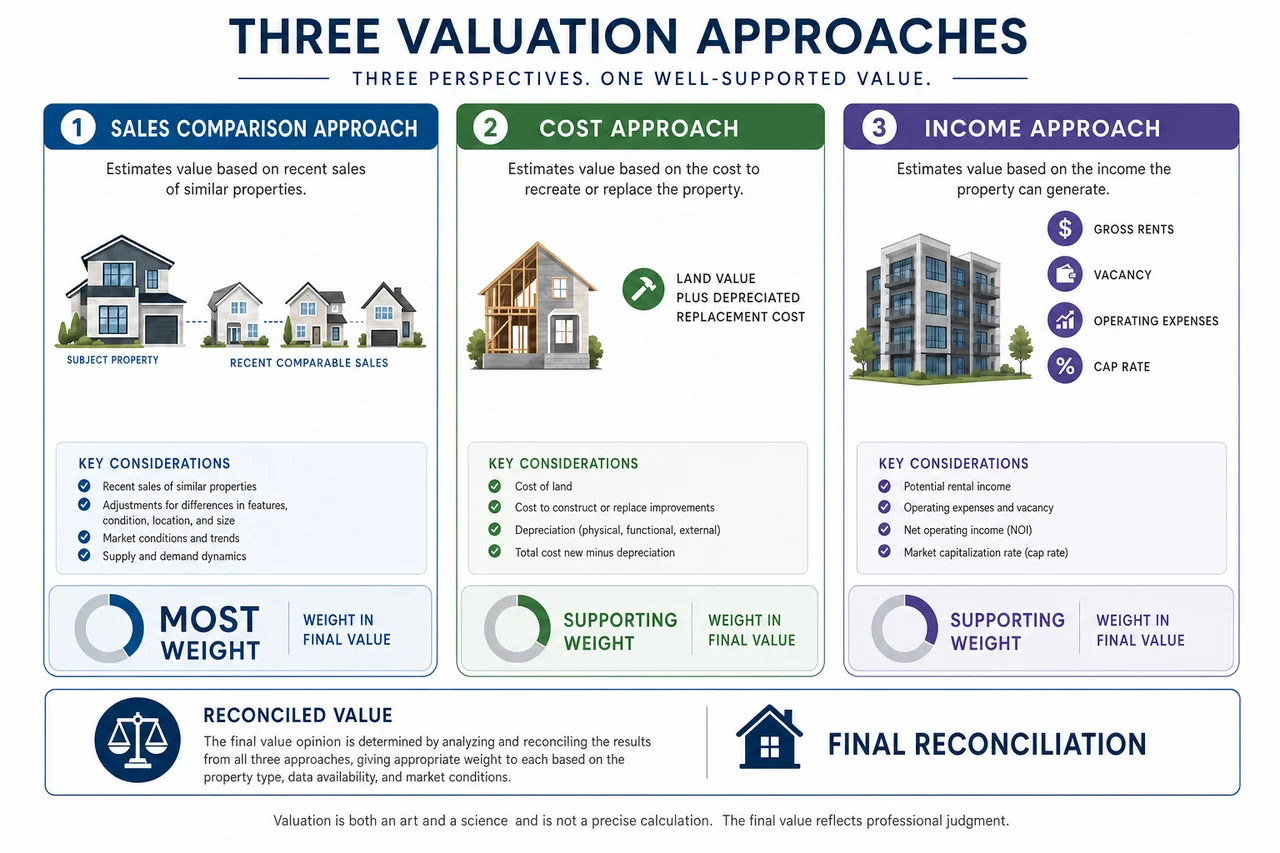
Appraisers trained in three recognized approaches to value your home. Most residential transactions rely on at least two of them. Want to actually understand your appraisal report? Here's what matters: the sales comparison approach carries the most weight in typical deals, but knowing all three gives you real clarity on how that number got determined.

| Approach | How It Works | Best For | Key Data Needed |
|---|---|---|---|
| Sales Comparison | Adjusts recent sale prices of similar nearby properties to estimate subject property value | Single-family homes in active markets | Recent comparable sales, adjustment grids |
| Cost Approach | Estimates land value plus depreciated replacement cost of improvements | New construction, unique or specialty properties | Land value, construction cost estimates, depreciation |
| Income Approach | Capitalizes net operating income from rent to derive property value | Investment properties, multi-family rentals | Gross rents, vacancy rates, operating expenses, cap rates |
Sales Comparison Approach
This is the workhorse. The logic's straightforward: a willing buyer who knows what you know would pay no more for your home than for a comparable one down the street. By anchoring to actual closed transactions, the sales comparison approach reflects what the market has genuinely proven it will pay.
But there's a catch. Comps have to exist. Rural areas, unusual lots, or architecturally distinctive homes make this approach harder. Appraisers then lean more heavily on the other two methods or make bigger, more subjective adjustments. That's where your margin of error grows.
Cost Approach
What would you pay for this land plus the cost to build this structure from scratch today, minus depreciation? That's the cost approach. It's most reliable for newer properties where depreciation is minimal and construction costs are well-documented.
Older homes are trickier. Estimating depreciation accurately is an art as much as a science. You've got physical deterioration to factor in. Functional obsolescence too—think a home with only one bathroom in a three-bedroom house. And external obsolescence, like a factory being built next door. All of it matters.
This approach often serves as a reality check on sales comparison value, especially when you're dealing with unique properties and true comps just don't exist.
Income Approach
Investment properties need the income approach. A rental property's worth is essentially the present value of its future income stream. The appraiser estimates gross rental income, deducts vacancy and operating expenses to get net operating income (NOI), then divides by a market-derived capitalization rate.
Are you a rental owner weighing whether to keep it or sell? Understanding income-approach valuations is critical. You need this context when you're deciding between something like doing a 1031 exchange or cashing out. And state-specific dynamics matter—California investors face different tax and market realities than those in Florida or Washington.
Back to topWhen Do You Need a Home Appraisal?
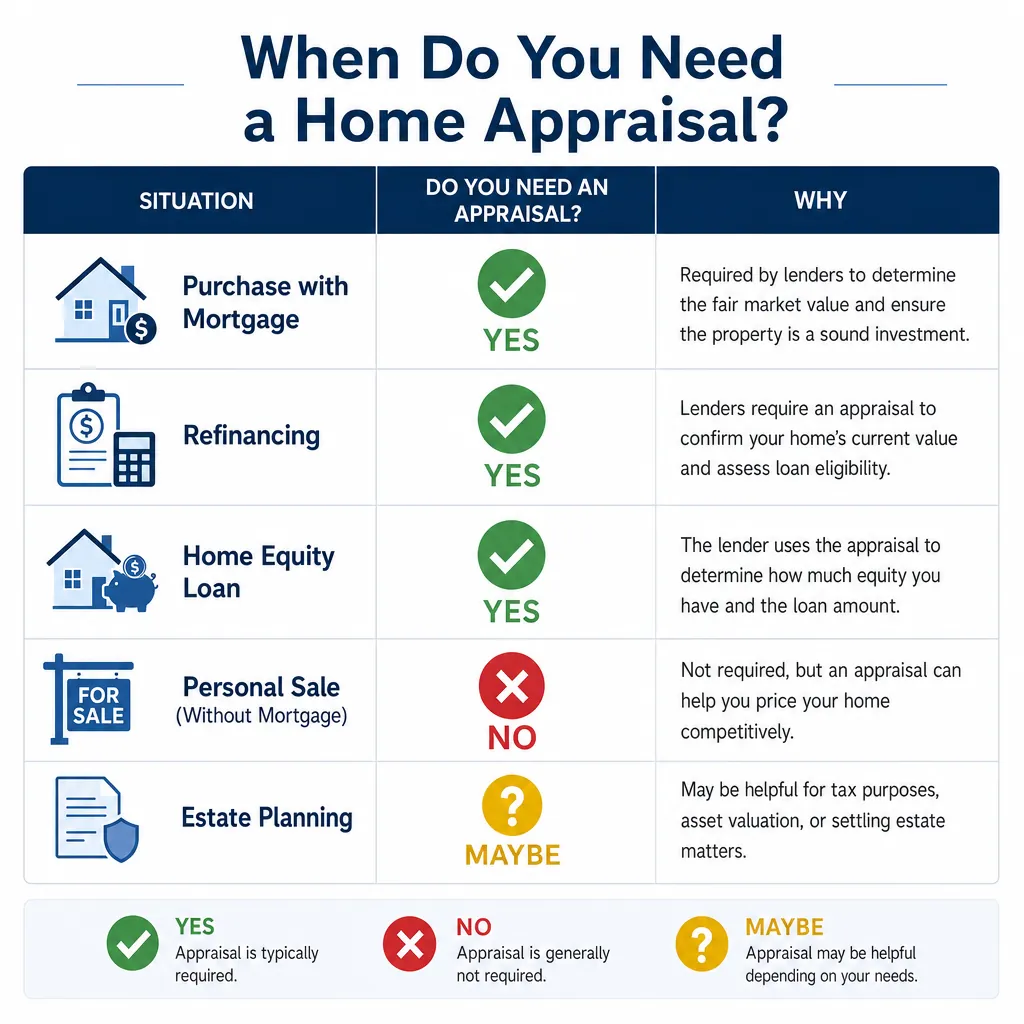
Here's the quick version: if a lender's involved, you need an appraisal. But there's more to it. Several situations homeowners overlook also require one — and some don't.
| Situation | Appraisal Required? | Who Pays? | Typical Timeline |
|---|---|---|---|
| Home Purchase with Mortgage | Yes — required by virtually all lenders | Buyer (paid at or before closing) | 1–2 weeks |
| Cash Purchase | No lender requirement; optional but advisable | Buyer (if ordered voluntarily) | 1–2 weeks |
| Refinancing | Usually yes; some simplify refis waive it | Homeowner/borrower | 1–2 weeks |
| Home Equity Loan / HELOC | Usually yes | Homeowner/borrower | 1–2 weeks |
| Divorce Settlement | Typically yes — court may require it | Shared by parties or ordered by court | 1–2 weeks |
| Estate Planning / Probate | Advisable; sometimes legally required | Estate | 1–2 weeks |
Mortgage and Loan Requirements
Conventional loans have limits that matter. In 2026, the conforming loan limit sits at $832,750 for a single-unit property across most counties. That jumps to $1,249,125 in high-cost areas and reaches $1,873,675 in Alaska, Hawaii, Guam, and the U.S. Virgin Islands. The FHFA bumped these limits up 3.26% from last year based on Q3 2025 home price data. Whether your loan falls under these limits (conforming) or above them (jumbo), both require appraisals before the lender will fund.
FHA loans? Different rules apply. The 2026 national floor starts at $541,287 for a single-unit home in affordable areas, capping out at $1,249,125 in pricey markets. And here's what makes FHA appraisals different — your home must meet HUD's Minimum Property Standards. Once that appraisal's done, it's valid for 180 days from its effective date.
Refinancing Situations
Your lender needs proof that your home still backs the new loan amount. That's where the appraisal comes in. If your home's value has climbed, you might get a better loan-to-value ratio, shed that private mortgage insurance (PMI), or qualify for a cash-out refi. But markets don't always cooperate — a lower appraisal can flip things. You could end up underwater or disqualified altogether.
There's a bright spot, though. FHA Simplify and VA Interest Rate Reduction Refinance Loan (IRRRL) programs sometimes waive the appraisal requirement when certain conditions are met.
Non-Lending Appraisal Scenarios
Appraisals exist for reasons beyond mortgages.
- Divorce proceedings: The courts want a certified, neutral appraisal to pin down what your marital home is actually worth for the property split.
- Estate settlement and probate: A "date-of-death" appraisal (also called a retrospective appraisal) establishes the home's value for tax filings and distribution to heirs.
- Pre-listing appraisal: Smart sellers get this done first — it gives you a defensible asking price and shows you what issues a future lender's appraiser might catch.
- Tax appeal: Convinced the county assessor overvalued your property? A formal appraisal is your best weapon to fight that assessment.
- Insurance: High-value homes sometimes need appraisals so insurers can set the right replacement cost coverage.
Situations That Don't Require Appraisals
You're paying cash for a house? No lender, no appraisal requirement. The choice is yours. Many cash buyers skip it to save money — but that decision can backfire. You might overpay in a softening market and never know it. If you're selling to a cash buyer and want to understand how that works from your side, check out the article on the benefits of working with a cash-for-house company.
Back to topHome Appraisal Costs and Payment
Typical Appraisal Fees
Here's what you'll actually pay. Based on 7,355 verified projects tracked by Angi, the national average for a conventional single-family home appraisal comes in at $359. Most fall between $314 and $425. And if you're dealing with an FHA or VA loan? Those appraisals cost more — $400 to $900 — because they demand extra documentation and stricter inspections of the property itself.
But here's the thing: not every appraisal means someone's walking through your house.
- Drive-by appraisal: $100–$150 — The appraiser looks at the exterior, then uses MLS data to fill in the rest about what's inside.
- Desktop / no-visit appraisal: $75–$200 — This one stays entirely on the computer. Public records, MLS listings, sometimes third-party photos. Fannie Mae and Freddie Mac now accept desktop appraisals for refinances on lower-risk deals.
Who Pays for the Appraisal
When you're buying a home, you typically cover the appraisal fee. Usually it's due at application or rolled into closing costs. Refinancing your own place? You pay. In divorce or estate situations, the cost gets split up or comes out of the estate. Here's what stings, though: even though you're writing the check, the lender legally owns that appraisal — not you. That's why borrowers often feel stuck without any real say in how things turn out.
Factors Affecting Appraisal Costs
Some properties cost more to appraise. Here's why:
- Property size: Bigger homes mean longer inspections and more paperwork.
- Rural or remote location: Travel time adds up. Appraisers also charge more when comparable sales are hard to find.
- Unique or specialty properties: Log homes, geodesic domes, historic houses, working farms — these need appraisers with special training and way more research time.
- Loan type: FHA and VA loans create extra liability and paperwork for the appraiser.
- Rush requests: Need it fast? You'll pay a premium for that speed.
Remote and Hybrid Appraisal Options
COVID changed appraisals permanently. Now remote options are everywhere. A hybrid appraisal works like this: a trained inspector visits your property, takes measurements, snaps photos, documents condition. A licensed appraiser somewhere else analyzes all that data and signs off on the report. You get faster results and lower costs without sacrificing professional standards. But your lender decides whether they'll accept it. They look at loan type, loan-to-value ratio, and their own rules.
Back to topWhat Happens After the Appraisal Report

Interpreting the Appraisal Report
You'll get a Fannie Mae Form 1004 for single-family residential appraisals. It's dense — typically 10 or more pages of fine print and technical language. But here's the good news: you don't need to decode every section.
Focus on these critical pieces instead:
- Appraised value: The single most important number, typically on the first page
- Effective date: The date to which the value opinion applies (usually the inspection date)
- Market conditions addendum: Tells you whether the local market is appreciating, stable, or declining — which affects how the lender reads the risk
- Comparable sales grid: Shows the three to six comps used and the adjustments applied
- Final reconciliation: The appraiser's explanation of how they weighted the approaches to reach the final value
- Conditions or requirements: Any repairs required before the appraisal can be accepted — common on FHA and VA loans
Low Appraisal: What It Means
A low appraisal — when the appraised value comes in below the agreed purchase price — is one of the most stressful moments in any transaction.
Here's what actually happens: lenders base their loan on the lower of the purchase price or the appraised value. Say you agreed to pay $450,000 but the appraisal comes in at $420,000. The lender will calculate your loan against $420,000, not the contract price. If you're putting 10% down, you now need to come up with the full $30,000 gap plus your original down payment — or the deal falls apart.
And context matters. The median existing home price in August 2026 was $398,596, up 2.2% year over year according to Redfin. The median existing single-family home price in Q1 2026 came in at $404,600 per NAR data. When your contract price significantly exceeds these regional numbers, the risk of a low appraisal climbs — especially in markets where prices shot up fast and comparable sales haven't caught up yet.
Appealing or Challenging an Appraisal
If you believe the appraisal is wrong, you have options. The formal process is called a Reconsideration of Value (ROV). But here's what matters most: you need solid evidence. Specifically, closed sales the appraiser either missed or should have weighted more heavily. Simply disagreeing with the number won't work.
Here's how to challenge a low appraisal:
- Review the report carefully for errors: incorrect square footage, wrong bedroom count, a comp that sold under distressed conditions
- Compile alternative comparables with your agent that closed after the appraisal's effective date or in a more favorable price range
- Submit a written ROV to the lender — note that you work through the lender, not directly with the appraiser
- Request a second appraisal from a different appraiser if the ROV is rejected (some lenders allow this)
- As a last resort, walk away if your contract includes an appraisal contingency
Want a deeper walkthrough? Check out our article on How to Dispute a Low Appraisal When Selling Your House.
Impact on Loan Approval and Transaction
A low appraisal doesn't automatically kill a deal. But it forces everyone to make a hard choice:
- Seller reduces price to match appraised value
- Buyer makes up the gap with additional cash
- Both parties split the difference through negotiation
- Deal falls apart if no agreement is reached and the buyer has an appraisal contingency
In competitive markets where buyers waived appraisal contingencies during the offer, a low appraisal can trap you. You'd be forced to close at the contract price regardless of appraised value — or lose your earnest money deposit. This is serious financial risk, and you need to understand it before you ever waive that contingency.
Back to topKey Factors That Influence Home Value Assessment
Location and Market Conditions
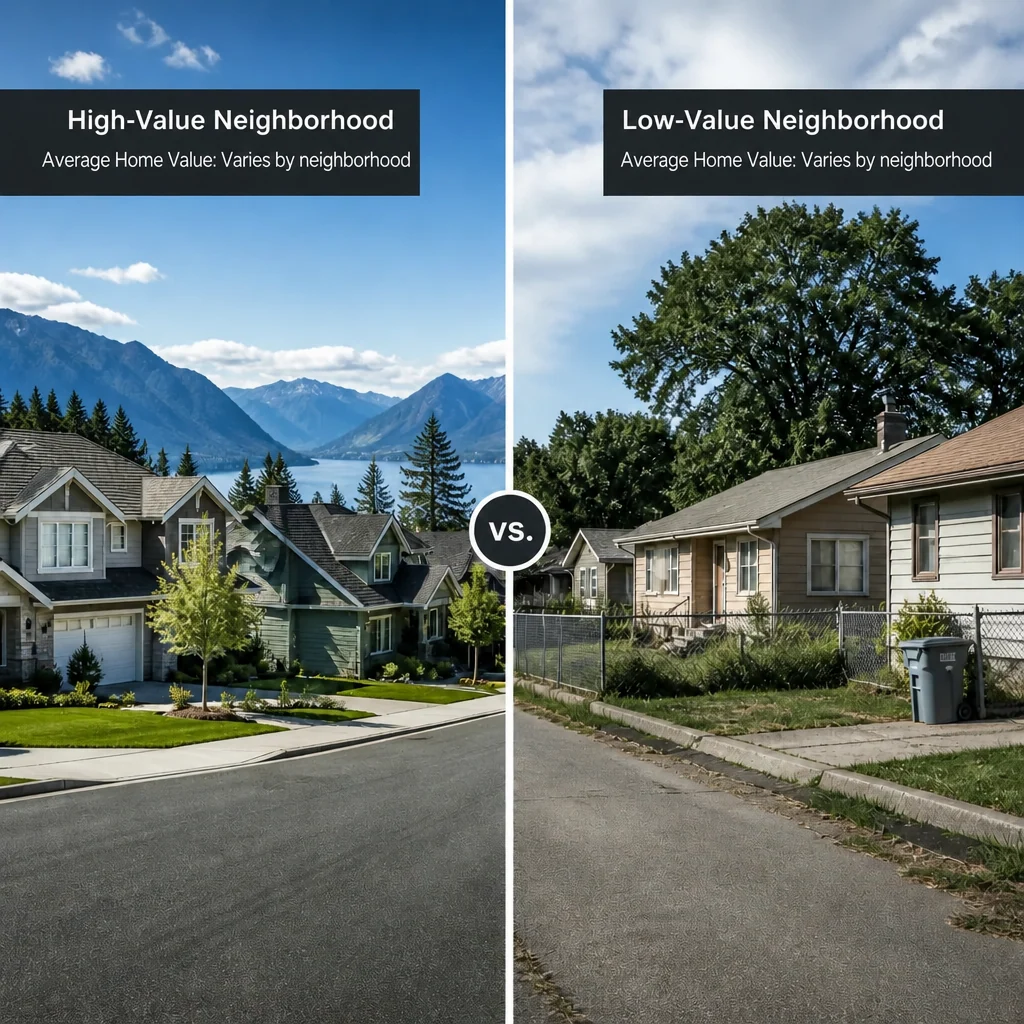
You can't change location. It's the single biggest factor driving your home's value — and it's completely out of your control. When an appraiser evaluates where your home sits, they're looking at three different levels: the broader regional market, how desirable your specific neighborhood is, and the exact spot within that neighborhood (corner lot? cul-de-sac? backing to a park or a highway?).
Then there's the market conditions addendum. This document captures whether there's more demand than supply (prices rising), rough equilibrium (flat prices), or oversupply (prices dropping). In an appreciating market, the appraiser can adjust comparable sales to account for time. A house that sold three months ago? It'd probably fetch more today. The addendum reflects that reality.
Property Condition and Maintenance
Deferred maintenance tanks appraisals. It's one of the biggest reasons homes come in lower than sellers expect.
Appraisers use a six-point condition rating system (C1 through C6 under Fannie Mae standards). Drop one rating level and you're looking at thousands of dollars in lost value. A failing roof, outdated wiring, peeling exterior paint — these all get flagged. On government-backed loans, some of these issues become mandatory repairs before closing.
Now, renovations can absolutely help. But here's the catch: they only add what the market actually pays for them. That $60,000 kitchen remodel? It might add $45,000 to your appraised value, or $35,000, or possibly more — it depends entirely on what similar kitchens have sold for in your area. Want to know where renovation dollars actually move the needle? Check out our article on 5 Tips to Increase the Value of Your Home.
Comparable Properties in the Area
The comps available in your area matter just as much as your own home's condition. In a typical suburban development with dozens of similar sales in the last 90 days, the appraiser has strong data and can't play games with adjustments. But out in a rural county where maybe three homes sold all year — and none of them really match yours in size or condition — the appraiser has to make big judgment calls. That means more uncertainty. And more uncertainty means the final number is less reliable.
Economic and Institutional Factors
Interest rates matter. Local job markets matter. School district ratings matter. Zoning rules matter. All of these shape demand for homes in your area, which shapes the comparable sales your appraiser uses. The appraiser isn't predicting any of this; they're just reflecting what the actual sales data shows. But when interest rates climb or a major employer shuts down, those comps often soften. Understanding why helps explain why your appraisal came in where it did.
Back to topMore in Appraisals and home value
- The Data Behind Online Appraisals: How AVM Tools Can Pump Up (or Down) Your Price
- How to Prepare Your House for an Appraisal: Tips to Boost Your Home's Value
- What Is My Home Worth? Home Valuation Methods for Sellers
- What Is My Home Worth? How to Determine Your Home's Value
- Should You Pay for a Home Appraisal Before Listing? Pros, Cons, and Costs
- What Is a Drive-By Appraisal? How It Works and Why Lenders Use It
See our guide: “Closing Costs for Sellers: What You'll Pay and How to Reduce Them” →

