

How to Dispute a Low Appraisal When Selling Your House

Table of Contents
- Why Home Appraisals Come in Low
- Understanding Your Rights as a Seller
- Step-by-Step Guide to Disputing a Low Appraisal
- Documentation and Evidence You'll Need
- Common Appraisal Errors and How to Challenge Them
- Alternative Solutions if Disputing Fails
- How to Prevent Low Appraisals Before They Happen
- When Disputing a Low Appraisal Is Worth Your Time
- Conclusion
- Frequently Asked Questions
You accepted an offer. The inspection went smoothly. Then the appraisal comes back $20,000 below what you agreed on — and suddenly everything feels like it's falling apart. It's one of the most frustrating moments in a home sale. But here's the thing: it's not necessarily the end of the deal. Sellers should dispute low appraisals when the evidence supports a higher value. And more often than sellers realize, a well-documented appeal can actually work. We'll walk you through every step of the process, from understanding why appraisals miss the mark to building a compelling case and knowing when it's better to pivot to another strategy.
Wondering what selling will cost? Start with our guide to seller closing costs. It breaks down every seller cost at closing, the surprises, and ways to pay less.

Why Home Appraisals Come in Low
Before you push back on an appraisal, you need to know exactly what went wrong. Low appraisals don't happen by accident — there's always a reason, and identifying it changes everything about your next move.
Common Reasons Appraisers Undervalue Homes
Nine times out of ten, the problem is the comps. That's the handful of comparable sales appraisers use to set your home's value. And here's where it gets messy: if an appraiser grabs a foreclosure sale, or cherry-picks a property with way less square footage from the next zip code over, your appraisal tanks. The benchmark they're using isn't actually comparable to your home.
But comps aren't the only issue. Appraisers miss recent renovations all the time. They'll get your square footage wrong. They don't know the neighborhood like you do — especially in fast-moving areas where prices have jumped 10-15% in the last 90 days.
Then there's the market itself. In a seller's market, buyers are throwing offers way above recent closed sales. That creates an "appraisal gap" — the disconnect between what someone will pay and what the appraisal supports. It's real, it's frustrating, and it's absolutely worth disputing instead of just accepting a lower price.
Appraiser Errors and Mistakes
People make mistakes. The National Association of Realtors has found that appraisal problems show up in roughly 11% of transactions that get delayed or fall apart. We're talking wrong gross living area measurements, missed permitted additions, using distressed sales as comps when they shouldn't, overlooking new schools or commercial development that raised your neighborhood's appeal. These aren't judgment calls — they're errors, and they're fixable.
Back to topUnderstanding Your Rights as a Seller
You can dispute an appraisal. Here's the catch: you'll be working through the buyer's lender, not the appraiser directly. And knowing how that chain of communication works? That's what actually gets results.
The Appraisal Contingency Clause
Most contracts have an appraisal contingency built in. It protects the buyer — they can renegotiate or walk away if the appraisal lands below your agreed price. You're not the one it's designed to help. But there's an upside. When a buyer wants this deal to close, you both have real incentive to fix the problem. Your dispute becomes leverage, not just paperwork.
When Disputing Makes Financial Sense
Should you fight every low appraisal? No. A $3,000 shortfall on a $400,000 sale probably isn't worth your time and energy. Now, a $25,000 gap? That's different. Let the table below help you figure out what makes sense for your specific situation.
| Appraisal Gap | Dispute Probability of Success | Time Investment | Recommended Action |
|---|---|---|---|
| Under $5,000 | Moderate | 3–7 days | Negotiate with buyer first; dispute only if clear errors exist |
| $5,000–$15,000 | Moderate to High | 7–14 days | Dispute if you've 2+ strong comps or documented improvements |
| $15,000–$30,000 | High (with evidence) | 10–21 days | Strongly consider dispute; second appraisal may also help |
| Over $30,000 | Variable | 14–30 days | Dispute and order second appraisal simultaneously |
Your Timeline for Taking Action
You've got 5 to 10 business days once that appraisal hits the buyer's lender. Don't sit on it. Ask your agent for a copy of the report right away — federal law requires lenders to share it with the buyer, and they can pass it to you. Your clock is ticking, especially if you're racing toward a closing date. And if you're selling because you're relocating? Check out what's involved in selling your house when moving out of state — it'll help you decide how aggressively to pursue this dispute.
Back to topStep-by-Step Guide to Disputing a Low Appraisal
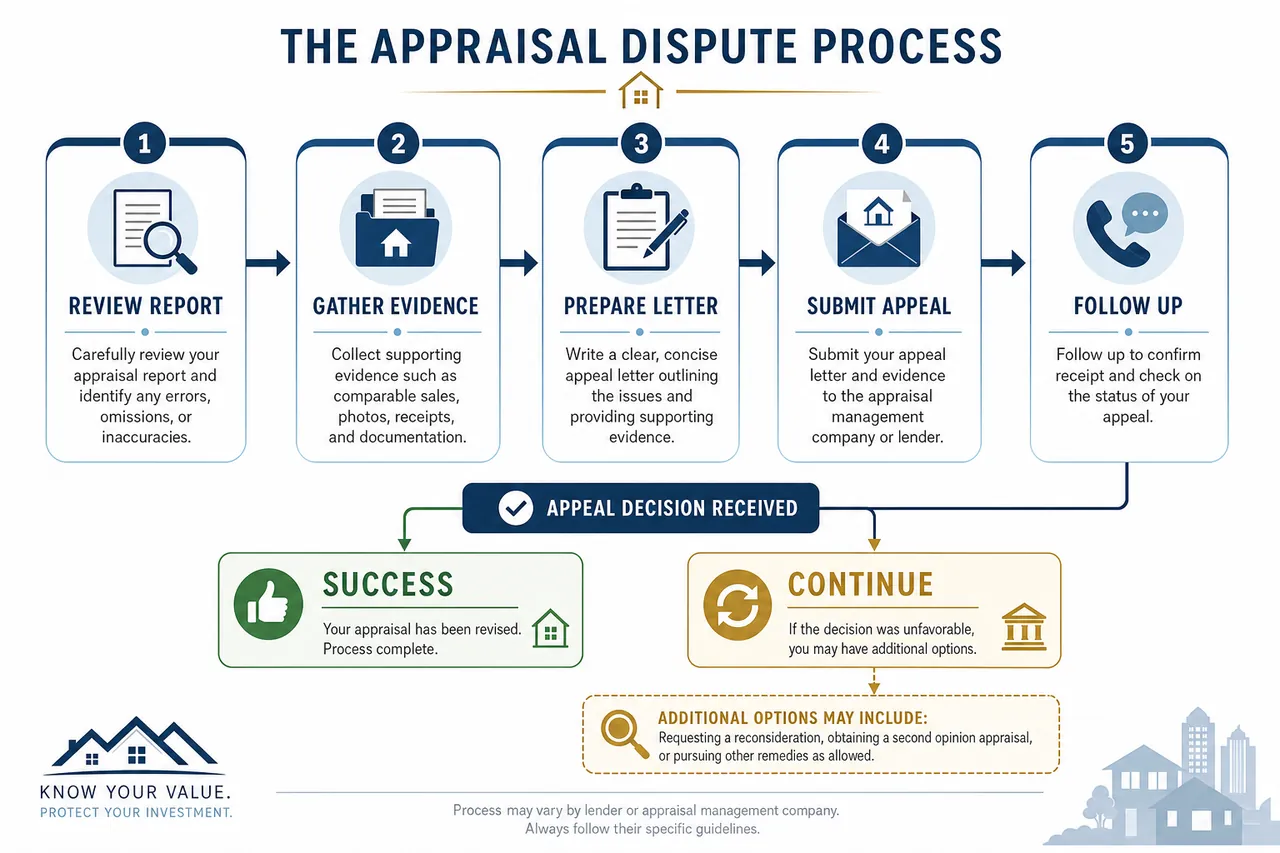
Step 1: Review the Appraisal Report Thoroughly
Don't just glance at the bottom line. Read every page. Start by looking for factual errors — the kind that jump out immediately. Is your square footage listed as 1,840 when it's actually 2,050? Are the bedroom and bathroom counts wrong? What about lot size or the year your home was built?

Then dig into the comparable sales section. Check which properties the appraiser used as comps and ask yourself: are they really comparable to mine? Look at size, condition, location, and how recent the sales were. And those adjustments the appraiser made between the comps and your place — do they actually match what's happening in today's market?
Step 2: Gather Evidence and Comparable Sales Data
Better comps are your strongest weapon here. Work with your real estate agent to pull recent sold listings. Ideally, you want sales from the last 90 days, within a half-mile radius, and similar in square footage and condition to your home. Has your market been moving fast? Pending sales and active listings with accepted offers can sometimes demonstrate what buyers are actually paying right now, even if those deals haven't closed yet.
And don't forget about your improvements. Document everything you've done in the last five years — kitchen remodel, new roof, updated HVAC system, whatever it is. Gather receipts, permits, and before-and-after photos. That $40,000 kitchen renovation? If it didn't make it into the appraisal, you've got the evidence to prove it should have.
Step 3: Prepare a Formal Dispute Letter
Stick to facts. Stay professional. Be specific.
Include the property address and appraisal date. List the specific errors you found (for example: "The report lists gross living area as 1,840 sq ft, but county records and our floor plan confirm 2,050 sq ft"). Provide your alternative comparable sales with MLS numbers, sale prices, and sale dates. Add a brief summary of improvements that weren't reflected in the report. Appraisers and lenders respond to data, not emotion. Leave the frustration out of it.
Step 4: Submit Your Appeal to the Lender
Here's the thing: you don't send this to the appraiser directly. It goes to the buyer's lender instead. They'll route it through their appraisal management company (AMC) or send it straight to the original appraiser. The appraiser then decides whether to revise the report or stand by their original value.
Lenders are required to keep appraisers independent, so they won't pressure someone to change a number just to make a deal work. But a well-documented factual correction? That's a completely different situation.
Step 5: Follow Up and Escalate if Needed
The appraiser won't revise and you're convinced the report has serious errors. What now?
Request a second review through the AMC. Escalate to the lender's appraisal review department. You can even ask for a brand new appraisal altogether. If you're dealing with an FHA loan, there's a formal reconsideration of value (ROV) process through HUD that carries real weight in these situations.
Back to topDocumentation and Evidence You'll Need
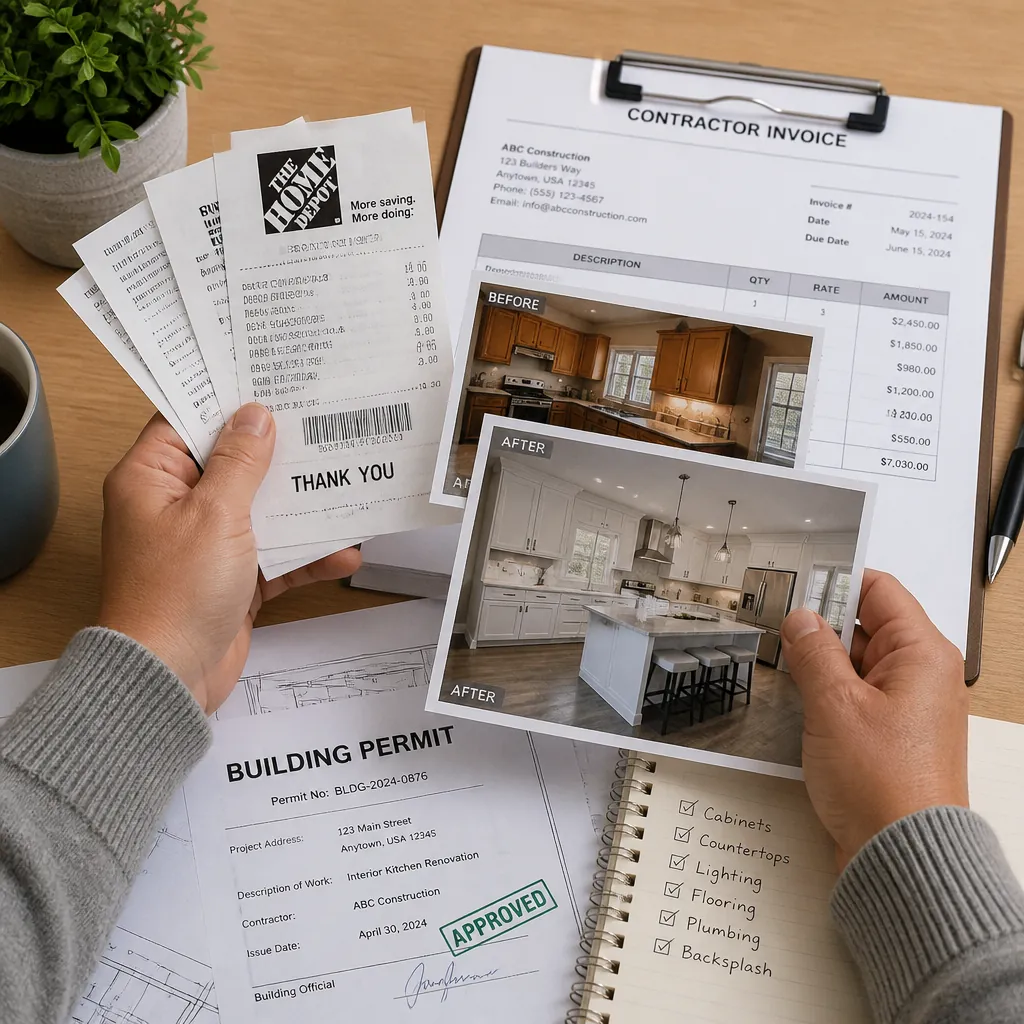
Your documentation is everything. The stronger your evidence, the stronger your dispute. Below's what you'll need to gather depending on what went wrong with the appraisal:
| Dispute Type | Required Documentation | Where to Get It |
|---|---|---|
| Wrong square footage | County assessor records, floor plans, licensed measurement | Assessor website, original builder plans |
| Missed improvements | Contractor invoices, permits, photos with timestamps | City permit office, contractor records |
| Wrong comparable sales | MLS data for superior comps, map showing proximity | Your real estate agent's MLS access |
| Neighborhood changes | News articles, city development records, school ratings | Local municipality, GreatSchools.org |
| Condition errors | Inspection report, photos, maintenance records | Home inspection from buyer or pre-listing |
When to Hire a Second Appraiser
The gap between appraisals is huge? And your initial dispute didn't move the needle? Then a second independent appraisal ($300–$600) might be your next smart move. Here's the reality: your lender isn't required to accept it. But a second appraisal does two things. It gives you leverage to renegotiate with the buyer, and it shows you're not bluffing about your home's actual value.
If that second appraisal comes in substantially higher, the buyer can push back on their lender to reconsider the original one. Or they can use it to justify pulling cash out of pocket to cover the appraisal gap themselves.

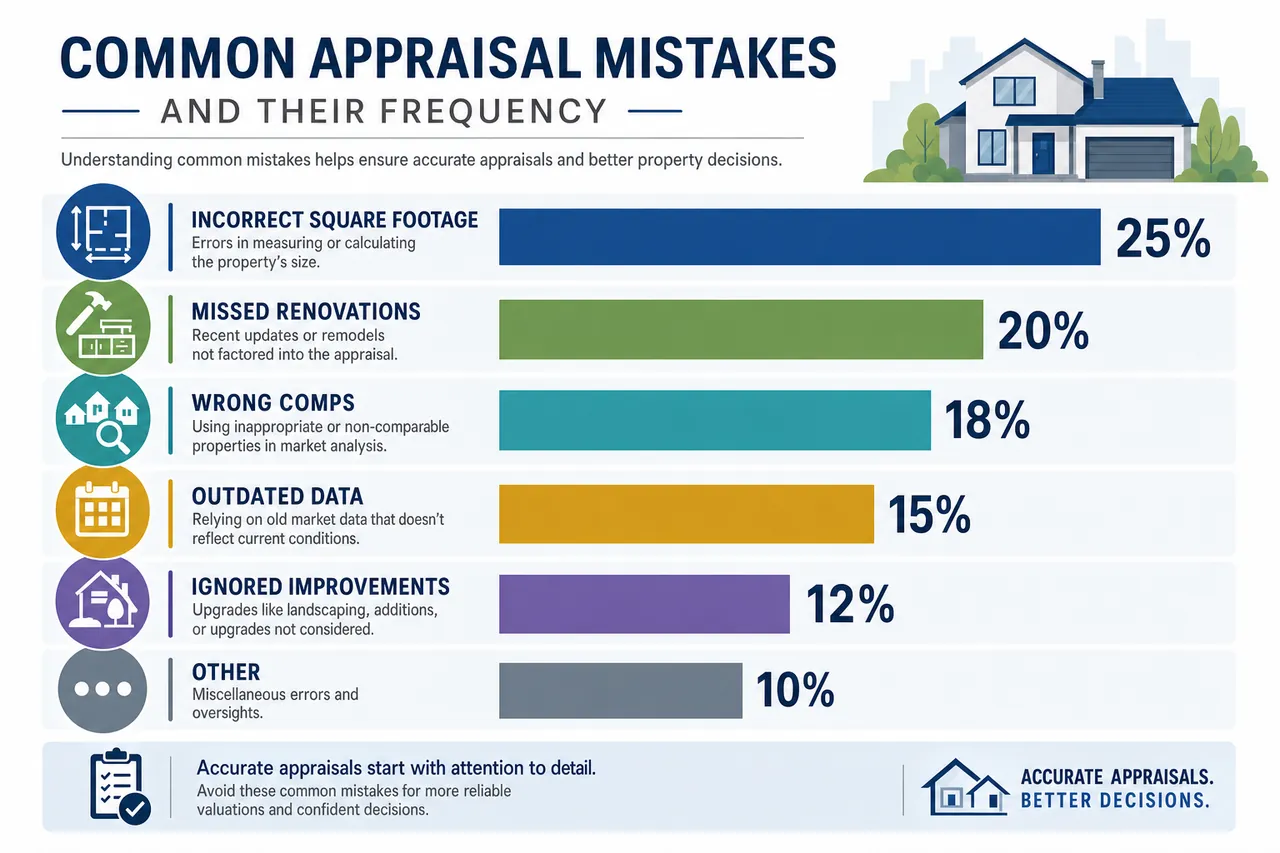
Common Appraisal Errors and How to Challenge Them
Certain mistakes show up again and again. That's actually good news — it means you know exactly what to hunt for when you're reviewing the appraisal.
| Error Type | How to Identify | Severity | How to Challenge |
|---|---|---|---|
| Incorrect GLA / square footage | Compare to assessor records and floor plans | High | Submit measured floor plans and assessor data |
| Wrong comparable properties | Check address, size, date, and condition of each comp | High | Provide 3+ better comps with MLS data |
| Missed renovation or addition | Review adjustment grid for expected line items | Medium–High | Submit permits, invoices, photos with dates |
| Outdated comps (over 90 days) | Check sale dates on each comparable used | Medium | Provide more recent sales or pending data |
| Incorrect condition rating | Compare report condition notes to actual home status | Medium | Inspection report, photos of updated systems |
| Overlooked location premium | Check if comps are from less desirable areas | Medium | Map showing proximity, neighborhood trend data |
Alternative Solutions if Disputing Fails
Your dispute probably won't work out perfectly. Most don't. But you've got four solid options to explore, and thinking through each one now beats scrambling later when you're under pressure.
Renegotiating the Sale Price
Most deals that hit appraisal problems get solved this way. You and the buyer split the difference, drop your price to match the appraisal, or work out something in between — maybe they cover closing costs, you knock off $10K, and you both move forward. Here's the thing: bring your comps to the table. Show them your comparable sales data. When buyers see actual numbers proving the market backs your original ask, the conversation shifts. Are you selling because of a divorce? That changes your timeline and flexibility. Understand whether selling before the divorce is final makes sense for your situation so you're not caught off guard.
Buyer Covering the Difference
In hot markets, buyers sometimes agree upfront (via an appraisal gap clause) to pay a set amount above the appraisal themselves. No gap clause in your offer? Propose it anyway during renegotiation. If a buyer truly loves the home and has cash reserves sitting there, they might jump at it rather than start their search all over again.
Walking Away from the Transaction
Sometimes the gap's just too big. The buyer invokes their contingency. Neither side budges. The deal dies. Not ideal — you're back on the market, and you'll likely have to disclose that the appraisal fell through — but it's sometimes the right move. Especially if you believe a different buyer will come along with a stronger offer once conditions shift. But if you're relocating on a deadline, don't walk away blind. Check what selling when moving out of state looks like in Florida so you know the real cost of waiting.
And here's another route: cash buyers exist, and they don't care about appraisals. When speed matters more than squeezing out every last dollar, working with a vetted local agent through KDS Homebuyers opens doors to multiple pathways — including all-cash offers — so a failed appraisal doesn't torpedo your whole sale.
Back to topHow to Prevent Low Appraisals Before They Happen

You don't want to be fighting an appraisal dispute down the line. The good news? You can shape the outcome before the appraiser even walks through your door. Here's what you need to do in the week leading up to the visit—nothing complicated, but it works.
- Prepare a comp packet for the appraiser. Find 3–5 recent comparable sales that back up your asking price and hand them to the appraiser when they arrive. They won't be forced to use them, but they do have to consider them.
- Create a home improvement summary. One page. Organize it by room or system—kitchen, bathrooms, HVAC, roof, whatever applies. List dates and what you spent. Stick to facts, not marketing language.
- Fix the small stuff before they show up. Chipped paint, missing handrails, broken fixtures—these things tank your condition rating without costing much to repair. An appraiser notices everything.
- Make sure they can actually get into every room. Unlocked attics matter. Clear crawl spaces matter. An accessible garage matters. When the appraiser can see everything, they won't have to guess, and guesses usually hurt you.
- Price it right from the start. If your list price is way above what homes like yours actually sold for, the appraisal will come in low no matter what. Talk to your agent about finding that sweet spot—something strong, but backed by real numbers.
When Disputing a Low Appraisal Is Worth Your Time
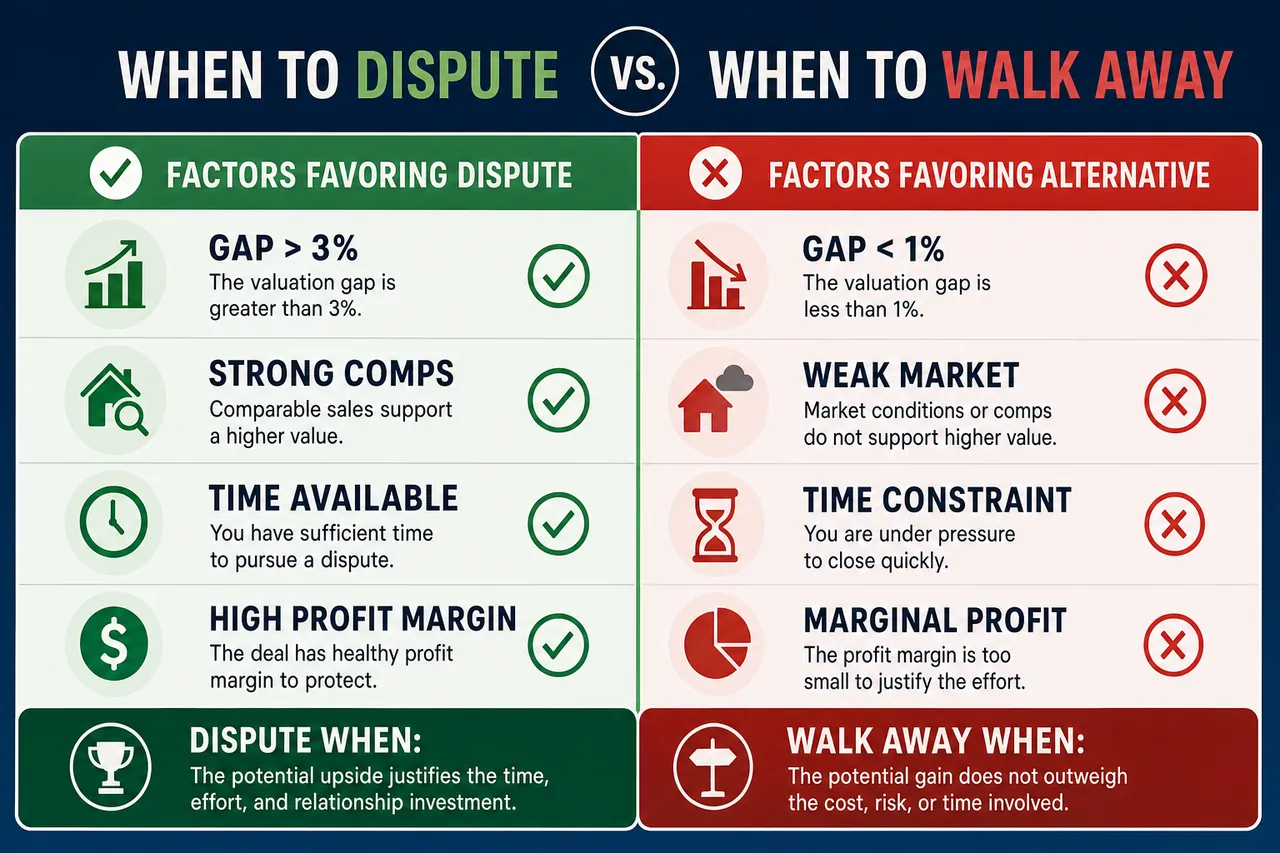
Here's the real answer: it depends. The gap size matters. Your evidence quality matters. And whether both sides actually want to make this work matters most. Industry data shows that 20–30% of formal appraisal disputes end with a revised value — that's not a slam dunk, but it's not nothing either. Add negotiation and some buyer goodwill to the mix, and you'll resolve most appraisal gaps without torching the entire deal.
Plan on spending 10–20 hours over the next 1–3 weeks. Does that effort save you $15,000? Worth doing. Does it protect $3,000 while risking the whole transaction? That's a different story — you need to think hard. Start with the decision matrix table above, then call your agent and ask point-blank: how flexible is this buyer really? Make the call with numbers, not emotions.
But here's where it gets complicated. You might be juggling more than just an appraisal. Divorce papers on your kitchen table. A job transfer across the country. Money running out faster than you expected. In those situations, fighting the appraisal might not be the move — even if you'd win. For instance, if you're selling in Colorado while managing a divorce, understanding your timeline options in Colorado could matter just as much as the appraisal dispute itself.
Back to topConclusion
A low appraisal stings. But you can fight back—most of the time. Start with the report itself. Read it cover to cover, spot the factual errors, and pull together your evidence: comparable sales, receipts for upgrades, anything that supports your home's real value. Do this before the appraisal window closes.
Here's the key question: Is disputing worth your time and energy? If the gap is small, skip it. If the difference is substantial and you've got strong documentation, and if your buyer actually wants this deal to happen, then push back.
And if a dispute doesn't work? You've still got options. Renegotiate the price, order a second appraisal, structure the deal differently—creative solutions get deals done. The sellers who win here are the ones who move fast, stick to facts, and never lose sight of why they're selling in the first place.
Back to top
Frequently Asked Questions
How long does an appraisal dispute take to resolve?
Most formal appraisal disputes wrap up in 7 to 21 business days. The appraiser gets 5–10 business days to respond to your reconsideration of value request. But if things escalate — say, a second appraisal or lender review — you're looking at another 1–2 weeks on top of that. Here's the key: build this timeline into your closing schedule now so everyone knows what to expect.
Can I dispute an appraisal directly with the appraiser?
Not really. You don't have a direct contract with the appraiser — the buyer's lender does. Your dispute goes through the lender first, and they'll forward it to the appraiser or their appraisal management company. The buyer and their agent are your lifeline here. Before you submit anything, make sure they're on the same page as you.
What's the difference between a reconsideration of value and a new appraisal?
A reconsideration of value (ROV) is your faster, cheaper option. You give the original appraiser new evidence and ask them to reconsider. It's free, it's quick — but you're stuck with the same person who missed something the first time. A new appraisal? That's a fresh start with a different licensed appraiser. You'll pay $300–$600, wait 1–2 weeks, and get an entirely independent opinion of value. Lenders won't automatically accept a second appraisal, though. But it's solid ammunition if you need to negotiate with the buyer.
Does a low appraisal affect cash buyers?
Cash buyers skip the whole appraisal requirement — no lender means no mandatory appraisal. That said, smart cash buyers often order their own appraisal anyway as a reality check. If it comes in low, they'll likely use it to push for a price cut. You lose the formal lender process here, which means fewer protections but also more room to negotiate directly with the buyer.
Will disputing an appraisal damage my relationship with the buyer?
It won't if you handle it right. Keep it professional and factual — frame it as a correction, not an attack. Most buyers get it. They know a low appraisal doesn't always mean your home is worth less, especially in hot markets. When you share your evidence with the buyer through your agents, you're actually building trust. That makes it way easier to find a fair solution if the appraisal doesn't budge.
Back to topMore in Appraisals and home value
- The Data Behind Online Appraisals: How AVM Tools Can Pump Up (or Down) Your Price
- Appraisal Definition: How Your Home Value Is Determined
- How to Prepare Your House for an Appraisal: Tips to Boost Your Home's Value
- What Is My Home Worth? Home Valuation Methods for Sellers
- What Is My Home Worth? How to Determine Your Home's Value
- Should You Pay for a Home Appraisal Before Listing? Pros, Cons, and Costs
See our guide: “Closing Costs for Sellers: What You'll Pay and How to Reduce Them” →

