

Selling a House With a Septic System: Inspections, Disclosures, and Tips in Florida
Selling a house with septic issues in Florida can feel overwhelming, especially if you are unsure about inspections or disclosure rules. Florida law requires sellers to disclose all known material defects — including septic system problems — and many county health departments impose additional requirements before a sale can close. This guide walks you through Florida's disclosure rules, septic inspection requirements, and steps for dealing with common problems like failed drain fields or overdue tank maintenance. Find out how to protect yourself in your real estate transaction and keep the process smooth.
Selling a house that needs work? Start with what to know before selling a house that needs repairs. It explains what as-is means, how pricing works and every way to sell a house with problems.
Key Takeaways
- Florida requires sellers to disclose all known material defects, including septic system issues. Failing to do so can lead to lawsuits or delayed closings under Florida's seller disclosure laws.
- Buyers expect details about system age, maintenance records, past repairs, and drain field health before making an offer. Regular pumping (every 3–5 years) and strong paperwork build buyer confidence.
- Septic inspections by certified contractors cost $300–$900 on average in Florida. Addressing problems early can keep your sale on track and may raise your home's value.
- Selling as-is limits buyers mostly to cash offers since most lenders will not finance homes with failed systems. Disclose all known issues upfront to avoid legal trouble after closing.
- Mark the tank location clearly, gather system diagrams, and provide a home warranty if possible to boost appeal — steps that help sales move faster in Florida's competitive market.
Understanding Septic System Disclosure Requirements in Florida

Florida home buyers want honest details about septic systems before any real estate transaction. State law protects both parties by requiring full disclosure of known defects, including your system's age, service history, and major repairs.

Importance of disclosing the septic system and known issues
Florida law requires sellers to disclose all known material defects that a buyer cannot easily observe. This includes septic system problems such as a failed drain field, history of backups, or an outdated tank that does not meet current Florida Department of Health standards. Failing to disclose known issues can expose you to lawsuits after closing. 1
Buyers typically request maintenance records, recent pump receipts, and repair estimates before proceeding. Transparency helps set realistic pricing and gives buyers the confidence to move forward — especially important in high-volume markets like Tampa and Orlando where buyers often see multiple properties.
Even where disclosure is not explicitly required by a specific county ordinance, Florida courts have consistently held sellers accountable for concealing material defects. Providing honest information about your septic system supports smoother negotiations and protects you legally. 1
Information buyers typically request
Florida buyers want clear answers about your septic system before moving forward. Giving them the right details reduces friction and builds trust.
- Age of the septic tank — older systems often need more frequent repairs or full replacement. 2
- Maintenance records showing dates of pumping, inspections, and any licensed contractor visits. 1
- History of backups, foul odors, gray water issues, or failed system repairs.
- Location of the septic tank and drain field — especially relevant on larger rural parcels common in Central and North Florida.
- Results from previous inspections, including whether the system meets Florida Department of Health standards.
- Whether root intrusion or drain field failure has occurred and what repairs were made.
- Florida-specific disclosure documents detailing all known issues.
- Proof that the system meets local county health codes, which can vary significantly between counties like Marion, Alachua, and Hillsborough.
Florida-specific disclosure laws and seller protections
Florida does not have a single statewide pre-sale septic inspection mandate like Massachusetts' Title 5 law. However, Florida's general seller disclosure requirements — rooted in case law and statute — require you to reveal all known material defects, and many Florida county health departments impose their own inspection or permitting requirements when property changes hands.
The Florida Department of Health regulates onsite sewage treatment and disposal systems (OSTDS) through Chapter 64E-6 of the Florida Administrative Code. If your system is being upgraded, repaired, or replaced, a permit from the county health department is required. Some counties, particularly in North Florida and rural Central Florida, may require a septic evaluation as part of the permitting or sale process.
You must provide any reports about failed systems or needed repairs to buyers. Not following local real estate transaction rules could lead to legal trouble after closing. Consulting a Florida real estate attorney familiar with OSTDS regulations helps protect you and ensures compliance with both state and county rules.
Back to topThe Pre-Sale Septic Inspection in Florida
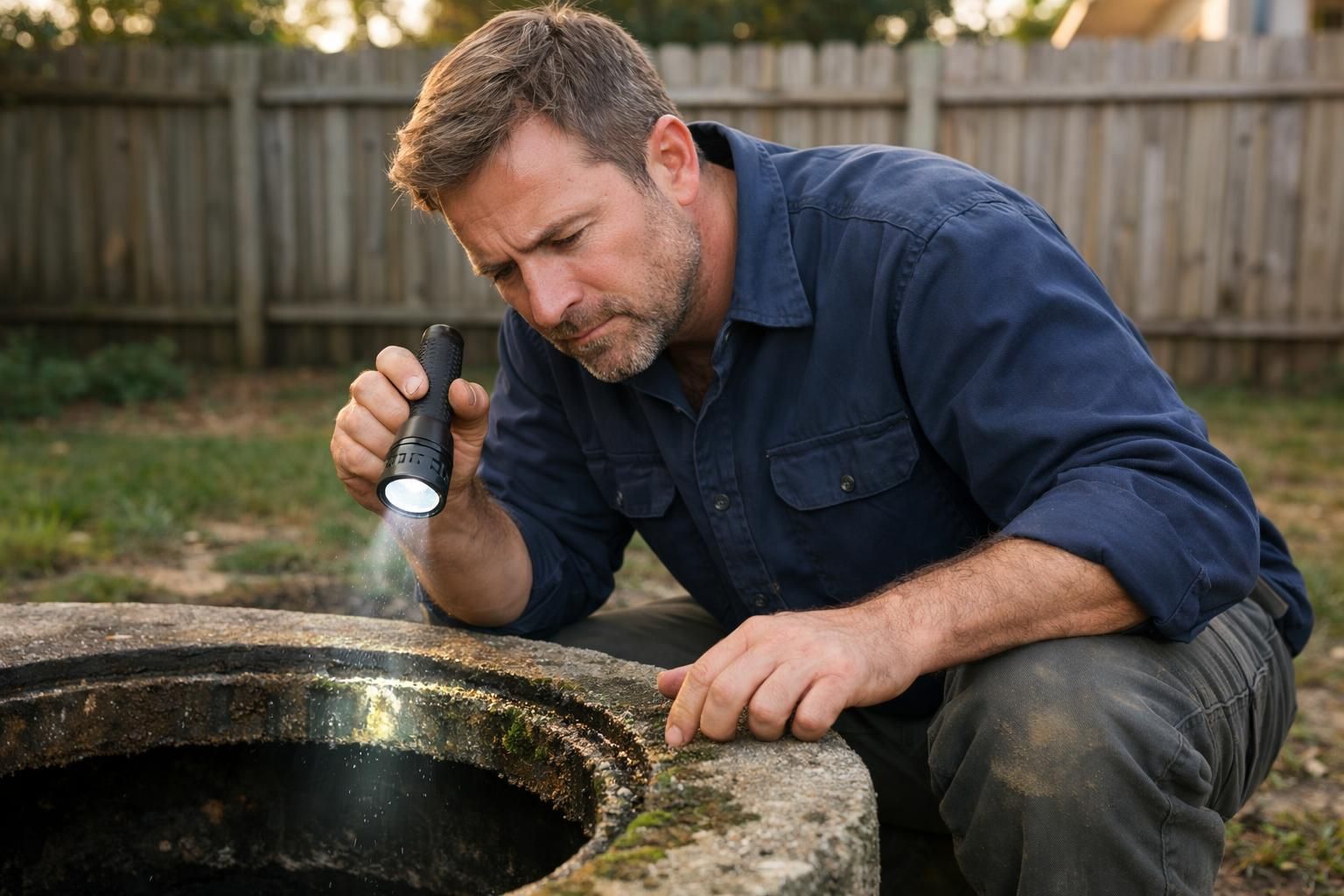
A certified inspector checks your septic tank and drain field for signs of trouble. Knowing the condition of your system protects both you and the buyer during a Florida real estate transaction.

What the inspection involves
A thorough septic inspection in Florida protects your real estate transaction and helps you avoid surprises at closing.
- Inspectors begin by pumping the septic tank to check sludge levels, look for blockages, and assess wastewater flow. 4
- The tank is examined for cracks or leaks, which are a particular concern in Florida's sandy soils and high water table areas common near Jacksonville and Miami.
- The distribution box is evaluated to ensure effluent moves evenly into the drain field. Uneven flow signals potential clogs or pipe breaks.
- The drain field is checked for standing water, foul odors, or unusually lush grass — signs of poor drainage or system overload, which Florida's flat terrain can make worse. 7
- Inspectors use cameras and soil probes to spot hidden issues below ground, important in areas with high groundwater.
- Systems must comply with Florida Department of Health standards under Chapter 64E-6. Inspectors confirm compliance before approving your system for sale.
- Costs typically start at $300 but vary based on property size, tank type, and any additional soil or water testing required.
Addressing inspection results early avoids last-minute negotiations and reassures buyers that you have managed maintenance responsibly — a key trust factor in Florida's active real estate market.
Who performs inspections and typical costs in Florida
In Florida, septic inspections must be conducted by a licensed septic contractor or a certified inspector authorized under Florida Department of Health rules. You can verify licensing through the Florida Department of Health's contractor lookup tool or your county health department.
A basic inspection typically costs between $300 and $600 depending on tank size and scope. A full inspection with pumping may range from $550 to $900. 5 Costs vary by region — inspections in South Florida around Miami tend to run higher than in rural North or Central Florida. Some buyers request their own inspection in addition to any seller-provided report, which is common in Florida transactions.
Pros and cons of a pre-listing inspection
A pre-listing septic inspection gives you a clear picture of your system's condition before entering Florida's competitive market. The process costs between $550 and $900 but can save you significantly by catching problems early. Repairing issues ahead of time may boost your sale price and prevent surprises during escrow.
You can use the report to demonstrate that the system works properly, making your home more attractive to buyers and lenders alike. Early detection reduces the risk that a buyer will back out due to septic concerns late in the transaction. Some buyers will still order their own inspection, but having an existing report shows good faith and typically speeds up the Florida closing process.
Back to topCommon Septic Issues That Arise During Florida Sales

Many Florida home sales stall because of missed pump-outs, root intrusion, high water tables affecting drain fields, or missing maintenance records — issues that are especially common on older rural properties throughout the state.

Overdue tank maintenance
Skipping regular septic maintenance creates serious problems during a Florida real estate transaction. Septic systems need pumping every three to five years, and inspection annually or as required by your county health department. Missing this service leads to sludge buildup, sewage backups, and a system flagged as failed by inspectors.
Buyers treat missing maintenance records as a major red flag, especially in Florida where high groundwater and sandy soils already put added stress on septic systems. Gather any past service records now and confirm whether your tank is due for service before listing.
Drain field failure and high water table issues
Drain field failure is one of the most common — and costly — septic problems in Florida. The state's flat terrain, heavy rainfall, and high water tables make drain fields especially vulnerable to saturation. 7 Signs include pooling water, soft or spongy ground, foul odors, or unusually green grass over the drain field area.
Tree root intrusion is also frequent in Florida, where fast-growing trees like live oaks and palms can send roots into septic pipes. Removing roots may cost $500–$1,500, while replacing a failed drain field can reach $20,000 or more. Checking for root damage and high water table issues before listing helps reduce risk and prevents costly surprises during escrow negotiations.
Outdated systems and missing records
Older septic systems throughout Florida — particularly on properties built before modern Florida Department of Health standards — may not meet current county codes. Systems that are undersized for the home or installed without proper permits can require full replacement costing $10,000–$30,000 or more depending on soil conditions, tank size, and local requirements. 8
Missing pump receipts and maintenance logs force buyers to guess about system health, and most lenders will not approve financing without proof of a functioning, code-compliant system. Maintaining current paperwork protects you legally and reassures buyers they are making a sound investment.
Back to topRepair or Sell As-Is in Florida
If your septic system needs work, you face an important choice. Understanding the costs and trade-offs helps you decide whether to repair before listing or sell the property as-is.
Costs and benefits of repairing before selling
Repairing septic issues before listing your Florida home expands your buyer pool significantly, since most mortgage lenders — including FHA and conventional lenders — require a working, code-compliant system.
| Repair Type | Estimated Cost in Florida | Key Benefit |
| Tank pumping and cleaning | $300–$600 | Shows upkeep; required for inspection |
| Minor repairs (pipes, baffles, lids) | $500–$2,500 | Prevents inspection failures |
| Drain field repair or replacement | $5,000–$20,000+ | Restores full system function; opens lender financing |
| Full system replacement | $10,000–$30,000+ | Meets Florida DOH standards; maximizes buyer pool |
| Florida DOH permits and inspections | $450–$2,300 | Required for any permitted repair or replacement |
Completing repairs before listing typically results in stronger offers, fewer contingencies, and a smoother closing. Sellers who provide recent inspection reports and completed permits tend to face far less price negotiation at closing.
Considerations for selling as-is in Florida
Selling as-is with a known septic problem in Florida shrinks your buyer pool to cash buyers and investors, since most lenders will not finance a home with a failed septic system. Properties sold in this condition typically attract lower offers and may stay on the market longer, especially in suburban markets like Orlando or Tampa where move-in-ready homes dominate buyer expectations.
You must still fully disclose all known septic issues under Florida law. Failure to disclose can result in post-closing litigation. That said, selling as-is can be the right move if repair costs are prohibitive or you need to close quickly. Cash buyers sometimes close in as little as seven to ten days without requiring repairs, showings, or financing contingencies.
Gathering all available maintenance records upfront — even for an as-is sale — helps buyers feel more confident about what they are purchasing and can reduce the size of any discount they request.
Back to topTips for a Smooth Sale in Florida

Work with a Florida real estate agent experienced with septic system properties and familiar with your county health department's requirements. These steps can significantly reduce friction during the sale process.
Gather maintenance records and pump the tank before showings
Collect all maintenance records — service visit dates, receipts from licensed Florida septic contractors, and pump-out history — before listing. Buyers and their lenders want this documentation before making decisions. 10
Schedule a pump-out close to your listing date. This costs $300–$600 in most Florida markets and demonstrates responsible ownership. Clean records combined with a recent pump-out can generate stronger offers and prevent last-minute negotiations over system concerns.
Provide system diagrams and price competitively
Supply a clear diagram showing your septic tank location, drain field layout, and access points. On larger rural Florida properties — common throughout Marion, Levy, and Putnam counties — this is especially helpful for inspectors and future service crews.
Price your home to reflect any known septic issues or recent repairs. If an inspection identifies $4,000 in needed work, factor that into your listing price or offer a closing credit. Transparent pricing shows good faith and reduces buyer hesitation over hidden costs.
Home warranties and marking the tank location
Offering a home warranty that includes septic system coverage adds real value for buyers in Florida, where older systems are common outside of major metro areas. Confirm coverage limits and give buyers the full policy details, especially if the system is older.
Clearly mark the tank and drain field with stakes or flags before showings. This prevents accidental damage during landscaping and helps service crews access the system quickly. On large Florida lots, mapping these locations saves time and protects the system from heavy equipment damage during the transaction. 10
Back to topConclusion
Selling a Florida home with a septic system takes careful planning, but it does not have to derail your sale. Gather your maintenance records, schedule an inspection with a licensed Florida septic contractor, and complete required disclosures before listing. Work with your county health department and a knowledgeable Florida real estate attorney to ensure compliance with local OSTDS regulations. These steps lead to fewer surprises, faster closings, and stronger offers — whether you repair first or sell as-is.
If you need to sell quickly and want to skip repairs, inspections, and the traditional listing process, KDS Homebuyers buys Florida homes directly for cash — in any condition, with septic issues included. Visit kdshomebuyers.net to request a free, no-obligation cash offer today.
Back to topFAQs
1. Does Florida require a septic inspection before selling a home?
Florida does not have a single statewide pre-sale septic inspection law like some other states, but the Florida Department of Health regulates OSTDS systems and many county health departments have their own requirements. Any permitted repairs or replacements require a county health department permit and inspection. Always check with your local county before listing.
2. Do Florida sellers have to disclose septic system problems?
Yes. Florida law requires sellers to disclose all known material defects, and septic system problems qualify. Hiding known defects can lead to post-closing lawsuits. Full disclosure protects you and speeds up the closing process.
3. How does Florida's high water table affect septic systems during a sale?
Florida's high water table — particularly in South and Central Florida — puts added stress on drain fields and can accelerate system failure. Buyers and inspectors will look closely for signs of saturation, standing water, or system overload. Addressing these issues before listing is strongly recommended.
4. What are my options if my Florida home's septic system has failed?
You can repair or replace the system before listing to open up conventional financing and attract more buyers. Alternatively, you can sell as-is to a cash buyer with full disclosure of all known issues. Florida law still requires disclosure either way, and you may need county health department permits for any repairs.
References
- ^ https://www.epa.gov/sites/default/files/2017-08/documents/170803-homebuyerssepticguide_508c.pdf
- ^ https://ccetompkins.org/resources/your-septic-system-what-to-know-when-buying-or-selling-a-home
- ^ https://www.pulgininorton.com/septic-systems-and-seller-disclosures.html
- ^ https://www.redfin.com/blog/what-you-need-to-know-about-septic-inspections/
- ^ https://www.realtor.com/advice/sell/is-the-seller-obligated-to-get-a-septic-system-inspection-on-a-home/
- ^ https://www.johnklineseptic.com/septic-inspections-for-real-estate-transactions
- ^ https://www.wrenvironmental.com/blog/2024/may/septic-issues-that-could-sink-your-home-sale/
- ^ https://www.sellsoonbluemoon.com/blog/selling-house-with-septic-tank-problems-in-warren-mi/
- ^ https://www.vdwws.com/blog/septic-inspections-buying-or-selling-property
- ^ https://www.theseptictankman.com/blog/septic-inspections-for-sales-stop-last-minute-surprises
- ^ https://www.har.com/blog_128432_understanding-septic-tank-maintenance-the-ultimate-pumping-guide-for-homeowners
More in Inspections and disclosures
- Is It Illegal to Sell a House with Termites? Disclosure Requirements
- Selling a House with Termites: Disclosure, Treatment, and Buyer Impact
- Is It Illegal to Sell a House With Mold? Disclosure Laws and Liability
- Selling a House with Roof Damage: Disclosure, Repair, or Price Reduction
- Selling a House with Pests or Termites: Disclosure and Fixes
- Selling a House with Foundation Cracks: Disclosure and Repair Options
See our guide: “How to Sell a House As-Is: What It Means and How It Works” →
