

How a Home Appraisal Works (And What to Expect as a Seller) in Indiana
Table of Contents
- What is a Home Appraisal and Why Does it Matter?
- When Do Appraisals Happen in the Selling Process?
- What Does an Appraiser Do?
- Key Factors That Impact Appraised Value
- How to Prepare for a Home Appraisal
- What Happens After the Appraisal?
- Common Appraisal Challenges for Distressed Properties
- Options for Sellers with Appraisal Concerns
- Selling Your Indiana Home: Understanding the Process and Options
- Conclusion
- FAQs
Selling your home in Indiana can feel stressful, especially when you worry about getting a fair price. A home appraisal gives you an unbiased property value that lenders, buyers, and sellers depend on. 1 This guide explains how appraisals work in Indiana, what impacts your home's market value, and ways to avoid surprises or setbacks. Keep reading to learn how to make the most of your sale.
Wondering what selling will cost? Start with our guide to seller closing costs. It breaks down every seller cost at closing, the surprises, and ways to pay less.
Key Takeaways
- A home appraisal is a required step for most mortgage-backed sales in Indiana, giving an unbiased estimate of your property's market value. Licensed appraisers follow strict USPAP guidelines and compare recent local sales to set this value.
- Appraisals usually happen after offer acceptance but before closing. The process takes around 7 to 21 days from start to finish, with fees typically between $300–$700.
- Indiana is a non-disclosure state, meaning sale prices are not publicly recorded — appraisers rely primarily on MLS data for comparable sales rather than public records.
- If the appraisal comes in lower than your contract price — something that happens about 10–15% of the time — the deal can hit delays or fall through unless the buyer covers the gap or you renegotiate.
- Major repairs, deferred maintenance, or title problems will reduce your home's appraised value and could block some loan approvals, especially FHA loans. Fix issues before the appraisal if possible.
- Selling directly to a cash buyer lets you skip traditional lender-required appraisals, making it easier and faster to close — a smart option for many Indiana homeowners dealing with distressed properties or tight timelines.
What is a Home Appraisal and Why Does it Matter?
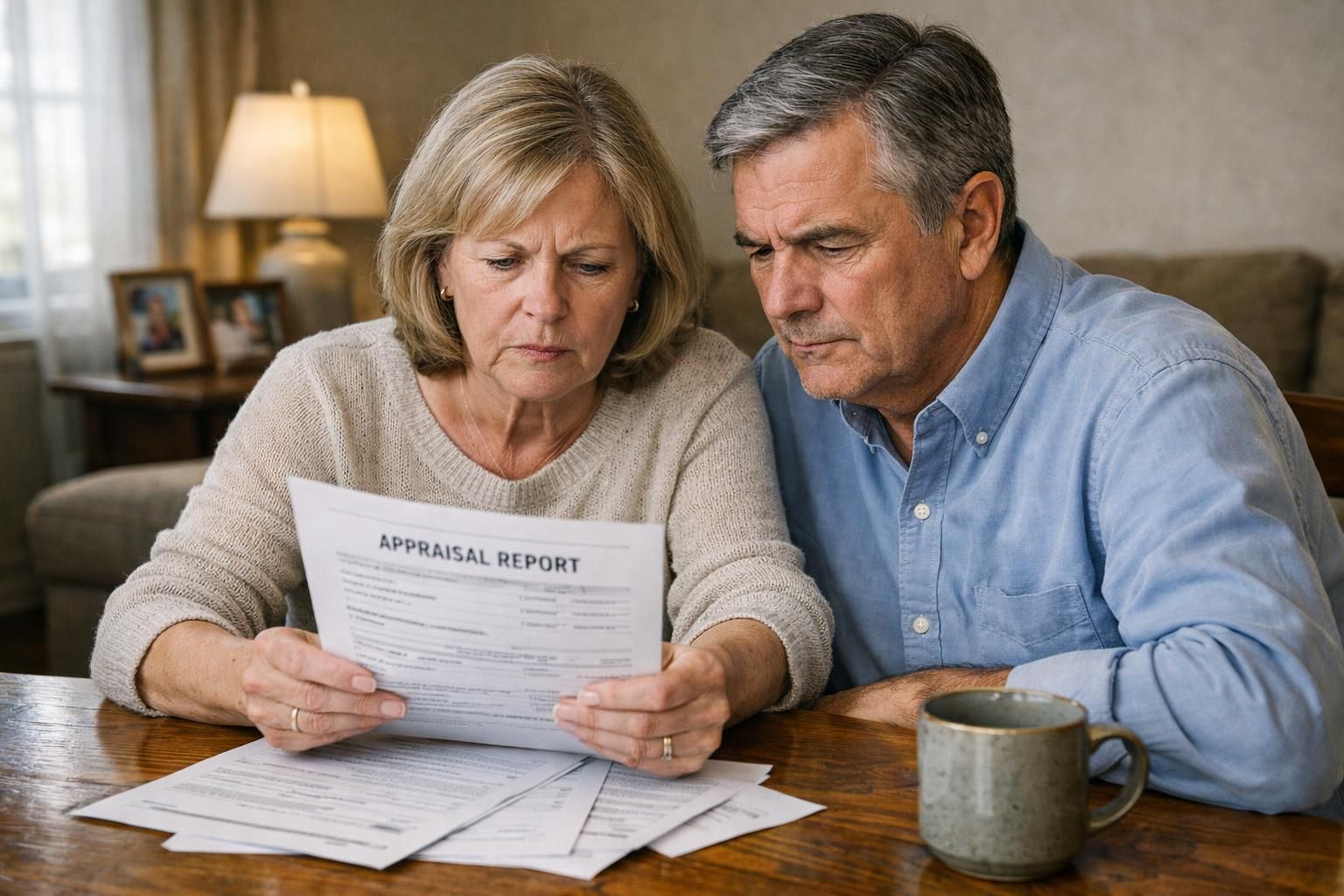
A home appraisal gives you a fair estimate of your property's market value, based on analysis from a state-licensed appraiser. Mortgage lenders require this step to make sure the property supports your loan amount and protects their investment.

Definition of a home appraisal
A home appraisal gives you an unbiased, professional estimate of your property's value. A state-licensed or certified appraiser conducts this evaluation for banks, mortgage lenders, and sometimes insurance companies. 2 The expert follows strict rules called Uniform Standards of Professional Appraisal Practice, known as USPAP. Indiana appraisers are licensed and regulated through the Indiana Professional Licensing Agency (IPLA), which oversees certification, continuing education requirements, and disciplinary standards.
An appraisal report includes details about property condition, square footage, improvements made to the home, location factors like school districts, and comparable sales data from nearby properties.
Lenders use this document to decide loan amounts and ensure they are not lending more than the home is worth. Sellers rely on fair valuation to support their price in negotiations or help prevent surprises during the closing process. 1
Importance for sellers, buyers, and lenders
Appraisals hold real weight in any Indiana real estate transaction. As a seller, you depend on the home appraisal to confirm your property value matches the final sale price. For buyers, appraisals help keep overpaying at bay and provide confidence that their investment reflects fair market value based on current comparable sales and local trends.
Lenders rely on state-licensed appraisers for an unbiased opinion of market value before approving mortgage loans or refinancing requests. Most lenders target a loan-to-value ratio at or below 80 percent. If your home appraises higher than expected, you may eliminate private mortgage insurance (PMI) or qualify for better interest rates.
Appraisals also matter during divorce settlements, probate cases in Indiana courts, refinances, or when tapping into home equity. Indiana's Marion County, Hamilton County (serving Carmel and Fishers), and Boone County (Lebanon) courts all handle estate and divorce proceedings where independent appraisals are commonly required.
Difference between a home appraisal and a home inspection
A home appraisal estimates your property's value for the mortgage lender, focusing on fair market value based on comparable sales and local real estate trends. A state-licensed appraiser visits your home to check basic condition, square footage, upgrades, and location but does not examine every system in depth.
Home inspectors do a more detailed job — they test systems like HVAC, roofing, plumbing, and electrical to find safety issues or repairs needed before closing. Both reports can impact loan approval, but only the inspection report checks every detail of your property's structure and function. If you worry about major repairs found during either process, speaking with a knowledgeable real estate professional early helps you understand your options.
Back to topWhen Do Appraisals Happen in the Selling Process?

Most home appraisals take place after you accept an offer but before the closing date, especially when a mortgage lender or bank is involved. Understanding this timing helps you prepare for each step in your Indiana real estate transaction.

Traditional sales (after offer acceptance, before closing)
After both parties sign the purchase agreement, your mortgage lender orders a home appraisal. The buyer typically pays for this appraisal fee, which appears on your closing disclosure three days before the sale completes.
A licensed appraiser visits your home and uses comparable sales — called "comps" — from similar homes in your area. Because Indiana is a non-disclosure state, appraisers pull this data primarily from the MLS rather than public deed records. They consider square footage, lot size, bedroom and bathroom count, and recent home improvements when estimating fair market value. Their final report can impact loan approval if it comes in lower than expected.
Refinances, estate settlements, and divorce situations
Refinancing your Indiana home requires a property appraisal to update the home value for loan approval. Lenders use this to determine your loan-to-value ratio, interest rates, and available equity. Strong credit or high equity may qualify you for an appraisal waiver, but most refinancing transactions still require a state-licensed appraiser.
In Indiana probate proceedings, an appraisal helps establish the fair market value of real estate for tax and asset distribution purposes. Indiana probate cases are handled through the county circuit or superior courts — for example, Marion County Superior Court in Indianapolis or Hamilton County courts serving Carmel and Fishers. Divorce proceedings in Indiana also rely on independent appraisals to fairly distribute real estate assets between parties based on current property values.
Appraisal exceptions for all-cash sales
Cash buyers do not need approval from a mortgage lender, so the appraisal process is typically skipped. This speeds up your real estate transaction and helps you avoid delays tied to traditional loan requirements. Most all-cash sales in Indiana close significantly faster as a result.
Selling directly to a cash buyer lets you bypass appraisal contingencies and save on appraisal fees that typically range between $300 and $700. Many Indiana homeowners — particularly those in Indianapolis, Noblesville, and surrounding communities — choose the cash route because it eliminates risks tied to low appraisals that might otherwise threaten the deal.
Back to topWhat Does an Appraiser Do?

A state-licensed Indiana appraiser visits your home, reviews its condition and upgrades, and uses comparable sales along with market trends to produce an unbiased report.

On-site inspection process (interior and exterior evaluation)
An on-site home appraisal inspection gives the appraiser a close look at your property. This detailed visit directly impacts your final appraised value and your real estate transaction.
- The licensed Indiana appraiser schedules a visit to your property, which usually lasts about 30 minutes for standard homes. Larger or unique properties may take longer.
- You can be present during the appraisal. The appraiser will walk through both the interior and exterior of your home, reviewing every major area.
- Inside, the professional evaluates bedrooms, bathrooms, kitchen, living spaces, and any additions or finished basements. Home upgrades like new roofing or updated appliances are carefully noted.
- Outside, they examine curb appeal and check siding, windows, roofing, porches, garages, driveways, landscaping, and lot size dimensions.
- FHA and VA loan programs require extra scrutiny for safety issues such as handrails on stairs or peeling paint in homes built before 1978.
- The appraiser takes photos of every major room and all exterior sides for their report, as required by mortgage lenders and Indiana licensing standards.
- Visible repairs needed — like leaks or structural damage — influence market value and can limit loan approval options.
- Square footage is measured for finished living areas only. Unfinished basements and attics do not count toward total home value unless legally converted to living space.
- Remodeled kitchens, updated bathrooms, or energy-efficient windows are recorded in the report and may boost fair market value.
- All findings feed into valuation models like the sales comparison approach, using recent local MLS data to set market value estimates.
Indiana appraisers must meet education and licensing standards set by the IPLA, complete regular continuing education, and pass state exams before each certification renewal. These professionals play a critical role in determining how much buyers must cover with their down payment based on loan-to-value ratios calculated from the final appraisal report.
Use of comparable sales (comps) and market trends
Appraisers use comparable sales — often called "comps" — to estimate your home's fair market value. In Indiana, a non-disclosure state, appraisers pull this data primarily from MLS records rather than publicly recorded deeds. They look at properties with matching square footage, bedroom and bathroom count, property size, age, and condition. Homes that sold within 90 days carry the most weight.
Market trends play a strong role too. Indiana real estate prices tend to rise in spring and summer but may soften in winter due to lower demand. Appraisers must stay objective and follow guidelines set by entities like Fannie Mae or Freddie Mac when preparing residential appraisals. This ensures your home value estimate is grounded in solid evidence rather than opinion or outdated data.
Back to topKey Factors That Impact Appraised Value

Location, condition, age, updates, and neighborhood trends
Property location plays a significant role in your Indiana home appraisal. Appraisers look at your neighborhood, proximity to schools, shopping, crime rates, and development plans. Communities like Carmel and Fishers consistently rank among Indiana's highest-value markets, while rural areas or neighborhoods with declining trends may appraise lower regardless of property condition.
Because Indiana is a non-disclosure state, appraisers rely entirely on MLS data for comparable sales — unlike in disclosure states where public sale records are available. Well-kept homes with recent upgrades show better during the appraisal process. Updating kitchens or bathrooms can increase property value, especially if you have permits and receipts ready. Older homes without updates may appraise lower than newer properties with modern features, and neighborhood trends further shape the final market value estimate.
Back to topHow to Prepare for a Home Appraisal

Practical tips: repairs, cleaning, decluttering, and documentation
Tackle minor repairs before the home appraisal. Fix leaky faucets, replace bulbs, patch chipped paint, and address cracked windows. Even small problems can raise questions about your property condition and reduce your home value estimate. Clean every room thoroughly and organize closets so all areas are accessible for the appraiser's inspection.
Declutter countertops, entryways, bedrooms, and garages so square footage stands out clearly. Prepare documents showing proof of recent upgrades — receipts, permits pulled through your local Indiana building department, or clear photos. Keep utilities running throughout the visit so each system works as intended. Let the appraiser work without feeling pressured; a transparent approach builds trust and supports a fair outcome during any Indiana real estate transaction.
Back to topWhat Happens After the Appraisal?
Your Indiana-licensed appraiser will send an appraisal report to your mortgage lender within a few days. Under federal law, the lender must provide you with a copy of this report. Review the home value estimate and work with your real estate professional or loan officer if you see any issues with the final property value.
Report timeline and possible outcomes (matching, low, or significant issues)
From order to delivery, expect the full home appraisal process to take about 7 to 21 days. If your home's appraised value matches or exceeds the contract price, your real estate transaction should move forward smoothly.
About 10–15% of all appraisals come in below contract price, creating an "appraisal gap." In these cases, buyers might increase their down payment to cover the difference, or you may need to renegotiate the sale price. If there is an appraisal contingency in place and negotiations fail, buyers may walk away from the deal without penalty. Significant repair issues flagged by appraisers can also delay closing or affect loan approval.
For sellers who want to avoid this uncertainty altogether, services like KDS Homebuyers' we buy houses program offer a direct cash purchase with no lender-required appraisal, meaning a low appraisal value cannot derail the transaction.
Back to topCommon Appraisal Challenges for Distressed Properties
Issues with major repairs, deferred maintenance, or title complications
Major repairs like roof damage, faulty wiring, or foundation problems can lower your Indiana home appraisal. Properties needing significant repairs may not qualify for conventional mortgage loans. Deferred maintenance — peeling paint, missing handrails, or non-working smoke detectors — can also cause FHA appraisals to fail, blocking buyers who rely on government-backed financing.
Title complications create additional hurdles. In Indiana, liens, unpaid property taxes, or ownership disputes must be resolved before a real estate transaction can close. These issues appear in title searches and can reduce fair market value estimates or delay closing entirely. Working with a state-licensed appraiser and an experienced real estate professional helps you address these challenges early in the process.
Back to topOptions for Sellers with Appraisal Concerns
Selling directly to a cash buyer to bypass appraisal challenges
Selling your Indiana home to a cash buyer lets you skip the lender's appraisal process. You do not have to worry about low appraisals or delays caused by strict mortgage requirements. Cash buyers use their own methods — like property market analyses — instead of relying on a licensed appraiser's report, so appraisal contingencies that could slow down closing are removed entirely. 3
Many Indiana sellers in tough situations choose this route to reduce risk and stress. You save time since there is no appraisal fee or waiting for mortgage lender approval. Setting your price based on comparable sales and current market trends gives you more control over the final deal without worrying about property condition setbacks that are commonly flagged during formal appraisals.
Back to topSelling Your Indiana Home: Understanding the Process and Options
Listing your Indiana property involves several steps, with appraisers using the sales comparison approach to determine fair market value by comparing your home against recent MLS-sourced comparable sales in your neighborhood. Because Indiana does not require public disclosure of sale prices, MLS data is the primary tool appraisers rely on — making your home's listing history and agent-reported comps especially important.
If you accept an offer tied to a mortgage loan, expect a state-licensed appraiser chosen by the lender or their third-party management partner under Dodd-Frank Act rules. Appraisal costs in Indiana typically range from $300 to $600 for most single-family homes. 4 The report directly affects loan approval and closing timelines.
If issues arise — a low appraisal, property condition problems, or title complications — other options exist. Selling to a cash buyer is a popular choice for Indiana homeowners who need to close quickly or are dealing with a distressed property. Real estate professionals can also help guide you through hybrid or desktop appraisal options if speed is critical, or suggest targeted repairs that could boost your home's value before listing. Reviewing all available options prepares you for every step in your Indiana real estate transaction.
Back to topConclusion
Understanding the home appraisal process puts you in control during your Indiana real estate transaction. With clear steps, realistic expectations, and input from a state-licensed appraiser, you can prepare your property to present its best value. Small upgrades and attention to detail may boost your market value estimate. If challenges arise, reach out to a trusted real estate professional early for guidance on your next steps.
If you want to skip the appraisal process entirely and close on your timeline, KDS Homebuyers purchases homes directly from Indiana homeowners for cash — no lender, no appraisal required. Visit kdshomebuyers.net to request your free, no-obligation cash offer today.
Back to topFAQs
1. What is a home appraisal and why do Indiana sellers need one?
A home appraisal is an expert's estimate of your property value during a real estate transaction. Indiana mortgage lenders require this step to confirm fair market value before approving a loan or refinancing.
2. How does the appraisal process work in Indiana?
The licensed appraiser reviews recent MLS comparable sales — since Indiana is a non-disclosure state — inspects property condition, and considers square footage, lot size, bedrooms and bathrooms, upgrades, and location. The result becomes the official appraisal report used in the transaction.
3. What happens during an appraiser's on-site visit?
The state-licensed appraiser checks your home's physical condition inside and out, noting improvements, room count, and features that affect market value. They take photos for documentation required by lenders and Indiana licensing standards.
4. Which methods do Indiana appraisers use to determine property value?
Professionals typically rely on three approaches: the sales comparison approach (using MLS comps), the cost approach (estimating replacement costs), and the income approach (for investment properties).
5. Can a low appraisal affect my Indiana home sale?
Yes. If the appraised value comes in below the contract price, it can cause delays, force renegotiation, or lead the buyer to walk away if an appraisal contingency is in place.
6. Can I challenge an appraisal report in Indiana?
You can request a reconsideration of value through your real estate professional by providing evidence such as more accurate MLS comparable sales data or pointing out errors in square footage calculations in the original report.
References
- ^ https://www.investopedia.com/articles/pf/12/home-appraisals.asp
- ^ https://www.citizensbank.com/learning/what-is-an-appraisal.aspx
- ^ https://oneappraisalgroup.com/can-fsbo-sellers-skip-the-appraisal-process/
- ^ https://www.homelight.com/blog/home-appraisal-process/
More in Appraisals and home value
- The Data Behind Online Appraisals: How AVM Tools Can Pump Up (or Down) Your Price
- Appraisal Definition: How Your Home Value Is Determined
- How to Prepare Your House for an Appraisal: Tips to Boost Your Home's Value
- What Is My Home Worth? Home Valuation Methods for Sellers
- What Is My Home Worth? How to Determine Your Home's Value
- Should You Pay for a Home Appraisal Before Listing? Pros, Cons, and Costs
See our guide: “Closing Costs for Sellers: What You'll Pay and How to Reduce Them” →
