

Selling a House With Pest Damage: Termites, Bed Bugs, and More
Table of Contents
- Can You Sell a House with Pest Damage?
- Types of Pest Damage and Their Impact
- Option 1: Sell on the Open Market
- Option 2: Sell As-Is to Cash Buyers
- Disclosure Laws and Legal Obligations
- Cost Analysis: Repairs vs. Concessions
- Step-by-Step Selling Process
- Working with Real Estate Professionals
- Conclusion: You've Got More Options Than You Think
- Frequently Asked Questions
You've just spotted the damage. Termite tunnels in the beams, rodents in the walls, bed bugs—and now your home sale feels impossible. But here's what you need to know: thousands of homeowners successfully sell houses with pest damage every single year. Your situation isn't as dire as it feels right now.
Selling a house that needs work? Start with what to know before selling a house that needs repairs. It explains what as-is means, how pricing works and every way to sell a house with problems.
Panic is the first instinct. It's natural. But panic won't help you decide what to do next, and there are actually several solid options available to you. You can remediate fully before listing. You can sell as-is. You can find a cash buyer who'll take it off your hands without repairs. Each path has different financial and practical tradeoffs, and this guide will walk you through all of them so you can pick what actually makes sense for your situation.
Can You Sell a House with Pest Damage?
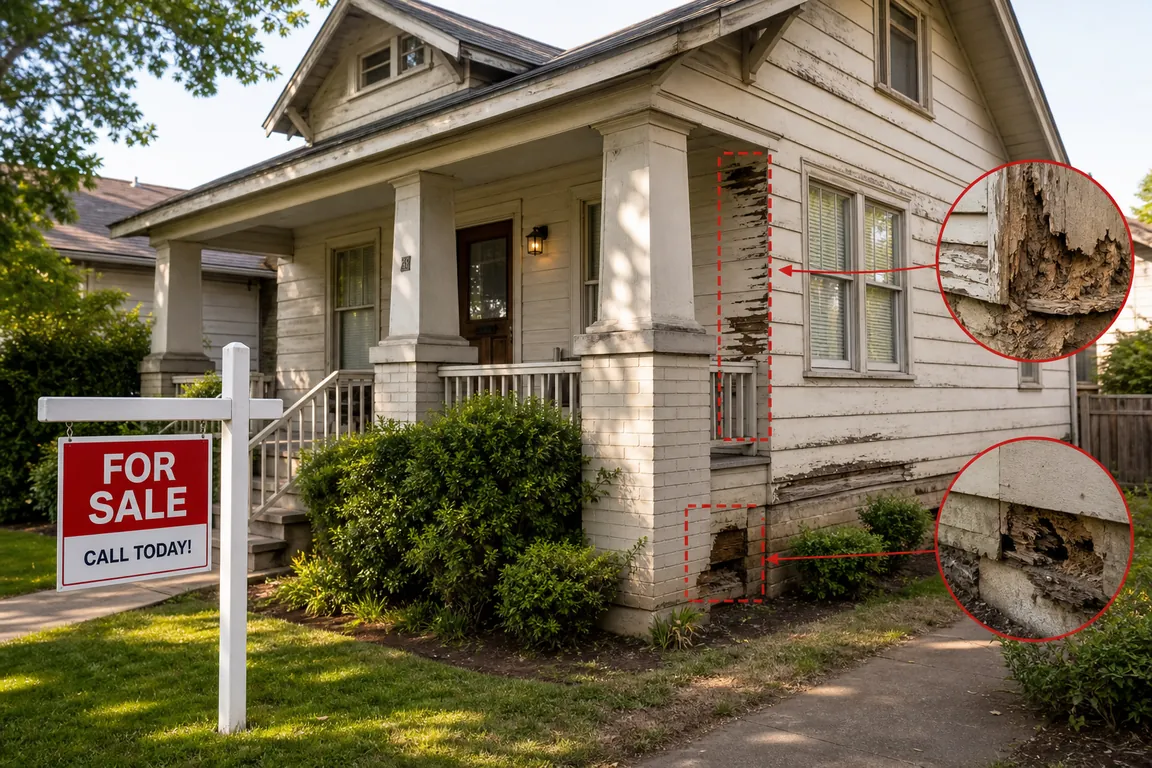
Yes, you can sell. Even severe termite damage or extensive rodent contamination won't legally stop you from selling your home anywhere in the U.S. But here's what matters: you'll need a solid plan around disclosure, pricing, and how you actually sell the place. The best approach depends on three things — how bad the damage is, your current financial situation, and whether you need out fast or can wait.
Understanding Pest Damage Severity Levels
A few ants in the kitchen? Annoying. Termites tunneling through your main support beam? That's a different animal entirely. You've got to be honest about where your situation falls on that spectrum because it determines everything that comes next.
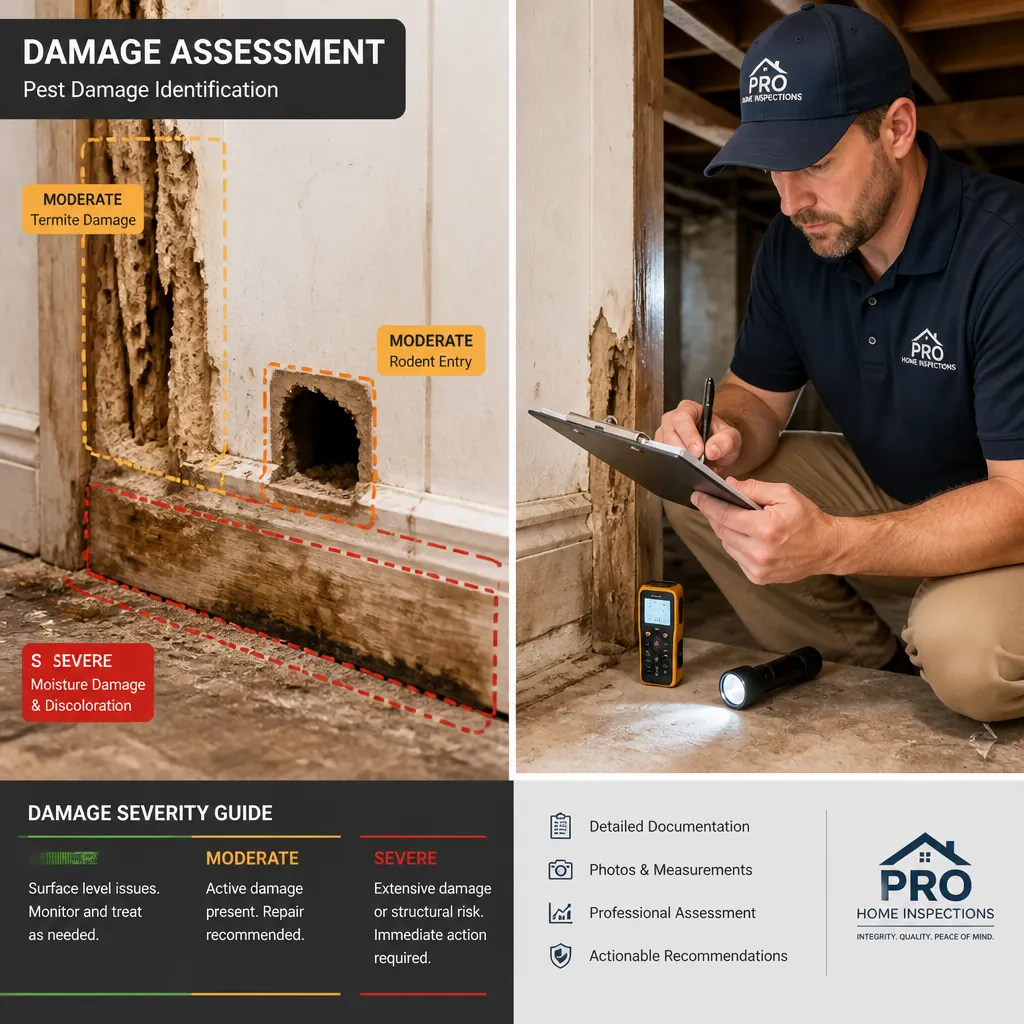
Minor infestations without structural damage are the easiest sell. You get professional treatment, keep the paperwork, disclose it properly, and move forward. Moderate damage is trickier — it'll need localized repairs plus treatment. And severe damage? That's when compromised structural elements, widespread contamination, or health hazards come into play. These situations demand careful planning and steeper price cuts.
Legal Requirements for Disclosure
Most states require you to disclose known pest damage and active infestations on seller disclosure forms. The key word is "known." You don't have to hire a pest inspector before you list, but the moment you know about damage, you're required to disclose it. Skip this step and you're looking at post-sale lawsuits, broken contracts, and real money in penalties.
Transparency is your protection here.
Impact on Home Value and Buyer Interest
Expect pest damage to knock 5% to 25% off your home's value. It depends on what kind of pests, how extensive the damage is, and whether it's been treated and fixed. Termite damage usually hits hardest because buyers worry about structural issues. Cosmetic problems — like old rodent droppings in a finished space — don't hurt nearly as much once a professional's cleaned it up.
And here's something that surprises people: buyers aren't always terrified of homes with treated pest history, especially if you can show warranties and professional documentation. Active infestations? That's different. That'll scare people away. But a problem that's been addressed? They can live with that.
Back to topTypes of Pest Damage and Their Impact

What you're dealing with changes everything. Your repair budget depends on it. Your disclosure language depends on it. Your entire sale strategy depends on it. Here's what the most common pest problems actually mean when you're trying to sell.
Termite Damage Assessment
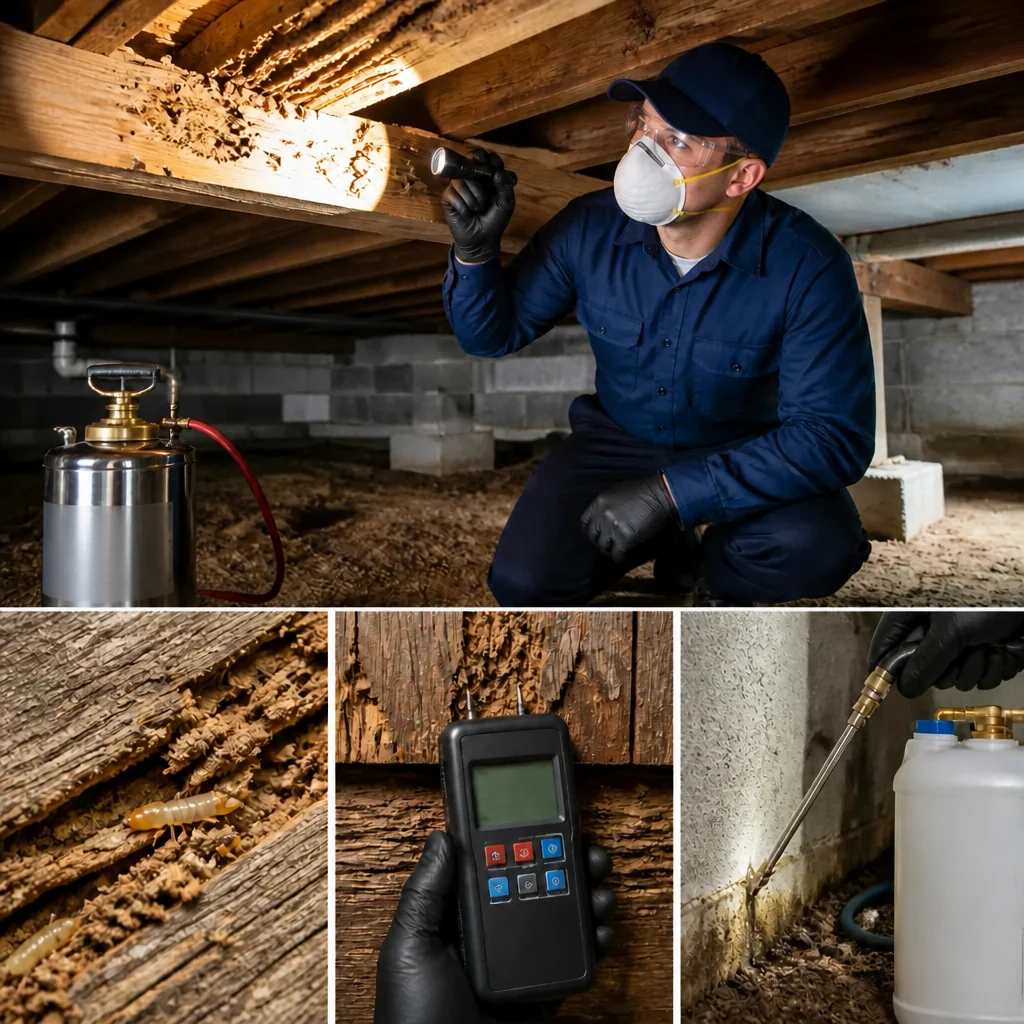
Termites cost homeowners an estimated $5 billion in property damage annually across the United States. That's more than all homeowner insurance claims for natural disasters combined. Subterranean termites—the worst offenders—tunnel up from the ground and attack floor joists, wall studs, roof supports, and window frames. You'll find drywood termites in warmer, coastal climates, and they infest wood directly without needing soil contact. If you suspect you've got termites, get a licensed pest inspector to pull a Wood Destroying Organism (WDO) report. This document shows active infestations and past damage, and you'll need it for your sale no matter which direction you go. Want the full strategy? Check out our guide on selling a house with termite damage.
Rodent and Wildlife Damage
Don't underestimate what mice and rats can do. They chew through electrical wiring—creating legitimate fire hazards—and shred insulation, vapor barriers, and HVAC ductwork. Feces and urine contamination spreads through your insulation. Raccoons tear into roofing and soffits. Birds nest in attics. You're not just paying to exterminate these creatures. You're paying for sanitation, new insulation, new ductwork, and sealed entry points. That bill climbs fast.
Cockroaches and Other Structural Pests
Cockroaches won't collapse your walls. But they'll kill your sale. German cockroaches especially—once buyers see them, even after professional treatment, deals often vanish. Carpenter ants and carpenter bees do serious structural damage by tunneling through wood, though slower than termites. Powderpost beetles attack hardwoods and can destroy flooring and structural timbers over time.
Bed Bugs and Health Risks
Bed bugs don't damage the structure of your home. What they do is damage buyer confidence—sometimes permanently. Even after successful treatment, the stigma sticks. Buyers walk away. Families with kids or anyone with respiratory issues won't touch a home with a rodent or cockroach history. And mold-associated pests? Those raise legitimate health flags that today's buyers won't ignore.
| Pest Type | Severity Level | Estimated Repair Cost | Home Value Impact | Timeline to Fix |
|---|---|---|---|---|
| Termites (minor) | Low–Moderate | $500–$3,000 | 5–10% | 1–4 weeks |
| Termites (structural) | Severe | $10,000–$50,000+ | 15–25% | 1–6 months |
| Rodents (minor) | Low | $300–$1,500 | 3–7% | 1–3 weeks |
| Rodents (extensive) | Moderate–Severe | $3,000–$15,000 | 10–20% | 4–12 weeks |
| Carpenter Ants/Bees | Low–Moderate | $500–$5,000 | 5–12% | 2–8 weeks |
| Cockroaches | Low (structural) | $300–$1,200 | 3–8% | 2–6 weeks |
| Bed Bugs | Low (structural) | $500–$2,500 | 5–10% | 2–6 weeks |
| Wildlife/Raccoons | Moderate | $1,000–$8,000 | 5–15% | 2–8 weeks |
Option 1: Sell on the Open Market

You can still sell a pest-damaged home through a traditional real estate agent on the open market. It's absolutely doable—if you plan strategically. This route typically gets you the highest sale price, but fair warning: it also demands the most prep work, patience, and money upfront.
Repairing Pest Damage Before Listing
Here's the payoff: full remediation and repairs can restore 70% to 90% of your home's pre-damage value. That's the best-case scenario. It works if you have the time and cash to invest in doing it right. The work involves three main steps. First, a professional pest control team eliminates the active infestation. Then contractors repair any compromised wood or structural materials. Finally, you handle the cosmetic fixes that buyers will actually see. A follow-up inspection confirms everything's resolved.
Get a warranty from your pest control company. Seriously—this is one of the most powerful selling tools you'll have with traditional buyers.
And if wildlife damage also damaged your roof? Check out our companion article on selling a house with an old or damaged roof. It covers how structural damage affects buyer negotiations.
Professional Treatment and Warranties
Most reputable pest control companies offer transferable warranties. That means the new buyer gets the coverage when they take possession. Big deal. A one-year renewable termite bond alone can boost buyer confidence and add 5–10% to your final sale price compared to selling with no warranty at all. When you're choosing a pest control provider, look for companies offering transferable warranties and willing to provide documentation that meets your buyer's lender requirements. FHA and VA loans have specific pest inspection standards, so don't skip this step.
Pricing Strategy with Pest History
Even after complete treatment and repair, your pest history might still ding your final price. Expect a 3–7% reduction if the damage is fully remediated and documented. That's the reality. Your comparative market analysis (CMA) should build this stigma discount in from the start—don't assume you'll hit full market value. But here's the trick: price competitively from day one. You'll attract more interest and get competing offers, which often more than makes up for that discount. Overpricing and waiting gets you nowhere.
Marketing a Home with Pest History
Lead with the solution. Never lead with the problem. Your listing should highlight the professional treatment you completed, the structural repairs you made, and the transferable warranties you're offering. Buyers trust thoroughness. A seller who treated the issue proactively, fixed the damage, got documentation, and locked in ongoing protection? That actually looks better than a seller with no pest history and no recent inspection records. Think about that.
Back to topOption 2: Sell As-Is to Cash Buyers

Don't have months to coordinate repairs? Don't have the cash to fund them? Selling as-is to a cash buyer might be your answer. Real estate investors and companies like KDS Homebuyers buy homes in any condition — active infestations, structural damage, health hazards and all. They're not waiting for you to fix anything.
Understanding Cash Buyer Advantages
Here's what makes this work: no repair requirements. No inspection contingencies. No lender appraisals dragging things out. You tell the buyer what you know, they do their own assessment, and you close on your timeline. This approach fits homeowners facing foreclosure, landlords dealing with tenant-caused pest problems, people who inherited properties with mystery damage, or anyone managing financial hardship. And it works for those who simply don't want to manage a complex remediation nightmare.
Expected Price Reductions
You'll typically see a 10% to 30% discount compared to full market value. The exact number depends on damage severity and what your local market looks like. But here's the thing — compare that discount against what you'd actually spend: remediation costs, carrying costs while repairs happen, real estate commissions, plus the risk a traditional buyer walks after their inspection discovers something worse. Many homeowners end up with the same or better net proceeds from an as-is cash sale.
Speed of Sale Timeline
Cash closings happen in 7 to 30 days. Traditional financed sales? 60–120 days minimum. If foreclosure is breathing down your neck, you're relocating on a deadline, or you're settling an estate, that speed difference alone can justify a significant portion of the price cut.
Avoiding Costly Repairs and Inspections
You skip repair costs entirely. But you also stop bleeding money on carrying costs — mortgage, utilities, insurance, property taxes — that pile up while you're repairing and listing. And there's another protection here: you don't face the scenario where a buyer's inspection uncovers additional problems you weren't aware of and kills the deal after weeks of back-and-forth.
| Method | Timeline | Typical Price | Repairs Required | Best For |
|---|---|---|---|---|
| Open Market (Repaired) | 60–120 days | 90–97% of market value | Yes — full remediation | Sellers with time and capital for repairs |
| Open Market (As-Is, Disclosed) | 45–90 days | 75–90% of market value | No, but deep price cuts expected | Sellers willing to price aggressively |
| Cash Buyer / Investor | 7–30 days | 70–90% of market value | No repairs required | Sellers needing speed or avoiding repairs |
| Auction | 30–60 days | 60–80% of market value | No | Distressed sellers needing certainty |
Disclosure Laws and Legal Obligations
This is where sellers typically stumble. Get disclosure wrong, and you could face lawsuits, contract rescission, or fraud allegations years after closing. But here's the good news: when you disclose correctly, you're protected. It's that simple.
What Must Be Disclosed vs. what's Optional
Pest damage — especially structural damage — qualifies as a material defect in nearly every U.S. state. That means you have to disclose it. Active infestations, evidence of past termite activity, structural damage caused by pests, and any completed treatments all fall into the required category.
What about that ant problem from 15 years ago that never came back? Generally, you don't have to mention it. But honestly? If you're unsure, disclose anyway. It protects you far more than staying quiet ever will.
Consequences of Non-Disclosure
Buyers can sue after closing for damages. They can demand contract rescission — meaning the sale gets unwound. You could face regulatory penalties or even fraud allegations. Courts consistently rule against sellers who knew about significant pest damage and kept quiet about it.
Selling as-is to a cash buyer? You still need written disclosure. That's your legal shield.
| State/Region | Pest Damage Disclosure Required | Timing | Penalties for Non-Disclosure |
|---|---|---|---|
| California | Yes — TDS form required; WDO separate | Before or at offer | Civil liability; rescission possible |
| Florida | Yes — material defects required | Before contract | Fraud claims; damages; rescission |
| Texas | Yes — Seller's Disclosure Notice | Within 7 days of contract | Termination rights; civil suits |
| Colorado | Yes — Seller's Property Disclosure | Before or at contract | Civil liability; potential rescission |
| Tennessee | Yes — Residential Property Disclosure | Before contract | Civil damages; deal rescission |
| Indiana | Yes — Sales Disclosure Form | Before or at offer | Civil liability; contract voiding |
| Washington | Yes — Seller Disclosure Statement | Within 5 days of mutual acceptance | Buyer rescission rights; civil suits |
Need specifics for your state? We've got detailed guides on selling with termite damage in California, Florida termite disclosure requirements, Colorado termite sales guidance, Tennessee termite selling considerations, and Washington State termite disclosure.
Back to topCost Analysis: Repairs vs. Concessions
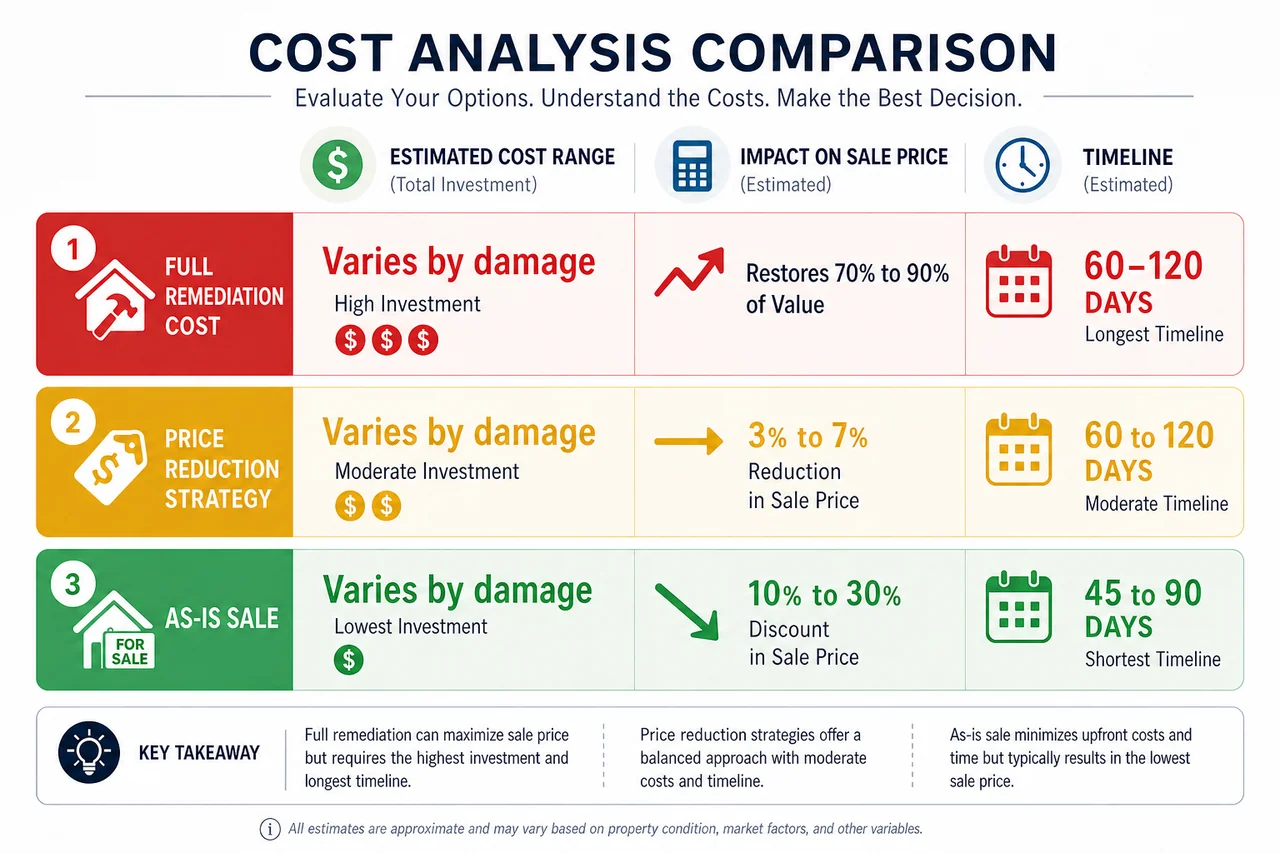
Here's the big decision: do you fix everything before listing, or sell as-is for less money? Your answer depends on your specific numbers — and we're going to walk through the math so you can make the right call.
Full Remediation Cost Estimates
Professional pest treatment? That's $300 to $3,000+. But structural repairs are where things get expensive fast. You might pay $500–$2,000 for minor wood rot. Floor joists can run $5,000–$20,000 to replace. And if termites hit your foundation sill plate badly, you could be looking at $50,000 or more.
Get at least two independent contractor bids before you commit to anything. You need a real number, not a guess.
The Break-Even Calculation
This is where most sellers get blindsided. You need to compare your net proceeds two ways: Expected sale price after repairs minus repair costs, agent commissions (5–6%), and extra carrying costs for 2–3 months — versus what you'd actually pocket from an as-is sale. And here's the thing: even after you fix everything, many buyers still negotiate down once their inspector confirms the pest history.
| Scenario | Repair Cost | Expected Sale Price | Time to Sell | Net Outcome |
|---|---|---|---|---|
| Full repair, open market (home value $300K) | $15,000 | $285,000–$291,000 | 75–90 days | ~$253,000 after commission/costs |
| Partial repair, open market | $5,000 | $255,000–$270,000 | 60–90 days | ~$237,000 after commission/costs |
| As-is, cash buyer | $0 | $225,000–$255,000 | 7–21 days | ~$225,000–$255,000 (no commission) |
| As-is, open market listing | $0 | $220,000–$250,000 | 45–90 days | ~$200,000–$232,000 after commission |
These reflect what actually happens in the market. On a $300,000 home, the difference between a fully repaired traditional sale and a cash as-is sale usually lands in the $15,000–$35,000 range. That's real money, but it's rarely the $100,000+ gap sellers imagine. Got water damage too? Our guide on selling a house with water damage breaks down how stacked problems shift your pricing and strategy.
Back to topStep-by-Step Selling Process
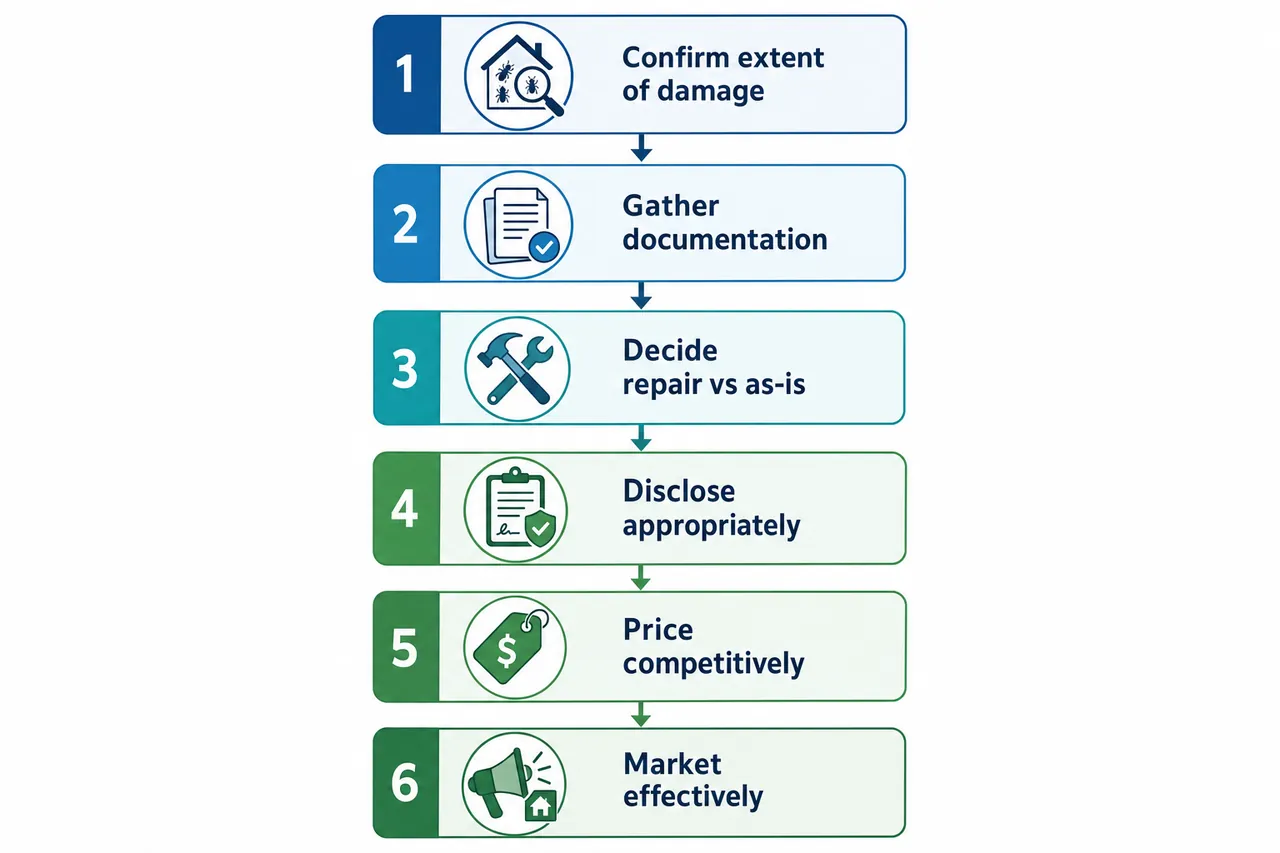
Want to know what comes next? The selling process follows the same basic framework no matter which route you choose. Here's how to get from where you are now to closing day without losing sleep.
Step 1: Confirm the Extent of Damage
Start here. Hire a licensed pest inspector to dig into what you're actually dealing with. If you suspect termites or carpenter ants, ask specifically for a Wood Destroying Organism (WDO) report. This document shows active infestations, what's already been damaged, and whether conditions in your home are inviting pests to stick around — and it becomes the foundation for everything that comes next.
Step 2: Gather Documentation and Inspection Records
Pull together every pest inspection report you have. Dig out treatment records, warranties, contractor invoices, repair permits, receipts, and before/after photos if you've already fixed anything. Why does this matter? Because this paperwork does two heavy lifts at once: it checks the legal box on disclosure obligations and it tells buyers (especially cash buyers) that you took this seriously and handled it like a professional.
Step 3: Decide on Repair or As-Is Strategy
Look back at that cost-benefit framework. Now ask yourself the hard questions about your timeline, how much cash you actually have available, what the local market is doing, and what your personal situation demands. There's no one-size-fits-all answer here. The right choice is whatever gets you the best result given your real constraints.
Step 4: Disclose Appropriately
Your state requires certain disclosure forms — fill them out completely and honestly. Attach the pest inspection reports and treatment records. And if you're working with an agent, they should walk you through this. But let's be clear: the legal responsibility lands on you. Read everything before you sign.
Step 5: Price Competitively
Look at what similar homes sold for. Adjust down for your pest history and current condition. This is where sellers mess up most often. They overprice hoping to cushion the blow. Instead, the house sits on the market longer, buyers start wondering what's wrong, and you end up cutting the price deeper than you would have if you'd priced it right from day one.
Step 6: Market Effectively
Lead with what you've fixed. Mention the professional treatment you completed, any transferable warranties, and that inspection records are available to review. Use high-quality photos that highlight the repaired areas while being honest about any cosmetic issues that remain. Virtual staging works especially well in rooms where pest damage took a toll on finishes or furnishings.
Back to topWorking with Real Estate Professionals

Your team of professionals can make or break the sale. Get this part right, and you've solved half your problems.
Finding Agents Experienced with Pest-Damaged Homes
Most real estate agents haven't dealt with pest damage disclosures, pricing adjustments, and the tricky buyer negotiations that come with them. When you're interviewing agents, don't be shy — ask point-blank about their experience with distressed properties and pest-damaged homes in your area. The best ones will already have relationships with pest control companies, structural engineers, and contractors on speed dial. That means faster timelines and better bids for you.
Pest Control Specialist Coordination
Your pest control company isn't just someone you call and pay. They're actually part of your sales documentation team, and that matters more than you might think. You need a company that'll provide detailed written reports, clear treatment plans, and warranties that transfer to the new owner. Here's the important question: does their documentation work for FHA or VA loans? If you're expecting buyers with government-backed financing, you need to know this upfront. For state-specific guidance on working with pest professionals, check out our Indiana guide and others — they cover regional licensing and what documentation actually matters.
Home Inspector and Appraiser Considerations
Appraisers have to note pest damage and active infestations in their reports. And that directly affects the appraised value. Which then affects how much traditional buyers can actually borrow. But here's where you can take action: if you've completed repairs, get a post-repair appraisal done. It documents the restored value and gives you solid proof for your listing price. Hand your pest inspection and treatment documentation to appraisers before they even step foot on the property. You'll prevent unnecessary value deductions for problems you've already fixed.
Back to topConclusion: You've Got More Options Than You Think
Selling a house with pest damage feels overwhelming. But it's absolutely doable. Maybe you invest in full remediation and list traditionally. Maybe you price aggressively and sell as-is to a traditional buyer. Or maybe you go the fast, certain route of a cash sale. Pick the strategy that fits your situation.
Here's what matters most: get a professional inspection to confirm exactly what you're dealing with. Then dig into your state's disclosure rules — this part isn't optional. After that, do the math on each option side by side. Which one actually makes financial sense for you?
The truth? Pest problems happen to tons of homeowners. You're not alone in this. And if you handle it honestly and professionally, you'll close.
Ready to move fast? KDS Homebuyers purchases homes in any condition — no repairs, no commissions, and no judgment. Get a no-obligation offer and see if it works for your situation.
Back to topFrequently Asked Questions
Do I have to disclose past pest damage that's already been treated?
Yes — in most states, you're required to disclose known material defects. Significant pest damage qualifies, even if it's professionally treated. Here's the good news: the treatment history, warranties, and repair documentation you disclose can actually strengthen buyer confidence rather than tank the sale. When in doubt, consult a real estate attorney in your state before completing disclosure forms.
Will my homeowner's insurance cover pest damage repairs?
Almost universally, no. Standard homeowner's insurance policies exclude pest damage entirely — they consider it a maintenance issue, not a sudden or accidental loss. Termite damage, rodent damage, repairs for those problems? Out of pocket. Some specialty pest control warranties and service contracts offer limited coverage for future treatment costs, but these are separate products sold independently from homeowner's insurance. Always check your specific policy terms before assuming you're covered.
How long does it take to sell a house with pest damage?
It depends entirely on how you sell. A cash buyer sale? You could close in 7–14 days. Selling as-is on the open market typically takes 45–90 days. But if you repair first and list traditionally, add 30–90 days for repairs plus another 60–90 days for marketing and closing — that's a 3–6 month timeline total. And here's what matters most: carrying costs (mortgage, insurance, taxes, utilities) add up fast. Compare those monthly expenses against any price premium you'd get from a repaired sale. You might be surprised which option actually costs less.
Can buyers walk away after discovering pest damage during inspection?
Yes. Most standard purchase contracts include an inspection contingency that lets buyers terminate or renegotiate if significant issues show up during their independent inspection. This is why proactive disclosure and pre-listing pest inspections matter so much — they eliminate inspection surprises that kill deals in the final stretch. Selling as-is to a cash buyer? You'll typically waive inspection contingencies or severely limit them.
What's a transferable termite warranty and why does it matter?
A transferable termite warranty (often called a termite bond) is a service contract between a pest control company and you. It guarantees re-treatment — and sometimes structural repair coverage — if termites come back within the warranty period. When you sell, the warranty transfers to the new owner. That ongoing protection matters. These warranties run $200–$500 per year to maintain and can be the difference between a deal closing or collapsing. Most lenders requiring pest clearance letters for FHA and VA loans look favorably on active transferable warranties.
Back to topMore in Foundation, systems and pests
- Selling a House With Septic Tank Problems: What Buyers Need to Know
- Selling a House With Polybutylene Pipes: What Buyers Will Ask
- Selling a House With Knob-and-Tube Wiring: Risks and Options
- Selling a House With Termite Damage: What Buyers Need to Know
- How to Sell a House With Foundation Problems
See our guide: “How to Sell a House As-Is: What It Means and How It Works” →

