

Selling a House With Termite Damage: What Buyers Need to Know in Tennessee
If you need to sell a house with termite damage in Tennessee, you are not alone. Termite infestations are especially common across the state's warm, humid climate — from Memphis in the west to Knoxville in the east. 1 This guide covers Tennessee-specific disclosure requirements, inspection reports, repair options, and how to protect your home's value. 3
Key Takeaways
- Termite damage can lower your Tennessee home's value by up to 25%. Repairs range from $500 for minor fixes to over $10,000 for severe structural issues.
- Tennessee law requires sellers to disclose known termite history on the state's Residential Property Condition Disclosure form. Failure to disclose risks lawsuits and loss of sale.
- A licensed Tennessee pest control company should provide a Wood-Destroying Organism (WDO) report before listing. These reports cost $75–$150 and support buyer confidence and mortgage approval.
- You can sell as-is at a discount (typically 10–30% below market), repair before listing, or work with cash buyers. Each option affects price, speed, and legal risk differently.
- FHA and VA mortgage approvals require proof that all termite problems were resolved before closing. Treatment records, repair receipts, and transferable warranties keep deals on track.
Understanding Termite Damage Impact

Tennessee's warm climate makes the state a prime environment for subterranean termites, which thrive in the soil throughout Middle and West Tennessee. A licensed pest control company or contractor can assess the damage and help you understand what repairs will cost before you list.

Structural vs. cosmetic damage and their impact on value
Structural damage from a termite infestation reaches into the foundation, framing, and floors. 1 Signs include sagging floors, warped walls, or doors that won't close properly. Repairs for severe structural cases can run from $5,000 to over $10,000, and real estate appraisals often drop by up to 20 percent.
Cosmetic damage — bubbling paint or minor holes along baseboards — usually costs less than $500 to fix and does not affect structural stability. Even so, any history of termite activity can cut your home's value by up to 25 percent compared to similar homes with no such record. Tennessee buyers, particularly in older neighborhoods in Nashville or Chattanooga, are increasingly aware of this stigma.
Common buyer concerns: foundation, framing, and floors
Buyers across Tennessee check foundations, framing, and floors closely before making offers. Subterranean termites — the most common species in Tennessee — build mud tubes from soil to wood in crawl spaces, which is a major red flag during inspections.
Sagging floors or warped walls signal structural damage from past infestations. Home inspectors examine these areas for hollow-sounding wood, bubbling paint, termite droppings, and mud tubes. Severe damage can mean repair costs between $500 and $10,000 or more. Buyers also want proof of completed termite treatment and ask about warranties against future activity.
Typical repair costs by severity ($500–$10,000+)
Repair costs in Tennessee vary based on the extent of damage. Below is a breakdown to help you plan.
| Damage Level | Type of Service | Estimated Cost Range | Details & Examples |
|---|---|---|---|
| Minor | Spot Treatments / Minor Repairs | $500 – $1,000 |
|
| Moderate | Localized Treatment / Whole-House Spot Repairs | $1,200 – $3,000 |
|
| Serious | Whole-House Fumigation / Major Repairs | $2,500 – $8,000 |
|
| Severe | Structural Repairs / Full Remediation | $3,000 – $10,000+ |
|
Disclosure Requirements in Tennessee
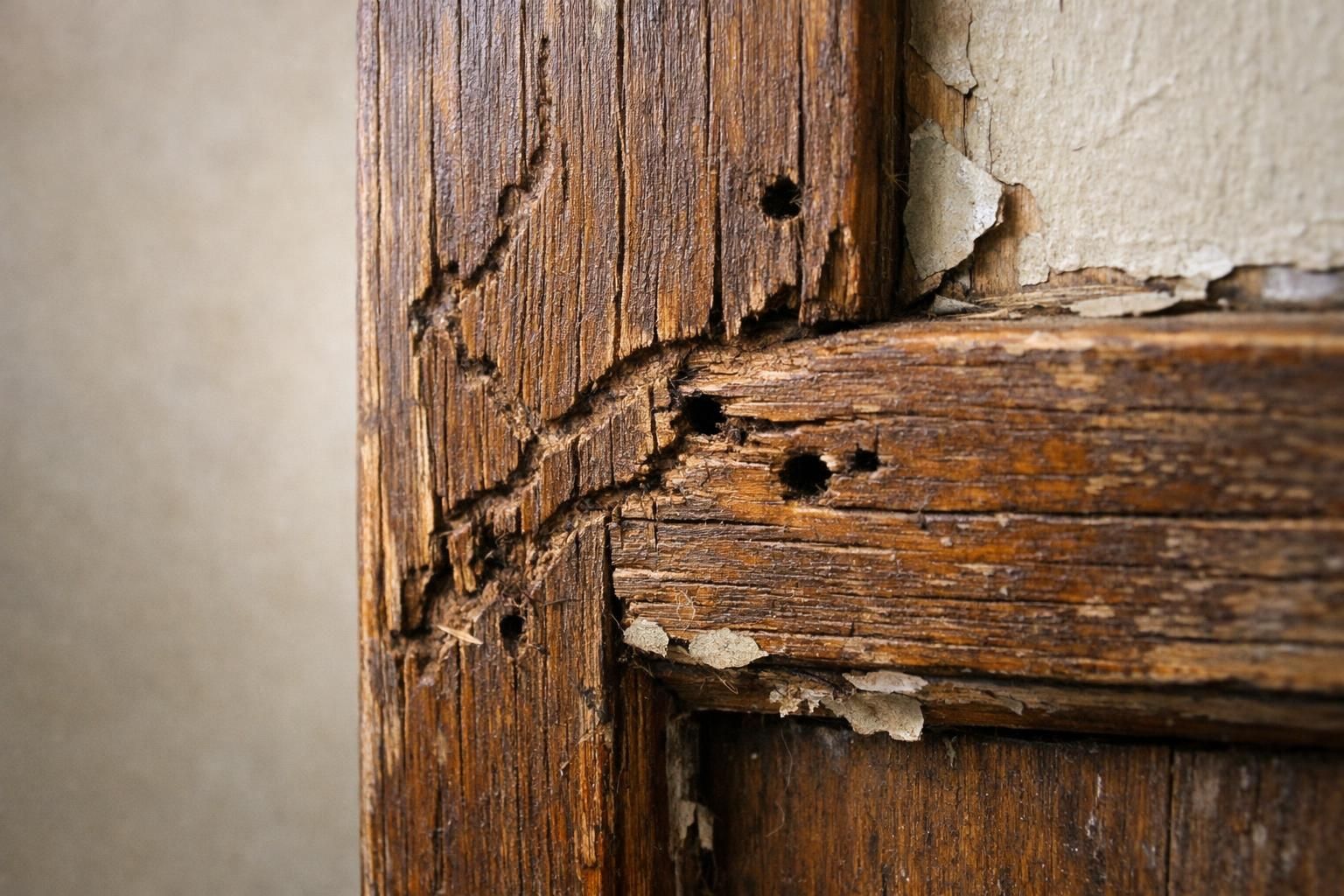
Tennessee law requires sellers to disclose known termite damage during real estate transactions. A knowledgeable real estate agent can help you complete the required form correctly and avoid problems with lenders or buyers later.

Tennessee disclosure obligations for known termite damage
Under Tennessee's residential disclosure law, sellers must complete the Residential Property Condition Disclosure form and honestly answer questions about known pest infestations, including termites. 2 This form must be provided to buyers before or at the time of signing a purchase contract.
You must disclose any known termite history — active colonies, past treatment, structural damage, and repairs performed. Failing to disclose these issues can lead to lawsuits, contract rescission, and monetary damages. 3 Federal rules also apply if the buyer is using an FHA or VA loan — both programs require proof that the home is free from active termites and that any damaged wood has been repaired prior to closing.
Definition of 'known damage' and consequences of non-disclosure
"Known damage" includes any evidence of termite infestation or structural damage you discovered yourself, learned about from an inspection, or were told about by a pest control company. Treatment records, repair receipts, and warranties all count as documentation.
Non-disclosure under Tennessee law puts your sale at serious risk. Buyers can sue for fraud and seek to reverse the real estate transaction if hidden issues surface after closing. Tennessee courts may order you to pay damages well beyond what transparency would have cost during negotiations. Being upfront protects your equity and prevents costly legal fees.
Back to topGetting a Termite Inspection in Tennessee
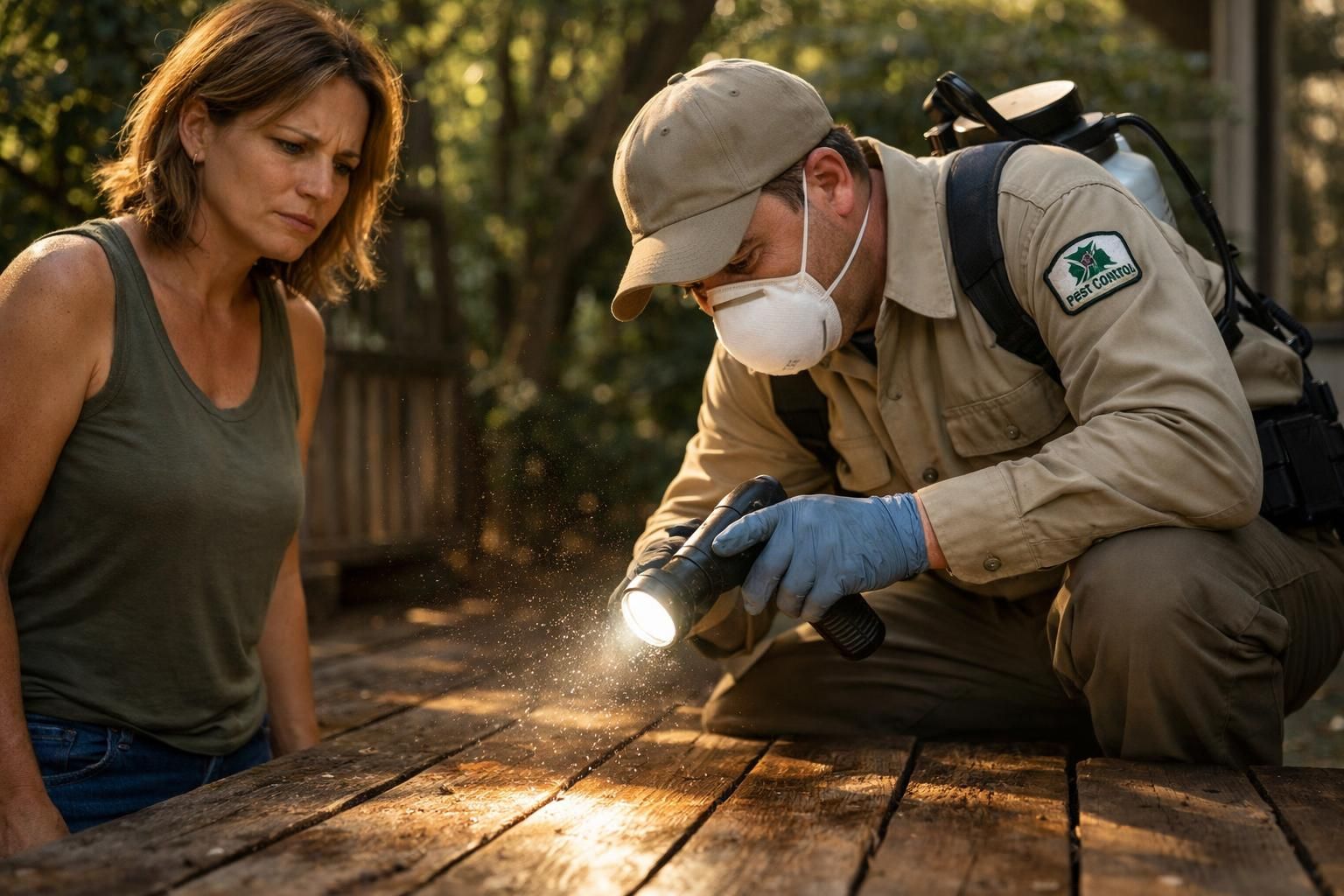
A Tennessee-licensed pest control company can inspect your property for mud tubes, termite droppings, and other signs of infestation. A Wood-Destroying Organism (WDO) report gives buyers confidence and supports mortgage approval.

When to order an inspection vs. when buyers handle it
Order a termite inspection 30 to 90 days before listing your home. Tennessee real estate agents generally recommend sellers get their own pest inspection first, especially in areas where subterranean termites are prevalent. An up-to-date WDO report helps identify hidden structural damage before buyers find it during their own inspection period.
WDO reports older than three months may not satisfy FHA or VA lenders. If you skip the seller-ordered inspection, buyers will likely request one after making an offer — and may ask for price reductions, treatment credits, or walk away entirely if they find undisclosed problems.
WDO (Wood-Destroying Organism) reports and cost expectations
A WDO inspection examines crawl spaces, attics, and visible wood for active infestations or past damage. Tennessee pest control companies typically charge $75 to $150 for a WDO report. Clean reports boost buyer confidence and reduce negotiation friction — particularly valuable for older homes in areas like Memphis or Nashville where termite pressure is high. Many real estate agents recommend including the WDO report in your listing disclosures.
Back to topYour Selling Options

Tennessee sellers facing termite damage have several paths available. The right choice depends on your timeline, budget, and the extent of damage.
Repair before listing: contractors, timelines, and benefits
Fixing termite damage before listing can increase your sale price and build buyer trust. Here is how to approach it in Tennessee:
- Hire a Tennessee-licensed pest control company to inspect for signs of termite activity such as mud tubes, bubbling paint, or termite droppings.
- Obtain a WDO report to confirm the full extent of damage or past infestation.
- Select licensed contractors for structural repairs — Tennessee requires permits for structural work, so verify credentials and pull the proper permits.
- Expect repairs to take two to eight weeks depending on severity, covering framing, flooring, and targeted treatment areas.
- Budget $500 for minor cosmetic fixes up to $10,000 or more for severe structural issues.
- Use termite-resistant materials where possible to reduce risk of future infestation.
- Obtain a warranty on treatment services, typically lasting five to ten years.
- Save all receipts, permits, and pest control reports — these documents support disclosure requirements and FHA/VA mortgage approval.
- Schedule a follow-up inspection after repairs to present a clean WDO report during showings.
Sell as-is with price reduction: calculating discounts
Selling as-is in Tennessee means accepting offers below market value. Cash buyers and investors typically pay 60% to 80% of fair market value, factoring in termite repair and treatment costs. On a $250,000 home, that could mean concessions of $7,500 to $20,000 or more.
Many Tennessee sellers offer targeted credits — such as a termite warranty credit or inspection allowance — rather than broad price reductions. Homes with visible structural damage typically require larger discounts. Real estate agents often suggest pricing 10% to 30% below comparable unaffected homes to attract serious buyers quickly. Cash buyers in Tennessee markets like Memphis and Knoxville can often close within two to eight weeks.
Sell to cash buyers/investors: pros and cons of skipping repairs
Working with cash buyers or investors lets you skip repairs and move quickly. You do not need to complete a termite inspection, obtain a warranty, or hire contractors before closing. These transactions offer speed and simplicity — closings can happen in days.
The tradeoff is a lower offer price. Investors factor in termite treatment costs and potential structural repairs ranging from $500 to over $10,000. 4 There are no inspection contingencies or drawn-out negotiations, but the final number will typically fall below traditional market value. For Tennessee sellers who need speed or want to avoid costly repairs, this route removes significant stress.
Back to topWorking With Traditional Buyers

How termite damage affects mortgage approvals (FHA/VA specifics)
FHA and VA loans require a home to be free of active termite infestation before approving the mortgage. Appraisers check for mud tubes, bubbling paint, and structural damage. If issues are found, you must provide proof that treatment and repairs are complete, along with a clean WDO report from a licensed Tennessee pest control company.
Unresolved termite problems can cause lenders to deny financing outright. Even minor termite history reduces your buyer pool since many purchasers rely on conventional mortgages as well. Completing repairs and gathering full documentation before listing is the most reliable way to keep financing-dependent deals on track.
Negotiating post-inspection and offering warranties
After a home inspection uncovers termite damage, buyers may request repairs, a price reduction, or walk away. 6 Offering repair credits specific to termite issues is often more effective than lowering your overall asking price.
Many Tennessee buyers request a transferable termite warranty costing approximately $300 to $800 per year. This warranty covers future retreatment or repair if termites return. Some transactions use an escrow holdback to cover costs identified in the WDO report. Providing warranties, treatment records, and ongoing monitoring plans signals transparency and builds trust with buyers worried about structural risk or past infestation history.
Back to topPricing Strategy for Tennessee Homes With Termite Damage
Set your asking price with help from a Tennessee real estate agent who understands local market values, termite history, and recent pest control documentation.
Competitive pricing with known damage
Research recent sales of Tennessee homes with similar infestation histories in your area. Price yours slightly below comparable homes that have no pest history. In areas like West Tennessee where subterranean termites are widespread, buyers may accept some repair history but will still expect a meaningful discount.
Always factor in estimated treatment and repair costs — these range from $500 to more than $10,000. Professional documentation from a licensed pest control company can help justify your price point. Tennessee real estate agents familiar with distressed properties typically suggest listing 5% to 15% below unaffected comparable homes to stay competitive without losing traditional buyers.
When to price aggressively vs. wait for the right buyer
Price aggressively if repairs are extensive, the local market is slow, or you need to sell quickly. Cash buyers and investors in Tennessee markets actively seek as-is homes and expect significant discounts in exchange for speed and certainty.
In a strong seller's market — such as Nashville's active real estate environment — you may be able to wait for a buyer willing to pay near market value after reviewing proof of professional termite treatment and a transferable warranty. Sellers who can hold out may attract buyers less concerned about minor cosmetic damage, provided you offer clear documentation of prior treatment and ongoing monitoring.
Back to topConclusion
Selling a Tennessee home with termite damage does not eliminate your options. Start with a licensed pest inspection to understand the full scope of what you are dealing with. Review repair estimates, warranty options, and your disclosure obligations under Tennessee's residential property disclosure law.
Weigh cash offers against repairing and listing on the open market. Choose the path that fits your budget and timeline — with the right information, your next move can still be a smart one.
If you want to skip repairs and close quickly, KDS Homebuyers purchases Tennessee homes directly for cash — regardless of termite damage or condition. Visit kdshomebuyers.net to request a free, no-obligation cash offer today.
Back to topFAQs
1. What signs show termite damage during a Tennessee home inspection?
Inspectors look for mud tubes along foundations and crawl spaces, termite droppings (frass), hollow-sounding wood, bubbling paint, and sagging floors. Subterranean termites are the most common species found across Tennessee.
2. What does Tennessee law require sellers to disclose about termites?
Tennessee sellers must complete the Residential Property Condition Disclosure form and disclose any known termite history, active infestations, past treatments, and structural repairs. Failing to do so can result in lawsuits or reversal of the sale.
3. Can structural termite damage lower my Tennessee home's value?
Yes. Untreated structural damage can reduce property value significantly. Buyers typically request price reductions or credits to cover repair costs, or may seek cash buyers willing to purchase as-is.
4. What termite treatment methods are common in Tennessee?
Tennessee pest control companies commonly use soil treatments, bait monitoring systems, and localized or whole-house chemical treatments to address subterranean termite colonies. Treatment costs depend on infestation size and home square footage.
5. Should I get a termite warranty before selling in Tennessee?
Yes. A transferable termite warranty reassures buyers that future infestations will be addressed. It can also help your home qualify for FHA or VA financing and strengthen your position during post-inspection negotiations.
References
- ^ https://ultrasafepest.com/the-impact-of-termites-on-property-value/
- ^ https://www.redfin.com/blog/selling-a-house-with-termite-history/ (2025-08-14)
- ^ https://journal.firsttuesday.us/brokerage-reminder-timely-termite-inspections-eliminate-the-risk/29751/ (2022-02-21)
- ^ https://www.corkvalleyproperties.com/blog/selling-a-house-with-termite-damage-your-best-options/
- ^ https://www.inspectionsupport.com/negotiating-after-a-home-inspection-to-get-the-deal-you-want/
