

Selling a House With Termite Damage: What Buyers Need to Know in Indiana
Table of Contents
A house with termite history can still be sold, but in Indiana the seller must disclose known termite history, damage, and past treatments on the Indiana Residential Real Estate Sales Disclosure form. Sellers can repair before listing, sell as-is at a discount (usually 10–30% below market), or sell to a cash buyer. A WDO report, treatment records, repair receipts, and transferable warranties help keep deals on track.
Selling a house that needs work? Start with what to know before selling a house that needs repairs. It explains what as-is means, how pricing works and every way to sell a house with problems.
If you need to sell a house with termite damage in Indiana, you are not alone. Termite infestations and damaged wood are common issues faced by many Hoosier homeowners each year. 1 This guide covers termite inspection reports, repair options, pest control companies, and Indiana's legal disclosure requirements. 3 Learn what buyers look for and how you can protect your home's value. 2
Key Takeaways
- Termite damage can lower your home's value by up to 25%. Repairs range from $500 for minor fixes to over $10,000 for severe structural issues. Buyers worry about sagging floors, damaged framing, and past infestations.
- Indiana law requires sellers to disclose known termite history on the Indiana Residential Real Estate Sales Disclosure form. Failure to disclose risks lawsuits or loss of sale. Federal rules also apply if using FHA or VA loans.
- A licensed pest control company should provide a Wood-Destroying Organism (WDO) report before listing. These reports cost $75–$150 and are important for buyer confidence and mortgage approval.
- You can sell as-is at a discount (usually 10–30% below market), repair before listing, or work with cash buyers. Each option affects price, speed of sale, and your legal risk differently.
- FHA/VA mortgage approvals require proof that all termite problems were fixed before closing. Providing treatment records, repair receipts, and transferable warranties keeps deals on track.
Understanding Termite Damage Impact

Termite damage can lower your home's value and may deter buyers during real estate transactions across Indiana, from Indianapolis to Noblesville. A pest control company or licensed contractor can assess the damage and help you understand the cost of needed repairs.

Structural vs. cosmetic damage and their impact on value
Structural damage from a termite infestation reaches deep into the foundation, framing, and floors. 1 Signs include sagging floors, warped walls, or doors that will not close properly. These issues can scare buyers away, as repairs can run from $5,000 to over $10,000 for severe cases. Real estate appraisals often drop by up to 20 percent for homes with structural problems caused by subterranean or drywood termites.
Cosmetic damage affects only the surface — bubbling paint or minor holes along baseboards are common examples — and repairs usually cost less than $500. Even so, any history of termite activity can cut your home's value by up to 25 percent compared to similar houses without that record.
Common buyer concerns: foundation, framing, and floors
Indiana buyers routinely check foundations, framing, and floors for termite damage before making an offer. Many worry about weakened floor joists or support beams. Subterranean termites — the most common species found in central Indiana — build mud tubes from soil to wood in crawl spaces, raising red flags during any home inspection.
Sagging floors or warped walls are strong signs of structural damage. Home inspectors examine these areas for hollow-sounding wood, bubbling paint, and termite droppings. Severe infestations can lead to repair costs between $500 and $10,000 or more. Buyers also want proof of completed termite treatment and ask about warranties against future infestations.
Typical repair costs by severity ($500–$10,000+)
Dealing with termite damage can feel overwhelming when you are trying to sell. Costs vary widely depending on severity.
| Damage Level | Type of Service | Estimated Cost Range | Details & Examples |
|---|---|---|---|
| Minor | Spot Treatments / Minor Repairs | $500 – $1,000 |
|
| Moderate | Localized Treatment / Spot Repairs | $1,200 – $3,000 |
|
| Serious | Whole-House Fumigation / Major Repairs | $2,500 – $8,000 |
|
| Severe | Structural Repairs / Full Remediation | $3,000 – $10,000+ |
|
Disclosure Requirements
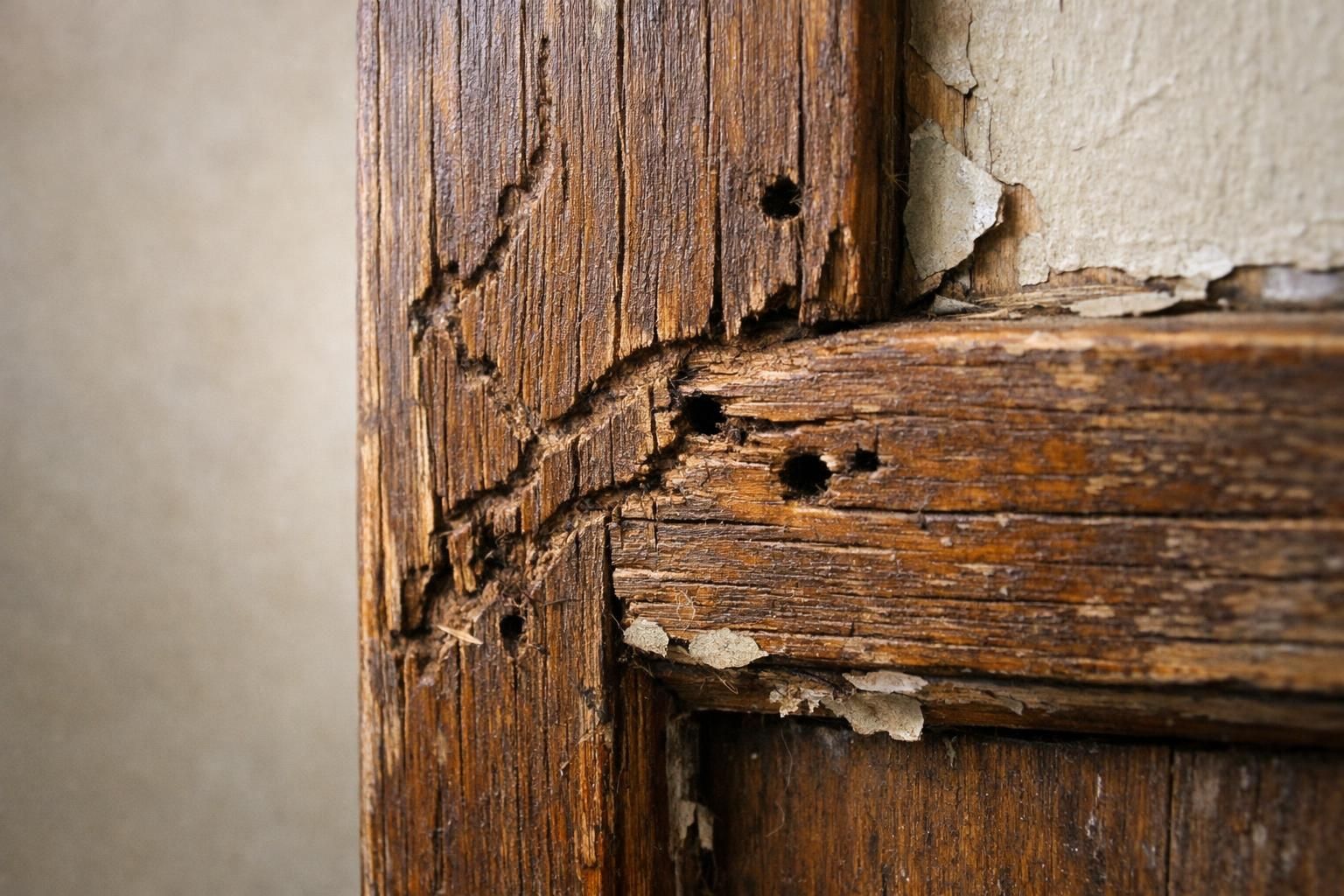
Indiana law requires sellers to share known termite damage during real estate transactions. A knowledgeable real estate agent can help you comply and avoid problems with mortgage lending or escrow down the road.

Indiana's disclosure obligations for known termite damage
Indiana requires sellers to complete the Indiana Residential Real Estate Sales Disclosure form, which must detail any known termite history, structural damage, and all repairs or treatments performed. 2 This form is governed by the Indiana Residential Real Property Disclosure Act. Failing to report active termite colonies, structural damage, or previous treatment can expose you to buyer lawsuits and loss of your sale. 3
Federal rules also apply if you are using government-backed loans such as FHA or VA — these programs require proof that the home is free from active termites and that damaged wood has been repaired before closing. Always consult with a real estate agent and pest control company for accurate documentation.
Definition of 'known damage' and consequences of non-disclosure
"Known damage" means any evidence of termite infestation or structural damage you discover, learn about from an inspection, or receive from a licensed pest control company. Records of past termite treatment, framing or floor repairs, or warranties against future infestations all count as documentation you must disclose. 2
Failing to disclose puts your sale at serious risk. Indiana buyers can pursue legal action and seek to reverse the real estate transaction if they discover hidden issues after closing. Courts may order you to pay damages far exceeding what transparency would have cost up front — for example, covering $10,000 in unexpected repair costs rather than granting a smaller credit during negotiations.
Back to topGetting a Termite Inspection
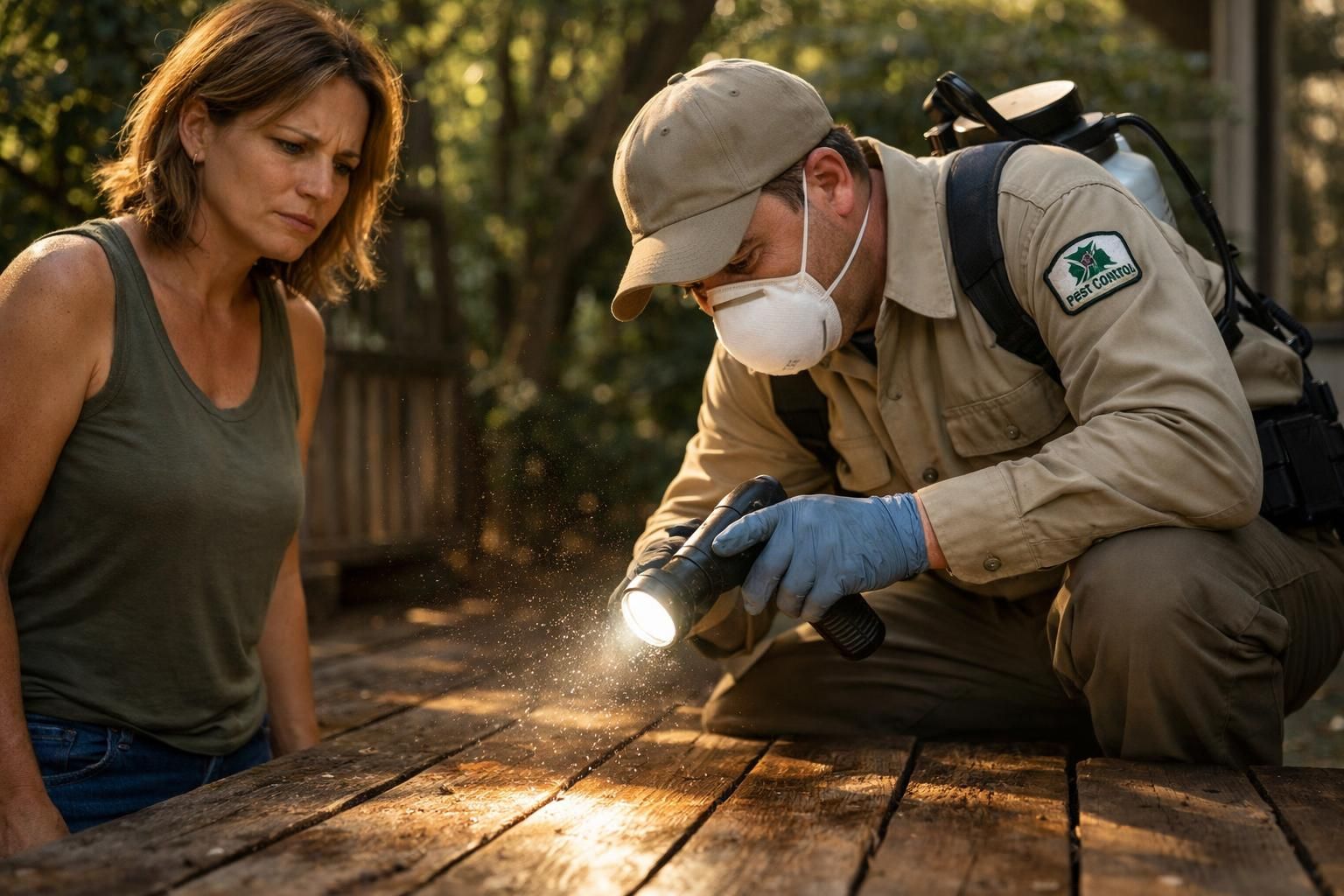
A licensed Indiana pest control company can check your property for signs like mud tubes or termite droppings. Ask about a Wood-Destroying Organism (WDO) report to give buyers peace of mind and support mortgage approval.

When to order an inspection vs. when buyers handle it
Order a termite inspection 30 to 90 days before you list your home. Most Indiana real estate agents recommend sellers pay for their own pest control inspection first, especially in areas where subterranean termites are prevalent. An up-to-date WDO report helps you spot hidden structural damage, bubbling paint, or mud tubes that could delay your sale. Reports older than three months may not satisfy FHA or VA lenders.
If you skip the inspection, buyers will typically request one during their inspection period after making an offer. They may then ask for price reductions, treatment credits, or withdraw interest if they find undisclosed problems. Paying for your own inspection lets you address issues early and prevents costly surprises later.
WDO (Wood-Destroying Organism) reports and cost expectations
A WDO inspection checks for signs of termite infestation, drywood termites, dampwood termites, and other wood-destroying pests. Inspectors examine crawl spaces, attics, and visible wood for active infestations or past structural damage. Professional WDO inspection reports in Indiana typically cost between $75 and $150. Clean reports boost buyer confidence and can reduce negotiation hurdles, especially with older homes in Indianapolis, Fishers, or Lebanon where risk factors may be higher.
Back to topYour Selling Options

You have several paths available if your Indiana home shows termite damage or has a history of infestation. Real estate agents and pest control companies can help you weigh which approach fits your timeline and financial goals.
Repair before listing: contractors, timelines, and benefits
Fixing termite damage before listing your house can boost the sale price and build buyer trust. Most Indiana buyers prefer homes that show clear, professional repairs backed by documented results.
- Hire a licensed Indiana pest control company to inspect for signs of termite activity such as mud tubes, bubbling paint, or termite droppings.
- Obtain a WDO report confirming the full extent of termite infestation or past structural damage.
- Select contractors who specialize in structural repairs — Indiana law often requires licensed professionals and permits for framing and foundation work.
- Expect most repairs to take two to eight weeks depending on severity, including replacing damaged beams, addressing cosmetic issues, and treating affected areas. 4
- Plan for costs ranging from $500 for minor cosmetic fixes to over $10,000 for severe foundation or framing problems.
- Use termite-resistant materials in key areas to help prevent future infestations.
- Request a warranty on extermination services, which often lasts five to ten years.
- Save all receipts and reports as proof during the transaction — this supports mortgage approval through FHA or VA loans.
- Schedule a follow-up inspection after repairs so you can present a clean bill of health in your Indiana disclosure documents.
Sell as-is with price reduction: calculating discounts
Selling as-is after termite damage typically means accepting an offer below market value. Cash buyers and investors generally pay 60% to 80% of fair market price because they factor in termite repair, extermination, and future pest control costs. If your Indiana home is worth $250,000 without a termite history, you might see concessions between $7,500 and $20,000 or more depending on damage severity.
Homes with visible structural damage require larger discounts since repairs can range from $500 to over $10,000. Indiana real estate agents often recommend pricing at least 10% to 30% under comparable homes with no termite history. Cash buyers can close within two to eight weeks, making this a strong option for sellers who need to move quickly.
Sell to cash buyers/investors: pros and cons of skipping repairs
Working with cash buyers or investors lets you skip termite repairs entirely and close fast. You do not need a termite inspection, warranty, or the hassle of hiring a pest control company before closing. These buyers offer speed and privacy, with closings that can take just days.
The trade-off is a lower offer price, since investors factor in treatment and repair costs. 4 Cash offers remove inspection contingencies and negotiation delays but typically fall below traditional market value. If you face costly structural damage or simply cannot afford repairs, this route reduces stress even if it means a lower final sale price.
Back to topWorking With Traditional Buyers

Traditional Indiana buyers may be cautious about termite history, so work with your real estate agent to address concerns proactively and guide buyers through the inspection process.
How termite damage affects mortgage approvals (FHA/VA specifics)
FHA and VA loans require a home to be free of active termite infestation before the mortgage is approved. Appraisers look for mud tubes, bubbling paint, or visible structural damage. If they find an untreated problem, you must fix it and provide a clean WDO report from a licensed pest control company before closing.
Unresolved termite issues can cause lenders to deny financing altogether. You may need to repair damaged wood framing or flooring first so the property meets loan requirements. Buyers will also request documentation of extermination methods — such as bait systems, whole-house treatment, or ongoing monitoring by certified pest professionals.
Negotiating post-inspection and offering warranties
After a home inspection uncovers termite damage, Indiana buyers may ask for repairs, a price reduction, or may walk away. 6 You can offer credits specific to termite repairs rather than a broad price cut, which keeps your list price stronger while addressing buyer concerns.
Some buyers request a transferable termite warranty costing roughly $300 to $800 per year. This warranty often covers future retreatment or repair work if termites return. Real estate agents may suggest setting up an escrow account to cover any whole-house treatments identified in the WDO report. Offering warranties or covering ongoing monitoring shows transparency and builds trust with buyers concerned about structural damage or your home's termite history.
Back to topPricing Strategy
Set your asking price with help from an Indiana real estate agent who understands termite history, local home values, and recent pest control documentation.
Competitive pricing with known damage
Indiana buyers notice termite history right away. Research recent sales of comparable homes with similar infestation issues in your market — whether in Carmel, Noblesville, or other communities — and price yours slightly below unaffected homes. Homes with visible structural damage or past whole-house treatment often close for less.
In areas of central Indiana where subterranean termites are common, buyers may accept some repair history but still expect a discount. Always factor in estimated treatment costs and repairs ranging from $500 to $10,000 or more. Real estate agents familiar with damaged properties typically suggest listing 5–15% below unaffected homes to stay competitive without deterring traditional buyers.
When to price aggressively vs. wait for the right buyer
Price aggressively if repairs are extensive, the local market is slow, or you need to sell quickly. Cash buyers and investors regularly seek as-is Indiana homes with termite damage at significant discounts. If post-inspection reveals worse structural damage, adjust your price immediately to reflect real repair costs.
In a hot market, you may be able to wait for a buyer who values your property even with a termite history. Offering pre-paid inspections, clear disclosure records, and transferable warranties can support a higher asking price. Sellers who can hold out longer sometimes receive better offers from buyers less concerned about minor cosmetic damage when you provide detailed information on prior extermination and ongoing monitoring plans.
Back to topConclusion: Get a termite inspection, evaluate your selling options, and choose the best path for your financial and timeline needs.
Selling a house with termite damage in Indiana does not close the door on your options. Schedule a pest inspection to get a clear picture of what you face. Review repair reports and warranty options, and weigh cash offers against fixing up and listing on the open market. Choose the path that fits your budget and timeline — your next move can still be a smart one.
If you want to skip repairs and close quickly, KDS Homebuyers buys Indiana homes directly for cash, regardless of termite damage or condition. Visit kdshomebuyers.net to request a free, no-obligation cash offer and find out what your home is worth today.
Back to topFAQs
1. What signs show termite damage during a home inspection?
Buyers often spot mud tubes, termite droppings, or weakened wood during a home inspection. Subterranean termites build mud tubes along walls and foundations. Drywood termites leave behind tiny pellets called frass.
2. How should Indiana sellers handle termite disclosure?
Indiana sellers must complete the Indiana Residential Real Estate Sales Disclosure form and provide full details about any known termite history or existing infestation. Proper disclosure follows state law and builds buyer trust.
3. Can structural damage from termites lower my house value?
Yes, untreated structural damage can reduce property value significantly. Indiana buyers may ask for price cuts to cover repairs or seek cash buyers willing to purchase as-is.
4. What are common methods for treating a current infestation?
Pest control companies use whole-house treatment, bait systems, and targeted extermination to remove active colonies. Treatment costs depend on the size of the problem and the type of pest involved.
5. Should I get a warranty after repairing termite problems?
A valid, transferable termite warranty gives Indiana buyers peace of mind that future infestations will be addressed. Warranties typically cover retreatment and some repair work if termites return after treatment.
References
- ^ https://ultrasafepest.com/the-impact-of-termites-on-property-value/
- ^ https://www.redfin.com/blog/selling-a-house-with-termite-history/ (2025-08-14)
- ^ https://journal.firsttuesday.us/brokerage-reminder-timely-termite-inspections-eliminate-the-risk/29751/ (2022-02-21)
- ^ https://www.corkvalleyproperties.com/blog/selling-a-house-with-termite-damage-your-best-options/
- ^ https://emorywheel.com/article/the-pros-and-cons-of-selling-property-to-a-cash-buyer-20250316 (2025-03-16)
- ^ https://www.inspectionsupport.com/negotiating-after-a-home-inspection-to-get-the-deal-you-want/
More in Foundation, systems and pests
- Selling a House With Septic Tank Problems: What Buyers Need to Know
- Selling a House With Pest Damage: Termites, Bed Bugs, and More
- Selling a House With Polybutylene Pipes: What Buyers Will Ask
- Selling a House With Knob-and-Tube Wiring: Risks and Options
- Selling a House With Termite Damage: What Buyers Need to Know
- How to Sell a House With Foundation Problems
See our guide: “How to Sell a House As-Is: What It Means and How It Works” →
