

Selling a Flood-Damaged House: Disclosure Rules and Options in California
Table of Contents
- California Flood Disclosure Requirements
- California-Specific Disclosure Forms and Rules
- Insurance Claims and Documentation
- Selling Options: Pros and Cons
- Pricing Expectations in California
- Practical Steps to Prepare for Sale in California
- California Tax Considerations When Selling a Flood-Damaged Home
- Conclusion
- FAQs
Selling a house with flood damage in California can feel overwhelming. State law requires you to share details about any water damage when you sell a flood-damaged house, or you could face lawsuits. 1 This guide explains your legal responsibilities under California law, your selling options, and ways to protect both your property value and peace of mind. 3
Key Takeaways
- California requires sellers to complete a Transfer Disclosure Statement (TDS) and Natural Hazard Disclosure (NHD) report — both must address flood risk and known water damage.
- Hiding material defects like flood damage can expose you to lawsuits under California law, with buyers able to sue for fraud up to three years after discovery.
- Flood-damaged homes in California typically sell for 15%–25% less than comparable undamaged properties. Cash buyers generally offer 50%–70% of After Repair Value.
- Buyers will request CLUE reports, repair receipts, mold remediation records, adjuster reports, and proof of current flood insurance before making offers.
- Cash buyers and real estate investors can close in as little as 7–21 days, skipping repairs and lengthy escrow periods common in traditional California sales.
California Flood Disclosure Requirements
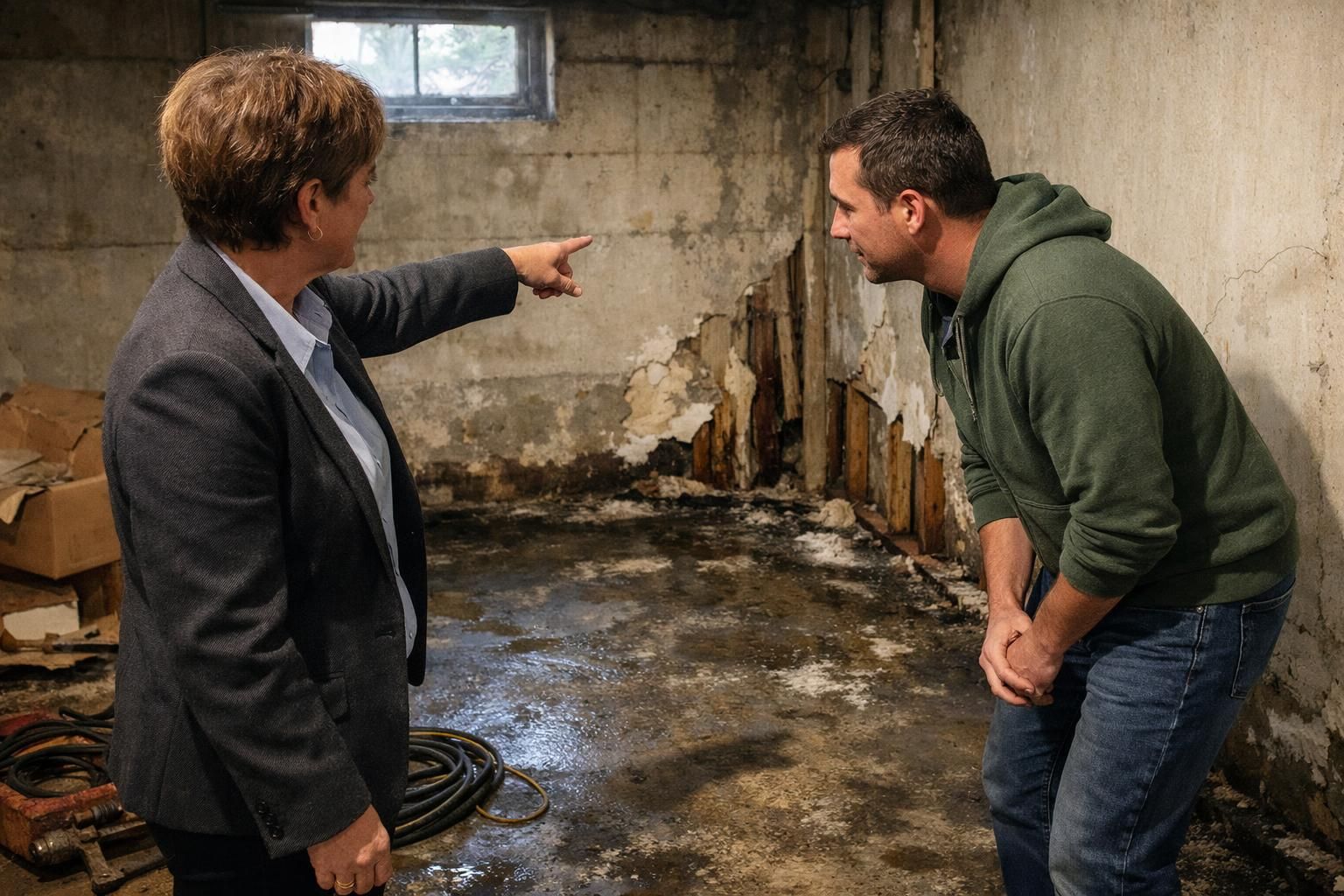
California has some of the most comprehensive seller disclosure requirements in the country. Both state law and federal guidelines require you to reveal known flood damage and water issues before closing escrow.

Legal obligations for disclosing flood damage
California sellers must complete a Transfer Disclosure Statement (TDS) disclosing all known material defects, including water damage, mold, and structural issues caused by flooding. You must also provide a Natural Hazard Disclosure (NHD) report identifying whether the property lies within a Special Flood Hazard Area (SFHA), a state-designated flood zone, or a dam inundation area.
The NHD report is typically prepared by a third-party disclosure company and must be delivered to buyers before closing. If your property sits in a FEMA Zone A or AE, lenders will require flood insurance as a condition of financing. REALTORS® in California are also bound by a strict Code of Ethics requiring disclosure of flood events beyond what state forms explicitly ask. 1
Insurance claim history appears in CLUE reports that buyers can access during escrow. Concealing water damage or flood history can lead to fraud claims and lawsuits well after closing.
Material defects vs. known issues in California
Under California law, material defects are conditions that affect the property's safety, habitability, or value — such as mold, structural damage, faulty electrical systems, or wood rot caused by flooding. These must be listed on the TDS along with details of any professional repairs made.
Known issues also include past flooding events, even if fully repaired. If your home in Sacramento or Los Angeles experienced water intrusion that was remediated with insurance funds and certified mold removal, you still must disclose it. California courts have consistently held that sellers who fail to disclose known defects — repaired or not — can face rescission of sale, damages, or fraud liability.
Consequences of non-disclosure in California
Failing to disclose flood damage exposes you to significant legal risk. Under California law, buyers generally have three years from discovery of a concealed defect to file a fraud or misrepresentation claim. Courts can award repair costs, consequential damages, and in egregious cases, punitive damages.
Insurance records, CLUE reports, and permit histories can all surface undisclosed flood damage during a buyer's due diligence or after closing. Properties with repeated flooding may become uninsurable through standard carriers, making resale difficult. Real estate attorneys consistently advise California sellers that over-disclosure provides far greater legal protection than under-disclosure.
Back to topCalifornia-Specific Disclosure Forms and Rules
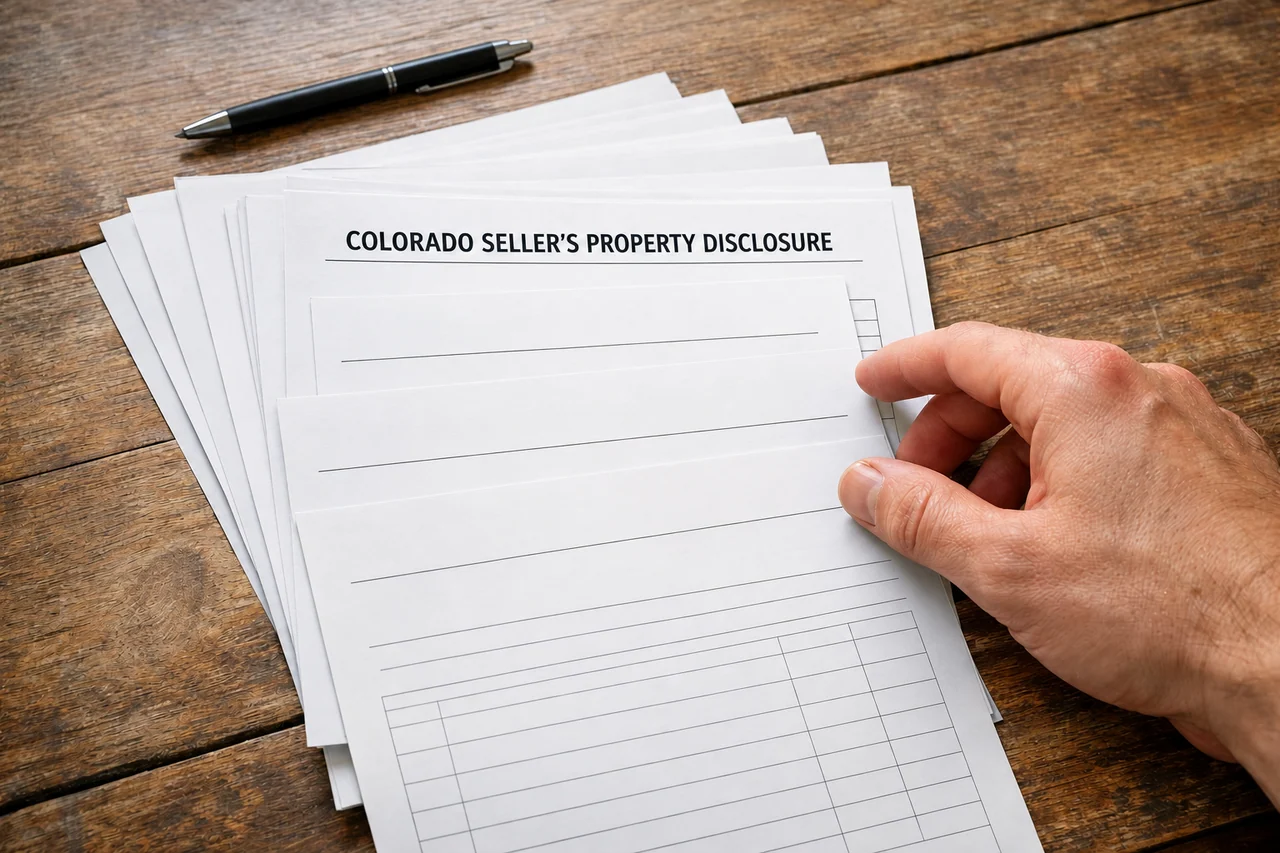
California goes further than most states by requiring multiple overlapping disclosure documents. Understanding each one helps you avoid legal exposure and keeps escrow on track.

Key California disclosure documents
- Transfer Disclosure Statement (TDS): Required for most residential sales, this form asks sellers to disclose all known defects, including water damage, past flooding, drainage problems, and mold. Buyers have the right to rescind the contract within a set period after receiving a TDS.
- Natural Hazard Disclosure (NHD) Report: This third-party report identifies whether the property is in a FEMA flood zone, state floodplain, dam failure inundation zone, or other hazard area. It is mandatory in all California residential transactions.
- Seller's Supplemental Checklist: Many California real estate agents use this to capture additional details about insurance claims, past repairs, and flooding history not covered by the TDS alone.
- Local ordinance disclosures: Some cities, including San Francisco and Los Angeles, have additional disclosure requirements tied to local building codes, stormwater systems, or known flood-prone neighborhoods.
Stricter rules in California high-risk flood zones
Properties in FEMA Zone A, AE, or state-designated floodplains face heightened scrutiny in California. Lenders require flood insurance for mortgaged properties in SFHAs. Buyers and their agents routinely verify flood zone status through FEMA's Flood Map Service Center and California's own floodplain mapping tools before making offers.
Two-thirds of states now require sellers to share flood history with buyers, and California is among the strictest. 4 Repeated flooding events can make a property uninsurable through standard carriers, reducing buyer interest to cash investors only and pushing values toward land value rather than improved value.
Back to topInsurance Claims and Documentation

Insurance records directly affect your California escrow timeline and buyer confidence. Organize these documents early to keep your sale on track.

How insurance claims affect your sale timeline
Open or unsettled insurance claims must be disclosed to buyers and escrow during a California sale. Traditional California escrows run 30–45 days; an open flood claim can extend that or give buyers grounds to renegotiate. Cash sales can close in 7–21 days but buyers still want claim documentation upfront.
You can assign claim rights to the buyer or reduce the sale price to reflect unpaid settlement amounts. CLUE reports covering seven years of claim history are routinely pulled by buyers' agents and lenders during escrow. Denied claims do not prevent a sale but should be disclosed and may require a price adjustment reflecting unresolved repair needs.
Documentation California buyers will request
- Photos and videos documenting the extent of flood and water damage
- Insurance settlement statements and adjuster reports from your homeowners or flood insurance carrier
- Mold remediation certificates from California-licensed contractors
- Foundation and structural repair invoices from licensed California contractors (required for permit-pulled work)
- City or county building permits and final inspection sign-offs for all repair work
- FEMA flood zone map showing your property's current designation
- CLUE report showing seven-year insurance claim history
- Proof of current flood insurance policy if the property is in an SFHA
- Professional inspection reports and any engineer certifications
- Warranties for completed repairs or upgrades
California buyers and their lenders — particularly those using FHA or VA financing — will scrutinize permit history closely. Unpermitted repair work on flood damage can trigger lender rejections or require costly corrections before escrow closes.
Back to topSelling Options: Pros and Cons

Traditional sale (repairs needed, longer timeline)
A traditional California sale after flood damage typically takes three to six months from listing to close. FHA and VA lenders require all material defects — including flood damage, mold, and structural issues — to be repaired before loan approval. Repair costs can range from under $2,000 for cosmetic fixes to well over $50,000 for foundation or structural work.
During that time, you continue paying mortgage, property taxes, HOA fees, utilities, and insurance. California's high holding costs make a drawn-out traditional sale expensive. That said, in competitive markets like Los Angeles or the Bay Area, a well-repaired home can recover value quickly if demand is strong.
Selling as-is to retail buyers (lower offers, potential deal failures)
Listing as-is on the California MLS attracts buyers expecting significant discounts. Many retail buyers cannot obtain financing for homes with unresolved material defects, so your buyer pool narrows to cash purchasers. Appraisers may flag unrepaired flood damage, causing deals to fall through even after an accepted offer.
California's robust disclosure requirements mean buyers will know the full damage history before making an offer. Severe flood damage can push offers close to land value, particularly in coastal or inland flood-prone areas. Always have any post-disaster offer reviewed by a California real estate attorney before signing.
Selling to cash buyers (fast closing, no repairs needed)
Selling directly to a cash buyer or real estate investor is often the fastest path when dealing with flood damage in California. 6 Cash buyers typically close in 7 to 21 days, avoiding the lengthy California escrow process. You skip repairs, permit filings, and lender-required inspections.
Expect offers between 50% and 70% of After Repair Value depending on damage severity, location, and local market conditions. Before accepting any offer, verify the buyer's proof of funds, check references, and have a California real estate attorney review the purchase agreement for unfavorable terms or hidden contingencies.
Back to topPricing Expectations in California

How flood damage affects California market value
Homes with a history of water damage or flooding in California typically sell for 15%–25% less than comparable undamaged properties. 7 Buyers factor in repair costs, mold remediation, ongoing flood insurance premiums, and the risk of future events. In high-demand markets, some value loss may be offset by low inventory, but flood zone properties still carry a persistent discount.
In extreme cases — particularly properties that have flooded multiple times — values can fall to near land value, attracting only investors or house flippers willing to take on major restoration projects.
Key factors affecting your California sale price
- Damage extent: Cosmetic water staining costs far less to address than mold remediation ($2,000–$30,000) or foundation repairs that can exceed $50,000 in California's soil conditions.
- FEMA flood zone designation: Properties in Zone A or AE require mandatory flood insurance for mortgaged buyers, shrinking your buyer pool and depressing offers.
- Permit history: California buyers and lenders verify that all repairs were permitted and inspected. Unpermitted work reduces value and can stall escrow.
- Repair quality and documentation: Licensed contractor invoices, mold remediation certificates, and final inspection sign-offs increase buyer confidence and support higher offers.
- Local market conditions: San Diego and Los Angeles markets may absorb flood damage discounts better than slower inland markets due to overall demand and limited inventory.
- Repeat flooding history: Even fully repaired properties with multiple past flood events will face deeper discounts due to ongoing perceived risk.
Practical Steps to Prepare for Sale in California
Get an independent damage assessment
Hire a licensed California contractor or certified home inspector to assess all flood damage before listing. Inspections typically run $300–$500 and can identify hidden mold, electrical hazards, or structural issues that must appear on your TDS. If the foundation was affected, a licensed structural engineer's report strengthens your disclosure package and supports your asking price.
Early mold testing matters — mold can begin growing within 24 to 48 hours after water intrusion. Having a California-licensed mold assessor document remediation work protects you from future liability claims.
Gather your flood documentation and repair records
Compile all records chronologically: photos and videos of damage, insurance settlement statements, adjuster reports, mold remediation certificates, contractor invoices, building permits, and final city or county inspection sign-offs. Store copies of your CLUE report, NHD disclosure, and any FEMA correspondence in one organized file.
California escrow officers and buyers' agents will request these documents early in the transaction. Complete, organized paperwork keeps escrow moving and reduces renegotiation risk.
Confirm your property's flood zone designation
Use FEMA's Flood Map Service Center and California's Department of Water Resources floodplain mapping tools to verify your flood zone. Your NHD report will reflect this, but confirming it yourself prevents surprises during escrow. If your property is in an SFHA, budget for flood insurance disclosure conversations with buyers and anticipate that lenders will require coverage as a loan condition.
Back to topCalifornia Tax Considerations When Selling a Flood-Damaged Home
California sellers should be aware of several tax issues specific to flood-damaged property sales:
- Capital gains: California taxes capital gains as ordinary income at the state level (up to 13.3%). The federal primary residence exclusion ($250,000 single / $500,000 married) may reduce your taxable gain, but California does not have its own separate exclusion — it conforms to the federal exclusion.
- Casualty loss deductions: For federally declared disaster areas, California generally conforms to federal casualty loss rules, which were restricted by the 2017 Tax Cuts and Jobs Act. Consult a California CPA to determine whether any flood-related losses are deductible.
- Property tax reassessment relief: Under California law, property owners in a governor-declared disaster area may qualify for temporary property tax relief through their county assessor. Los Angeles and Sacramento county assessors have offered such relief following major storm and flood events.
- Transfer tax: California county transfer taxes (typically $1.10 per $1,000 of sale price) apply to the as-is sale price, not the pre-damage value — a potential minor savings on a discounted flood-damaged sale.
Conclusion
Selling a flood-damaged house in California means navigating robust disclosure requirements, competitive but cautious buyers, and real decisions about repairs versus a fast as-is sale. Start by completing your TDS and NHD report accurately, gathering all repair documentation, and confirming your FEMA flood zone status. From there, compare what a repaired traditional sale, an as-is listing, and a direct cash sale would realistically net you after holding costs, repair expenses, and closing fees.
Honest, complete disclosure protects you legally and builds the buyer confidence needed to close — whether you're working with a retail buyer, an investor, or a direct cash purchaser.
If you need to sell your flood-damaged California home quickly without the stress of repairs or lengthy escrow, KDS Homebuyers can help. Visit kdshomebuyers.net to request a free, no-obligation cash offer and find out how fast you can close on your terms.
Back to topFAQs
1. What disclosure forms are required when selling a flood-damaged home in California?
California requires a Transfer Disclosure Statement (TDS) and a Natural Hazard Disclosure (NHD) report for all residential sales. Both must address flood damage history, flood zone status, and known water-related defects.
2. Can I sell a flood-damaged California home as-is?
Yes. You can sell as-is to cash buyers or real estate investors who purchase homes in any condition. You still must complete all required disclosures — as-is means no repairs, not no disclosure.
3. How long do buyers have to sue me for non-disclosure in California?
Under California law, buyers generally have three years from the date they discover a concealed defect to file a fraud or misrepresentation claim against a seller.
4. Will unpermitted flood repairs hurt my California sale?
Yes. California lenders — especially FHA and VA — require permitted, inspected repairs. Unpermitted work must be disclosed on the TDS and can lead to renegotiation, lender rejection, or failed escrow.
5. Are there California property tax benefits after flood damage?
Homeowners in governor-declared disaster areas may qualify for temporary property tax relief through their county assessor's office. Contact your county assessor directly to determine eligibility and filing deadlines.
References
- ^ https://help.firststreet.org/hc/en-us/articles/360049236793-Learn-about-flood-risk-disclosures-and-which-states-have-them
- ^ https://www.nrdc.org/resources/how-states-stack-flood-disclosure (2025-04-14)
- ^ https://pmc.ncbi.nlm.nih.gov/articles/PMC8092410/
- ^ https://www.jchs.harvard.edu/blog/more-states-requiring-landlords-disclose-flood-risk-laws-vary-nationwide (2026-02-18)
- ^ https://pmc.ncbi.nlm.nih.gov/articles/PMC10162782/
- ^ https://www.bankrate.com/real-estate/selling-your-home-for-cash/ (2025-03-19)
- ^ https://www.tandfonline.com/doi/full/10.1080/10527001.2020.1836915
