

Should You Offer a Home Warranty When Selling in California
Selling your home in California can be stressful, especially if you worry about expensive repairs surfacing before closing. One helpful option: a home warranty for sellers can cover major systems like HVAC, plumbing, and appliances during the listing period. 1 In this post, you'll discover what seller warranties really offer and whether they make sense for your California selling situation. 2 Find out if a warranty could give you peace of mind—or if there are better options for your needs. 3
Wondering what selling will cost? Start with what sellers pay at closing. It breaks down every seller cost at closing, the surprises, and ways to pay less.
Key Takeaways
- Home warranties for sellers typically cost $350–$600 and cover key systems like HVAC, plumbing, electrical, and appliances during the listing period; coverage often lasts up to 180 days or until closing.
- In California's competitive real estate markets—particularly in Los Angeles, San Diego, and the Bay Area—a seller warranty can give buyers added confidence and help avoid last-minute repair negotiations after inspections.
- Warranties come with real limits: pre-existing conditions, cosmetic issues, and code violations are commonly excluded. Many California buyers prefer a price reduction over a warranty due to strict terms and low payout caps. 2 3
- Adding a warranty increases your closing costs by $350–$800, but it can make your listing stand out—especially in high-inventory California zip codes where buyers have more choices.
- Alternatives include pre-listing inspections, repair escrow, strategic fixes before listing, or selling as-is to a cash buyer. These may fit better if your home is newer or recently renovated. 4
What is a seller's home warranty vs. a buyer's home warranty?
A seller's home warranty protects you during the listing period, covering repair costs for key systems like HVAC, plumbing, and electrical. If your water heater breaks before closing in Sacramento or San Diego, a service contract from providers like American Home Shield or 2-10 HBW can help manage those costs.
Seller coverage usually lasts up to 180 days or until your home sells. Once the sale closes, the buyer's home warranty plan takes over—giving new owners coverage on major appliances and critical systems for at least one year. Real estate agents throughout California often recommend these warranties in markets with older housing stock or high competition.
Overview of seller's home warranty coverage during the listing period and after closing
Seller's home warranty coverage can protect you from unexpected repair costs while your California home is on the market. 1 Coverage typically begins at enrollment and lasts up to 180 days or until closing.
Standard plans cover critical systems including plumbing, electrical, water heaters, dishwashers, and garbage disposals. Optional upgrades for HVAC are widely available. Most policies cost between $350 and $600 depending on your coverage selections; payment typically comes from your sale proceeds at closing—important for California sellers managing tight net proceeds in high-cost markets.
At closing, coverage shifts to the new owner for an additional 30 to 90 days. Many California agents use this as a marketing tool, especially for listings competing in neighborhoods where buyer expectations run high.
Back to topHow a Seller's Home Warranty Works


A seller's home warranty helps protect your budget by covering key systems like heating, plumbing, and electrical during the listing period—learn how this coverage can support you through a California real estate transaction.
Typical cost range ($350–$600)
Basic seller coverage usually costs between $350 and $600. Enhanced plans can run $500–$800 if you add pool or spa equipment, septic systems, or additional refrigerators—features common in Southern California and the Central Valley. Each service call typically costs $75–$125.
Providers like American Home Shield allow deferred payment until closing, so the premium comes out of your sale proceeds. In California's high-value market, this structure helps sellers avoid out-of-pocket costs during the listing period.
What it covers: HVAC, plumbing, electrical, appliances
Home warranties cover many important repairs that can protect your California sale:
- HVAC systems: Central air conditioners, furnaces, heat pumps, ductwork, and thermostats. During California's hot summers—especially in the Inland Empire or Sacramento Valley—AC breakdowns during escrow can derail a deal fast. Warranty coverage reduces that risk.
- Plumbing: Leaks, broken pipes, water heaters, toilets, faucets, and showers. Given California's older housing stock in cities like Los Angeles, plumbing failures are a common listing-period concern.
- Electrical systems: Interior wiring, circuit breakers, outlets, switches, ceiling fans, and garage door openers. If an electrical issue arises during escrow, warranty coverage helps pay qualified electricians to restore function quickly.
- Major appliances: Dishwashers, built-in microwaves, garbage disposals, cooktops, washers, dryers, and refrigerators. Service call fees run as low as $75 depending on the provider.
Always review policy details before committing. California homeowners insurance does not cover most routine mechanical breakdowns, so warranties fill an important gap.
Exclusions: pre-existing conditions, cosmetic issues
California sellers and buyers often discover warranty exclusions only after a claim is denied. Key limitations include:
- Pre-existing conditions—problems that existed before the contract began—are not covered. A known HVAC failure or plumbing leak will likely result in a denied claim.
- Cosmetic issues like scratches, dents, or peeling paint are excluded. Coverage focuses on function, not appearance.
- Lack of maintenance records can result in rejected claims for normal wear and tear.
- Code violations and improper installation are excluded under most service contracts.
- Items past their useful life may not qualify for coverage.
- Many contracts contain arbitration clauses limiting your ability to challenge denials through California courts.
- Under California law, offering a home warranty does not replace your legal duty to disclose known material defects on the Transfer Disclosure Statement (TDS). Buyers retain all rights under state disclosure requirements regardless of warranty status.
Duration of coverage and payment mechanics
Coverage commonly lasts 180 days or until closing. Some providers offer free basic listing coverage with paid extensions if your home stays on the market longer. At closing, coverage typically transfers to the buyer for one year, sometimes with an extra 30–90 days added.
In California, payment usually comes from closing proceeds rather than upfront—a practical arrangement for sellers managing high transaction costs in markets like the Bay Area or Los Angeles.
Back to topThe Case for Offering a Home Warranty
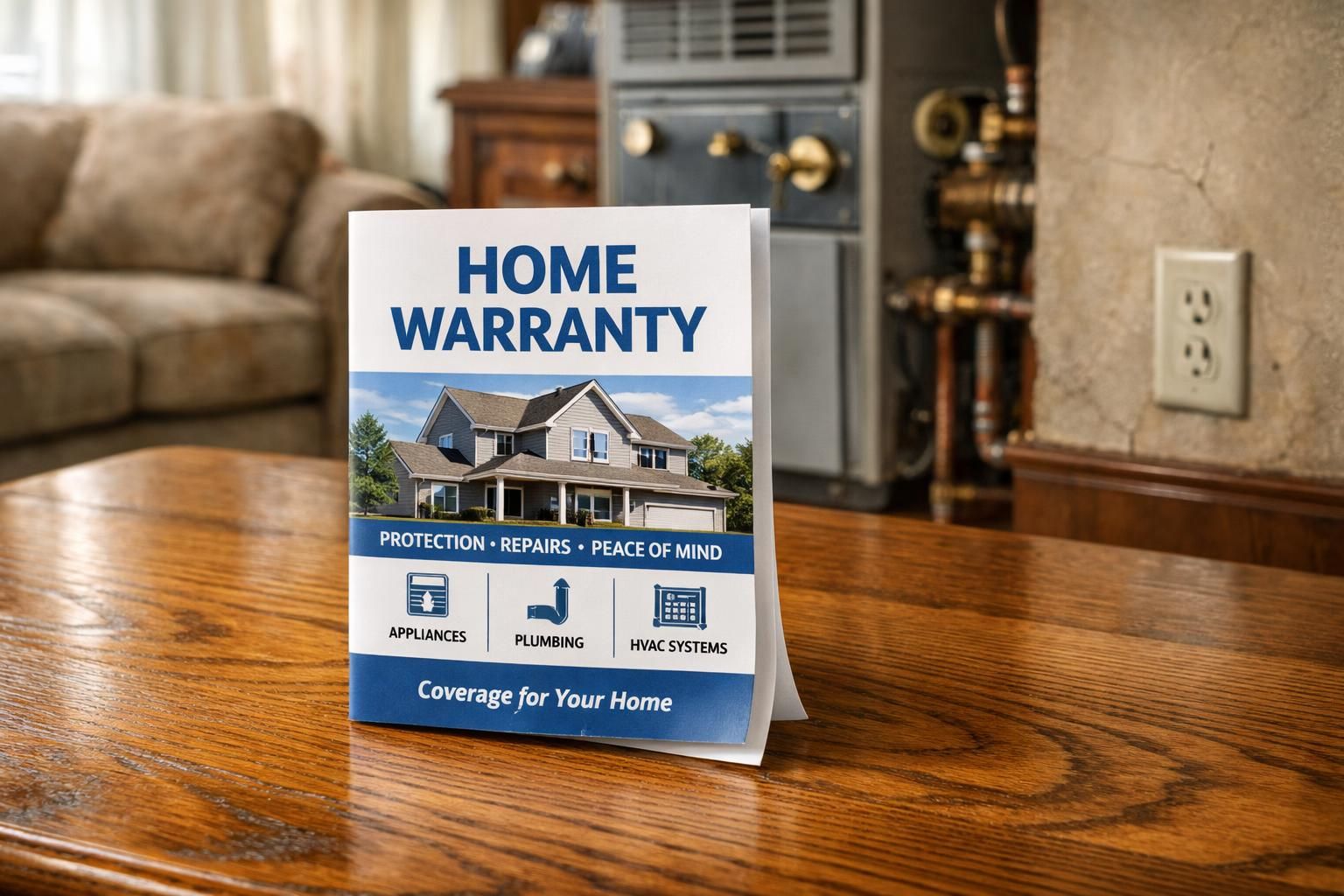
A home warranty plan can give both sellers and buyers peace of mind by covering unexpected repair costs. This is especially relevant in California, where high home values amplify buyer anxiety about deferred maintenance and aging systems.
Older homes with aging systems
California has an enormous stock of homes built before 1990, particularly in Los Angeles, the Bay Area, and older Sacramento neighborhoods. Properties with original HVAC, knob-and-tube wiring, or aging plumbing are most likely to benefit from warranty coverage. 2 Standard homeowners insurance won't cover normal system wear.
A seller coverage option from providers like American Home Shield can protect your budget if a water heater or furnace fails during escrow—a real concern given California's unpredictable weather swings. Optional add-ons for pools, spas, or septic systems are especially relevant for California properties.
Competitive markets needing an edge
In California's high-demand markets, a home warranty can differentiate your listing. Buyers choosing between similar homes in San Diego or the Bay Area may lean toward the one with added protection. In 2020, roughly 1.4 million out of 5.64 million nationwide home sales included a home warranty—showing how common this strategy has become.
In slower California markets or high-inventory zip codes, offering HVAC, plumbing, and appliance coverage can attract hesitant buyers and speed up your sale.
Preventing negotiations from falling through after inspections
California buyers almost always conduct thorough inspections, and sellers are required to provide a Transfer Disclosure Statement detailing known defects. A warranty can help manage post-inspection repair requests by showing buyers that covered systems will be taken care of even if a problem surfaces before closing.
If something breaks during escrow, the service contract may cover repair costs and reduce delays—keeping your transaction on track rather than unraveling over a failed furnace or leaky pipe.
Peace of mind for both the seller and buyer
As the seller, you gain budget protection if major systems fail while your home is listed. For buyers—many of whom are stretching finances to afford California real estate—immediate warranty coverage after closing provides meaningful security. First-time buyers and FHA or VA loan borrowers especially appreciate this protection since they often have less financial cushion for unexpected repairs.
Back to topThe Case Against Offering a Home Warranty


A home warranty can create false expectations if buyers encounter strict coverage limits or service delays. In California, where buyers are sophisticated and expectations are high, warranty gaps can actually increase friction rather than reduce it.
Limited coverage and potential buyer frustration
Coverage limits and exclusions are a persistent source of frustration. Pre-existing problems, maintenance-related failures, and cosmetic issues are routinely denied. 2 California buyers—particularly in markets like San Francisco where purchase prices are high—often expect comprehensive protection and feel let down when claims are rejected.
Arbitration clauses common in warranty contracts may restrict buyers' ability to resolve disputes through California courts, adding another layer of concern for informed buyers.
Adds to closing costs
California already has some of the highest closing costs in the nation. Adding a $350–$800 warranty premium—plus per-visit service fees of $75–$125—further reduces your net proceeds. If you've already budgeted for transfer taxes, title insurance, and agent commissions, a warranty can strain your financial plan at closing.
May not prevent repair negotiations
A warranty doesn't eliminate California buyers' right to request repairs or credits after inspection. Because the Transfer Disclosure Statement requires you to disclose known defects, buyers are already aware of key issues before making repair requests. If the HVAC or plumbing problems fall outside warranty coverage, buyers will still push for corrections or price reductions. 3
Unnecessary for newer or renovated homes
If your California home was recently built or substantially renovated—common in newer developments in the Inland Empire, Sacramento suburbs, or San Diego—modern systems and appliances reduce the risk of failures during escrow. 4 Paying $350–$600 at closing adds little value when your property already has a strong maintenance history and recent upgrades. Builder warranties may already cover new construction.
Back to topAlternatives to Consider
California sellers have several practical alternatives to a home warranty. These options can offer equal or better protection depending on your home's condition and your selling goals.
Pre-listing inspections to address issues upfront
California's disclosure requirements are among the most comprehensive in the country—sellers must complete a Transfer Disclosure Statement, a Natural Hazard Disclosure, and potentially additional local disclosures. Getting a pre-listing inspection complements these requirements by giving you a clear picture of your home's condition before buyers see it.
Addressing issues upfront reduces last-minute surprises during escrow and can eliminate the need for a warranty altogether. A clean inspection report is a powerful marketing tool in California's competitive listing environment.
Setting aside escrow for repairs
Rather than purchasing a service contract, you can negotiate a repair escrow holdback at closing—an agreed amount placed in escrow to cover specific issues identified during inspection. This approach is common in California transactions where repairs can't be completed before closing.
Buyers often trust this arrangement more than a warranty because the funds are earmarked and available immediately, without service call fees, exclusions, or coverage caps. If unused within the agreed timeframe, funds are released back to you.
Pricing the home to reflect "as-is" condition
California law still requires full disclosure of known defects even in an as-is sale, but pricing your home to reflect its current condition attracts cash buyers and investors willing to take on repairs themselves. This can mean fewer post-inspection negotiations and a faster close.
In markets where investor activity is strong—Los Angeles, the Central Valley, parts of the Inland Empire—a well-priced as-is listing often generates competitive interest without the need for any warranty coverage.
Making strategic repairs before listing
Targeted repairs to HVAC, plumbing, and electrical systems often deliver more value than a broad service contract. California buyers are discerning and respond well to homes where the seller has proactively maintained key systems.
Investing $1,000–$5,000 in strategic updates can justify a higher list price or accelerate your sale—and gives you more control over repair quality than relying on a warranty provider's contractor network.
Back to topDecision Framework

Use this checklist to evaluate whether a home warranty makes sense for your California sale, based on your home's age, condition, local market, and target buyer.
Checklist: age of home, condition of systems, market competition, budget, and target buyer type
| Factor | Key Considerations | How It Impacts Your Decision | California Example or Tip |
|---|---|---|---|
| Age of Home | Homes over 15 years old often have aging HVAC, water heaters, or appliances. California has large concentrations of pre-1990 housing in Los Angeles and the Bay Area. | Warranties offer the most value for older homes. Can reassure buyers about unseen problems. | A 1980s Los Angeles home with original HVAC and plumbing likely benefits from added warranty coverage. |
| Condition of Systems | Inspect HVAC, plumbing, electrical, and appliances for wear. Pre-existing issues are excluded by most warranty companies. | Good working order lessens the need for a warranty. Major issues may require repairs before listing. | Get a pre-listing inspection to document system health. Address critical repairs first. |
| Market Competition | In slower California markets or high-inventory neighborhoods, extras like warranties can stand out. Fast-moving markets may not require incentives. | A warranty can attract hesitant buyers in competitive zip codes. May be unnecessary if homes sell quickly. | In a high-inventory San Diego neighborhood, a warranty could help your listing stand out. |
| Budget | Most warranties cost $350–$600. California's high closing costs make every added expense significant. | Consider all closing costs and your net proceeds. Warranties fit best when there's room in your financial plan. | Compare quotes from multiple providers before committing. |
| Target Buyer Type | First-time buyers or FHA/VA buyers often value warranties. Investors and cash buyers typically prefer lower prices. | Warranties reduce anxiety for buyers new to homeownership. Experienced investors focus on numbers. | In entry-level California markets, first-time buyers ask about warranties more than seasoned investors. |
Conclusion
Choosing whether to offer a home warranty in California depends on your property's age, condition, local market, and the type of buyer you're targeting. There is no one-size-fits-all answer.
No one-size-fits-all answer—evaluate your situation and goals
Older homes in competitive California markets—particularly those with aging HVAC, original plumbing, or outdated electrical—stand to benefit most from seller warranty coverage. Newer or recently renovated homes may not need one at all. Always weigh the warranty cost against your net proceeds and the specific concerns of your target buyer.
California's extensive disclosure requirements—Transfer Disclosure Statement, Natural Hazard Disclosure, and others—mean buyers already have a detailed picture of your home's condition. A warranty complements these disclosures but does not replace them. Before committing, review coverage limits, service fees, and arbitration terms carefully.
Consider selling as-is to a cash buyer as an alternative option
Selling your California home as-is to a cash buyer can help you skip repairs, warranty costs, and lengthy escrow timelines. Cash sales often close in days or weeks. Even in an as-is sale, California law requires you to complete all required disclosures, including the Transfer Disclosure Statement—buyers have the right to review these and may cancel during the inspection contingency period.
Investors and cash buyers across California regularly purchase homes regardless of system condition. If speed and certainty matter more than maximizing price, an as-is cash sale may be the right path—especially if the cost of repairs or a warranty feels like too much to manage before closing.
If you're weighing your options and want a straightforward path to selling your California home without the hassle of warranties, repairs, or lengthy negotiations, KDS Homebuyers can help. Visit kdshomebuyers.net to request a free, no-obligation cash offer and find out what your home is worth today.
Back to topFAQs
1. What is a home warranty and how does it help California home sellers?
A home warranty is a service contract covering repair costs for major appliances, HVAC, plumbing, and electrical systems during a real estate transaction. California sellers use it to protect their budget from sudden breakdowns before or during escrow.
2. Does offering a home warranty attract more buyers in California?
It can—particularly in competitive markets or when selling an older home. Warranty coverage gives buyers added confidence, which can set your listing apart in high-inventory California neighborhoods.
3. Can a seller transfer the home warranty to the new owner?
Most providers allow warranty transfer at closing. Coverage continues for the buyer after the sale, typically for one year with an optional 30–90 day post-closing extension.
4. Does a California home warranty replace the Transfer Disclosure Statement?
No. California law requires sellers to complete a Transfer Disclosure Statement and other disclosures regardless of whether a warranty is offered. A warranty supplements your disclosures but does not substitute for them.
5. Is there overlap between homeowners insurance and a seller warranty in California?
California homeowners insurance covers events like fire, theft, and certain water damage. Seller warranties focus on mechanical breakdowns of covered systems and appliances due to normal wear and tear—two distinct types of protection.
6. Should every California homeowner offer a warranty when selling?
Not necessarily. Warranties make the most sense for older homes with aging systems in competitive markets. Newer homes, recently renovated properties, or sellers targeting investors may find better value in price reductions, repair escrow, or an as-is cash sale.
References
- ^ https://homewarranty.firstam.com/blog/home-warranty-when-selling-a-house
- ^ https://www.redfin.com/blog/sellers-home-warranty/ (2025-07-18)
- ^ https://www.albanylawreview.org/article/69972-an-analysis-of-home-warranty-contracts.pdf
- ^ https://www.investopedia.com/articles/mortgages-real-estate/11/home-warranty-worth-it.asp
More in Closing, contingencies and getting paid
- Home Inspection Contingencies: What Sellers Should Know
- Sell House and Buy Another: Timing, Contingencies, and Strategy
- Home Warranty When Selling: Is It Worth Offering and What Does It Cover?
- How the Real Estate Closing Process Works (Seller's Guide)
- Real Estate Contingencies Explained: What Every Seller Should Know
- Property Tax Proration at Closing: How It Works for Sellers
See our guide: “Closing Costs for Sellers: What You'll Pay and How to Reduce Them” →
