

Tired of Being a Landlord? 5 Ways to Get Out in Washington
Are you tired of being a landlord and dealing with endless property management headaches? Many landlords spend five to ten hours each week handling tenant issues, repairs, and paperwork. 1 This post will show you five clear ways to exit rental property ownership in Washington without losing your peace of mind or profit. Discover which path could help you move forward faster.
Key Takeaways
- Landlords can sell with tenants in place, but homes often sell for 10%–20% less than vacant listings. Washington's Residential Landlord-Tenant Act requires at least two days' written notice before showings.
- Waiting until leases end lets owners market to more buyers and may boost sale price by 10%–20%, though traditional sales involve agent commissions (5%–6%), repairs, and staging costs.
- Selling to a cash buyer allows a fast exit—often in 7–14 days—with no repairs needed. Cash offers are typically 15%–30% below market value.
- Hiring a property manager reduces weekly landlord tasks to nearly zero. Typical fees in Seattle, Tacoma, and Bellevue run 8%–12% of monthly rent.
- Transferring property through gifts or a 1031 exchange can delay or avoid capital gains tax. Washington also imposes a state capital gains tax of 7% on long-term gains above $262,000 (2024 threshold), which adds an extra layer of planning compared to many other states.
Sell the Property with Tenants in Place

You can list your rental property for sale while tenants still live there, attracting investors looking for steady rental income. Many buyers in Washington's real estate market seek homes with existing lease agreements and reliable renters already in place.

How it works
A real estate agent lists your rental property with renters still living there. Lease agreements and rent rolls transfer to the new buyer, typically another investor seeking passive income. Under Washington's Residential Landlord-Tenant Act (RCW 59.18), you must provide tenants at least two days' written notice before entering for showings.
Buyers may want to meet your tenants before making an offer. You must disclose current leases, security deposit amounts, tenant payment histories, and any pending disputes. Some landlords offer "cash for keys" to encourage tenant cooperation during showings or early move-out. Throughout the process, you must honor all lease terms and Washington's fair housing requirements.
Challenges: reduced buyer pool, lower offers
Tenant-occupied properties attract fewer buyers in Washington. Many investors avoid rentals with active tenants due to eviction risk—Washington has some of the nation's stronger tenant protections, including just-cause eviction requirements in Seattle and statewide for month-to-month tenants under recent legislative changes. Buyers seeking a primary home almost always skip occupied investment properties.
Sales data shows these homes sell for 10% to 20% below comparable vacant listings. Investors typically request extra discounts because repairs cannot be completed while tenants are in place, and Washington's required notice periods can slow showings and push back closing dates.
If you are tired of being a landlord but want a quick exit, prepare for lower offers than you would receive marketing the home vacant after lease end.
Disclosure requirements and tenant rights
Washington law requires you to give buyers full disclosure of lease agreements, security deposits, rent histories, and any ongoing tenant disputes. Written notice of at least two days is required before entry for showings under RCW 59.18.150.
Tenants retain all rights under the current rental agreement until the lease ends or is legally terminated. The new owner must honor existing leases after purchase. Security deposits must be transferred to the buyer with proper documentation. Any unresolved complaints or pending unlawful detainer actions must be disclosed upfront; failing to do so can expose you to liability under Washington law.
Back to topWait for Lease to End, Then Sell Traditionally
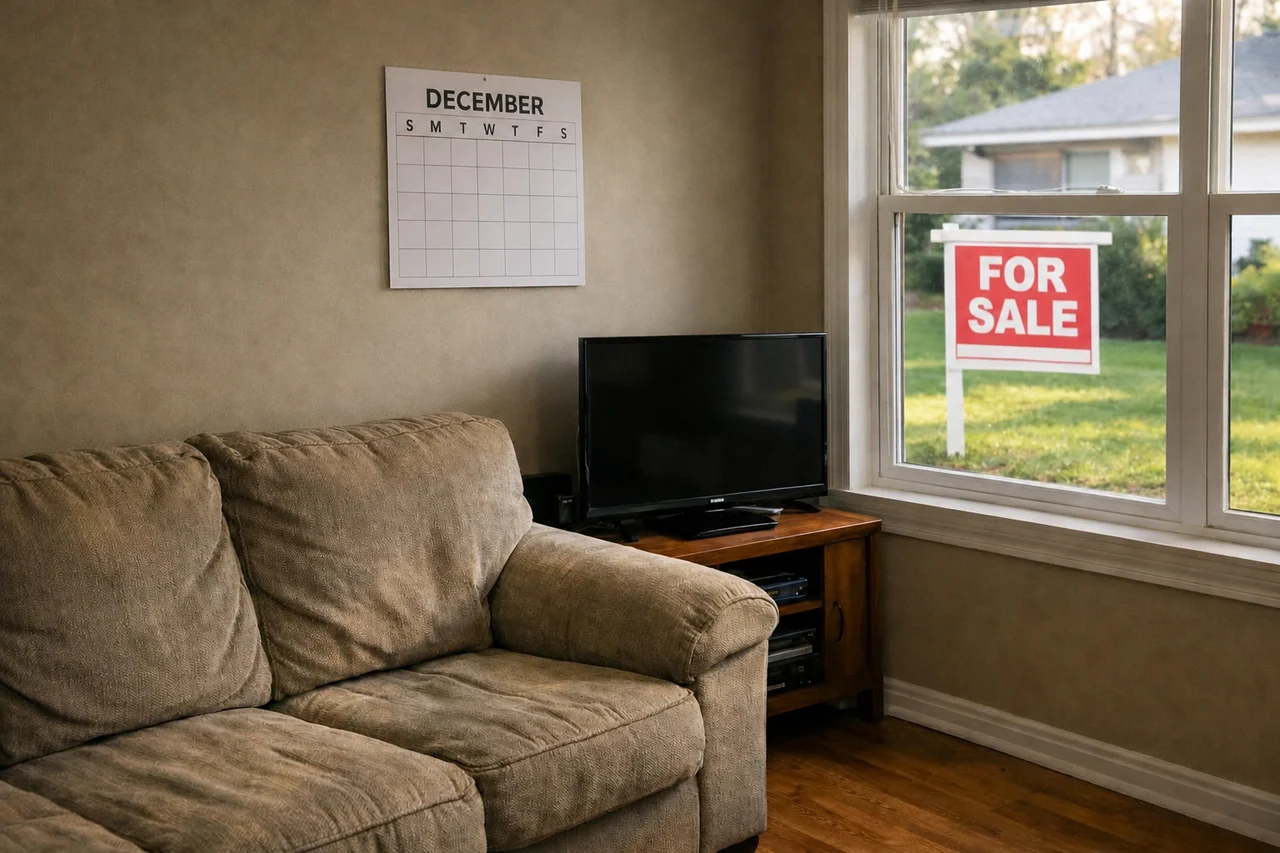
Let your current tenant finish the lease, then list your rental home for sale with a Washington-licensed real estate agent. This approach opens your marketing to owner-occupants and may help maximize your sale price.

Timing considerations and potential for better pricing
Waiting until leases expire often attracts more buyers in competitive Washington markets like Seattle, Bellevue, and Tacoma. A vacant property can sell for 10% to 20% more than one with tenants inside. Washington's real estate market has historically seen steady appreciation, meaning holding a bit longer could increase your sale price.
Plan for extra time if you need repairs or upgrades before listing. Some landlords work directly with tenants to explore whether they want to purchase at lease end, creating a smooth transition. Spreading sales of multiple units over several years can also help manage Washington's state capital gains tax exposure.
Costs of traditional sale: commissions, repairs, and staging
Selling traditionally in Washington comes with several key costs:
- Real estate agent commissions typically run 5% to 6% of the sale price. On a $500,000 home in the Seattle metro, that could mean $25,000–$30,000 in commissions alone.
- Repairs and improvements generally run 1% to 3% of property value. On a $400,000 rental, expect $4,000–$12,000 for items like plumbing, drywall, or flooring.
- Fresh interior paint can cost $2,000–$5,000. Worn carpets run $2–$4 per square foot to replace.
- Appliance updates can add hundreds to thousands of dollars to your pre-sale expenses.
- Washington also imposes a Real Estate Excise Tax (REET) on the seller. Rates are graduated based on sale price, ranging from 1.1% on the first $525,000 up to 3% on amounts above $3.025 million. This is an additional cost many out-of-state landlords overlook.
- Professional staging can improve offers but adds upfront expense.
Between commissions, REET, repairs, and staging, your net proceeds can shrink faster than expected. Factor in Washington's 7% state capital gains tax on long-term gains exceeding the annual threshold as well.
Back to topSell to a Cash Buyer

A real estate investor can buy your Washington rental property directly and close fast, often within two weeks. This path lets you skip repairs, showings, and stressful negotiations.

Speed advantage: close in 7–14 days
You can sell your rental property to a cash buyer and close in just 7 to 14 days—far faster than the typical Washington real estate transaction, which often takes 60 to 120 days. There are no bank approvals or financing contingencies, and cash buyers typically provide proof of funds immediately.
Fast closings help you avoid ongoing holding costs like property taxes, maintenance, and homeowner association fees. If you are dealing with urgent tenant disputes or burnout, this speed provides quick relief. Washington's competitive markets in Seattle and Tacoma mean that investor cash buyers are active and familiar with local regulations.
For landlords who want to explore this route, services like KDS Homebuyers' we buy houses program purchase properties directly for cash with no fees or repairs required, and can close in as little as three days.
As-is condition acceptance and trade-offs
Cash buyers purchase rental property in as-is condition, so you skip repairs, staging, and tenant-access negotiations. You also avoid Washington's REET calculation headaches tied to a higher list price from renovations.
The main trade-off is price: cash offers typically run 15% to 30% below market value. However, for landlords facing difficult tenants protected under Washington's just-cause eviction rules, ongoing maintenance costs, or simple burnout, an as-is offer delivers a fast, clean exit. Fewer contingencies and a short closing timeline make this one of the most reliable options available in today's Washington market.
Back to topHire a Property Manager

A Washington-licensed property management company can handle tenant screening, maintenance, rent collection, and legal compliance—including Seattle's specific renter protections—on your behalf.
Typical fees and services included
Most Washington property management companies charge 8% to 12% of gross monthly rental income, with leasing fees for new tenants running 50% to 100% of one month's rent. For a portfolio of ten properties, annual management costs can total $7,000–$10,000—all tax-deductible.
Services typically include rent collection, background checks and tenant screening, compliance with Washington's Residential Landlord-Tenant Act and Seattle Renter's Commission rules, maintenance coordination, and regular financial reporting. Some firms charge extra for lease renewals or unlawful detainer proceedings.
Stress reduction vs. profit reduction
Hiring a property manager cuts your weekly time investment from 5–10 hours to nearly zero—a major relief if landlord fatigue has set in after navigating Washington's complex tenant protections, notice requirements, and repair timelines. 1
Management fees do reduce annual net profit. If you earn $50,000 per year in rental income, management fees will reduce that by several thousand dollars. These costs are tax-deductible and may partially offset the reduction at tax time. Whether reduced workload is worth lower returns depends on how much you value your time versus profit from your Washington rental holdings. 1
Back to topTransfer to Family or Use a 1031 Exchange

You can pass your rental property to relatives or use a 1031 like-kind exchange for reinvestment. These strategies may help you delay or reduce both federal and Washington state capital gains taxes.
Gifting/selling to family: tax implications
Transferring rental property to family can trigger federal gift tax if the value exceeds $18,000 per person in 2024. The IRS lifetime exemption is $13.61 million per person, but gifts above the annual limit must be reported. 2 Washington does not have a state gift tax, but it does have an estate tax with an exemption of $2.193 million—much lower than the federal threshold—so estate planning is especially important for Washington property owners.
Gifting real estate may reduce your taxable estate for Washington estate tax purposes but affects Medicaid planning under the five-year lookback period. If you sell below market value, the IRS treats the transaction as part-sale and part-gift, potentially increasing gift tax exposure. Recipients who receive gifted property take your original cost basis, which could mean higher capital gains taxes—including Washington's 7% state tax—when they eventually sell.
Consult a Washington estate planning or elder law attorney before gifting or transferring investment property.
1031 exchanges for property reinvestment
A 1031 exchange lets you sell your Washington rental and reinvest in like-kind property while deferring federal capital gains taxes. You must identify a replacement property within 45 days and complete the purchase within 180 days. A qualified intermediary—not your attorney or agent—must hold the funds during the exchange. 4
Washington's 7% state capital gains tax also applies to real estate sales above the annual threshold, but a properly structured 1031 exchange defers that liability as well at the state level. Eligible replacement properties include commercial buildings, farmland, vacation rentals, or other investment real estate. The replacement must be of equal or greater value to defer all taxes.
Many Spokane and Seattle-area landlords use 1031 exchanges to upgrade into lower-management commercial assets or out-of-state properties while avoiding a large combined federal and state tax bill.
Back to topConclusion
Every situation calls for a different solution—whether you want to hire a property manager, sell as-is to an investor, or use a 1031 exchange to reshape your Washington real estate portfolio. Consider your urgency, finances, property condition, and how much stress you can realistically absorb before choosing a path.
Decision-making framework: urgency, finances, property condition, and stress tolerance
- Urgency to Exit
If you need out fast due to burnout or urgent life changes, selling to a cash buyer is the quickest option—often closing in 7–14 days with no waiting for lease expirations or Washington's lengthy unlawful detainer process. - Financial Needs
Traditional sales produce better pricing but involve Washington's REET, agent commissions, and repair costs. Selling as-is trims these expenses but lowers your sale price. Review your budget and tax exposure—including Washington's 7% capital gains tax—before deciding. - Property Condition
Properties needing major repairs attract fewer traditional buyers and often sell for less in any market. Cash investors and investor buyers accept as-is properties, making them a better fit for deferred-maintenance rentals. - Stress Tolerance
Washington landlords face some of the nation's most tenant-protective laws, including just-cause eviction requirements and strict notice rules. If day-to-day management is causing burnout, a professional property manager can provide immediate relief at 8%–12% of monthly rent. - Portfolio Diversification
Some former Washington landlords move proceeds into REITs, commercial properties, or out-of-state real estate via 1031 exchange to reduce concentration in one local market. - Quality of Life
Landlord fatigue is real. Navigating Washington's tenant protections, repair timelines, and required disclosures on top of routine management can erode quality of life over time. Choosing the right exit protects both your finances and your well-being.
Comparison of all five options
The table below breaks down all five options side by side to help Washington landlords evaluate trade-offs in speed, profit, stress, and tax complexity. 5
| Option | Speed | Profit | Stress Level | Tax & Legal Factors | Best For |
|---|---|---|---|---|---|
| Sell with Tenants in Place | 30–90 days | 10%–20% below vacant sale | Moderate; Washington notice requirements and disclosures required | Smaller buyer pool; must comply with RCW 59.18 tenant rights | Owners needing speed with less prep work |
| Sell After Lease Ends (Vacant) | 90–180 days (includes waiting period) | 10%–20% premium over occupied sale | High; repairs, staging, and showings add pressure | REET applies; 5%–6% commissions; WA capital gains tax possible | Owners aiming for maximum profit who can wait |
| Sell to Cash Buyer | 7–21 days; very fast | 15%–30% below market value | Low; as-is, no repairs or staging | Quick close; REET still applies; fewer contingencies | Urgent sellers or those facing tenant or hardship situations |
| Hire Property Manager | N/A (keeps property) | 8%–12% of rent paid as fee | Low; manager handles tenants, repairs, and WA compliance | Ongoing expense; no sale or tax event triggered | Burned-out owners not ready to sell |
| Transfer to Family or Use 1031 Exchange | Varies; depends on family or finding replacement | Market value; 1031 defers federal and WA state capital gains; gifting may trigger federal gift tax | Moderate to high; IRS rules and WA estate tax planning apply | 1031 must close within 180 days; WA estate tax exemption is $2.193M | Investors focused on wealth transfer or reinvestment |
FAQs
1. What are the main reasons Washington landlords feel burned out?
Washington landlords face some of the strongest tenant protections in the country, including just-cause eviction requirements, strict notice rules under RCW 59.18, and Seattle-specific renter protections. Combined with routine maintenance and rent collection, this legal complexity accelerates landlord fatigue.
2. How can a property manager help me step back from active involvement?
A Washington-licensed property management company handles daily tasks including rent collection, maintenance coordination, tenant screening, and compliance with state and local landlord-tenant laws. You keep earning rental income without direct day-to-day involvement.
3. Is selling as-is a good option for Washington rental properties?
Yes, especially if your property needs significant repairs or you are dealing with difficult tenants protected under Washington's eviction laws. Cash investors buy as-is and understand local regulations, allowing a faster, cleaner exit than a traditional listing.
4. How does Washington's capital gains tax affect my exit strategy?
Washington imposes a 7% state capital gains tax on long-term gains above the annual threshold (approximately $262,000 for 2024). This is on top of federal capital gains tax and makes strategies like 1031 exchanges especially valuable for Washington landlords with appreciated properties.
5. Can I use a 1031 exchange to defer Washington's state capital gains tax?
Yes. A properly structured 1031 exchange defers both federal and Washington state capital gains taxes. You must identify a replacement property within 45 days and close within 180 days, using a qualified intermediary to hold funds throughout.
6. Are there ways to stop dealing with tenants without selling my Washington property?
Yes. Hiring a professional property manager removes you from daily landlord responsibilities while you retain ownership. Some owners also convert rental properties into short-term vacation rentals (subject to local regulations) or partner with management companies to handle all tenant interactions.
References
- ^ https://www.evernest.co/blog/5-ways-to-manage-the-stress-of-owning-rental-property
- ^ https://highpointlawoffices.com/how-does-gifting-a-house-work-in-pennsylvania-what-you-need-to-know/
- ^ https://www.1031crowdfunding.com/can-you-gift-a-1031-exchange-property-2/
- ^ https://www.ipx1031.com/what-is-a-1031-exchange/
- ^ https://nlihc.org/sites/default/files/Working-With-Them-Small-Scale-Landlord-Strategies.pdf
If you are a Washington landlord ready for a fast, hassle-free exit, KDS Homebuyers can help. We buy houses directly for cash across Washington—no repairs, no agent commissions, and no waiting. Visit kdshomebuyers.net today to request your free cash offer and take the first step toward leaving landlord stress behind.
Back to top