

How to Sell a House That Needs Repairs (Without Fixing It Up) in Tennessee
Selling your home can feel overwhelming, especially if it needs repairs and you cannot fix everything first. 1 Many Tennessee owners discover they can sell a house that needs work by listing it "as-is" or working with real estate investors instead of making costly upgrades. 2 This guide gives you clear steps, facts about the Tennessee real estate market, and ways to boost curb appeal without major home improvements. Find out how to get honest offers from cash buyers and protect yourself throughout the sale. 3
Selling a house that needs work? Start with how selling a house as-is works. It explains what as-is means, how pricing works and every way to sell a house with problems.
Key Takeaways
- You can sell a house in need of repairs as-is through a real estate agent, auction, or to cash buyers and investors. Cash buyers often pay 60%–80% of the After Repair Value (ARV) and may close in as little as 7–10 days.
- Tennessee law requires full disclosure of known material defects—even during an as-is sale—and you must provide a completed Tennessee Residential Property Condition Disclosure form. Homes built before 1978 also require a federal lead-based paint disclosure.
- Making simple improvements—like fresh neutral paint, new lightbulbs, decluttering, deep cleaning, and yard work—increases curb appeal without expensive renovations; painting main rooms can boost perceived value by up to 25%.
- Pricing your fixer-upper below local comparable sales attracts more buyers. On average, houses needing repairs sell for over $80,000 less than updated homes and stay on the market about 40% longer.
- Avoid scams by working with agents licensed through the Tennessee Real Estate Commission (TREC) who use MLS data and provide written offers. Hiding defects can expose you to liability lawsuits costing $10,000–$50,000 or more.
Understanding Your Situation

Every home has areas that need attention, and some issues can affect your market value more than others. A real estate agent or pre-listing inspection gives you a clearer view of what buyers and lenders will notice right away—whether you're in Memphis, Nashville, or a smaller Tennessee community.
Common issues in homes needing repairs (cosmetic vs. structural problems)
Cosmetic repairs often include fixing chipped paint, replacing old lighting fixtures, or cleaning worn carpet. These updates can make a home look better to buyers but do not affect its safety or structure. Minor upgrades like fresh paint and new lightbulbs may boost curb appeal and attract more interest from Tennessee buyers. 1
Structural problems are far more serious. Common examples include roof replacement, water damage, foundation cracks, electrical panel issues, mold remediation, or broken sewer lines. Home inspectors and lenders always flag these material defects during an inspection or appraisal. Tennessee's older housing stock—particularly in cities like Knoxville and Chattanooga—often surfaces issues like aging HVAC systems or outdated plumbing that can significantly affect value.
Addressing essential repairs early helps avoid major expenses later and can improve your return on investment whether you sell as-is or through a traditional listing.
Assessing your property honestly and without judgment
Take a walk through your home with fresh eyes. Note every detail, from peeling paint to structural concerns like a sagging roof or outdated electrical work. List which repairs are cosmetic and which may need a contractor estimate.
Consult with an experienced real estate agent licensed through the Tennessee Real Estate Commission (TREC) early in the process. Many agents provide a do-not-fix list and help separate true issues from items that will not affect your home's market value.
Consider whether specific repairs offer any return on investment. Not all projects recoup their costs at sale time; major renovations might only bring back 50 cents for each dollar spent depending on local Tennessee market conditions. Over-personalized or partial upgrades can turn off buyers more than leaving things as-is.
Honest self-assessment protects you from negligent misrepresentation claims while helping create an accurate repair estimate before listing on the MLS or selling as-is to cash buyers, investors, or house flippers seeking properties they can upgrade themselves.
Back to topYour Selling Options When Repairs Are Needed


You have choices for selling a house that needs work in Tennessee, and each option carries its own benefits and risks. Real estate agents, MLS listings, and cash buyers can help you reach different types of homebuyers.
Sellers who want to explore all of these paths at once may find it useful to start with a vetted local agent through KDS Homebuyers, whose agent network comes with access to multiple seller programs—including renovation funding, a leaseback option, and a cash-purchase backstop—so you can compare routes in a single conversation before committing to one.
Traditional listing after repairs
Making key home improvements can help your property stand out in the Tennessee real estate market. Replacing a garage door can return up to 194% of its cost, while a steel entry door offers about 188% ROI according to Zonda's 2024 Cost vs. Value Report. 1
Hiring an experienced Tennessee real estate agent gives your house more visibility on platforms like Zillow and the MLS. Focus on repairs that fix safety issues or major defects like roof replacement before listing. Keep project costs in check—avoid spending more than 10% of home value on renovations. A traditional sale after careful repairs often attracts higher offers from buyers who need conventional financing, since lenders in Tennessee will require properties to meet minimum condition standards.
Listing as-is with an agent
You can list your house as-is with a Tennessee real estate agent without making repairs. 1 This option lets buyers inspect the property while knowing upfront that major repairs will not happen before closing.
Tennessee law requires sellers to complete a Residential Property Condition Disclosure form, reporting any known past or current issues including structural problems and code violations. 2 Buyers typically have a window after disclosure to review the contract or walk away. The as-is clause covers the property's stated condition; no extra warranties apply beyond those terms.
Your listing goes on the MLS, reaching regular buyers and investors who seek properties needing work in today's Tennessee real estate market.
Selling to a cash buyer or investor
Selling to a cash buyer or investor offers a fast way out if your Tennessee house needs repairs. Cash buyers often close in as little as 7 to 10 days. Most pay between 60% and 80% of the After Repair Value (ARV). For example, if similar houses sell for $350,000 after fixing them up, you might get an offer around $270,000 if repairs will cost $35,000. Investors want a profit margin of about 20–30% and factor in repair costs, closing costs, and risk tolerance when making an offer.
Expect a quick walkthrough instead of a full home inspection, with offers usually arriving within one to three days. Selling as-is this way may mean accepting $80,000 less than on the regular market with improvements made first—but no waiting for mortgage approvals or open houses cuts down holding costs significantly. This approach best suits Tennessee sellers who value speed over the highest possible price.
Selling through auction
Auctions can help you sell a Tennessee house that needs repairs without making upgrades. Auction platforms and local real estate brokers put your home in front of buyers—such as investors and cash buyers—who expect properties with cosmetic issues, code violations, or major repair needs. You remain in control by setting a minimum price, and the process typically moves much faster than a traditional MLS listing. Buyers come prepared for projects and arrive with their own repair estimates before bidding, so negotiations are minimal.
Back to topWhat to Disclose When Selling As-Is
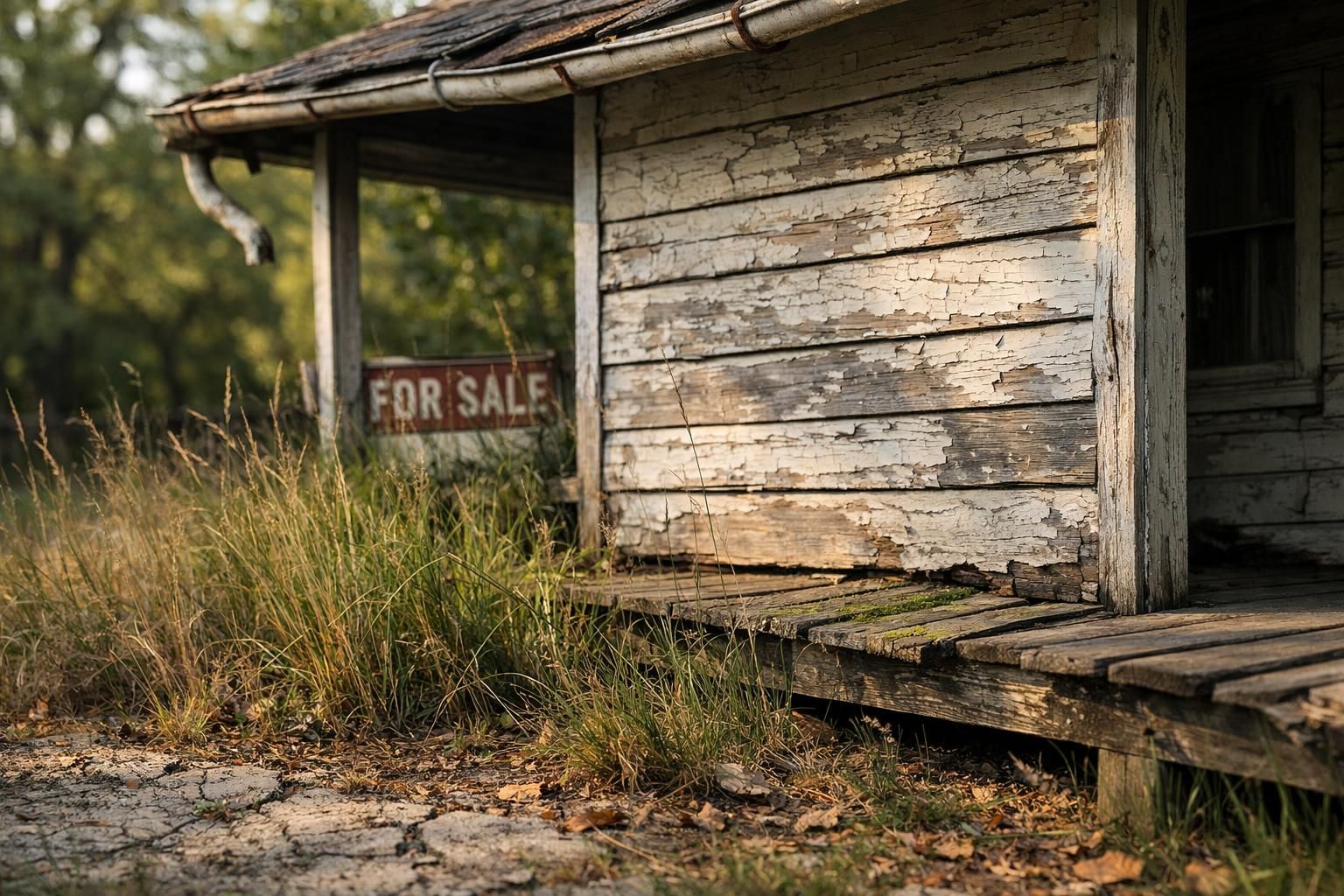
You must share all material defects—like roof leaks or code violations—in an as-is sale to protect yourself and help buyers make informed decisions.
Legal requirements for disclosures in Tennessee
Tennessee state law requires sellers to complete and provide a Residential Property Condition Disclosure form detailing known problems such as leaks, foundation issues, structural defects, or code violations. Federal law also mandates a lead-based paint disclosure for any home built before 1978. Full disclosure is not optional during an as-is sale—you still need to share all known defects and past repairs in writing.
Failing to provide these disclosures can allow a buyer to back out of the contract and may bring legal penalties against you. Carefully gather home inspection reports, contractor estimates, and repair receipts so buyers see the full picture before closing. This protects both parties throughout the Tennessee real estate transaction.
Misconceptions about as-is sales
Many Tennessee homeowners think an as-is sale means you can skip all disclosures—that is false. State law still requires you to disclose material defects, such as roof leaks or code violations, even if your listing says "as-is." Failing to give buyers a full picture can lead to legal trouble and claims of fraud or misrepresentation.
Some sellers assume a quick cash buyer won't bother with inspections. Even investor buyers often perform due diligence with home inspections and contractor estimates before closing. Honesty protects you from disputes after moving out. An as-is sale shifts negotiations on repair costs and price rather than eliminating your disclosure responsibilities.
Importance of honesty to protect yourself
Full and honest disclosure of material defects shields you from legal trouble after the sale. 3 Tennessee law requires sellers to share known problems on required paperwork. Failing to report issues can lead to contract cancellation or lawsuits demanding costly repairs or damages.
Tennessee real estate agents and REALTORS help guide you through these disclosures to keep you compliant with TREC rules. 4 Complete transparency lowers chances of expensive legal costs and builds the buyer trust that speeds up a smooth closing.
Back to topPreparing Your House Without Major Repairs

You can make your Tennessee home more appealing to buyers by taking simple steps that do not require big investments. A clean, organized home with solid curb appeal often gives a better first impression and helps you stand out in today's market.
Decluttering and deep cleaning
Remove personal items, family photos, and excess furniture to help buyers picture the space as their own. Clearing clutter from rooms and closets makes your house feel larger and more inviting. Deep clean high-traffic areas like kitchens and bathrooms—scrub grout lines, wash windows, and wipe down baseboards. Hire a professional carpet cleaner for stained or worn carpets. Even homes with structural problems benefit when everything looks neat and fresh during showings.
Small, affordable fixes that make a big impact
Even if your house needs major work, low-cost improvements can help sell it faster in the Tennessee market.
- Apply fresh neutral paint to main rooms. This can raise perceived value by up to 25% and often provides a return on investment of over 100%.
- Replace old lightbulbs with energy-efficient ones and install brighter fixtures if possible. A well-lit home always looks more welcoming in MLS photos and during showings.
- Use caulk to refresh seams in bathrooms and kitchens around sinks, tubs, and counters.
- Tighten loose cabinet handles and fix dripping faucets or running toilets to show buyers the home has been cared for.
- Touch up scuffed doors, trim, and baseboards with matching paint for a polished first impression.
- Power wash patios, walkways, siding, and fences to remove mildew or grime before listing.
- Mow the lawn and trim overgrown shrubs for instant curb appeal—especially important in Tennessee's hot, humid summers when yards can quickly become overgrown.
- Gather documentation for past repairs, code violations resolved, or contractor estimates so buyers feel confident in what they are buying.
Improving curb appeal and gathering documentation
- Clean up your yard by mowing, trimming shrubs, and removing weeds.
- Add fresh mulch or seasonal flowers for color that stands out in real estate listings.
- Pressure wash walkways, siding, and driveways.
- Paint or replace the front door for an affordable update that catches a buyer's eye.
- Add simple touches like new house numbers or a welcome mat for a positive first impression.
- Stage your porch or entryway—38% of real estate agents said home staging impacts sales more than repairs in HomeLight's Top Agent Insights End of Year 2024 report.
- Fix loose railings and patch small cracks on steps or paths to present a safer environment.
- Gather repair estimates from licensed Tennessee contractors for large repairs such as roof replacement or structural problems to justify your pricing with interested buyers.
- Collect documents like pre-listing inspections, receipts from recent maintenance, code violation notices, and reports about material defects to build credibility during negotiations.
Dealing with a Hoarder House
Decluttering is the first step when selling a hoarder house. Tackle one room at a time, removing obvious trash and broken items before deep cleaning. Rent a dumpster for larger cleanouts or hire local Tennessee junk removal services. A real estate agent experienced in selling as-is homes can guide your strategy and protect your interests during the sale. Honest presentation about the home's condition sets realistic expectations for buyers seeking fixer-uppers through cash buyers or MLS listings.
Back to topPricing Strategy for a Fixer-Upper

Set a smart price for your Tennessee fixer-upper by using MLS data, repair estimates from contractors, and current trends in local home values.
Researching comparable sales
Look at recent local sales to find homes like yours in size, age, and condition. Use the MLS, online real estate sites, or ask a TREC-licensed agent for help. Focus on properties that closed in your neighborhood within the last three to six months. Compare their sale price, square footage, home improvements, and repair needs with your own house.
If your property has more cosmetic or structural problems than those comps, price it lower to attract buyers looking for a deal. Tennessee markets vary widely—a fixer-upper in Nashville's fast-moving suburbs may attract more investor interest than a similar property in a rural county, so local knowledge matters. Adjust your price based on market feedback from showings rather than waiting too long to make changes.
Understanding ARV and investor offers
ARV stands for After Repair Value—what your house could sell for after all repairs and improvements are complete. Tennessee investors use ARV to decide how much they can pay, based on current comparable prices and repair estimates. Cash buyers typically offer 60%–80% of ARV.
To calculate an investor's offer: ARV minus repair costs, minus profit margin, minus holding costs equals the cash offer. Most investors aim for at least a 20–30% profit. For example, if your home's ARV is $350,000 but needs $35,000 in repairs and $10,000 covers holding costs, expect an offer near $270,000—about 77% of its finished value. Understanding these numbers helps you manage expectations before accepting any cash offers.
Managing expectations for offers
Homes needing repairs usually attract lower offers in the Tennessee market. On average, houses in need of work can sell for over $80,000 less than updated properties, and fixer-uppers often stay on the MLS about 40% longer than renovated homes.
If you list as-is or target cash buyers and investors, prepare for fewer bids and below-market prices. About 15–20% of U.S. home sales are as-is, so competition among similar listings can be real. Set realistic goals based on comparable sales data and contractor repair estimates before deciding on a pricing strategy or seller concessions.
Back to topCommon Pitfalls to Avoid
Many Tennessee homeowners stumble over complex contracts or misleading cash buyer offers. You can protect your home's value by understanding seller disclosures, repair estimates, and common legal traps before accepting any deal.
Recognizing scams and unrealistic pricing traps
Scammers often target homeowners in tough situations by promising quick cash with no proof. Watch for buyers who ask for upfront fees, request personal financial details, or push you to sign agreements fast without seeing the property. Legitimate cash buyers and investors provide written offers explaining their numbers. Real estate scams also appear on FSBO sites or through fake agents using stolen MLS listings.
Unrealistic pricing traps are common when sellers skip research on comparable sales. Overpricing your house usually results in sitting on the market longer and ultimately selling for less after price reductions. 5 Always use real Tennessee market data before setting a price.
Avoiding hidden defect liability
Disclose all known material defects in your Tennessee home, even when selling as-is. Skipping problems like roof issues or old wiring will not protect you from liability. Tennessee law requires sellers to complete the Residential Property Condition Disclosure form for every sale, and federal law applies to homes built before 1978 for lead-based paint hazards. Failing to inform buyers about plumbing leaks or code violations can cost $10,000–$50,000 in legal fees and trigger punitive damages.
List everything you know on the disclosure form before listing with an agent or on a FSBO platform. If unsure about hidden issues, hire a pre-listing inspector so you have accurate repair estimates and avoid costly surprises later. Full transparency protects you during closing negotiations and keeps the transaction fair for everyone involved.
Protecting yourself in contracts
Carefully review every contract before signing, especially in an as-is sale. Make sure the agreement has clear language about disclosures and buyer contingencies. The "as-is" clause limits your warranties but does not allow you to conceal known issues like roof leaks or structural problems. A TREC-licensed real estate agent or Tennessee real estate attorney can help you understand these terms and protect your interests.
Do not skip over sections about inspections, material defects, or code violations. Buyers often include home inspection contingencies and may renegotiate or walk away if they find major new repairs. Staying transparent avoids claims of concealment after closing.
Back to topTennessee-Specific Tax Considerations
Tennessee has no state income tax on wages, and the state does not impose a separate capital gains tax—meaning profits from selling your home are generally subject only to federal capital gains rules. Under federal law, single filers may exclude up to $250,000 in capital gains from the sale of a primary residence ($500,000 for married couples filing jointly), provided they have lived in the home for at least two of the past five years.
Tennessee does impose a real estate transfer tax (also called a deed tax) of $0.37 per $100 of the property's value, paid at closing. This is typically a seller cost and should be factored into your net proceeds. Property taxes in Tennessee are among the lowest in the nation, but any unpaid property taxes or municipal liens must be resolved before or at closing—these will appear in a title search and can delay or derail a sale if not addressed early.
If your Memphis or Nashville property has open code enforcement liens or delinquent property taxes, disclose these upfront and work with your title company to resolve them as part of the closing process.
Back to topConclusion
You have real options for selling your Tennessee house, even if it needs repairs. Focus on honest disclosures to protect yourself under state law. Work with a TREC-licensed real estate agent who understands fixer-uppers if you want the best price. Highlight your home's strengths in the listing, set a fair price using comparable sales data from Zillow or the MLS, and present the property as cleanly and honestly as possible. With smart planning, you can sell your home as-is and meet your goals without sinking money into renovations you may never recoup.
If you need to sell a Tennessee home that needs repairs—quickly and without the hassle of listings, showings, or contractor negotiations—KDS Homebuyers purchases houses directly for cash, in any condition. Visit kdshomebuyers.net to request your free, no-obligation cash offer today.
Back to topFAQs
1. What does selling a house as-is mean in Tennessee?
Selling as-is means you offer your home without making repairs or improvements. Buyers see the property with all its known material defects and agree to take responsibility for any needed work—but Tennessee law still requires you to complete and provide a Residential Property Condition Disclosure form.
2. How should I price my Tennessee house if it needs major repairs?
Set your price by comparing recent comparable sales of similar homes in your area that also needed work. Factor in repair estimates, possible code violations, unpaid property taxes, and holding costs to find a fair as-is value.
3. Should I get a pre-listing inspection when selling a house that needs work?
Yes. A pre-listing inspection helps identify structural problems or cosmetic repairs buyers might flag during their own home inspection. This builds trust and can speed up negotiations with cash buyers or traditional home buyers in Tennessee.
4. Who buys houses needing major repairs in Tennessee?
Cash buyers such as real estate investors look for homes with low curb appeal, aging roofs, or large repair needs because they plan upgrades after purchase for a higher return on investment. These buyers usually close fast and expect a lower price rather than seller-funded repairs.
5. Are there tax implications when selling a Tennessee fixer-upper?
Tennessee does not impose a state capital gains tax, so your profit is subject only to federal rules. Single sellers may exclude up to $250,000 in gains (up to $500,000 for married couples) if the home was your primary residence for at least two of the past five years. Tennessee's real estate transfer tax of $0.37 per $100 of value is typically paid by the seller at closing.
6. Do small curb appeal improvements help sell even damaged Tennessee properties faster?
Yes. Simple steps like mowing the lawn, pressure washing, and adding fresh paint boost first impressions even if you skip full staging or expensive renovations. Curb appeal helps your property stand out against other fixer-upper listings and can attract more serious buyers looking for value in the Tennessee market.
References
- ^ https://www.zillow.com/learn/how-to-sell-a-house-as-is-when-it-needs-repairs/ (2025-05-13)
- ^ https://trerc.tamu.edu/article/navigating-as-is-sale-2381/ (2023-05-24)
- ^ https://www.nar.realtor/the-facts/consumer-guide-seller-disclosures
- ^ https://www.ramseysolutions.com/real-estate/selling-a-house-as-is?srsltid=AfmBOopA9P71RF-ErmZ6qV83QrPmzmxl_hsbex7AQF6t0LljkC57QM3X
- ^ https://smithspencer.com/house-pricing-mistakes-to-avoid-common-pitfalls-and-how-to-prevent-them/ (2024-12-15)
More in Selling as-is and repairs
- Sell My House As Is for Cash: Fast Sales Without Repairs
- Sell Your House As-Is or Fix It Up? Cost-Benefit Analysis and Best Path
- Sell House for Cash in Austin: Fast & No Repairs Needed
- How to Sell a Home As-Is: Pros, Cons, and What to Expect
- Selling a House As Is: Real Seller Experiences and Strategies
- Selling a House As-Is: Pros, Cons, and Whether It's Right for You
See our guide: “How to Sell a House As-Is: What It Means and How It Works” →
