

How a Home Appraisal Works (And What to Expect as a Seller) in Washington
Selling your home in Washington can feel stressful, especially when you worry about getting a fair price. A home appraisal gives you an unbiased property value that lenders, buyers, and sellers depend on. 1 This guide explains how appraisals work in Washington state, what impacts your home's market value, and ways to avoid surprises before closing. Keep reading to learn how to make the most of your sale.
Key Takeaways
- A home appraisal is a required step for most mortgage-backed sales in Washington, giving an unbiased estimate of your property's market value. Licensed appraisers follow USPAP standards and compare recent local sales to set this value.
- Appraisals usually happen after offer acceptance but before closing. The process takes around 7 to 21 days from start to finish. Expect appraisal fees between $400–$700 in the Seattle, Tacoma, and Bellevue markets.
- If the appraisal comes in lower than your contract price—something that happens about 10–15% of the time—the deal can hit delays or fall through unless the buyer covers the gap or you renegotiate.
- Major repairs, deferred maintenance, or title problems will reduce your home's appraised value and could block some loan approvals, especially FHA loans. Fix issues before the appraisal if possible.
- Selling directly to a cash buyer lets you skip traditional lender-required appraisals, making it easier and faster to close—this option saves on approval wait times and avoids risks tied to low valuations.
What is a Home Appraisal and Why Does it Matter?
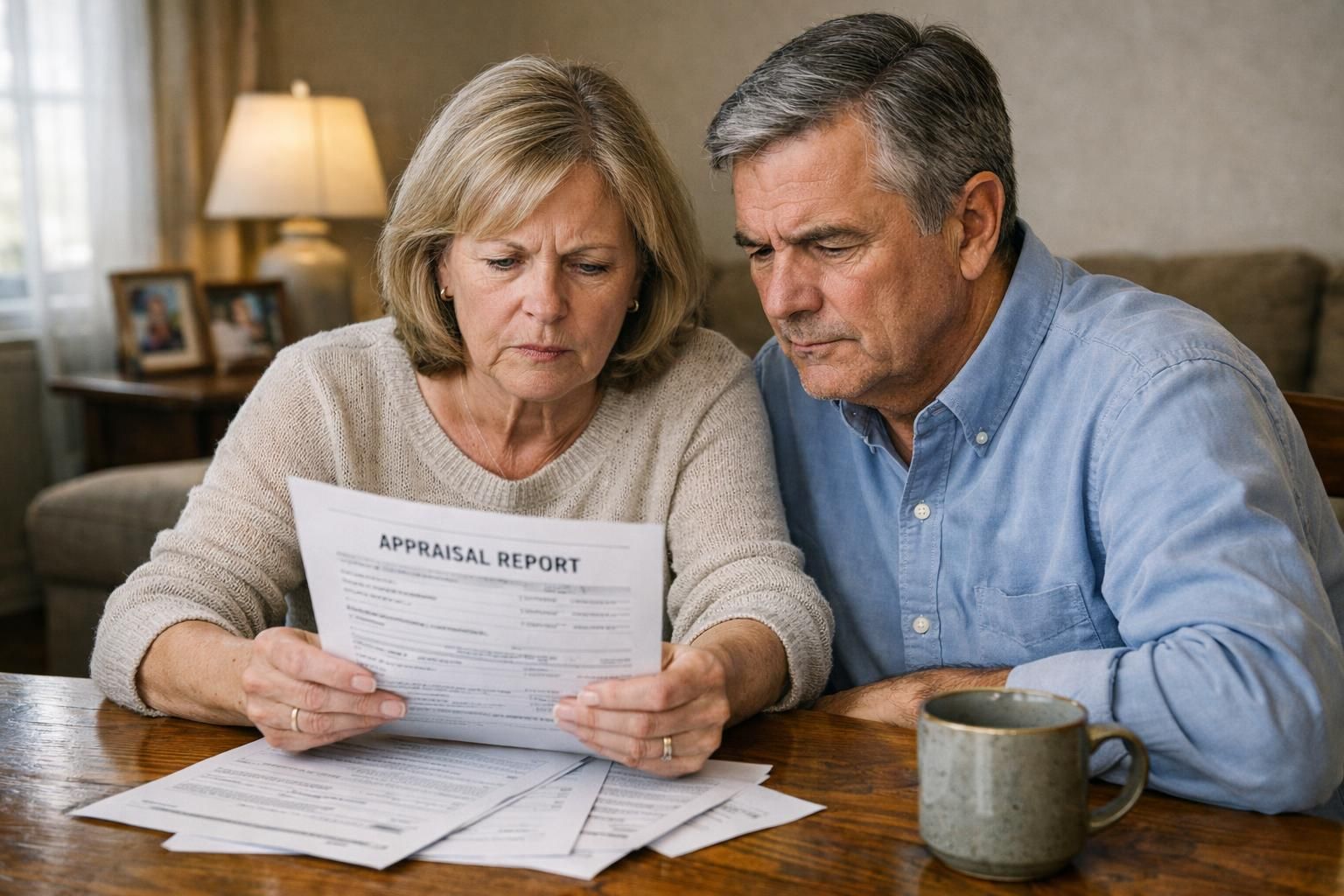
A home appraisal gives you a fair estimate of your property's market value, based on analysis from a Washington state-licensed appraiser. Mortgage lenders require this step to make sure the property supports your loan amount and protects their investment.
Definition of a home appraisal
A home appraisal gives you an unbiased, professional estimate of your property's value. A Washington state-licensed or certified appraiser conducts this evaluation for banks, mortgage lenders, and sometimes insurance companies. 2 The expert follows strict rules called Uniform Standards of Professional Appraisal Practice, known as USPAP. Washington appraisers are licensed and regulated through the Washington State Department of Licensing. This process helps set the fair market value for your home during a real estate transaction or refinance. 1
An appraisal report includes details about property condition, square footage, improvements made to the home, location factors like school districts, and comparable sales data from nearby properties. In competitive markets like Seattle and Bellevue, recent comps can shift quickly, making timely data especially important.
Lenders use this document to decide loan amounts and ensure they are not lending more than the home's worth. Sellers rely on fair valuation to support their price in negotiations or help prevent surprises during escrow.
Importance for sellers, buyers, and lenders
Appraisals hold real weight in any Washington real estate transaction. As a seller, you depend on the home appraisal to confirm your property value matches the final sale price. For buyers, appraisals help prevent overpaying and confirm they are making a sound investment based on comparable sales and current market trends.
Lenders rely on state-licensed appraisers for an unbiased opinion of market value before approving mortgage loans or refinancing requests. Most lenders target loan-to-value ratios at or below 80 percent. If your home appraises higher than expected, you may eliminate private mortgage insurance (PMI) or qualify for better interest rates.
Appraisals also matter during divorce settlements, probate proceedings in Washington Superior Court, refinances, or when tapping into home equity with a second mortgage.
Difference between a home appraisal and a home inspection
A home appraisal estimates your property value for the mortgage lender, focusing on fair market value based on comparable sales and local real estate trends. A Washington state-licensed appraiser checks basic condition, square footage, upgrades, and location but does not examine every system in depth.
Home inspectors do a more detailed job—they test HVAC, roofing, plumbing, and electrical systems to find safety issues or repairs needed before closing. Both reports can impact loan approval, but only the inspection report examines every detail of your property's structure and function. If major repairs are flagged, speak with a real estate agent early so you understand what comes next.
When Do Appraisals Happen in the Selling Process?

Most home appraisals in Washington take place after you accept an offer but before the closing date, especially when a mortgage lender or bank is involved. Understanding this timing can help you prepare for each step and plan for loan approval or next moves.
Traditional sales (after offer acceptance, before closing)
After both parties sign the purchase and sale agreement—Washington's standard contract form—your mortgage lender orders a home appraisal. This happens before closing to protect everyone in the transaction and confirm the property value matches the contract price. The buyer typically pays the appraisal fee, which appears on the closing disclosure three days before the sale finalizes.
A licensed appraiser will visit your home within this window. They use comparable sales from the MLS and publicly recorded Washington sales data, considering square footage, lot size, bedrooms and bathrooms, and recent home improvements when estimating fair market value.
Refinances, estate settlements, and divorce situations
Refinancing your Washington home usually requires a property appraisal to update home value for loan approval. Strong credit or high equity may qualify you for an appraisal waiver, but most refinancing still requires a state-licensed appraiser.
In Washington, estate settlements going through probate in Superior Court often require an independent appraisal to establish fair market value for tax purposes or stepped-up basis calculations. Washington does have a state estate tax with an exemption threshold—currently $2.193 million—so accurate valuations matter when calculating potential estate tax liability. Divorce proceedings in Washington, a community property state, rely on professional appraisals to fairly divide real estate assets between parties.
Appraisal exceptions for all-cash sales
Cash buyers do not need approval from a mortgage lender, so the appraisal process is typically skipped. This can speed up your real estate transaction significantly and help you avoid delays common in the Seattle or Tacoma markets. Most all-cash sales in Washington close much faster because there is no lender-required appraisal.
Selling directly to a cash buyer lets you bypass appraisal contingencies and save on appraisal fees, which often run $400–$700 in Washington's urban markets. Many sellers in challenging situations choose the cash route because it streamlines closing costs and eliminates risks tied to low appraisals that might threaten the deal.
What Does an Appraiser Do?

A Washington state-licensed appraiser visits your home, reviews its condition and upgrades, and uses comparable sales along with market trends to produce an unbiased report—discover what shapes your property value next.
On-site inspection process (interior and exterior evaluation)
An on-site appraisal gives the appraiser a close look at your property. This detailed visit impacts your final appraised value and can affect your real estate transaction.
- The licensed appraiser schedules a visit to your property, typically lasting about 30 minutes for standard homes. Larger or unique properties may take longer.
- You can be present during the appraisal. The appraiser walks through both the interior and exterior, reviewing every major area.
- Inside, the professional evaluates bedrooms, bathrooms, kitchen, living spaces, and any additions or finished basements. Home upgrades like new roofing or updated appliances are carefully noted.
- Outside, they examine curb appeal and check siding, windows, roofing, porches, garages, lot size, and landscaping quality.
- FHA and VA loan programs require extra scrutiny for safety issues such as handrails on stairs or peeling paint in homes built before 1978.
- The appraiser photographs every major room and all exterior sides for documentation required by mortgage lenders and Washington state regulations.
- They assess property condition including visible repairs needed; deferred maintenance influences market value and limits loan approval options.
- Square footage is measured for finished living areas only; unfinished basements or attics do not count unless converted to legal living space under local building codes.
- Modernizations such as remodeled kitchens or energy-efficient windows are added to the report and may boost fair market value.
- All findings feed into the sales comparison approach using recent local data to set market value estimates.
Washington appraisers must meet education requirements, pass state exams, and maintain licensing through the Department of Licensing before each renewal deadline. These professionals play a critical role in banking decisions about mortgage lending.
Use of comparable sales (comps) and market trends
Appraisers use comparable sales—called "comps"—to estimate your home's fair market value. Because Washington is a deed recording state, sales prices are publicly available through county assessor records, giving appraisers strong data to work with. They pull information from the MLS and county records, looking at properties with matching square footage, bedroom and bathroom count, property size, age, and condition. Homes that sold within 90 days carry the most weight.
Market trends play a strong role too. In markets like Seattle and Bellevue, prices can shift quickly with interest rate changes or seasonal demand. Your appraisal report will reflect these local shifts. Mortgage lenders require evidence-based valuations; appraisers follow guidelines set by Fannie Mae and Freddie Mac when using comps for residential appraisals.
Key Factors That Impact Appraised Value

Location, condition, age, updates, and neighborhood trends
Property location plays a big role in your Washington home appraisal. Appraisers look at your neighborhood, proximity to schools, transit access, crime rates, and future development plans. Because Washington publicly records sale prices, appraisers here have access to strong comparable sales data—a significant advantage over non-disclosure states.
Homes near parks, Sound waterfront access, or major employment corridors in the Puget Sound region often see higher values. Your home's condition matters just as much as its address. Well-kept houses with recent upgrades perform better during the appraisal process. Updating kitchens or bathrooms can increase property value if you have receipts and permits ready. Neighborhood trends also matter—rising local prices help boost your final market value estimate while declining trends can bring it down despite improvements you've made.
How to Prepare for a Home Appraisal

Practical tips: repairs, cleaning, decluttering, and documentation
Tackle minor repairs before the home appraisal. Fix leaky faucets, replace bulbs, patch chipped paint, and address cracked windows. Even small problems can raise questions about property condition and reduce your home value estimate.
Clean every room from floors to ceiling fans and organize closets to make all areas accessible for the appraiser's inspection. Declutter countertops, entryways, bedrooms, and garages so square footage stands out clearly.
Prepare documents showing proof of recent upgrades—receipts, building permits pulled through your local Washington municipality, and photos. Permits matter in Washington because unpermitted work can negatively impact appraised value or create title complications later. Keep utilities running throughout the visit so each system works as intended. Let the appraiser work openly without feeling pressured—a transparent approach builds trust throughout the process.
What Happens After the Appraisal?
Your licensed appraiser will send an appraisal report to your mortgage lender within a few days. Review the home value estimate and work with your real estate agent or loan officer if you see any issues with the final property value.
Report timeline and possible outcomes (matching, low, or significant issues)
After the appraiser visits your property, most lenders receive the official appraisal report within 1 to 2 weeks. From order to delivery, expect the full process to take about 7 to 21 days. Under federal law, the mortgage lender must provide you with a copy of the report.
If your home's appraised value matches or exceeds the contract price, your real estate transaction should move forward smoothly. About 10–15% of appraisals come in below contract price, creating an "appraisal gap." In these cases, buyers might increase their down payment to cover the difference or renegotiate with you as the seller. If an appraisal contingency is in the purchase and sale agreement and talks do not resolve things, buyers may walk away without penalty under Washington contract terms.
Common Appraisal Challenges for Distressed Properties
Distressed properties in Washington often face appraisal challenges due to repair needs, outdated features, or legal issues—these hurdles can affect your fair market value and your ability to close.
Issues with major repairs, deferred maintenance, or title complications
Major repairs like roof damage, faulty wiring, or foundation problems can lower your home appraisal. Properties needing significant repairs may not qualify for conventional mortgage loans. Deferred maintenance such as peeling paint, missing handrails, or non-working smoke detectors can also fail FHA appraisals. Washington law requires working smoke and carbon monoxide detectors, so addressing these before the appraisal visit is essential.
Title complications create additional hurdles. Liens, unpaid property taxes recorded with the county assessor, or ownership disputes must be resolved before moving forward with a real estate transaction. Working with a Washington state-licensed appraiser and an experienced real estate agent helps you address these challenges early.
Options for Sellers with Appraisal Concerns
If your home appraisal comes in lower than expected in Washington, you still have several ways forward. Real estate agents and licensed appraisers can help you explore the best solution for your situation.
Selling directly to a cash buyer to bypass appraisal challenges
Selling your home to a cash buyer lets you skip the lender's appraisal process entirely. You do not have to worry about low appraisals or delays caused by strict mortgage requirements. Cash buyers use their own methods—like property market analyses—instead of relying on a licensed appraiser's report. This means you can avoid appraisal gap issues or appraisal contingencies that could slow down closing. 3
Many Washington sellers in tough situations choose this route because it reduces risk and stress. You save time since there is no appraisal fee or waiting for mortgage lender approval. Setting your price based on comparable sales and current market trends gives you more control over the final deal without worrying about property condition setbacks flagged during formal appraisals.
Selling Your Washington Home: Understanding the Process and Options
Listing your property in Washington involves several steps, with real estate agents and licensed appraisers working on your behalf. Appraisers use the sales comparison approach to determine fair market value by comparing your home against recent comparable sales—publicly recorded through Washington county assessor offices—in your neighborhood.
If you accept an offer that relies on a mortgage loan, expect a state-licensed appraiser chosen by the lender or their third-party management partner under Dodd-Frank Act rules. Appraisal costs range from $400 to $700 for most single-family homes in Washington's urban and suburban markets. 4 The report can directly affect loan approval and closing timelines.
Washington also imposes a real estate excise tax (REET) on property sales, calculated as a percentage of the sale price on a graduated scale. Understanding how your final appraised value and sale price interact can affect how much REET is owed at closing. If issues arise during the appraisal process—such as a low appraisal or property condition problems—you may have other choices, including working with cash buyers who typically do not require a formal appraisal.
Conclusion
Understanding the home appraisal process puts you in control during your Washington real estate transaction. With clear steps, realistic expectations, and input from a state-licensed appraiser, you can prepare your property to show its best value. Small upgrades, proper permits, and attention to detail can make a meaningful difference in your market value estimate. If challenges arise with the appraisal report, reach out to a trusted real estate agent for guidance on next steps.
If you're dealing with a distressed property, a low appraisal concern, or simply want to skip the uncertainty of the traditional process, KDS Homebuyers can help. Visit kdshomebuyers.net to request a free cash offer and find out how quickly you can close on your terms—no appraisal required.
FAQs
1. What is a home appraisal and why do Washington sellers need one?
A home appraisal is an expert's estimate of your property value during a real estate transaction. Mortgage lenders require this step to confirm fair market value before approving a loan or refinancing in Washington state.
2. How does the appraisal process work for home sellers in Washington?
A Washington state-licensed appraiser reviews recent comparable sales from county records and the MLS, inspects property condition, and considers square footage, lot size, bedrooms and bathrooms, upgrades, and location. The result becomes part of the official appraisal report used in setting the final sale price.
3. Which methods do appraisers use to determine property value?
Professionals rely on three main approaches: the sales comparison approach (using comparable sales), the cost approach (estimating replacement costs), and the income approach (for investment properties).
4. Can a low appraisal impact my sale or loan approval in Washington?
Yes. If your home appraises below the contract price, it can cause delays in loan approval or force renegotiation under the appraisal contingency terms of your Washington purchase and sale agreement.
5. Does Washington's real estate excise tax affect my appraisal?
Washington's REET is based on the actual sale price, not the appraised value, but a low appraisal that leads to a renegotiated lower sale price could reduce the total REET owed at closing.
6. Is there any way to challenge an appraisal report if I disagree with it?
You can request a reconsideration of value through your real estate agent by providing more accurate comparable sales data or pointing out errors in square footage calculations in the original report. These requests succeed less than 10% of the time and can add one to two weeks to your closing timeline.
