

How to Sell a House in a Bad Neighborhood in Tennessee
Table of Contents
- What Defines a 'Bad' Neighborhood in Tennessee?
- Price Your Home Realistically
- Make Strategic Improvements
- Effective Marketing Strategies
- Consider Alternative Selling Methods
- Safety and Showing Considerations
- Tennessee-Specific Disclosure Requirements
- Negotiate Smartly
- Cash Buyer Solutions for a Faster Sale
- Conclusion
- FAQs
- References
Trying to sell a house in a bad area of Tennessee can feel overwhelming, especially with low property values and limited buyer interest. 1 Many homeowners across Memphis, Nashville, and Knoxville face this tough situation, but practical steps can boost your chances of a successful sale. This guide covers how to improve curb appeal, price your home correctly, and find the right buyers—even in challenging Tennessee neighborhoods. 2
Key Takeaways
- Homes in challenging Tennessee neighborhoods often sell for 15% to 20% less and can sit on the market 40–60% longer than comparable homes in safer areas.
- Focus on curb appeal and safety upgrades like security doors and exterior lighting. Deep cleaning and minor repairs attract buyers more than expensive renovations in these markets.
- Set your price using recent local comparable sales. Avoid relying solely on automated tools like Zillow Zestimate, which can overvalue homes by up to 12% in distressed areas.
- Cash investors and house flippers make up 40–50% of buyers in distressed Tennessee neighborhoods. They typically pay 70–85% of After Repair Value (ARV) but close faster with fewer conditions.
- Tennessee law requires sellers to disclose known material defects. Use honest listings on Zillow, Realtor.com, and social media with professional photos to attract serious buyers.
Selling in a challenging neighborhood is absolutely possible with the right Tennessee-specific approach.
Homeowners near industrial corridors, high-traffic areas, or economically distressed zip codes in Tennessee face real obstacles. High crime rates and underperforming schools further limit buyer interest. The National Association of Realtors reports that homes in high-crime neighborhoods typically sell for 15 to 20 percent less than similar houses in safer areas.
Still, you have options. Cash buyers, property investors, and first-time buyers looking for affordable entry points regularly purchase homes in tough Tennessee markets. Transparent marketing on Zillow or Realtor.com—with clear photos and honest disclosures—helps attract serious buyers ready to move forward.
Back to topWhat Defines a 'Bad' Neighborhood in Tennessee?
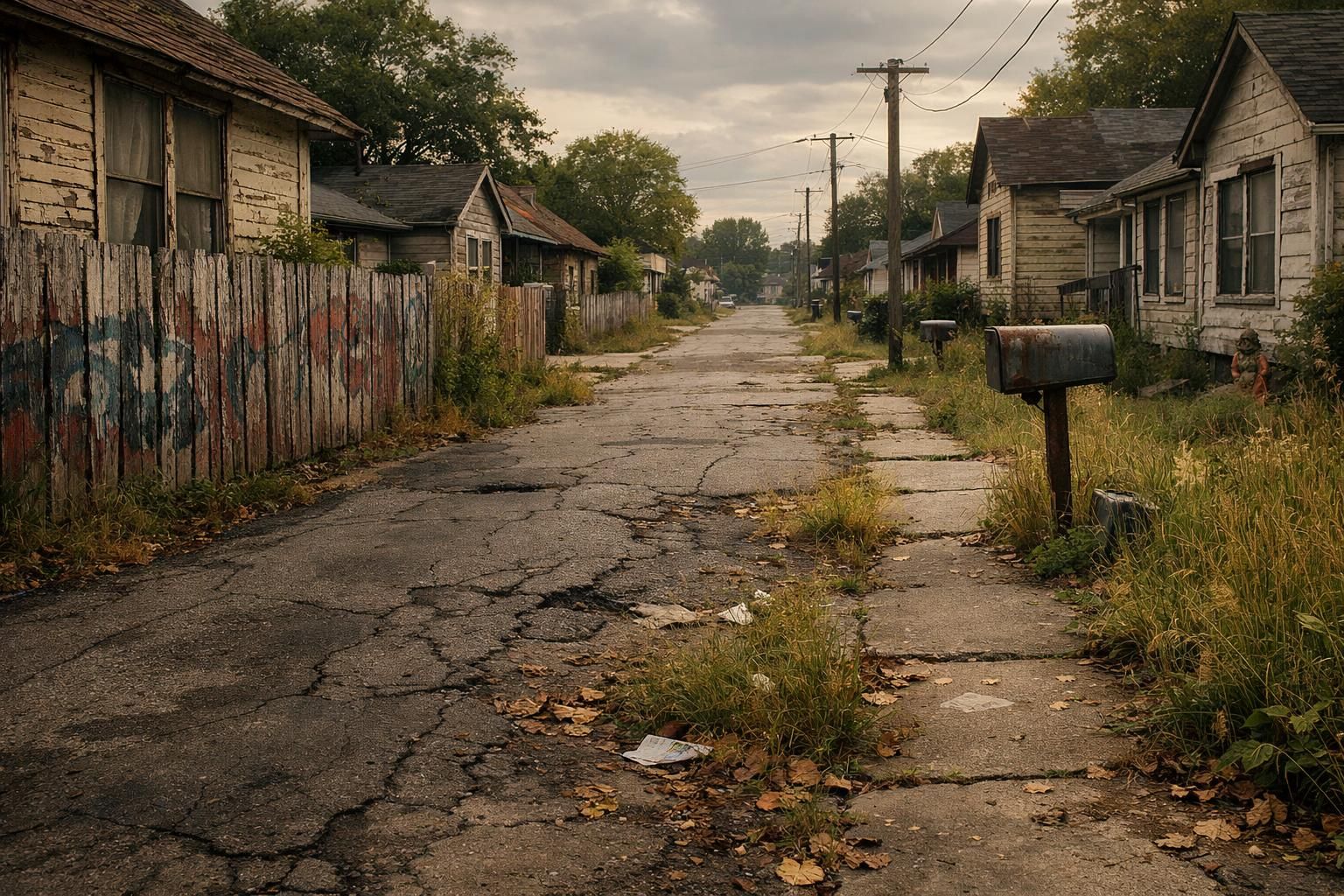

Understanding what's driving your neighborhood's perception helps you work with local real estate agents who know how to position homes in challenging Tennessee markets.
High crime rates
High crime rates lower property values by 15–20% compared to safer locations, according to National Association of Realtors data. 1 In Tennessee cities like Memphis and Chattanooga, certain zip codes carry well-known crime reputations that affect lender appraisals and buyer confidence.
Lenders require comparable sales within one mile and in similar condition, making it harder for your home to compete. Security upgrades—like installing security doors, brighter exterior lighting, or privacy fencing—offer the best return on investment in high-crime areas and help ease buyer concerns during showings.
Tennessee does not mandate that sellers disclose whether registered sex offenders live nearby, but you must disclose known material defects under Tennessee's residential property disclosure law. Always confirm your disclosure obligations with a licensed Tennessee real estate agent or attorney before listing.
Declining property values
Declining values directly impact your selling strategy. Automated tools like Zillow Zestimate often overestimate homes in distressed Tennessee neighborhoods by 8–12%. Appraisers use conservative figures and only compare properties within one mile with similar conditions.
Listings in undesirable Tennessee locations often stay on the market 40–60% longer than those elsewhere. Investors or cash buyers may offer 70–85% of After Repair Value depending on condition and local trends. Accurate pricing backed by recent comparable sales is your strongest tool.
Poor school systems
School quality strongly influences buyer decisions in Tennessee, where Tennessee Department of Education report cards rate schools publicly. Neighborhoods with low-performing schools tend to attract more renters than owner-occupants, which can complicate FHA loan approval during a transaction.
First-time buyers focused on affordability may be less concerned about school ratings. Highlight nearby amenities—parks, after-school programs, or community centers—and let your agent market your home's strengths honestly while noting school district realities.
Abandoned properties and limited buyer interest
Vacant, overgrown properties drag down your street's appeal and signal risk to buyers. Community clean-ups, tidy landscaping, and power washing during home staging help offset a neighbor's neglect before your open house.
Expect buyer interest to be limited. In distressed Tennessee neighborhoods, cash investors or house flippers can make up 40–50% of the buyer pool. 2 FHA loans are often denied when more than half the area's homes are rentals, shrinking your pool of traditional buyers further. Pricing your home 5–10% below similar listings creates immediate interest from investors who know the area's risks and rewards.
Back to topPrice Your Home Realistically
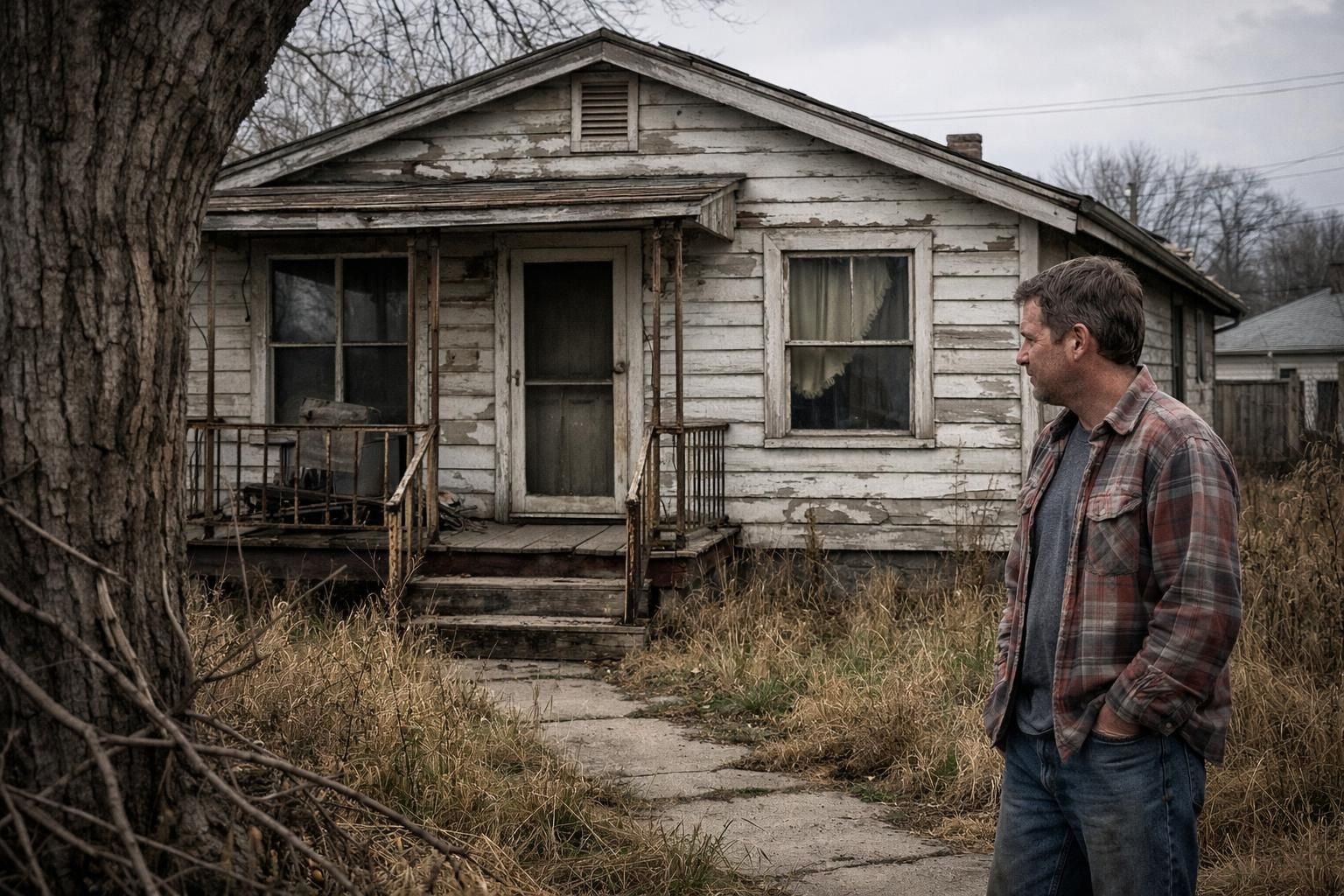
Set your price based on real Tennessee market data and feedback from local agents. MLS listings and recent closed sales give you the most accurate picture in an undesirable location.
Research comparable sales in your area
Check recent comparable sales within a one-mile radius of your Tennessee property. Look at homes with similar square footage, age, and condition—lenders require these comps for appraisals. Homes in high-crime areas or near abandoned properties typically sell for 15–20% less than similar homes in safer neighborhoods.
Consult at least two or three local real estate agents and review actual sale prices, not just listing prices. Avoid relying solely on Zillow Zestimate, which can overvalue distressed homes by 8–12%. Cash buyers often pay an additional 10% less due to speed and certainty, with offers typically landing at 70–85% of After Repair Value.
Avoid overpricing
Overpricing in a declining Tennessee neighborhood leads to extended market time. Price your home 5–10% below nearby comparable listings to generate immediate buyer interest. Ask multiple agents with local expertise before setting your price—generic online tools miss neighborhood nuances that experienced Tennessee agents understand.
Back to topMake Strategic Improvements
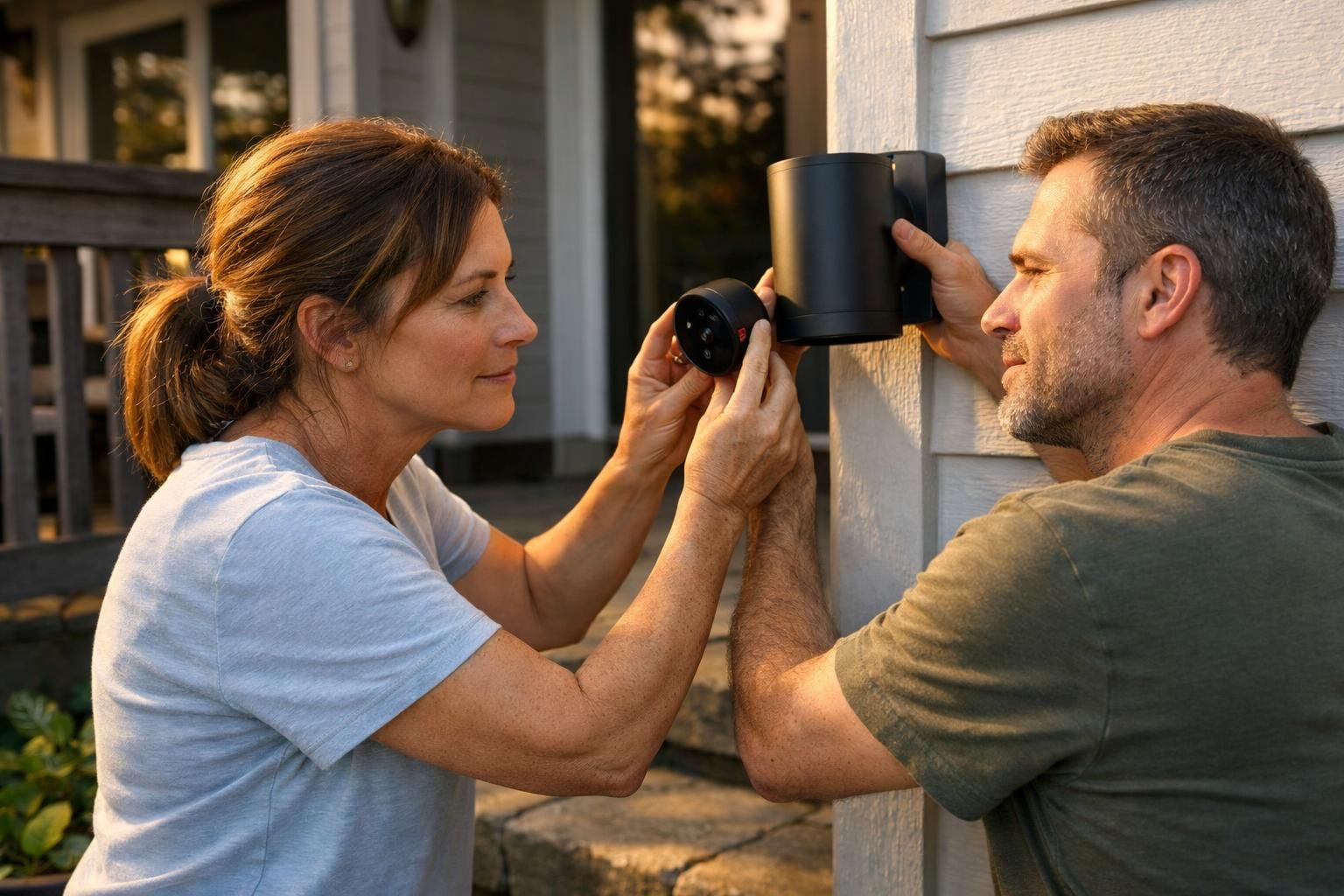
Focus on cost-effective changes that boost curb appeal and make buyers feel safe. Skip expensive renovations that won't yield returns in a distressed Tennessee market.
Focus on safety features and curb appeal
Install security doors, exterior lighting, and privacy fencing to ease buyer concerns during showings. Fresh paint on the front door and exterior, along with landscaping and power washing, raises your home's appeal at low cost.
Encourage neighbors to keep yards tidy—the whole block's appearance affects buyer perception. Spring and summer are ideal times in Tennessee to showcase landscaping improvements, since greener lawns stand out immediately to buyers driving by.
Deep cleaning, minor repairs, and skipping costly renovations
Deep cleaning spotless kitchens and bathrooms, fixing squeaky hinges, patching chipped paint, and applying fresh neutral colors make a measurable difference at minimal cost. Remove personal items so buyers can picture themselves in the space.
Skip major kitchen or bathroom remodels. In distressed Tennessee neighborhoods, expensive renovations typically return only 30–40% of their cost, compared to up to 80% in higher-value markets. Cash buyers and investors focus on potential, not luxury finishes. Basic repairs and cleanliness attract buyers faster than costly overhauls.
Back to topEffective Marketing Strategies

Use professional photos and honest listings
Listings with 30 or more high-quality images get significantly more attention. Hire a real estate photographer who can highlight your home's best features and minimize signs of a challenging location. Stage each room, add lighting, and capture recent upgrades in both photos and captions.
Be transparent about neighborhood realities in your listing. Under Tennessee's residential property disclosure requirements, sellers must disclose known material defects. Honest marketing builds trust, reduces deal fall-throughs, and keeps negotiations smoother for both sides.
Target investors and cash buyers, and list on multiple platforms
Investors and cash buyers actively seek homes in Tennessee neighborhoods with declining values. Post your property on Zillow, Realtor.com, and social media platforms like Facebook and Instagram. Use neighborhood signs at busy intersections to drive local foot traffic.
Hold multiple open house events and promote them through social media ads and community groups. Broad listing strategies in tough markets often double showings compared to a single platform. Working with a Tennessee agent who specializes in distressed or investor-facing sales helps you reach the right audience faster.
Back to topConsider Alternative Selling Methods

Traditional listing vs. cash buyers vs. auctions
Traditional listings in a challenging Tennessee neighborhood often take twice as long to close compared to better areas. FHA financing is frequently limited in neighborhoods with high rental concentrations, reducing your traditional buyer pool.
Cash buyers purchase as-is and can close in as little as one to three weeks, skipping appraisals and inspections that often kill deals in distressed areas. This route also helps prevent foreclosure and protects your credit if time is short.
Auctions guarantee a sale but typically bring the lowest price of all three methods, with investors making up most bids. Weigh your timeline and equity position carefully before choosing a path.
Back to topSafety and Showing Considerations
Schedule showings during daylight hours and have your agent pre-screen buyers by verifying identification and intent. Store valuables off-site before each tour. Install a security system and use video doorbells for added peace of mind.
Stay present during showings in higher-risk Tennessee neighborhoods. Your presence discourages theft and vandalism. Have your agent log every visitor and confirm all appointments in advance. Pointing out nearby amenities—grocery stores, parks, public transit access—adds value and reassures buyers during the tour.
Back to topTennessee-Specific Disclosure Requirements
Tennessee law requires residential sellers to complete a property disclosure form covering known material defects, including structural issues, water intrusion, HVAC condition, and environmental hazards. Failure to disclose known problems can expose you to legal liability after closing. Work with a licensed Tennessee real estate agent or real estate attorney to ensure your disclosure form is complete and accurate before listing.
Tennessee does not have a state income tax on wages, but capital gains from home sales may be subject to federal capital gains tax. If the home was your primary residence for at least two of the last five years, you may qualify for the federal exclusion—up to $250,000 for single filers and $500,000 for married couples filing jointly. Tennessee also imposes a real estate transfer tax, currently calculated per $500 of value (or fraction thereof) of the sale price. Confirm the current rate with your closing attorney or title company.
Back to topNegotiate Smartly
Expect offers to come in 15–20% below what similar homes fetch in safer Tennessee areas. Cash buyers typically bid around 70–85% of After Repair Value. 3 Set your listing price 5–10% below comparable properties to generate immediate interest and avoid drawn-out negotiations.
Address buyer concerns that surface after inspection without delay. Offer repair credits, cover closing costs, or provide a home warranty to help first-time buyers feel secure in the transaction. Transparency about neighborhood challenges—paired with clear solutions like updated safety features or soundproof windows—builds confidence even in tough Tennessee markets.
Back to topCash Buyer Solutions for a Faster Sale
Cash buyers provide a fast, reliable path for Tennessee homeowners in challenging neighborhoods. Many purchase properties as-is and close in as little as seven days. 4 You skip appraisals, inspections, and the risk of mortgage-related deal failures. Most cash offers land at 70–85% of your property's After Repair Value—trading some equity for speed and certainty.
If you are facing foreclosure, a cash sale can protect your credit and stop the clock. Connecting with reputable local investors through your Tennessee real estate agent or direct outreach keeps the process safe and straightforward. 5
Back to topConclusion
The right buyer exists—and with the right Tennessee-specific strategy, you can sell your home successfully.
Cash buyers, investors, and affordability-focused families actively seek homes in challenging Tennessee markets every month. Set a realistic price based on recent local sales, invest in curb appeal and safety upgrades, and market widely across multiple platforms. Be transparent in your disclosures as required under Tennessee law, and consider cash buyer options if speed is a priority.
If you are ready to explore a fast, hassle-free sale, KDS Homebuyers purchases homes directly from Tennessee homeowners for cash—regardless of neighborhood, condition, or situation. Visit kdshomebuyers.net to request your free, no-obligation cash offer today.
Back to topFAQs
1. How can I improve my property value before selling in a tough Tennessee neighborhood?
Focus on repairs, deep cleaning, and simple upgrades like fresh paint and new fixtures. Address visible issues inside and outside. These steps help your home stand out even in a challenging area.
2. What are effective ways to market a home in a low-demand Tennessee area?
Highlight unique features and use professional photos with honest descriptions. List on multiple platforms including Zillow and Realtor.com, and hold open house events so buyers can see the value firsthand.
3. Does pricing matter more in a tough Tennessee neighborhood?
Yes. Research recent comparable sales in your area and price competitively—typically 5–10% below similar listings. Realistic pricing attracts serious buyers and investors who understand the local market.
4. What are Tennessee's seller disclosure requirements?
Tennessee requires sellers to complete a residential property disclosure form covering known material defects. Consult a licensed Tennessee real estate agent or attorney to ensure full compliance before listing.
Back to topReferences
- ^ https://www.researchgate.net/publication/225361341_Crime_and_Residential_Choice_A_Neighborhood_Level_Analysis_of_the_Impact_of_Crime_on_Housing_Prices
- ^ https://medium.com/@dfwrealtormilat/how-do-you-sell-a-house-in-a-bad-neighborhood-3a4de1cd263f
- ^ https://www.har.com/ri/3566/negotiate-smartly-and-walk-away-from-bad-deals
- ^ https://www.cameronjournal.com/avoiding-foreclosure-how-cash-buyers-can-help/
- ^ https://today.ucsd.edu/story/all-cash-home-buyers-pay-10-less-than-mortgage-buyers
