

Selling a House With Water Damage: What to Disclose and How to Price It in Florida
You may feel stressed if you need to sell a house with water damage in Florida. Water problems can lower your home value and lead to costly repairs or mold growth. 1 This guide explains what Florida law requires you to disclose, how to price your property fairly, and how to find the best path forward before listing. 2
Key Takeaways
- Florida law requires sellers to disclose all known water damage, leaks, mold, and repairs. Under Florida Statute 689.261 and the Johnson v. Davis standard, you must reveal material defects — including past flooding and foundation issues. Failure to disclose can lead to lawsuits, deal cancellations, or penalties.
- Water-damaged homes typically sell for 15–30% less than comparable undamaged properties. Severe Category 3 "black water" cases often attract offers of only 50–70% of after-repair value (ARV), especially from cash buyers and investors. Appraisers subtract repair costs plus a stigma factor of up to 20%.
- Professional inspections — by home inspectors, mold specialists, and engineers — are critical. Florida's humid climate accelerates mold growth, making expert assessments especially important. Inspection results also help set fair prices.
- Major repairs range from $15,000 to $70,000 depending on damage severity; minor fixes may cost $1,200–$5,000. Florida homeowners insurance often excludes flood damage, requiring separate NFIP or private flood coverage. Many sellers don't recover full repair costs at closing.
- Cash buyers offer quick sales (often 7–14 days) but typically pay below market value. This can be a practical solution for Florida homeowners dealing with hurricane damage, flooding, or urgent timelines.
Types of Water Damage
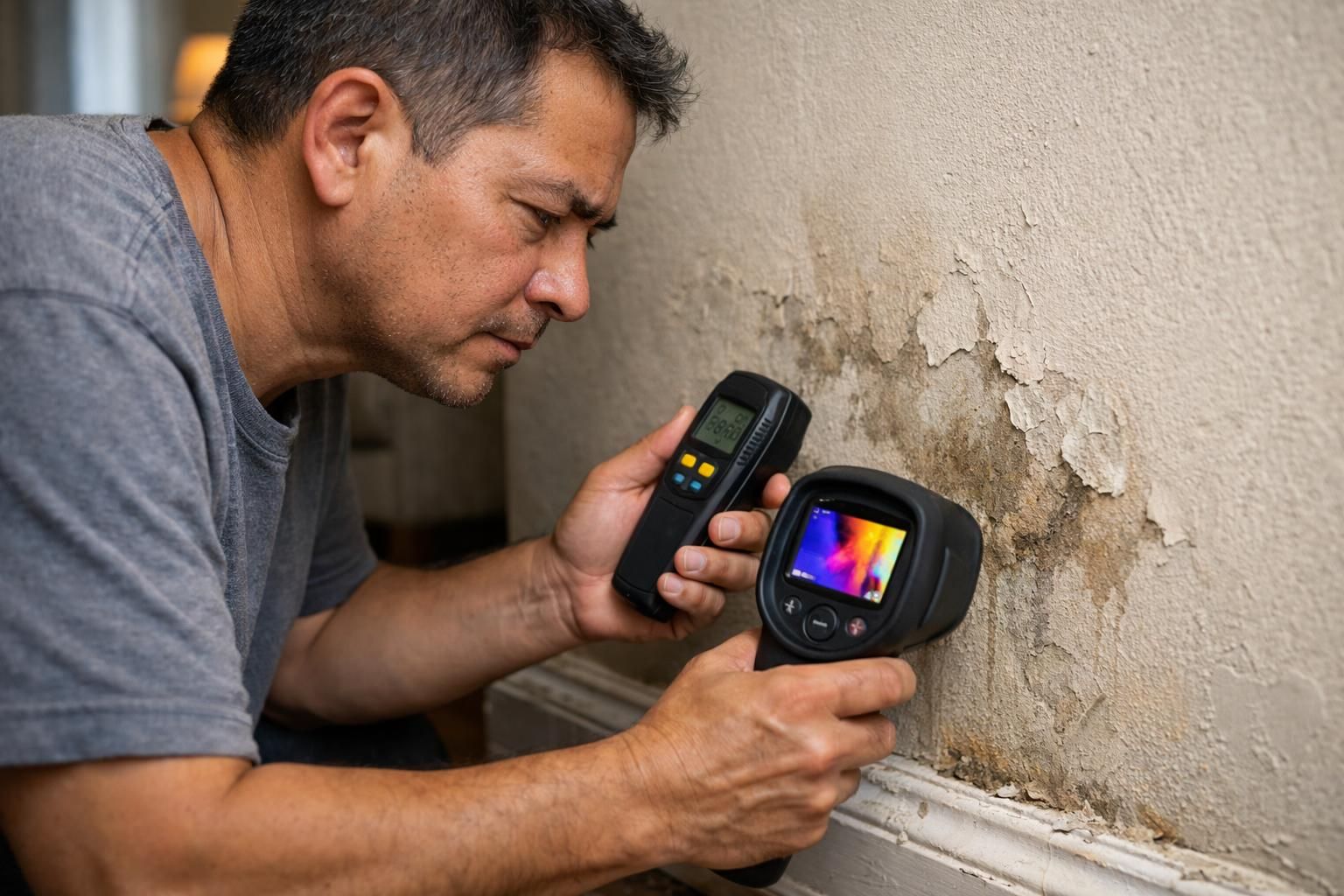
Water damage in Florida takes many forms — from hurricane flooding to plumbing failures — and often extends well beyond what you can see. Florida's warm, humid climate accelerates mold growth and hidden structural decay, making professional assessment especially important before you list.

Visible damage: stains, warping, mold
Stains on ceilings, walls, and baseboards signal past water intrusion from roof leaks, burst pipes, or storm surge. Warping affects wood floors, drywall, doors, and trim. In Florida's humidity, even minor moisture intrusion can cause wood to swell and particle board to become unsalvageable within days.
Mold begins growing within 24 to 48 hours after water exposure — a particular concern in Florida's year-round heat. You might find black spots or fuzzy patches on drywall, carpet pads, or ceilings. Florida law requires sellers to disclose any known mold problems to buyers before closing. Black mold (Stachybotrys) must be professionally remediated due to serious health risks and must be disclosed under Florida's real estate disclosure standards. 1
Hidden damage: behind walls, foundation issues
Water damage hidden behind walls or beneath floors is common in Florida homes, particularly after hurricane seasons or prolonged rainfall. Leaky pipes, aging water heaters, and poor drainage allow moisture to collect unseen. Because Florida homes are largely slab-on-grade construction, foundation issues often manifest as cracks in slabs or wall separations rather than basement flooding.
Water seeping into slab cracks can weaken structural integrity and attract wood-destroying organisms like termites — a significant concern in South Florida and the Tampa Bay area. Serious foundation issues can prevent buyers from obtaining conventional financing, as most lenders require proof of repairs before approving loans on structurally compromised homes.
A licensed structural engineer's report helps document hidden damage and supports your disclosure obligations under Florida law.
Categories of water: clean (Category 1), gray (Category 2), black (Category 3)
Three categories of water damage can affect your Florida home. Category 1 (clean water) comes from supply lines or burst pipes and poses the lowest health risk. Category 2 (gray water) comes from appliances and contains contaminants that can cause illness. Category 3 (black water) includes sewage backups and stormwater flooding — the most serious type and especially common in Florida after major hurricanes.
Professional cleanup for black water damage can take up to six months for large jobs involving structural repair. Appraisers deduct all repair costs and apply a stigma factor of 10% or more for black water-damaged homes. Most lenders will not approve FHA loans on properties with untreated black water issues because they fail HUD standards. Cash buyers typically offer 50% to 70% of market value after repairs in severe contamination cases.
Back to topLegal Disclosure Requirements
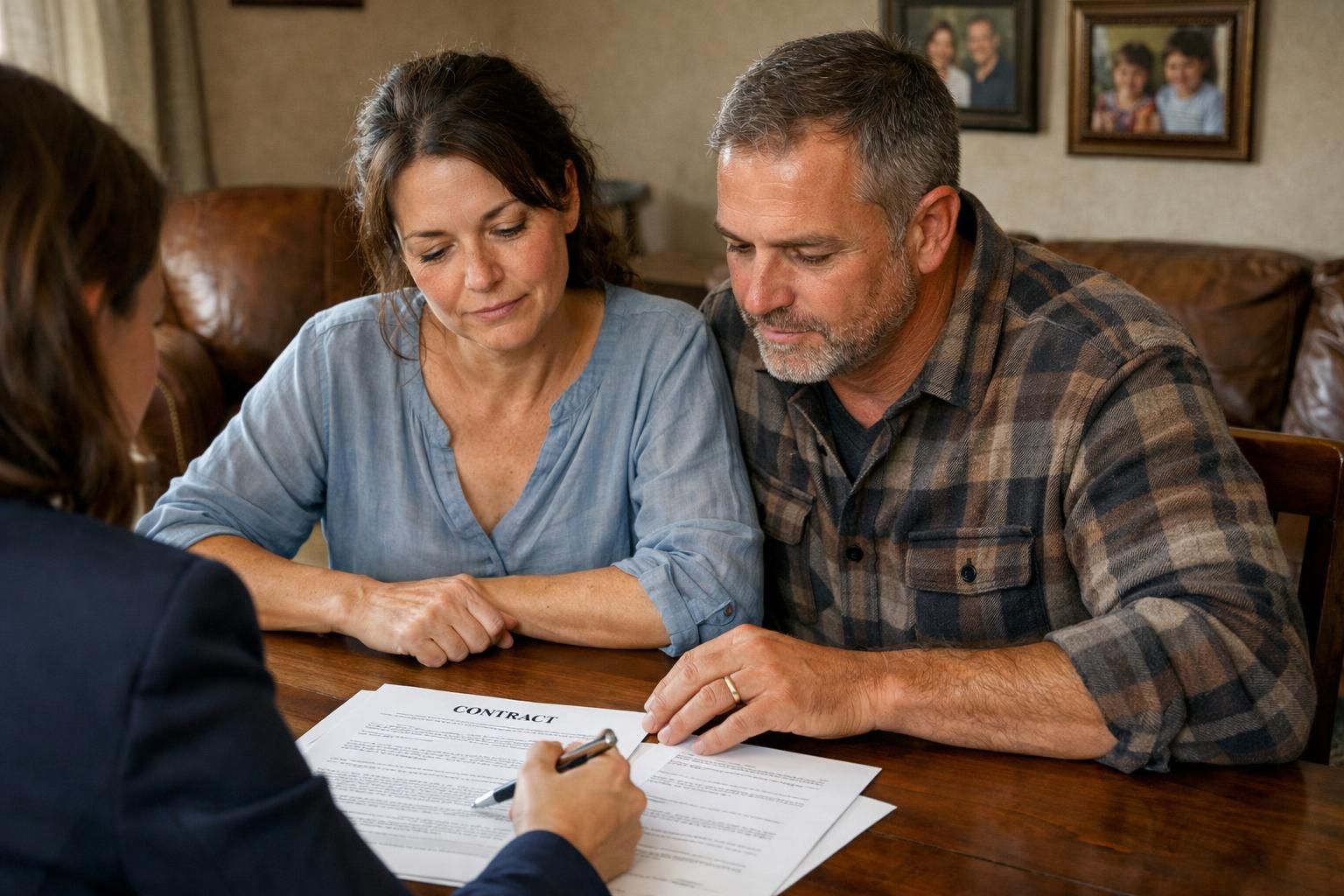
Florida has specific disclosure requirements for sellers. A real estate attorney or licensed agent familiar with Florida law can help you understand exactly what must be shared with potential buyers.

Florida seller disclosure law
Florida follows the standard established in Johnson v. Davis (1985), which requires sellers to disclose all known facts that materially affect the value of a property and are not readily observable by the buyer. This applies to water damage, mold, flooding history, foundation issues, and past repairs — even if you believe the problem has been fixed.
Florida does not use a single standardized statewide disclosure form like some other states, but the Florida Realtors Seller's Property Disclosure form is widely used and covers water intrusion, roof condition, drainage, and structural defects. Florida Statute 689.261 also requires sellers to disclose whether a property is located in a special flood hazard area and whether flood insurance has been required. 2
Federal law requires disclosure of lead paint hazards in homes built before 1978. In Florida, real estate disputes involving undisclosed defects can be pursued in circuit court, and the statute of limitations for latent defect claims is generally four years.
Required disclosures: leaks, flooding, past repairs, mold, foundation issues
You must disclose every instance of leaks, flooding, or water damage — including burst pipes, roof leaks, storm flooding, and past repairs — even if you believe the issue is resolved. Mold problems and foundation issues must also be disclosed. Over-disclose rather than under-disclose to protect yourself legally.
Save inspection reports, repair receipts, insurance claim records, and photos as documentation. In Miami, Orlando, Tampa, and other Florida markets, buyers and their attorneys are increasingly thorough about investigating water damage history. Proper documentation protects both parties and supports good-faith negotiations.
Consequences of non-disclosure
If a buyer discovers undisclosed water damage after closing, they can file suit under Florida's Johnson v. Davis standard. Litigation in Florida circuit court can result in financial damages, attorney fees (which in Florida may be awarded to the prevailing party under certain conditions), and in some cases, rescission of the contract.
Hiding known defects like mold or foundation damage can also expose you to fraud claims. Buyers may cancel the purchase during the inspection period if serious issues surface. The financial and legal consequences of non-disclosure far outweigh the short-term discomfort of honest disclosure.
Back to topGetting Professional Assessments
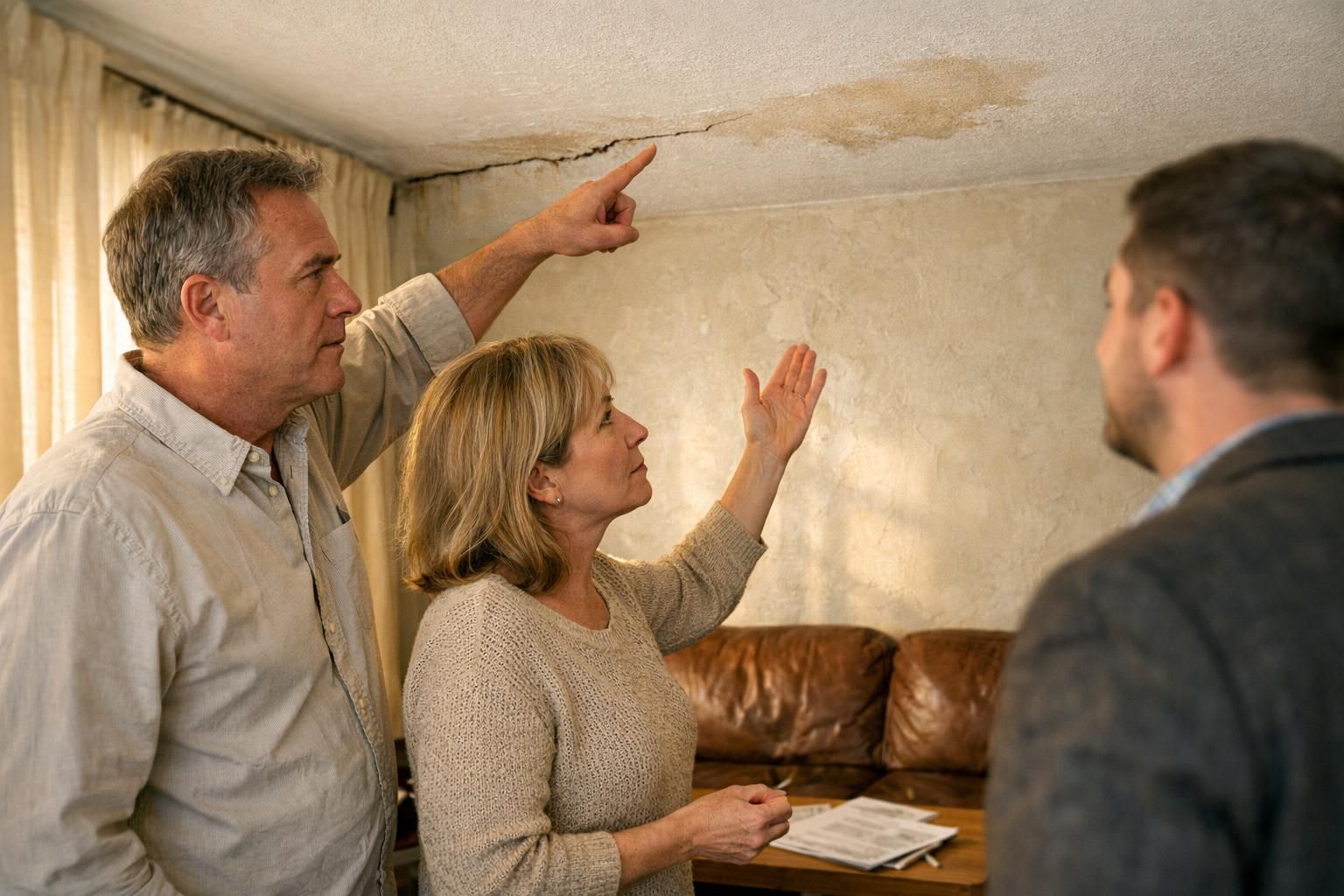
Hiring a licensed home inspector, mold specialist, or structural engineer in Florida helps uncover hidden damage and gives buyers confidence — particularly important given Florida's hurricane exposure and humidity.

Water damage inspection
A licensed Florida home inspector will check for stains, warped flooring, odors, and rot, and use moisture meters and thermal cameras to detect hidden moisture behind walls. Inspection reports are required by insurance companies before paying claims and serve as critical disclosure documentation under Florida law.
Drying after water remediation typically takes 3 to 7 days, but Florida's humidity can slow this process and allow mold to persist unseen without proper testing. Keep all inspection records to maintain transparency with potential buyers.
Mold testing
Florida's climate makes mold testing especially important. If your home has had standing water for more than 24 to 48 hours, schedule a certified mold inspection immediately. Hidden areas behind drywall or under flooring frequently harbor toxic mold growth invisible to the naked eye.
Florida licensed mold assessors and remediators (required under Florida Statute Chapter 468) use air sampling, moisture meters, and surface swabs to identify contamination. Proof of recent mold testing and completed remediation gives buyers and lenders confidence and protects you from disclosure-related lawsuits.
Structural engineering report for foundation concerns
A structural engineering report is critical if water damage has affected your Florida home's slab foundation, concrete block walls, or framing. Lenders require this documentation before approving financing on homes with known structural concerns, and FHA loans have strict HUD guidelines about structural condition.
Major foundation repairs in Florida range from $15,000 to $70,000. A stigma factor of 10 to 20 percent is commonly applied by appraisers even after repairs are completed. A clear engineering report supports honest disclosure and helps set a fair asking price.
Back to topRepair vs Sell As-Is Decision

A Florida real estate agent can help you compare repair costs against expected market value. Use a comparative market analysis for homes in your specific area — prices and buyer expectations vary significantly between markets like Jacksonville, Miami, and Orlando.
Costs of minor vs major repairs
Minor water damage repairs in Florida typically cost $1,200 to $5,000, covering drying, stain repair, basic mold removal, and repainting. Homeowners insurance may help if the damage came from a covered event like a burst pipe — though standard Florida homeowners policies generally exclude flood damage, which requires a separate flood insurance policy through the National Flood Insurance Program (NFIP) or a private carrier.
Major repairs can reach $15,000 to $70,000, including foundation work, large-scale mold remediation, or extensive drywall and subfloor replacement. Heavily investing in repairs does not always guarantee full recovery at closing — many Florida sellers overestimate their return on investment after repairing water damage.
Decision factors: time, urgency, financial capacity
Time and urgency weigh heavily in your decision. If you need to sell quickly due to hurricane damage, probate, divorce, or an ongoing insurance dispute, selling to a cash buyer can close in as little as 7 to 14 days. Traditional Florida sales typically take 30 to 60 days or longer, especially when lenders require repairs before approving financing.
Homeowners weighing these trade-offs may also find it useful to start with a vetted local agent through KDS Homebuyers, whose seller programs include renovation funding, a leaseback option, and a cash-purchase backup — giving sellers multiple paths to explore in a single conversation rather than committing to one route upfront.
If repair costs exceed your budget, selling as-is offers relief from upfront expenses. Cash buyers generally offer 50% to 70% of after-repair value. Document all completed repairs and disclosures to build buyer trust and comply with Florida law.
Back to topPricing Strategy
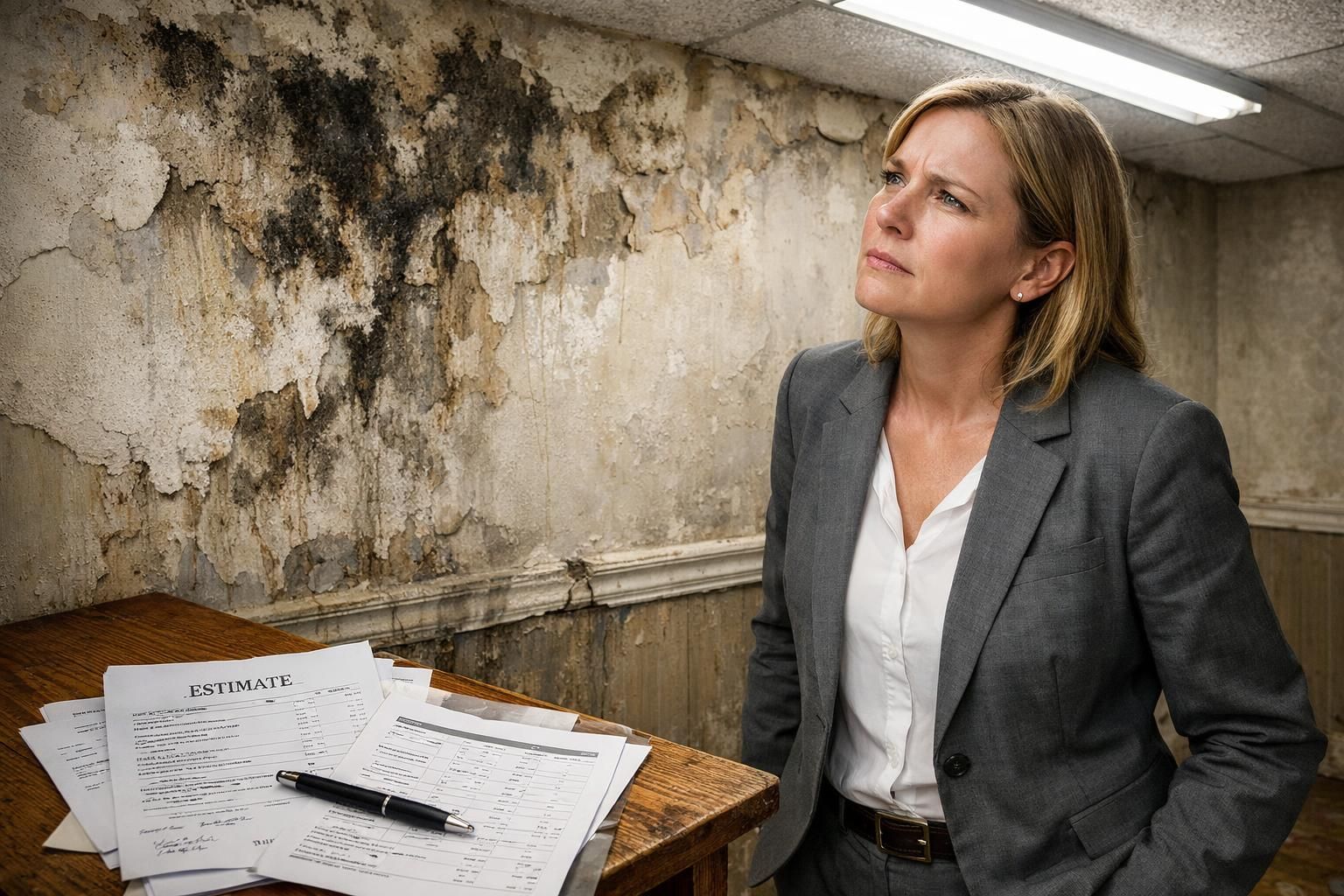
Pricing a Florida home with water damage requires accurate contractor estimates, an understanding of local market conditions, and realistic expectations about investor pricing models.
Adjusting price if repaired vs selling as-is
Florida homes with past water issues typically sell for 15 to 30 percent below comparable undamaged properties. Even after repairs, appraisers subtract estimated repair costs and apply a stigma factor of up to 20 percent. Selling as-is attracts investors who expect significant discounts, with offers commonly at 50 to 70 percent of ARV.
Get multiple contractor estimates and cash offers to compare realistic numbers. Accurate documentation from licensed inspectors and engineers supports your asking price and builds trust during negotiations.
Contractor estimates and investor pricing models
Contact licensed Florida contractors and get multiple written bids for water damage repairs, mold remediation, and structural work. Investors and cash buyers calculate offers based on ARV minus repair costs minus their profit margin (often 30% to 50%). Most assume worst-case repair scenarios due to hidden damage risk.
Florida appraisers may further reduce value based on the stigma associated with water damage history. Professional remediation cost data from organizations like IICRC informs these investor calculations and helps set realistic expectations.
Back to topMarketing Challenges
Florida listings with water damage face scrutiny from appraisers and lenders. Honest, detailed descriptions and clear photos help build buyer trust and prepare your agent for tough questions during the inspection and financing process.
Appraisal issues and lender restrictions
Florida appraisers reduce home value for water damage — subtracting repair costs and applying a 10 to 20 percent stigma factor. Banks typically will not approve loans on homes with active leaks, untreated mold, or black water contamination. FHA loans require strict HUD compliance and commonly fail appraisal when water or mold issues are present.
In flood-prone areas of South Florida and the Tampa Bay region, lenders may also require current flood insurance as a condition of financing. Investors and cash buyers bypass these restrictions, making them faster and less complicated options for homeowners facing serious water issues.
Honest listings and photo strategies
Disclose all water damage in your listing. Use clear photos to document stains, warped floors, or visible mold. Highlight professional inspections and repair records. Show before-and-after images with dates if repairs were completed.
Honest listings prevent lawsuits under Florida's disclosure standards and build buyer confidence. If structural damage remains unrepaired, note it clearly in your marketing materials along with any contractor estimates you have received.
Back to topBuyer Types and Negotiations
In Florida, you may encounter cash investors, house flippers, and — less commonly — traditional buyers willing to take on a damaged property. A knowledgeable Florida real estate agent can help you navigate offers and protect your interests.
Selling to investors, flippers, or cash buyers
Most Florida homeowners with water-damaged properties sell to investors or cash buyers. These buyers purchase as-is and typically close in 7 to 14 days. Expect offers of 50% to 70% of ARV. Investors will conduct their own inspections and use contractor estimates to calculate their offers.
Traditional buyers are rare for homes needing major repairs, and mortgage lenders frequently decline loans on seriously damaged properties. Selling FSBO is possible but may slow the process unless your price is highly competitive. Cash buyers and investors handle repairs after purchase, so clear disclosure of all known issues is essential.
Handling inspection negotiations and credit requests
After a Florida home inspection, buyers often request repair credits or price reductions. Be prepared to negotiate based on documented contractor estimates and professional inspection reports. Florida's inspection contingency period (typically 10 to 15 days in standard contracts) gives buyers time to request concessions or walk away.
Respond truthfully about flooding history, mold remediation, and any insurance claims. Failing to negotiate in good faith risks deal cancellation and potential legal action under Florida's disclosure standards if undisclosed defects surface later.
Back to topNext Steps for Florida Sellers
Review Florida's disclosure requirements and assess your options before listing. Whether you repair, sell as-is, or work with a cash buyer, full transparency is both a legal requirement and your best protection.
Options for selling quickly or as-is
Cash buyers can close Florida transactions in as little as 7 to 14 days — practical if you're dealing with hurricane damage, an urgent relocation, or an ongoing insurance dispute. Traditional sales take 30 to 60 days or more and may stall if lenders require repairs.
If repair costs exceed your budget, selling as-is removes the financial burden of upfront work. Keep all documentation about past damage, inspections, and repairs ready. Note that selling at a loss may have tax implications — consult a Florida CPA or tax advisor about capital gains rules, especially if the property is not your primary residence. Florida has no state income tax, but federal capital gains rules still apply.
Partnering with cash buyers for a simplified process
Cash buyers purchase Florida homes as-is — whether the property has mold, burst pipe damage, foundation issues, or storm flooding. You skip repairs, staging, and lender approval delays. Offers are typically based on ARV minus repair costs and investor margin, and closings usually complete within 7 to 14 days.
Reputable cash buyers rarely back out due to inspection findings or financing issues, making them a lower-risk option for homeowners under stress. Always verify buyer credentials and check reviews before signing any agreement.
Back to topConclusion
Selling a Florida home with water damage requires honest disclosure, accurate pricing, and a clear understanding of your legal obligations. Florida's Johnson v. Davis standard means you must reveal all known material defects — including water damage, mold, and foundation issues — regardless of whether repairs have been made.
Whether you repair first or sell as-is, documenting everything and working with qualified professionals protects you legally and gives buyers confidence. If you need a fast, straightforward sale without the stress of repairs or lengthy negotiations, KDS Homebuyers can help. Visit kdshomebuyers.net for a free, no-obligation cash offer on your Florida home.
Back to topFAQs
1. What must I disclose about water damage when selling my house in Florida?
Under Florida's Johnson v. Davis standard and Statute 689.261, you must disclose all known material defects — including past or present water damage, flooding history, mold, and structural issues — even if repairs have been completed.
2. How does water damage affect home value in Florida?
Water damage typically lowers home value by 15 to 30 percent. Appraisers subtract repair costs and add a stigma factor of up to 20 percent. Severe cases with black water contamination can reduce offers to 50 to 70 percent of after-repair value.
3. Can I sell a Florida house with water damage without making repairs?
Yes. You can sell as-is, but you must fully disclose all known damage under Florida law. Cash buyers and investors routinely purchase water-damaged Florida homes without requiring repairs.
4. Does standard Florida homeowners insurance cover water damage?
Standard Florida homeowners policies typically cover sudden events like burst pipes but exclude flood damage. Flood coverage requires a separate NFIP or private flood insurance policy. Review your policy carefully and document any claims before listing.
5. What risks do sellers face for hiding water damage in Florida?
Non-disclosure can result in lawsuits in Florida circuit court, contract rescission, financial damages, and attorney fee awards. Florida's fraud statute may apply in egregious cases. Full transparency is both legally required and your best protection.
References
- ^ https://frontierrestoration.com/blog/mold-and-real-estate-transactions-buyers-and-sellers-guide/ (2025-10-21)
- ^ https://housecashin.com/knowledge-base/sell-water-damaged-house/
