

Selling a House With Plumbing Problems: What to Fix and What to Disclose in Indiana
Table of Contents
- Understanding Your Legal Disclosure Obligations in Indiana
- Common Plumbing Problems and Their Impact on Sale
- What Plumbing Issues Should You Fix Before Selling?
- Your Three Main Options When Selling With Plumbing Problems
- How to Disclose Plumbing Issues Properly in Indiana
- What Buyers Will Discover During Inspection
- Conclusion
- FAQs
Selling a house with plumbing issues can feel overwhelming, especially if you worry about repair costs and legal risks. Water damage is the second most common home insurance claim, showing how serious plumbing problems can become for Indiana homeowners. 3 This guide explains what plumbing repairs to make before listing your property, which problems to disclose under Indiana disclosure laws, and how a professional plumber or real estate agent can help you protect your property value during a real estate transaction. 2
Key Takeaways
- Indiana law requires sellers to complete a Seller's Residential Real Estate Sales Disclosure form, disclosing all known material defects including plumbing problems, leaks, and sewer line issues. Federal law separately requires disclosure of lead pipes in homes built before 1978.
- Small repairs—like fixing dripping faucets or slow drains—cost $100–$500 each and can boost your home's appeal. Major issues such as foundation leaks ($2,000–$30,000+) or sewer line replacement ($3,000–$25,000) are costly but must still be disclosed.
- Hiding known defects in Indiana can expose you to lawsuits after closing. Buyers generally have up to six years to bring a contract claim and two years for a fraud claim under Indiana's statute of limitations.
- If repair costs are too high before selling—such as full repiping at $4,000–$15,000—disclose clearly on your Indiana disclosure form rather than concealing issues, even during an "as-is" sale.
- Buyers use home inspections and sewer scopes ($200–$400) to find hidden damage and often request price reductions of 5–15% or seller credits based on findings.
Understanding Your Legal Disclosure Obligations in Indiana

Indiana disclosure laws require sellers to share material facts about a property's condition, including its plumbing system, before a real estate transaction closes. Honest disclosure protects both parties and reduces the risk of costly legal disputes.
Indiana and federal disclosure requirements
Under Indiana law, residential sellers must complete the Seller's Residential Real Estate Sales Disclosure form, which covers the condition of plumbing systems, water supply, sewage disposal, and any known material defects. This form is required for most home sales and must be provided to buyers before they make an offer or shortly after—failure to deliver it can give buyers the right to rescind the contract.
Federal law adds a separate layer: if your home was built before 1978, you must disclose the presence of lead-based paint and lead pipes. This applies throughout Indiana, including older housing stock in Indianapolis neighborhoods and cities like Noblesville and Lebanon.
Even if you sell your home "as-is," Indiana law still requires honest disclosure of all known plumbing defects. Sellers who conceal material issues face legal exposure under Indiana's fraud and misrepresentation statutes. Buyers typically have up to two years to file a fraud claim and up to six years on a contract claim after closing. Proper documentation protects your property value and your peace of mind. 2
Why honest disclosure of material defects matters
Disclosing plumbing defects upholds both legal and ethical standards. Indiana courts can award damages against sellers who fail to meet disclosure obligations, and legal fees in such cases often far exceed what upfront plumbing repairs would have cost. 3
Full transparency allows buyers to make informed decisions and builds trust throughout the transaction. Documenting all repair costs and maintenance history signals to buyers that you managed the home responsibly—reducing disputes and helping the sale move smoothly.
Back to topCommon Plumbing Problems and Their Impact on Sale
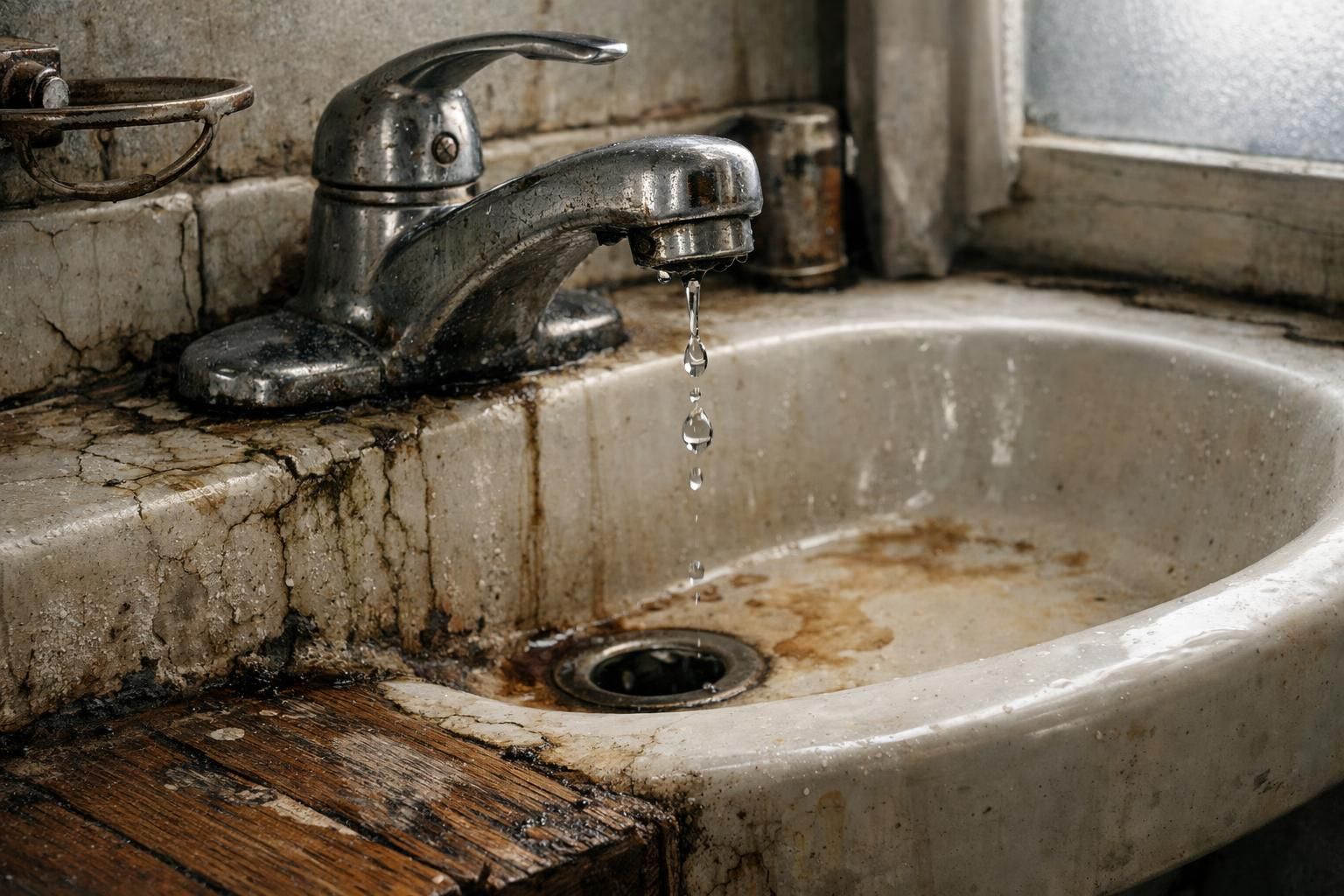
Plumbing problems can lower your property value and concern buyers during a home inspection. A professional plumber can spot issues early, giving you more options when selling.
Minor issues: dripping faucets, slow drains
Dripping faucets and slow drains are often the first things buyers notice during a home inspection. Professional plumbers in Indiana typically charge $150 to $500 per repair, making these fixes affordable. Addressing them before listing can prevent a 1–3% price reduction or seller credit during negotiations and shows buyers that you maintained the home well.
Moderate issues: old pipes, low water pressure
Many Indiana homes built before 1960—particularly in older Indianapolis neighborhoods—have galvanized steel pipes that corrode over time, restricting water flow and causing low pressure or discolored water. 4 Homes from the late 1970s through mid-1990s may also have polybutylene pipes, which can cause insurance complications.
Full repiping ranges from $4,000 to $15,000 depending on home size and pipe material. Getting a professional plumbing inspection before listing gives you an honest assessment and helps avoid surprises during the buyer's inspection.
Major issues: sewer line damage, foundation leaks
Sewer line replacement in Indiana ranges from $3,000 to $25,000. Tree root intrusion is a frequent cause of sewer line failures throughout central Indiana, particularly in established neighborhoods in Carmel and Fishers where mature trees line older streets. If a collapsed line requires access under a public street, coordination with the local municipality may be necessary. 5
Foundation leaks start around $2,000 but can exceed $30,000 for major structural repairs. Indiana's clay-heavy soils expand and contract significantly with seasonal moisture changes, worsening foundation issues over time. Water damage—the second most common homeowner insurance claim nationally—can force a 5–15% drop in property value if not addressed before selling. A licensed plumber should inspect both sewer and foundation concerns before you complete Indiana's disclosure form.
Back to topWhat Plumbing Issues Should You Fix Before Selling?


Indiana buyers expect working systems and will request inspections. A professional plumber helps you decide which repairs make financial sense before listing.
Cost-benefit analysis of repairs
Understanding how repair costs compare to potential benefits helps you make smart decisions. 6
| Repair Type | Average Cost (2024) | Impact on Sale | Actionable Tip |
|---|---|---|---|
| Fix Leaky Faucets / Clear Clogged Drains | $100–$350 per item | Improves first impressions; prevents red flags at inspection | Address before listing |
| Replace Old or Corroded Pipes | $2,000–$15,000 | Raises value; reduces negotiation headaches | Get a licensed Indiana plumber's inspection and quote |
| Upgrade Plumbing Fixtures | $300–$2,500 | Enhances perceived value; attracts more buyers | Replace outdated faucets and toilets |
| Sewer Line or Foundation Leak Repairs | $5,000–$25,000+ | Prevents failed inspections; critical for buyer confidence | Consult a licensed plumber before deciding |
| Professional Plumbing Inspection | $300–$500 | Uncovers hidden defects; supports Indiana disclosure form accuracy | Schedule before listing |
Fixing minor issues is affordable and improves appeal. Larger problems need careful consideration. Smart investments in key plumbing repairs can speed up your Indiana home sale and lead to stronger offers. 6
When to disclose instead of repairing
When repair costs exceed your budget or outweigh the potential increase in property value, disclosure is the appropriate path. Indiana's Seller's Residential Real Estate Sales Disclosure form requires you to report all known plumbing defects—regardless of whether you fix them. Buyers will likely discover issues during inspection anyway. 7
Disclose problems with old pipes, unpermitted repairs, or past water damage using clear language. Include receipts from licensed plumbers and any warranties as supporting documentation. This honest approach builds buyer trust and protects you from claims after closing. 7
Back to topYour Three Main Options When Selling With Plumbing Problems
Fix everything for a traditional sale
Completing all plumbing repairs before listing gives you the best chance of reaching full market value in Indiana's competitive markets like Carmel and Fishers. Buyers expect documented repairs and working systems. Hire a licensed Indiana plumber, address all known issues, and have a pre-listing inspection completed by a certified inspector. Homes with solid repair records sell faster and closer to asking price. 8
Partial repairs with disclosure and price adjustment
Many Indiana sellers fix minor issues—leaky faucets, slow drains—while disclosing larger concerns like old pipes or sewer line damage to the buyer. Full disclosure on Indiana's required form is critical to protect yourself legally. Expect a 1–3% seller credit for minor issues and concessions of 5–15% for more serious defects. Support your negotiating position with detailed inspection reports and plumber invoices.
Sell as-is to a cash buyer
Selling as-is to a cash buyer can bring fast relief when major plumbing repairs are beyond your budget. Most cash buyers close within one to three weeks, eliminating months of uncertainty. They typically factor repair costs into a lower offer price. Indiana law still requires you to complete the Seller's Residential Real Estate Sales Disclosure form honestly—even for an as-is sale. This route lets you skip open houses and extended listing periods while staying compliant with Indiana real estate law.
Back to topHow to Disclose Plumbing Issues Properly in Indiana

Document problems and repairs
Keep records of all plumbing issues, repairs, and inspections throughout your ownership. Save every receipt, warranty, and professional plumber's report. Photographs of old pipes, past leaks, or completed repairs support your Indiana disclosure form and increase buyer trust. 9 A detailed repair history also protects you from future liability if questions arise after closing.
Complete Indiana's disclosure form clearly and thoroughly
Use Indiana's official Seller's Residential Real Estate Sales Disclosure form and answer all questions fully. Mark "unknown" if you are genuinely unsure about a condition—rather than guessing—to avoid misrepresentation claims. List all previous repairs or renovations, even if problems have already been corrected. Failure to disclose accurately can result in fines, lawsuits, or contract rescission after a home inspection uncovers an undisclosed issue. Consult a licensed Indiana plumber or a real estate attorney if you need help completing documentation accurately.
Back to topWhat Buyers Will Discover During Inspection
How inspectors identify plumbing issues
Indiana home inspectors start with a visual examination of sinks, toilets, tubs, and exposed pipes. They check for leaks around fixtures and shut-off valves, and look for water stains suggesting hidden leaks. They test water pressure by running faucets and flushing toilets; slow drains raise red flags about clogs or sewer line damage.
For deeper concerns, buyers may request a sewer scope using a camera probe—costing $200 to $400—which is increasingly common in Indianapolis-area transactions involving older homes. Inspectors cannot see inside walls or under slabs, but will note any concerns they identify. Major plumbing issues can also affect buyer financing under FHA or VA loan guidelines.
Typical buyer responses and negotiation strategies
After a plumbing inspection, Indiana buyers commonly request price reductions, seller credits, or specific repairs before closing. Minor issues typically result in a 1–3% concession; serious problems like sewer line damage or foundation leaks can prompt demands of 5–15%. 11 Buyers may also use inspection contingencies in the purchase agreement to renegotiate or exit the deal without penalty if major undisclosed issues surface. Having complete documentation ready—plumber reports, repair receipts, warranties—puts you in the strongest possible negotiating position. 11
Back to topConclusion
Selling your Indiana home with plumbing problems is manageable when you take clear, honest action. Fix what you can afford, disclose everything you know on Indiana's required Seller's Disclosure form, and get a professional plumbing inspection before listing. These steps protect your property value, reduce legal risk, and help you close with confidence.
If costly repairs make a traditional sale feel out of reach, KDS Homebuyers purchases Indiana homes in any condition—no repairs, no agent commissions, and no obligation. Visit kdshomebuyers.net to request your free cash offer and find out how quickly you could close on your own timeline.
Back to topFAQs
1. What plumbing issues must I fix before selling my Indiana home?
Major leaks, broken pipes, and severe drainage problems should be repaired when financially practical. At minimum, all known issues must be disclosed on Indiana's Seller's Residential Real Estate Sales Disclosure form.
2. Do I have to disclose all plumbing problems in Indiana?
Yes. Indiana law requires sellers to disclose all known material defects, including plumbing issues, on the official disclosure form. This applies even to as-is sales.
3. How can a professional plumber help when selling in Indiana?
A licensed Indiana plumber can perform a thorough inspection to identify hidden problems, provide repair quotes, and generate documentation that supports your disclosure form and builds buyer confidence.
4. Will plumbing problems lower my Indiana home's value?
Yes. Unresolved plumbing issues typically reduce property value and can cause deals to fall through after inspection, particularly in competitive markets like Carmel or Fishers.
5. Should I handle minor plumbing fixes myself before listing?
Simple tasks like tightening fittings may be manageable for handy homeowners, but complex repairs should involve a licensed Indiana plumber to ensure quality and avoid permit issues that must be disclosed.
References
- ^ https://josephsabeh.com/blog/what-do-you-have-to-disclose-when-selling-a-house-in-california
- ^ https://www.nolo.com/legal-encyclopedia/residential-home-sellers-california-your-disclosure-obligations.html
- ^ https://www.zillow.com/learn/what-does-disclosure-mean/ (2019-11-26)
- ^ https://schneiderplumbingandhvac.com/2025/03/common-plumbing-issues-in-older-homes-and-how-to-fix-them/
- ^ https://www.fastresponseplumbingsf.com/the-link-between-sewer-issues-and-foundation-damage/
- ^ https://nicolairealestate.com/news/plumbing-repairs-to-address-before-selling-your-home-a-guide-for-sellers/ (2024-11-20)
- ^ https://www.redfin.com/blog/what-do-you-have-to-disclose-when-selling-a-house/ (2025-08-14)
- ^ https://axiuminspections.com/fix-plumbing-issues-before-selling/
- ^ https://www.sellpittsburghnow.com/blog/can-you-sell-house-with-plumbing-problems/ (2025-07-16)
- ^ https://www.defalcorealty.com/blog/home-seller-disclosures-ny-nj/
- ^ https://fargohomesearch.com/buyers-inspection-edge-spot-red-flags-negotiate-wins/
