

Can You Sell a House Before Probate? What the Law Says in Tennessee
Trying to sell a house before probate can feel confusing and stressful, especially during an already difficult time. Many people do not realize that property owned only by a deceased person usually cannot be sold until the probate process begins and a personal representative is appointed. 1 This article explains what probate means in Tennessee, when you can legally sell, and how estate planning tools like living trusts or joint tenancy with right of survivorship might help you avoid lengthy delays. Discover clear answers to your biggest questions about selling real estate through Tennessee probate court. 2
Key Takeaways
- You generally cannot sell a house owned solely by a deceased person until probate begins in a Tennessee chancery or circuit court and the court appoints an executor or personal representative with legal authority through letters testamentary. 1
- Property held in joint tenancy with right of survivorship, a living trust, or transferred through a valid Tennessee will can avoid or streamline probate. Tennessee does not currently recognize transfer-on-death deeds for real estate, making advance estate planning especially important.
- Trying to sell without proper court authority risks title defects. Title companies may refuse insurance, buyers cannot get mortgages, and you could face lawsuits from heirs or creditors if you skip steps required by Tennessee law.
- Tennessee offers a small estate affidavit process for estates with limited personal property, but real property generally must go through formal probate before it can be conveyed with clear title.
- Tennessee probate typically takes 6 to 12 months for straightforward estates, but disputes among heirs or complex assets can extend the process significantly. Always consult an experienced Tennessee probate attorney before selling real estate during this process.
Understanding Probate and Property Sales in Tennessee
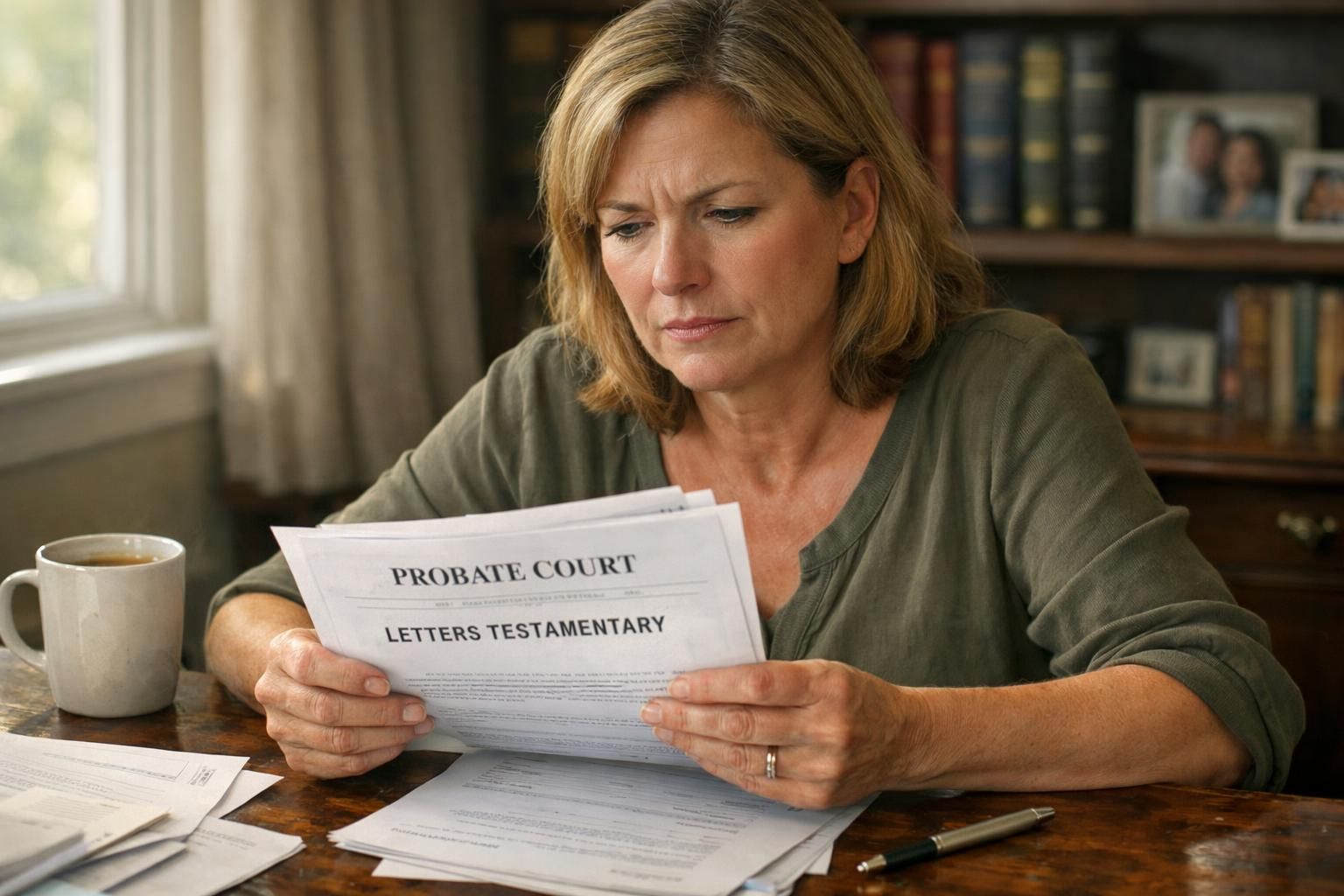
Tennessee probate laws shape how you transfer estate assets like a house after someone passes away. You need to understand key terms such as personal representative, chancery court, and letters testamentary to protect your rights throughout the process.
What is probate in Tennessee?
Tennessee courts use probate to verify that a will is valid and that the wishes of the deceased are honored. This legal process lets the court appoint a personal representative — often called an executor — to manage estate administration under Tennessee law.
You will likely need to complete this step before you can sell a house that belonged only to your loved one at the time of their death. 1 During probate, the court confirms that all debts and taxes are paid before any assets pass to heirs or beneficiaries.
In Tennessee, probate cases are typically handled by the chancery court or circuit court in the county where the deceased person lived. For example, estates in Nashville are handled through Davidson County Chancery Court, while Memphis estates go through Shelby County Probate Court. If there is no will, Tennessee's intestacy statutes determine who inherits under state law. The process begins when someone files the original will and a petition with the appropriate court.
Why is probate required before property sales?
Probate is required before property sales to protect everyone involved — heirs, creditors, and buyers. You cannot sell a house until the executor or personal representative receives legal authority from the Tennessee probate court. This step verifies that you have the right to handle estate assets, including real estate.
Title insurance companies will not insure homes with unresolved probate issues. Buyers also cannot get a mortgage on properties tied up in probate. Selling a house before completing probate can create title defects or cloud ownership rights that follow the property for years.
Probate ensures all heirs and beneficiaries are verified, which prevents fraud and unauthorized sales. The process also protects creditors by confirming debts are settled before any transfer happens. If you skip these required steps, you risk invalid sales and possible lawsuits from heirs or creditors under Tennessee inheritance law.
Key terms: executor, probate estate, letters testamentary
If you need to sell a house after a family member passes away in Tennessee, you will hear certain legal terms. Understanding them protects your interests and avoids delays.
- The executor is the person named in the will, or appointed by the Tennessee probate court, who manages all estate assets. This personal representative oversees bills, taxes, and property sales.
- A probate estate includes everything owned by the deceased that must go through estate administration in Tennessee — homes, bank accounts without named beneficiaries, and investments without payable-on-death designations. 2
- Letters testamentary are official documents issued by the Tennessee court that give the executor legal authority to act for the estate — such as listing real estate for sale or accessing financial accounts.
- Executors must present these documents before selling a house during the probate process. Without them, title companies will refuse to approve any transfer of legal title.
- If no will exists, Tennessee courts appoint an administrator rather than an executor. In both cases, proper court-issued paperwork is essential before making decisions about estate real property.
When You CAN Sell Before Probate Closes in Tennessee

Some property transfers avoid the full Tennessee probate process through estate planning tools. These options can speed up real estate sales and give families faster access to estate assets.
Joint tenancy with right of survivorship
Property held in joint tenancy with right of survivorship passes directly to the surviving owner when one owner dies. You do not have to wait for probate or court intervention. This means you can sell the house as soon as title is updated, without needing approval from a Tennessee chancery court or a personal representative.
Joint tenancy with right of survivorship often appears between spouses or close family members. Unlike tenants-in-common ownership — which does require probate for the deceased owner's share — joint tenancy avoids delays even in larger estates. Survivors gain immediate control over the property, making sales quicker and simpler during difficult times.
Transfer-on-death deeds — not available in Tennessee
It is important to know that Tennessee does not currently recognize transfer-on-death (TOD) deeds for real estate. While more than 30 other states allow property owners to name a beneficiary who receives the home directly after death without probate, Tennessee is not among them. This makes proactive estate planning — such as using a living trust or holding property in joint tenancy — even more important for Tennessee homeowners who want to avoid probate.
If you own property in another state that does allow TOD deeds, consult a probate attorney familiar with both jurisdictions. And if you are a Tennessee homeowner concerned about your heirs facing a lengthy probate process, speak with an estate planning attorney about alternatives now rather than later.
Living trusts
Property titled in a revocable living trust completely avoids Tennessee probate court. The successor trustee can sell a house held in the trust immediately after the grantor's death without waiting for letters testamentary or court approval. As trustee, you must follow the terms of the trust and any specific instructions about selling estate assets.
Make sure real estate is legally transferred into the trust before the original owner passes away — funding must happen ahead of time for full protection. Living trusts are one of the most effective tools available to Tennessee homeowners in cities like Knoxville or Chattanooga who want to spare their families from drawn-out probate administration. This method works well whether you face potential inheritance issues, want asset protection, or simply want control over how property changes hands.
Small estate affidavits in Tennessee
Tennessee law provides a simplified affidavit procedure for small estates, but it has important limitations for real property. Under Tennessee's small estate statutes, heirs may be able to use an affidavit to collect certain personal property without full probate if the total estate value falls below the applicable threshold. However, real estate — such as a house — generally requires formal probate administration before title can be conveyed to a buyer or heir, regardless of estate size.
If you believe your loved one's estate may qualify for simplified procedures, consult a Tennessee probate attorney to confirm eligibility and avoid title problems down the road. Do not assume that a small estate automatically allows you to sell or transfer real property without court involvement.
Court-Supervised Sales During Tennessee Probate

Tennessee probate courts often oversee home sales to protect everyone's interests. You need proper authority from the court before moving forward with a sale of estate property.
Petitioning for authority to sell in Tennessee
Selling a house during Tennessee probate requires specific legal steps. As a personal representative, you must secure authority from the court before any sale. 4
- File a formal petition with the appropriate Tennessee chancery or circuit court requesting permission to sell estate real property.
- Submit supporting documents including the death certificate, letters testamentary, and a property appraisal establishing current market value.
- Clearly state why selling the home is necessary — such as paying estate debts or distributing proceeds among heirs — which satisfies Tennessee court requirements and reflects your fiduciary duty. 4
- Follow Tennessee probate laws and local court rules closely, as filing requirements and deadlines vary by county.
- Provide written notice to all interested parties, including heirs and creditors, so everyone involved in the estate stays informed about the proposed sale.
- Allow time for potential objections from heirs or anyone with a claim on the property before proceeding.
- Wait for official court approval before moving forward with any real estate transaction. 5
- Work with an experienced Tennessee probate attorney, especially if dealing with complications such as the absence of a will, tenants-in-common ownership, HOA liens, or disputes among heirs.
- Do not list or sell the house until you have received official authority from the court; mistakes here can cause major delays, denial of your petition, and future title problems.
Notice to heirs and handling objections
Selling a house during Tennessee probate requires strict compliance with notice rules. You must follow these procedures carefully to avoid serious legal risks.
- Executors or personal representatives must send formal notice of the proposed property sale to all heirs, beneficiaries, and creditors before moving forward. 5
- Tennessee law sets the timeframe for sending these notices; you cannot skip or rush this step if you want a valid title transfer.
- Every interested party has the right to object to the sale within a specific window set by state law. Objections can come from heirs, creditors, or other parties with a stake in the estate.
- Unresolved objections can lead to additional court hearings or mandatory mediation supervised by a Tennessee probate judge.
- Full written records of sent notices and received responses are required; courts will examine these documents during final review.
- Failure to properly notify someone could invalidate your real estate sale entirely. Title companies may refuse to insure sales that were not handled correctly.
- Executors who skip notice rules face personal liability for losses, potential lawsuits from heirs or creditors, and even removal from their role as administrator of the estate.
Risks of Selling Without Proper Authority in Tennessee
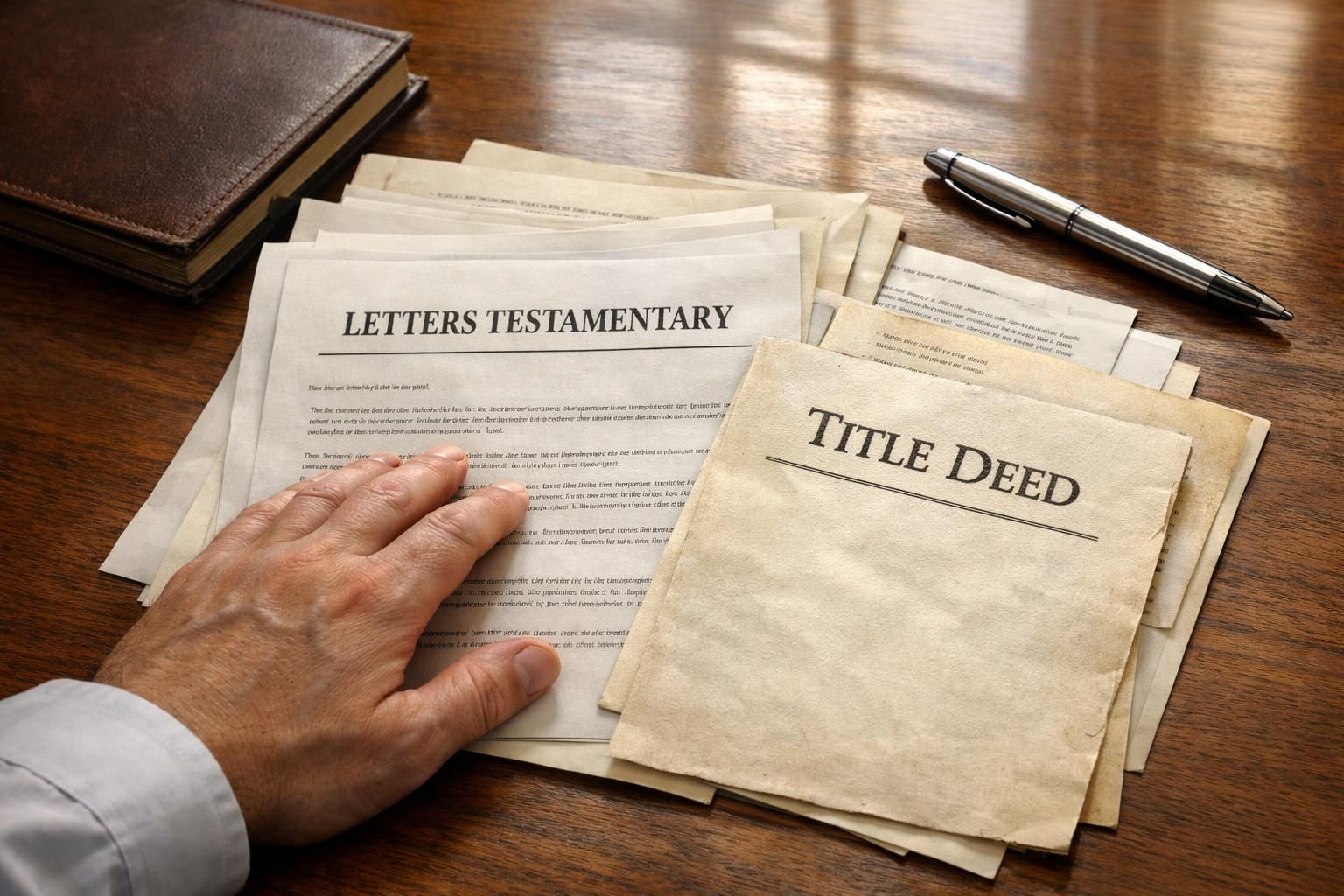
Selling a house without court approval in Tennessee can lead to costly legal disputes and serious problems with estate administration. Tennessee courts require proper letters testamentary before you transfer real property, which protects all heirs, creditors, and the personal representative from future title problems.
Invalid sales and title defects
Attempting to transfer Tennessee real estate before probate is properly completed often creates title defects. Title insurance companies will refuse to insure properties with unresolved probate issues in the county public records. As a result, buyers cannot obtain a mortgage or complete a closing because lenders require clear title.
A personal representative who moves too quickly may trigger lawsuits from heirs or creditors under Tennessee law. Courts can reverse transactions after the fact, leaving both sellers and buyers at risk for significant losses. Some families in Memphis or Nashville discover they cannot access their rightful inheritance because of title problems tied to an improper probate sale years earlier.
Personal liability for executors
Selling a house without clear court authority puts you at risk for personal liability as executor. If you make a sale without the required letters testamentary or proper probate steps, the Tennessee court can remove you from your role. You may be required to repay losses or damages if beneficiaries claim financial harm, and courts can impose penalties for invalid sales.
Heirs and creditors may file lawsuits against an executor who violates Tennessee probate laws or ignores court orders. Always seek guidance from a qualified Tennessee probate attorney before making decisions about selling estate real property.
Legal action from heirs or creditors
Heirs or creditors can file lawsuits if you transfer estate property without proper authority from a Tennessee probate court. 5 Courts may reverse an invalid sale, award damages, or remove you as personal representative. Creditors can object if selling a home interferes with debt repayment obligations under Tennessee estate administration law.
Legal challenges routinely drain estate funds and harm everyone involved. Always secure proper authority before proceeding with any sale during the probate process to reduce risk and avoid litigation costs that can last years. 6
Tennessee Probate Timeline

Typical Tennessee probate timeframes
Simple Tennessee estates with a clear will and minimal assets can move through probate in as little as 6 months. More complex estates — especially those with real property, multiple heirs, or outstanding debts — typically take 9 to 12 months or longer. Tennessee law requires that creditors be given a period to file claims against the estate, which contributes to the minimum timeline before assets can be fully distributed or sold.
Notifying heirs, filing petitions with the court, and working through the inventory and appraisal phase can easily consume several months on their own. If conflicts arise between beneficiaries, or if there are title complications with real property, expect delays that could push distribution out to 18 months or longer. 7
Factors that speed up or delay Tennessee probate
- Estates with a clear will and a named executor often move faster because the Tennessee court can process them without disputes or confusion.
- Cooperation from all heirs and beneficiaries allows the personal representative to manage estate assets more efficiently.
- Will contests or disagreements among heirs can extend the process for months or years in Tennessee chancery or circuit court.
- Simple estates with a single property settle faster than those with multiple assets or real estate in multiple states, which may require ancillary probate proceedings.
- Missing documents, unclear titles, or lost records force extra steps and slow both court review and any property sale.
- Court backlogs in busy jurisdictions like Shelby County (Memphis) or Davidson County (Nashville) can cause unexpected waits for hearings or rulings.
- Using Tennessee's small estate procedures, where applicable, can reduce time and cost for qualifying personal property transfers.
- Out-of-state heirs who cannot attend hearings or respond quickly may hold up decisions on property distribution.
- Estates with significant assets may be subject to federal estate tax filing requirements, which add paperwork and waiting time before closing any property sale.
Tennessee-Specific Tax Considerations
Tennessee does not have a state inheritance tax or a state estate tax — both were phased out and fully eliminated by 2016. This is good news for Tennessee heirs, as you will not owe state-level estate or inheritance taxes on property you receive through probate.
However, federal estate tax may still apply if the total taxable estate exceeds the federal exemption threshold (over $13 million as of 2024). Capital gains tax is another consideration: if you sell inherited Tennessee real estate, the property typically receives a stepped-up basis to fair market value at the date of death, which can significantly reduce any taxable capital gain at the time of sale. Consult a tax professional or estate planning attorney to understand how these rules apply to your specific situation.
Tennessee also imposes a real estate transfer tax on property conveyances. This tax is generally paid at closing and calculated based on the sale price. Your title company or closing attorney can provide current rates and confirm how the tax applies to an estate sale.
Alternatives and Solutions for Tennessee Families
Family buyouts
Family buyouts offer a practical way for one heir to purchase the shares of other heirs during Tennessee estate administration. This can help you avoid forced property sales and reduce family disputes over estate assets. All beneficiaries must agree on terms, and proper legal documentation is necessary to protect everyone's interests.
A professional appraisal typically sets the property's fair market value before any buyout takes place. Many heirs use personal funds or obtain an estate advance to finance the buyout rather than wait for the full probate process to conclude. A Tennessee probate attorney can ensure the buyout agreement meets all court requirements.
Estate advances
Estate advances give you access to cash while Tennessee probate continues. Heirs use these advances to cover urgent expenses or ongoing property costs before estate assets are distributed. Unlike loans, estate advances do not require monthly payments and are repaid from your inheritance after probate settles. 5
These arrangements may help if you face financial hardship during a lengthy Tennessee probate process, need funds for home maintenance, HOA dues, property taxes, or attorney fees. Always have a Tennessee probate attorney review any estate advance agreement before signing.
Selling to probate-savvy cash buyers
Selling to buyers who understand the Tennessee probate process can reduce stress for personal representatives significantly. These buyers know how Tennessee chancery courts, estate administration, and property sales work. They typically offer fast cash purchases on an as-is basis, so you do not need to make repairs or updates before the sale. 9
Experienced probate buyers make their contracts contingent on court approval and timelines set by the probate attorney or judge, which helps prevent title defects and legal risks. This can be especially helpful if the property is vacant or accumulating ongoing expenses such as maintenance costs or property taxes. You still must follow every step required by Tennessee law before completing the sale. 9
Conclusion
Selling a house before Tennessee probate closes creates real legal challenges. State laws, will provisions, and how your property is titled all shape what you can and cannot do. If you want to help your family avoid a lengthy court process, explore estate planning tools like living trusts or joint tenancy while you are able to do so.
If you are already in the middle of a Tennessee probate situation and need to sell a house, seek advice from a skilled Tennessee probate attorney to avoid title issues and protect yourself as personal representative. Taking careful, lawful steps protects both the property and your peace of mind during a difficult time.
If you need to sell an inherited or probate property in Tennessee, KDS Homebuyers works with families navigating exactly these situations. Visit kdshomebuyers.net to request a free, no-obligation cash offer and speak with someone who understands the Tennessee probate process.
FAQs
1. Can a personal representative sell a Tennessee house before probate starts?
A personal representative generally cannot sell estate real property before the Tennessee probate process begins. The chancery or circuit court must first grant authority, typically through letters testamentary, before any sale can legally proceed.
2. What happens if someone tries to sell a Tennessee house without probate authority?
Selling a house without following Tennessee's estate administration requirements can create title defects, expose the executor to personal liability, and invite legal action from heirs or creditors. Title companies will typically refuse to insure such a transaction.
3. Does Tennessee have a transfer-on-death deed for real estate?
No. Tennessee does not currently recognize transfer-on-death deeds for real property. Homeowners who want to help their families avoid probate should consider a living trust or joint tenancy with right of survivorship instead.
4. Are there state inheritance or estate taxes in Tennessee?
Tennessee eliminated its state inheritance tax and state estate tax by 2016. Federal estate tax may still apply to very large estates. Inherited property also typically receives a stepped-up cost basis, which can reduce capital gains taxes when the property is sold.
5. How long does Tennessee probate typically take when selling a house?
Most straightforward Tennessee probate estates involving real estate take between 6 and 12 months. Complex estates with disputes, multiple properties, or creditor claims can take 18 months or longer before a property can be sold and proceeds distributed.
References
- ^ https://www.mymetrotex.com/201738texas-probate-selling-an-estate-with-or-without-a-will/
- ^ https://www.mass.gov/probate-of-wills-and-estates
- ^ https://legacyassuranceplan.com/articles/wills-probate/legal-requirements-when-selling-property-during-probate
- ^ https://www.ledbetterlawfl.com/selling-a-house-before-during-or-after-probate
- ^ https://www.heritagelawwi.com/can-i-sell-a-house-before-probate-is-complete
- ^ https://www.findlaw.com/estate/probate/probate-process-and-timeline.html
- ^ https://www.homehelpersgroup.com/can-you-sell-a-house-before-probate-what-to-know-now/
