

Can You Sell a House Before Probate? What the Law Says in Colorado
Trying to sell a house before probate can feel overwhelming, especially during an already difficult time. In Colorado, property owned solely by a deceased person generally cannot be sold until the probate process begins and a personal representative is appointed by the court. 1 This article explains what probate means in Colorado, when you can legally sell, and how estate planning tools like living trusts, joint tenancy, or transfer-on-death deeds may help your family avoid delays. 3
Key Takeaways
- You generally cannot sell a house owned only by a deceased person until Colorado's probate process begins and the court appoints a personal representative with legal authority (letters testamentary). 1
- Colorado recognizes transfer-on-death deeds, joint tenancy with right of survivorship, and living trusts as tools that can bypass probate entirely.
- Selling without court authority risks title defects, voided transactions, and personal liability for the executor. Title companies may refuse insurance and buyers cannot get mortgages on properties with unresolved probate issues.
- Colorado has a small estate affidavit process available for estates with limited personal property value, but real estate transfers generally still require probate unless held in a qualifying non-probate form.
- Colorado probate typically takes 6 to 12 months for straightforward estates, but disputes among heirs or complex assets can extend the timeline significantly. Always consult a qualified Colorado probate attorney before selling real estate during this process.
Understanding Probate and Property Sales in Colorado

Colorado probate law shapes how you transfer estate assets like a house after someone passes away. Understanding terms such as personal representative, probate court, and letters testamentary is essential to protect your rights throughout the process.
What is probate in Colorado?
In Colorado, probate is the court-supervised legal process that validates a will and oversees the administration of a deceased person's estate. Colorado District Courts handle probate matters, and the process is governed primarily by the Colorado Probate Code, which is based on the Uniform Probate Code. This makes Colorado's probate system relatively flexible compared to many other states.
The court appoints a personal representative — called an executor when named in a will — to manage estate assets, pay debts, and distribute property to heirs or beneficiaries. 1 If no will exists, Colorado's intestate succession laws determine who inherits. In most cases, even estates with a valid will must complete this step before real property can be transferred with clear title to a buyer.
Why is probate required before property sales?
Probate is required to protect everyone involved — heirs, creditors, and buyers. Until the personal representative receives legal authority from the Colorado District Court, no one has the right to sell estate real estate. Title insurance companies will not insure homes with unresolved probate issues, and lenders will not approve mortgages on those properties.
Selling a house before completing probate can create title defects, expose the executor to personal liability, and invite lawsuits from heirs or creditors. Colorado probate also ensures that valid debts — including any state or federal taxes owed by the estate — are satisfied before assets are distributed. Skipping required steps puts the entire transaction at risk of being reversed.
Key terms: executor, probate estate, letters testamentary
- The executor (or personal representative) is named in the will or appointed by the Colorado District Court. This person manages all estate assets, pays bills and taxes, and oversees property sales.
- The probate estate includes everything the deceased owned solely in their name that must go through estate administration — homes, individual bank accounts, and investments without named beneficiaries. 2
- Letters testamentary are the official court documents giving the executor authority to act for the estate, including listing and selling real estate. Without them, title companies will not approve any transfer. 2
- If there is no will (intestate), the court appoints an administrator rather than an executor — but the requirement for court-issued authority remains the same.
When You CAN Sell Before Probate Closes in Colorado

Some property transfers skip full probate through estate planning tools. Colorado law recognizes several mechanisms that allow real estate to pass outside of probate, giving families a faster path to access and sell estate assets.
Joint tenancy with right of survivorship
Property held in joint tenancy with right of survivorship passes directly to the surviving owner at death — no probate required. In Colorado, the surviving joint tenant simply records an affidavit of survivorship along with a copy of the death certificate with the county clerk and recorder's office. Once title is updated, the survivor can sell the property without waiting for court approval.
This arrangement is common between spouses and close family members in the Denver metro area and across Colorado. Unlike tenants-in-common ownership, which does require probate for the deceased owner's share, joint tenancy avoids delays and gives surviving owners immediate control over the property.
Transfer-on-death deeds
Colorado allows transfer-on-death (TOD) deeds, also known as beneficiary deeds under Colorado law. A properly recorded TOD deed names a beneficiary who receives the property automatically at the owner's death, completely bypassing probate. 3
To be effective, the TOD deed must be recorded with the county clerk and recorder before the owner's death. The deed can be revoked at any time while the owner is living. After death, the beneficiary records an affidavit and the death certificate to complete the transfer. This tool is one of the simplest and most cost-effective ways Colorado homeowners can ensure their real estate avoids probate entirely.
Living trusts
Real estate titled in a revocable living trust avoids probate entirely in Colorado. After the grantor's death, the successor trustee can sell the property or distribute it to beneficiaries without waiting for court approval or obtaining letters testamentary. The trustee simply acts under the trust agreement and presents the trust documents to the title company.
For this to work, the property must be legally transferred into the trust — funded — before the owner's death. Many Colorado families in Denver and Colorado Springs use living trusts precisely to avoid the time and expense of probate while maintaining full control over their assets during their lifetime.
Small estate procedures in Colorado
Colorado provides a simplified small estate affidavit process for certain personal property when the total probate estate value is modest. However, Colorado's small estate affidavit is generally limited to personal property and does not automatically apply to real estate. For real property, formal probate or a qualifying non-probate transfer tool is typically required unless the estate qualifies for a simplified court process.
If you believe your situation may qualify for a simplified procedure, consult a Colorado probate attorney to evaluate your options and avoid mistakes that could create title problems later.
Court-Supervised Sales During Colorado Probate
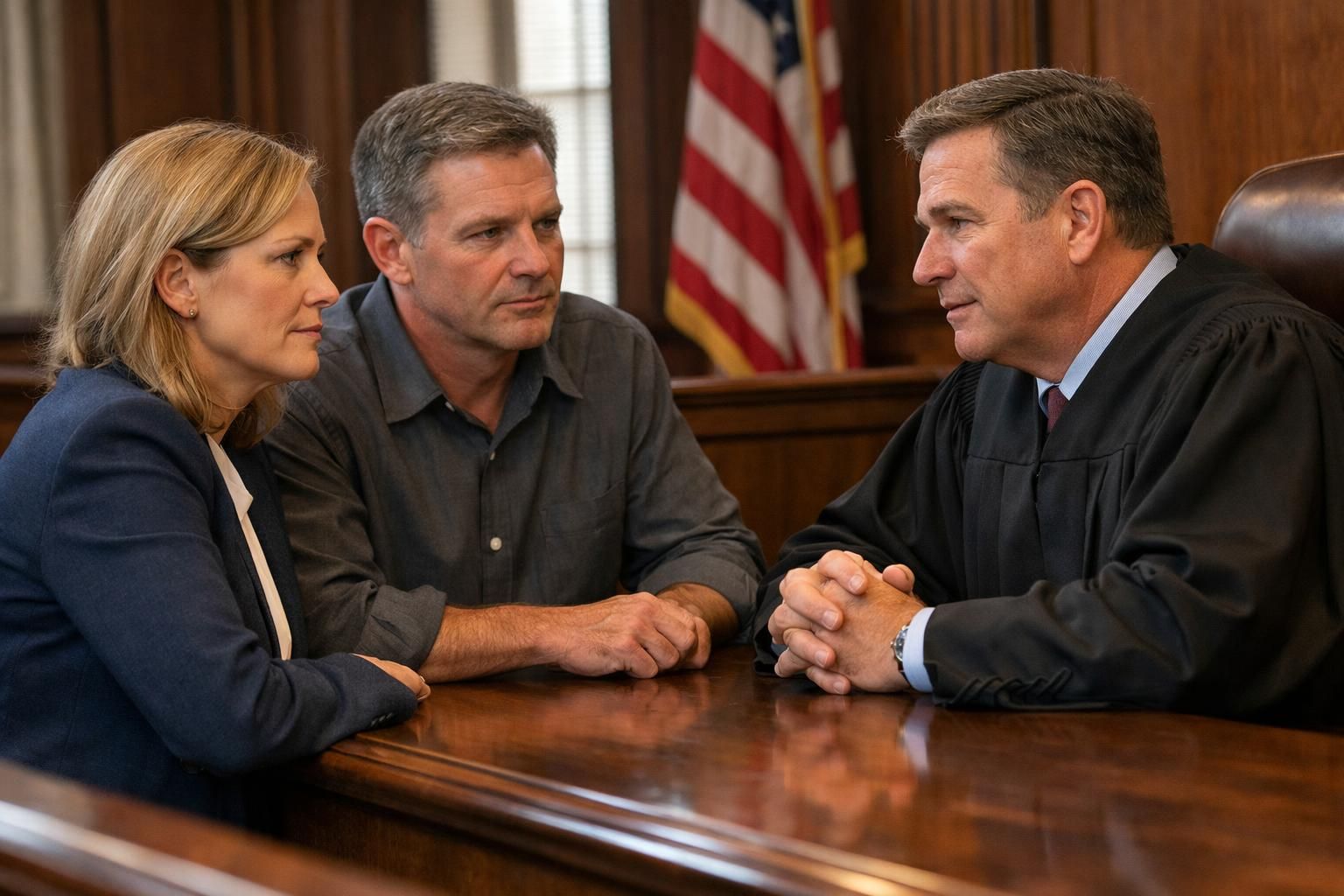
When a Colorado estate does go through probate, the personal representative may need to sell real estate — either to pay debts or to distribute proceeds among heirs. Colorado's probate system provides a structured process for these sales.
Formal vs. informal probate in Colorado
Colorado offers both informal and formal probate. Informal probate is handled through the probate registrar without a court hearing and works for straightforward estates with no disputes. Formal probate requires court hearings and judicial supervision — necessary when there are contested wills, creditor disputes, or complicated asset situations.
Under informal probate, once appointed, a personal representative in Colorado has broad independent authority to manage and sell estate real property without seeking separate court approval for each transaction. This is one of the key advantages of Colorado's Uniform Probate Code framework — it reduces delays compared to states that require court confirmation on every sale.
Petitioning for authority to sell
If formal probate is required, or if the will restricts the personal representative's power to sell real estate, you may need to petition the Colorado District Court for specific authority. 4 Key steps include:
- File a formal petition with the District Court probate division explaining why the sale is necessary — such as paying estate debts or enabling distribution to heirs.
- Submit supporting documents including the death certificate, letters testamentary, and a current property appraisal.
- Provide written notice to all heirs, beneficiaries, and creditors with an interest in the estate. 4
- Allow the statutory time period for objections before the court considers your petition.
- Wait for court authorization before listing or accepting offers on the property.
- Work with a qualified Colorado probate attorney throughout to ensure compliance with local court rules and deadlines.
Notice to heirs and handling objections
Colorado probate law requires formal notice to heirs and creditors before estate property can be sold. Failing to provide proper notice can invalidate a sale and expose the personal representative to personal liability. 5
- All heirs, beneficiaries, and known creditors must receive notice of the proposed sale within timelines set by Colorado law.
- Any interested party has the right to file an objection with the District Court within the specified window.
- Unresolved objections can lead to additional hearings, mandatory mediation, or court orders that delay the sale by weeks or months.
- Title companies will scrutinize notice records before insuring a probate sale — missing documentation can kill a closing.
- Personal representatives who skip notice requirements face removal from their role, personal liability for losses, and potential lawsuits from heirs or creditors.
Risks of Selling Without Proper Authority in Colorado

Invalid sales and title defects
Attempting to transfer Colorado real estate before completing required probate steps creates serious title problems. County public records in Colorado — maintained by the county assessor and clerk and recorder — will reflect the defect. Title insurance companies will refuse to insure the property, and buyers cannot obtain financing. Courts can reverse unauthorized transactions, leaving both sellers and buyers exposed to significant financial losses.
Title defects can linger for years, sometimes decades, making the property difficult or impossible to sell until the problem is corrected through a quiet title action in Colorado District Court — an expensive and time-consuming process.
Personal liability for executors
A Colorado personal representative who sells estate property without proper authority faces serious personal consequences. The District Court can remove you from your role. Heirs and beneficiaries can sue you for damages, and courts can require you to repay losses from your own funds. Colorado probate law imposes a fiduciary duty on personal representatives; violating that duty — even unintentionally — carries real legal and financial risk.
Legal action from heirs or creditors
Heirs or creditors can petition the Colorado District Court to reverse an unauthorized sale, demand damages, or seek removal of the personal representative. 5 Creditors in particular have strong standing to object if a sale interferes with repayment of estate debts. Legal disputes drain estate funds and harm everyone involved. Always secure proper court authority before proceeding with any property sale during the Colorado probate process. 6
Colorado Probate Timeline Expectations
Typical Colorado probate timeframes
Colorado's Uniform Probate Code framework is designed to be relatively efficient. Simple, uncontested estates often move through informal probate in 6 to 9 months. More complex estates — those involving multiple properties, business interests, or disputes among heirs — can take 12 to 18 months or longer.
After a personal representative is appointed, Colorado law generally requires creditors to be notified and given time to file claims. This creditor claim period is a key driver of the minimum timeline even in straightforward cases. Real estate cannot be sold and proceeds distributed until this window has passed or creditors have been resolved.
Factors that speed up or delay the process
- Estates with a clear will and a cooperative named executor typically move through Colorado informal probate fastest.
- Agreement among all heirs allows the personal representative to act decisively without court intervention.
- Will contests or heir disputes can extend the timeline by many months and may require formal probate court hearings before a District Court judge.
- Properties held in multiple states require ancillary probate in each state where real estate is located, adding time and cost.
- Missing documents, unclear titles, or liens on the property require additional resolution steps before a clean sale can close.
- Court docket backlogs in high-volume counties like Denver or Arapahoe can delay hearings.
- Federal estate tax returns are required if the gross estate exceeds the federal exemption threshold (over $13 million as of 2024), adding paperwork and IRS review time before final distribution.
- Colorado does not have a state estate tax or state inheritance tax, which simplifies the tax side of estate administration compared to many other states.
- Using non-probate transfer tools — TOD deeds, living trusts, joint tenancy — avoids the timeline entirely for qualifying property. 7
Colorado Tax Considerations When Selling Estate Property
Colorado does not impose a state estate tax or inheritance tax, which is a meaningful advantage for heirs compared to states that do. However, federal estate tax rules still apply for larger estates.
When an heir sells inherited Colorado real estate, the property receives a stepped-up cost basis to its fair market value at the date of the decedent's death. This means capital gains are calculated from that stepped-up value — not the original purchase price — which can significantly reduce or eliminate capital gains tax owed on a subsequent sale.
Colorado also imposes a real estate transfer tax at the county level for some transactions, though transfer taxes in Colorado are generally minimal. Confirm local requirements with your closing attorney or title company. Consulting a Colorado estate attorney or CPA familiar with both state and federal tax rules is advisable before completing any probate property sale.
Alternatives and Solutions
Family buyouts
A family buyout lets one heir purchase the shares of other heirs during estate administration, avoiding a forced market sale. All beneficiaries must agree on terms, and the transaction should be properly documented. A professional appraisal sets a fair starting value. Many heirs in Colorado use estate advances or personal funds to finance their share rather than waiting for the full probate process to close. A Colorado probate attorney can help structure the buyout agreement to satisfy court requirements and protect all parties.
Estate advances
Estate advances provide heirs with quick access to cash while probate continues. Unlike loans, they do not require monthly payments and are repaid only from your inheritance after the estate settles. 5 These companies work with the personal representative and verify eligibility through court documents. This can help cover urgent costs like property taxes, HOA dues, maintenance on a vacant home, or attorney fees during the probate process. Always have a Colorado probate attorney review any estate advance agreement before signing.
Selling to probate-savvy buyers
Working with real estate investors experienced in Colorado probate can reduce stress for personal representatives. These buyers understand Colorado District Court requirements, can make cash offers, and typically purchase properties as-is — eliminating the need for repairs or updates before closing. 9 Their purchase contracts are written to accommodate probate timelines and court approval requirements, reducing the risk of title defects. If you are managing a vacant property in the Aurora, Lakewood, or Denver area with ongoing expenses, a probate-experienced cash buyer may offer the most practical solution. 9
Conclusion
Selling a house before Colorado probate closes is rarely straightforward, but understanding your options makes the process far more manageable. Colorado's Uniform Probate Code offers more flexibility than many states, especially through informal probate and strong non-probate transfer tools like TOD beneficiary deeds and living trusts. Whether you are a personal representative navigating a Denver estate or an heir waiting on distribution in Colorado Springs, taking the right legal steps protects the property, the sale, and your peace of mind.
If you need to sell an inherited or estate property in Colorado quickly and without hassle, KDS Homebuyers buys houses directly for cash — as-is, with no repairs required. Visit kdshomebuyers.net to request your free, no-obligation cash offer today.
FAQs
1. Can a personal representative sell a house before Colorado probate starts?
Generally no. A personal representative must first be appointed by the Colorado District Court and receive letters testamentary before taking any action to sell estate real estate. 1
2. Does Colorado require court approval for every probate property sale?
Under Colorado's informal probate process, a personal representative typically has independent authority to sell real estate without a separate court approval hearing. However, formal probate or restrictions in the will may require court authorization before proceeding. 4
3. Does Colorado have a transfer-on-death deed?
Yes. Colorado recognizes beneficiary deeds (transfer-on-death deeds) that allow real property to pass directly to a named beneficiary at death without going through probate. The deed must be properly recorded with the county clerk and recorder before the owner's death. 3
4. Are there state estate or inheritance taxes in Colorado?
No. Colorado does not impose a state estate tax or inheritance tax. Federal estate tax rules apply for large estates, but most Colorado families will not owe federal estate tax. Heirs also benefit from a stepped-up basis on inherited property, which reduces capital gains exposure on a subsequent sale.
5. What happens if I sell a Colorado estate property without proper authority?
The sale may be voided by the District Court, you may face personal liability as executor, and title defects could make the property unsellable until corrected through a quiet title action. Heirs and creditors may also file legal claims against you. 5
References
- ^ https://www.mymetrotex.com/201738texas-probate-selling-an-estate-with-or-without-a-will/
- ^ https://www.mass.gov/probate-of-wills-and-estates
- ^ https://www.farrellfritz.com/insights/tax-tracker/transfer-on-death-deeds-adopted-by-new-york/ (2024-06-27)
- ^ https://legacyassuranceplan.com/articles/wills-probate/legal-requirements-when-selling-property-during-probate
- ^ https://www.ledbetterlawfl.com/selling-a-house-before-during-or-after-probate
- ^ https://www.heritagelawwi.com/can-i-sell-a-house-before-probate-is-complete
- ^ https://www.findlaw.com/estate/probate/probate-process-and-timeline.html (2025-07-24)
- ^ https://larsonbrown.law/2023/01/09/the-probate-timeline/
- ^ https://www.homehelpersgroup.com/can-you-sell-a-house-before-probate-what-to-know-now/ (2025-11-12)
- ^ https://selfhelp.courts.ca.gov/probate
