

What to Do After a Flood or Tornado Damages Your Home in Florida
Seeing your home after a flood or tornado can leave you feeling overwhelmed and unsure where to start. Florida's hurricane season, severe storms, and flood-prone geography mean many homeowners across Jacksonville, Miami, Tampa, and Orlando face this situation every year. This guide walks you through urgent safety steps, dealing with insurance, cleanup tips, and ways to protect your family from hazards like contaminated water or downed power lines. You have options—discover them here. 1 2 3
Key Takeaways
- Wait for official clearance from Florida emergency services before entering your damaged home. Hazards like contaminated water, downed power lines, and gas leaks can be deadly within the first 24–48 hours after a flood or tornado (FEMA.gov).
- Document all damage with high-resolution photos and videos to support your insurance claim. Insurers denied nearly half of storm claims in 2023 because of missing records—keep everything saved on secure drives or cloud storage.
- Contact your insurance company right away. Standard homeowners insurance covers wind and tornado damage but not flooding; only National Flood Insurance Program (NFIP) policies cover floodwater damage. Florida's insurer-of-last-resort, Citizens Property Insurance, has its own claims process and timelines. Claims can take 30–60 days or longer after major disasters.
- Use licensed Florida contractors for repairs, get at least three bids, and do not start permanent repairs until an adjuster inspects. Mold grows within 24–48 hours in Florida's humid climate; remediation costs range from $500 to $6,000, while structural repairs can reach $80,000. 7
- If insurance does not cover all costs—including temporary housing ($1,500–$3,000 per month)—explore FEMA grants (average $5K–$10K), SBA disaster loans (up to $200K), or selling as-is to cash buyers who can close in as little as 7–14 days. 8
Acknowledge the emotional toll of returning to a damaged home.
Walking through a Florida home damaged by flood or tornado is emotionally draining. Disaster fatigue sets in quickly, especially when repairs stretch on for months. Displacement and reconstruction after severe damage can last 6 to 12 months.
Support is available from the American Red Cross, FEMA, and Florida-based community disaster relief organizations. Connecting with neighbors and local groups who have faced similar losses makes the recovery process less isolating.
Back to topImmediate Safety Steps (First 24-48 Hours)
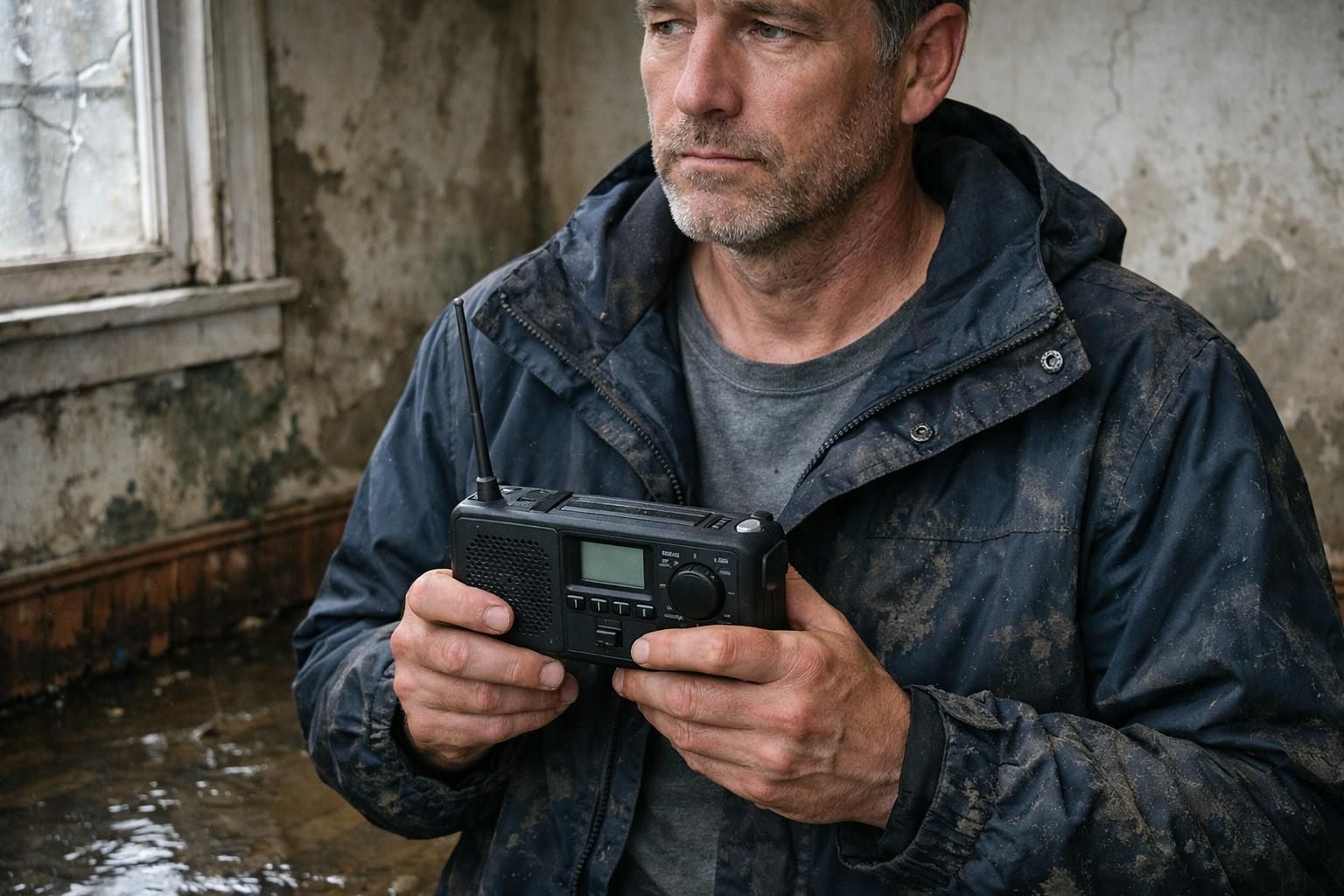
Your safety is the top priority after a disaster. Florida's flood events often involve standing water that lingers for days, downed FPL or Duke Energy power lines, and serious contamination risks. Use protective clothing, an emergency kit, and a battery-powered NOAA Weather Radio to stay informed.
Do not enter the property until cleared by authorities.
Wait for official clearance from Florida emergency services—including local police, fire departments, and county emergency management officials—before stepping back into your home. Authorities typically need 24 to 48 hours to assess structural damage, gas leaks, downed power lines, and contaminated water. Florida Division of Emergency Management and county-level offices coordinate re-entry authorization after major events.
Entering before the all-clear puts you at risk for injury, electrocution, or carbon monoxide exposure. Monitor local news, county emergency management websites, and NOAA Weather Radio for accurate re-entry updates.
Document all damage with photos and videos.
Take high-resolution photos and videos of every room before moving anything. Capture structural damage, water marks, damaged appliances, mold growth, and roof damage from storm debris. Record serial numbers and purchase dates for major items like HVAC systems, appliances, and electronics.
Save all documentation to a secure cloud service or external drive. Insurers denied nearly half of storm claims in 2023 due to missing records. Florida homeowners should also keep documentation for FEMA and SBA disaster assistance applications, as Florida is frequently included in federal disaster declarations.
Contact your insurance company immediately.
Call your insurer as soon as it is safe to do so. Florida homeowners may hold policies through Citizens Property Insurance Corporation, a private carrier, or both a standard homeowners policy and a separate NFIP flood policy. Know which policy covers which type of damage before you call.
Standard homeowners policies in Florida generally cover wind damage from tornadoes and hurricanes but not floodwater intrusion. Only an NFIP policy covers flood damage. Keep all receipts for emergency housing, and note that Florida law requires insurers to acknowledge a claim within 14 days and make a coverage decision within 90 days under the state's insurance claims handling statutes. 2
Log every conversation with your adjuster and save each claim number. Be aware that your mortgage lender may receive insurance proceeds directly if you carry a home loan. 1
Secure the property to prevent further damage or theft.
Cover damaged roofs with waterproof tarps and board up broken windows and doors with plywood. Florida's humidity accelerates mold growth, so acting fast matters. Move valuables and important documents into waterproof containers immediately.
If you must leave the property unattended, alert local police so they can increase patrols. Post-disaster theft is a documented problem in Florida communities after major storms. Save receipts and photos of every protective measure since your adjuster will need this documentation.
Remove spoiled food and hazardous chemicals quickly, following FEMA and Florida Department of Health guidance on disaster cleanup safety.
Arrange temporary housing if the home is uninhabitable.
Act quickly to secure temporary housing. FEMA and the American Red Cross offer emergency shelter referrals, and Florida's county emergency management agencies maintain lists of local options. Average costs for short-term rentals or hotels range from $1,500 to $3,000 per month.
Contact your insurer about Additional Living Expenses (ALE) coverage and save all receipts for reimbursement. Florida homeowners covered by Citizens Property Insurance should confirm ALE limits directly with their adjuster. The SBA also offers disaster loans that can help cover shelter costs when insurance falls short.
Update loved ones using the Red Cross Safe and Well listing, and check pet policies before booking accommodations.
Back to topWorking with Insurance
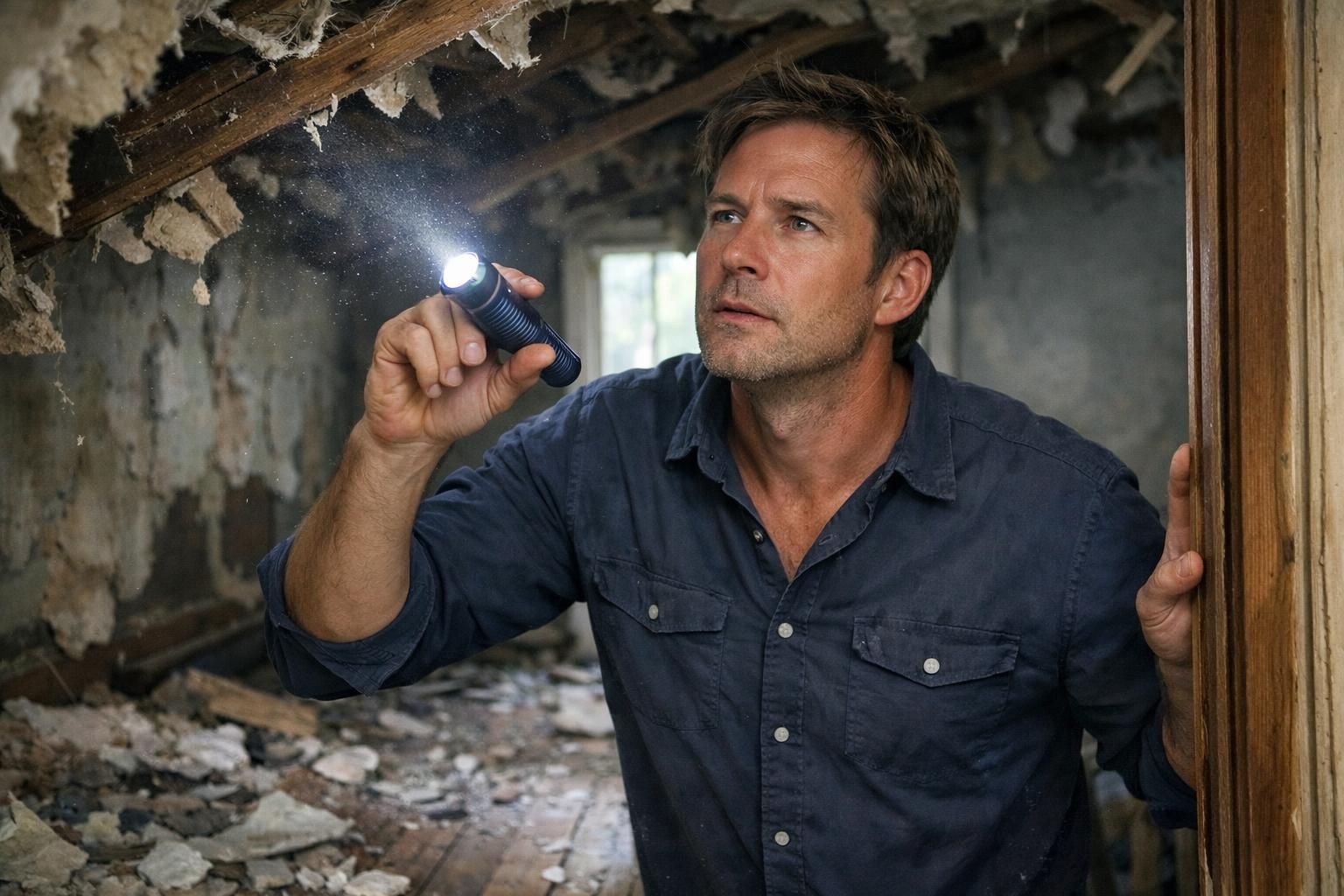
Your claims adjuster will assess property damage including roof damage and structural issues. Florida's insurance environment is unique—the state has seen widespread insurer insolvencies and policy non-renewals in recent years, so understanding your specific coverage is critical.
Understand the claims process and timeline expectations.
Under Florida law, insurers must acknowledge your claim within 14 days and issue a coverage decision within 90 days. Processing typically takes 30 to 60 days under normal conditions, but widespread disasters—like major hurricanes affecting South Florida or the Tampa Bay area—can push timelines past six months as adjusters handle high claim volumes.
Keep receipts for all expenses: emergency repairs, temporary housing, generators, and cleanup supplies. FEMA disaster recovery grants average $5,000 to $10,000 and cover basic needs only, not full home restoration. Accurate records help your claim move faster and support any FEMA or SBA applications.
Avoid common pitfalls, like starting repairs before an adjuster arrives.
Starting permanent repairs before an adjuster inspects can jeopardize your entire claim. 3 In 2023, nearly half of storm damage claims were denied due to mistakes like this. Document everything before touching anything.
You may use tarps to cover roof damage or board up broken windows as temporary protective measures—these are generally allowed. Do not begin permanent repairs until you receive written approval from your insurer. Keep a detailed log of all communications with your agent and adjuster. 3
Know the differences between flood insurance and standard policies.
Standard Florida homeowners insurance does not cover flood damage. A separate NFIP policy—or private flood insurance—is required to cover repairs after flooding. 4 Many Florida homeowners in high-risk flood zones are required by their mortgage lenders to carry NFIP coverage, but a large number of properties in moderate-risk areas remain uninsured for flood events.
NFIP policies carry a standard 30-day waiting period before coverage activates, so you cannot purchase one when a storm is already approaching. Wind damage from tornadoes is covered under standard homeowners policies but never by NFIP flood insurance. Average flood repairs range from $7,000 to more than $50,000, with costs climbing sharply when foundations or mold remediation are involved.
Florida also has a private flood insurance market that may offer broader coverage options than NFIP. Review your policies carefully before disaster season arrives.
Back to topRepairing Your Home

Repairing your Florida home starts with finding honest, licensed contractors and addressing mold and structural damage quickly—Florida's heat and humidity make delays especially costly.
Obtain reliable contractor estimates and beware of scams.
Florida is known for an influx of unlicensed contractors after major storms. Florida law requires contractors to be licensed through the Florida Department of Business and Professional Regulation (DBPR). Verify any contractor's license at the DBPR website before signing anything. Ask for a local address, proof of insurance, and a current Florida contractor's license number. 5
Get at least three written bids using identical repair specifications. Review all contracts carefully—look for specific work descriptions, milestone-based payment schedules, and clear timelines. Never pay the full amount upfront in cash. Your insurer may have preferred contractors; using them can simplify the claims process.
The Florida Attorney General's Office and the Better Business Bureau are both useful resources for checking contractor complaints and credentials.
Address mold remediation and structural damage concerns.
Florida's heat and humidity mean mold begins growing within 24 to 48 hours of water exposure—faster than in most other states. Mold remediation costs range from $500 to $6,000. Remove wet drywall, insulation, carpets, and mattresses promptly. Florida does not currently license mold remediators under a separate state program, but contractors should follow EPA and Florida Department of Health guidelines. 7
Structural repairs after significant flooding can range from $10,000 to $80,000 depending on severity. Get structural assessments early so you can make informed repair decisions. Wear protective clothing during cleanup to guard against contaminated floodwater and sharp debris. 6
Evaluate repair costs and timelines to make informed decisions.
Get multiple written estimates from licensed Florida contractors before approving any work. Contractor waitlists after major Florida storms commonly stretch 3 to 6 months. Drying out a flood-damaged home in Florida's climate can take weeks before construction begins.
Flood damage repairs typically cost $7,000 to $50,000 or more. Foundation repairs can reach $10,000 to $80,000. Mold remediation may add $500 to $6,000. Temporary housing runs $1,500 to $3,000 per month. Insurance, FEMA assistance, and SBA loans may still leave funding gaps you'll need to cover through savings or other means.
Weigh these numbers carefully when deciding whether to repair, seek government assistance, or explore options like selling as-is.
Back to topFinancial Realities and Alternatives
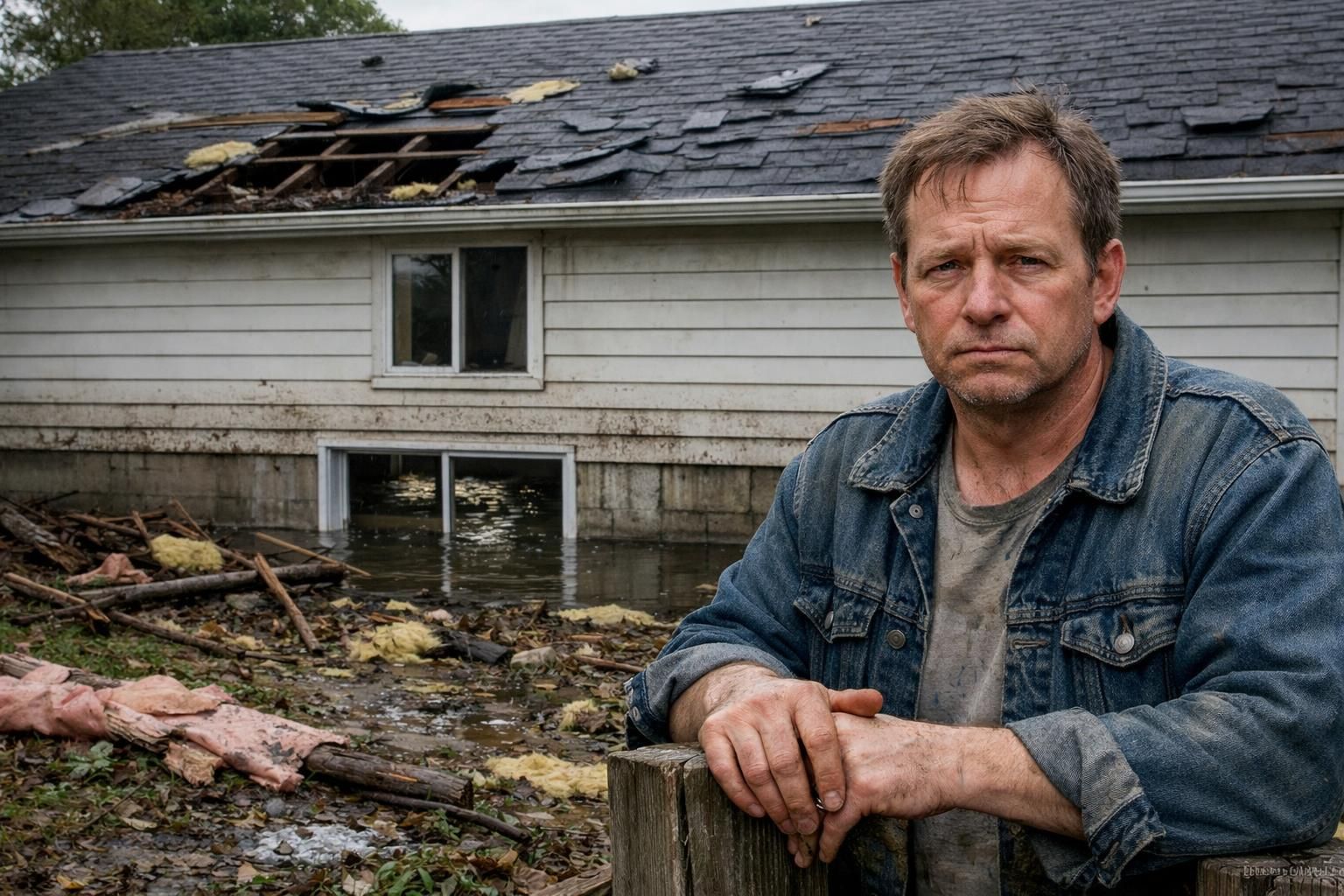
Insurance may not cover all property damage, especially flood contamination or structural issues. Florida homeowners also need to account for property tax and potential capital gains implications when selling a damaged home.
Explore options if insurance doesn't cover everything.
FEMA disaster recovery grants average $5,000 to $10,000 and cover basic needs, not full home restoration. Florida is frequently designated a federal disaster area after major storms, making residents eligible for FEMA Individual Assistance programs. The SBA offers disaster loans of up to $200,000 for home repairs when insurance falls short.
If your mortgage lender receives insurance proceeds first, large repair bills may still remain unpaid. Many Florida families combine FEMA grants, SBA loans, personal savings, and consider selling as-is to manage the financial gap. Temporary housing costs of $1,500 to $3,000 per month must factor into your emergency financial plan.
On the tax side, Florida has no state income tax, so capital gains from selling a damaged home are subject only to federal capital gains rules. If you have lived in the home for at least two of the last five years, the federal exclusion of up to $250,000 (single) or $500,000 (married filing jointly) may apply even on a sale following disaster damage. Consult a tax advisor about your specific situation.
Consider selling as-is, FEMA assistance, or SBA disaster loans.
When repairs are overwhelming or financially out of reach, selling your Florida home as-is to a cash buyer is a legitimate option. Cash buyers purchase flood- and storm-damaged homes in their current condition, and closings typically happen in 7 to 14 days—bypassing contractor delays and ongoing mortgage payments on an uninhabitable property.
Florida law requires sellers to disclose known material defects, including flood damage history, under the state's seller disclosure requirements. A real estate attorney familiar with Florida post-disaster transactions can guide you through disclosure obligations and protect your interests.
FEMA assistance and SBA disaster loans remain available regardless of which path you choose. Use the MySBA Loan Portal to apply and manage your application. Local Florida disaster recovery centers—often set up in community centers and schools after major events—can help you navigate the process. 8
Back to topOptions for Selling Your Flood-Damaged Home
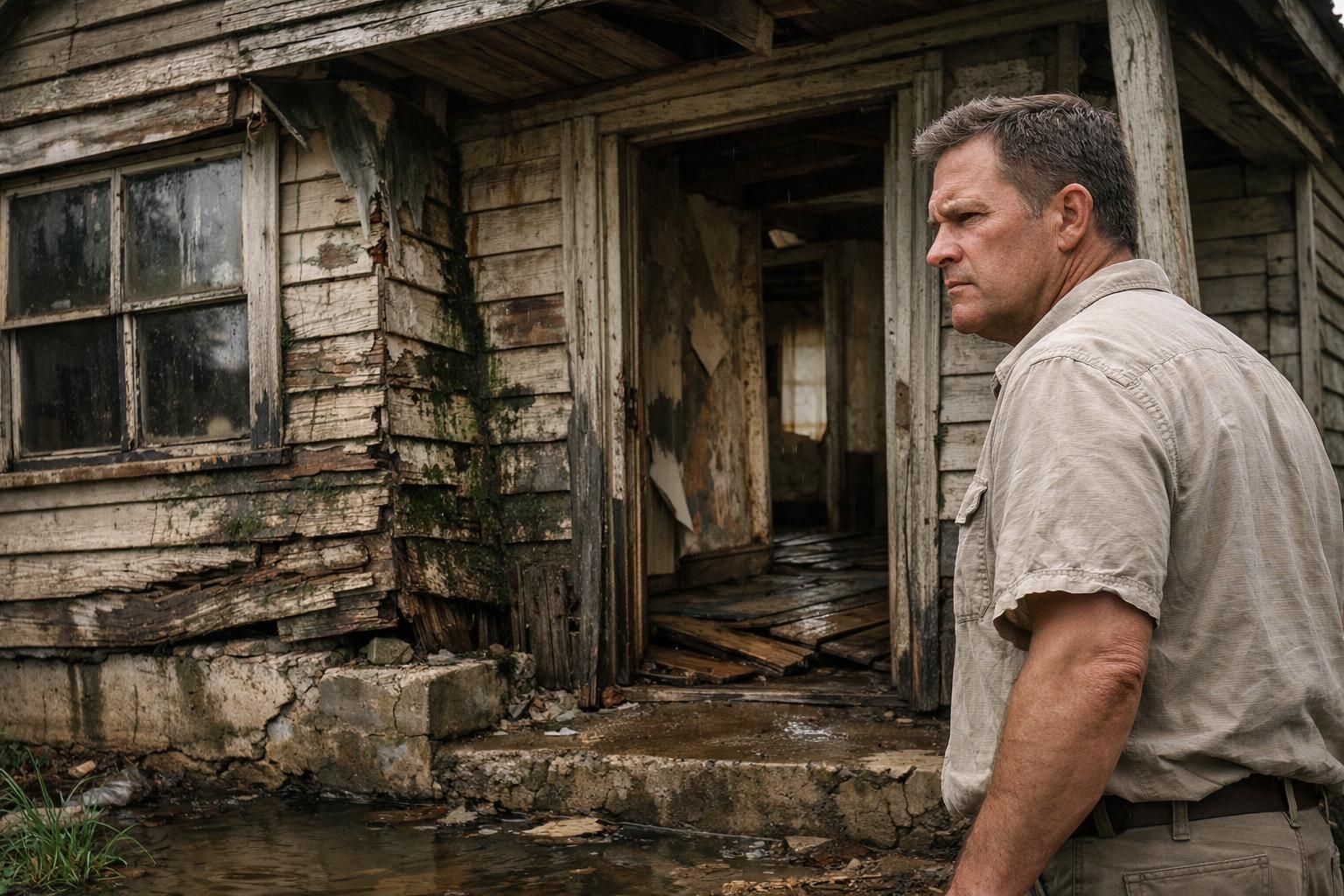
Cash buyers and investors purchase flood-damaged Florida homes as-is, even with major mold, structural damage, or contaminated water issues. Closings often take just 7 to 14 days. You skip expensive repairs, lengthy contractor waitlists, and stressful disaster cleanup.
Florida's seller disclosure laws require you to disclose known material defects including flood damage—a knowledgeable real estate attorney can help you meet these requirements while protecting your interests. Proceeds from an as-is sale can cover your mortgage balance and help fund relocation without continuing to pay for a home you cannot live in.
Many Florida homeowners in areas like Southwest Florida or the Tampa Bay region who have faced repeated flooding find relief through this route rather than managing every detail of a lengthy rebuild alone.
Back to topMoving Forward
Florida offers numerous state and local resources for disaster recovery. The Florida Division of Emergency Management, county emergency management offices, FEMA, and the American Red Cross all provide guidance and support as you plan your next steps.
Seek emotional and community support resources.
You do not have to cope with disaster recovery alone. The American Red Cross offers emotional support and counseling after flood and tornado damage. Use the Red Cross Safe and Well listing to let family know you are safe. Florida county health departments and local nonprofits often provide free mental health counseling after declared disasters. The CDC offers tips for managing post-disaster stress, and many community centers host support groups for storm survivors.
Create a clear decision timeline and know when to ask for help.
Use CDC and FEMA checklists to stay organized. List key actions: contact your insurer, schedule property inspections, begin mold prevention—all within the first 24 to 48 hours. 9 Track deadlines for submitting FEMA and SBA applications so you do not lose access to assistance.
If you face a claim dispute in Florida, you can contact the Florida Department of Financial Services, which regulates insurance companies and handles consumer complaints. Florida also has a public adjuster licensing program—hiring a licensed public adjuster can help you negotiate a fair settlement if your claim is underpaid.
Do not hesitate to seek expert guidance on mold remediation, generator safety, or structural repairs when issues exceed your experience.
Back to topConclusion
Provide reassurance and emphasize available solutions to help them move forward.
You have real options after flood or tornado damage in Florida. Insurance coverage, FEMA grants, and SBA disaster loans can all help offset costs. Florida's no-state-income-tax environment and federal capital gains exclusions may work in your favor if you decide to sell. Community organizations, county emergency management offices, and the Red Cross provide shelter, supplies, and emotional support throughout recovery.
Consider all available paths before making major decisions about your property. If repairs are too costly or take too long, selling your Florida home as-is may be the fastest route to financial stability. Review the latest FEMA assistance guidelines and consult a licensed Florida real estate attorney to understand your disclosure obligations and protect your interests every step of the way.
If you are a Florida homeowner dealing with flood or storm damage and want to explore a fast, straightforward sale, KDS Homebuyers buys houses as-is for cash across Florida. Visit kdshomebuyers.net to request your free cash offer and take one more thing off your plate during a stressful time.
Back to topFAQs
1. What is the first thing I should do after flood or tornado damage to my Florida home?
Check for safety hazards like downed power lines and structural damage. Wait for clearance from Florida emergency management or local authorities before entering. Use a battery-powered NOAA Weather Radio and monitor your county emergency management website for updates.
2. How can I protect myself during disaster cleanup in Florida?
Wear protective clothing including gloves, boots, and masks. Florida floodwater frequently contains sewage and chemical contaminants. Follow Florida Department of Health guidance on safe cleanup practices.
3. Is it safe to use a portable generator after storm damage in Florida?
Never run a generator indoors due to carbon monoxide risk. Place it outside, away from windows and doors. Florida has seen numerous generator-related carbon monoxide deaths after hurricanes—follow all manufacturer and FEMA safety guidelines.
4. How do I handle electrical equipment after flooding?
Do not touch electrical equipment if you are standing in water or if it appears flood-damaged. Contact your utility provider and a licensed Florida electrician before restoring power or using appliances.
5. What steps help with mold prevention after water intrusion in Florida?
Act within 24 to 48 hours. Use fans, dehumidifiers, and sump pumps to dry out your home. Remove wet materials immediately. Florida's humidity means mold establishes faster here than in most states—speed is critical.
6. When should I seek medical attention during disaster recovery?
Seek help immediately if someone has trouble breathing, shows signs of shock, or suffers injuries beyond basic first aid. Contact local emergency services or visit a Florida community health center if normal medical facilities are impacted by the disaster.
References
- ^ https://atirestoration.com/blog/home-flooded-first-24-hours/
- ^ https://www.wyff4.com/article/tornado-damage-heres-what-to-do-next/43530893
- ^ https://www.tigeradjusters.com/blog/avoid-five-common-mistakes-that-could-derail-your-storm-damage-claim
- ^ https://carnegieendowment.org/russia-eurasia/research/2025/05/comparing-national-flood-insurance-frameworks-lessons-and-trade-offs
- ^ https://files.hudexchange.info/resources/documents/OHC-DR-Toolkit-Avoiding-Post-Disaster-Scams-and-Fraud.pdf
- ^ https://pmc.ncbi.nlm.nih.gov/articles/PMC6769180/
- ^ https://www.epa.gov/mold/mold-cleanup-your-home
- ^ https://www.sba.gov/funding-programs/disaster-assistance
- ^ https://www.fema.gov/press-release/20250416/how-document-damages-after-severe-weather-events
