

What to Do After a Flood or Tornado Damages Your Home in California
Seeing your home after a flood or wildfire-driven storm in California can leave you feeling overwhelmed and unsure where to start. Damage can ruin walls, floors, treasured belongings, and even the structure itself. This guide walks you through urgent safety steps, dealing with insurance, cleanup tips, and ways to protect your family from hazards like contaminated water or live power lines. You have options—discover them here. 1 2 3
Key Takeaways
- Wait for official clearance from California emergency services—Cal OES, local fire departments, or law enforcement—before entering your damaged home. Hazards like contaminated water, downed power lines, and gas leaks can be deadly within the first 24–48 hours after a flood or severe storm (FEMA.gov).
- Document all damage with high-resolution photos and videos to support your insurance claim. Insurers denied nearly half of storm claims in 2023 because of missing records—keep everything saved on secure drives or cloud storage.
- Contact your insurance company right away and know what coverage you have. Standard homeowners insurance covers wind damage but not floods; only National Flood Insurance Program (NFIP) policies pay for floodwater damage. Claims processing can take 30–60 days, sometimes longer after major California disasters.
- Use licensed California contractors for repairs, get at least three bids with detailed written contracts, and do not start permanent repairs until an adjuster inspects the property. Mold grows within 24–48 hours after flooding; remediation costs range from $500 to $6,000 while structural repairs can reach up to $80,000. 7
- If insurance does not cover all costs—including temporary housing ($1,500–$3,000 per month in California markets)—explore FEMA grants (average $5K–$10K), SBA disaster loans (up to $200K), or selling as-is to cash buyers who can close in as little as 7–14 days. 8
Acknowledge the emotional toll of returning to a damaged home.
You may feel overwhelmed and emotionally drained as you walk through a home damaged by flooding or a severe storm. Disaster fatigue is common during recovery, especially when repairs drag on for months in California, where contractor waitlists are long and permit processes add time.
Many homeowners underestimate how hard it hits to see water damage, a damaged roof, or mold growth in familiar rooms. Displacement and reconstruction can last 6 to 12 months for severe property damage. Support is available from organizations like the American Red Cross, Cal OES, and FEMA.gov if you need help coping with stress or trauma after severe weather events.
Back to topImmediate Safety Steps (First 24-48 Hours)

Your safety is the top priority after a disaster, especially with downed power lines and possible floodwater contamination around your home. Use protective clothing, an emergency kit, and a battery-powered radio or NOAA Weather Radio to stay aware of ongoing hazards.
Do not enter the property until cleared by authorities.
Wait for official clearance from California emergency services before stepping back into your home. 1 Cal OES, local police, fire departments, and utility companies like PG&E or SoCalGas often need 24 to 48 hours to check for structural damage, downed power lines, gas leaks, or contaminated water. Emergency alert systems—including the California Emergency Alert System and AlertCA—will provide updates on when property access is permitted.
Entering before the all-clear can put you at serious risk. Officials must inspect crawl spaces and electrical systems for water damage and gas hazards first. Stay tuned to local news or battery-powered radios for accurate updates about when it is safe to return.
Document all damage with photos and videos.
Take high-resolution photos and videos of every room, including damaged furniture, broken appliances, and areas with structural damage. Capture close-up shots of items like wallboards, HVAC systems, and sump pumps that show clear water marks or mold growth. List serial numbers and purchase dates for large items when possible.
Include images showing roof damage before you move anything. Save all documentation on a secure cloud service or external drive. Insurers denied nearly half of storm claims in 2023 due to missing records; detailed evidence strengthens both flood insurance and homeowners insurance claims. Log every conversation with your claims adjuster and keep files for FEMA or SBA disaster assistance applications as well.
Contact your insurance company immediately.
Call your insurance company as soon as you are safe and have documented the damage. Ask specifically about your storm and flood coverage. Provide photos and videos of property damage, including roof damage, flooded rooms, or contaminated water sources.
Keep all receipts for emergency housing or repairs while displaced. 2 Expect the claims process to take 30–60 days under normal conditions; after major California disasters, it may extend beyond six months. Note that standard homeowners policies cover wind damage but not floodwater contamination unless you carry a separate NFIP policy. Always check whether insurance proceeds will go first to your mortgage lender when home restoration begins. 1
Secure the property to prevent further damage or theft.
Use a waterproof tarp to cover damaged roofs and walls, blocking rain from causing more flood damage. Board up broken windows and doors with plywood to deter intruders—an important step in areas around Los Angeles or Sacramento where disaster zones can attract opportunistic theft.
Move valuables and important papers into waterproof containers right away. Transfer undamaged furniture and electronics to higher ground if you suspect additional flooding. Alert local police that your home is uninhabitable so they can increase patrols while restoration work begins. Save receipts and photos of every protective measure since insurance adjusters require documentation for all claims.
Arrange temporary housing if the home is uninhabitable.
Act quickly to find temporary housing if your property is unsafe. FEMA and the American Red Cross often offer emergency shelter referrals. Average costs for short-term rentals or hotels in California range from $1,500 to $3,000 or more per month depending on the region—costs in the San Francisco Bay Area or Los Angeles can run even higher.
Contact your insurance company about Additional Living Expenses (ALE) coverage. Save all receipts for hotels and rental properties so you can submit them for reimbursement. The SBA offers disaster loans that can help cover remaining shelter costs if insurance does not pay enough. Share your location using the Red Cross Safe and Well listing to keep loved ones informed during recovery.
Back to topWorking with Insurance

Your insurance claims adjuster will assess property damage, including roof damage and structural issues. Keep all records from your emergency cleanup and remediation efforts to support your claim.
Understand the claims process and timeline expectations.
Claims adjusters usually contact you within a few days after you report damage. Processing takes about 30 to 60 days under normal conditions. After major California disasters—such as the atmospheric river flooding events that have affected areas from San Diego to Sacramento—timelines can stretch past six months as adjusters handle a surge of cases.
Mortgage lenders may require insurance payouts to go directly to them if they hold your home loan as collateral. Keep every receipt for repairs, supplies, and temporary housing. FEMA disaster recovery grants average just $5,000 to $10,000 and only support basic needs, not full rebuilding costs.
Avoid common pitfalls, like starting repairs before an adjuster arrives.
Starting permanent repairs before an insurance adjuster inspects your home can jeopardize your entire claim. 3 In 2023, nearly half of storm damage claims were denied by major insurers due to documentation mistakes. Fully document all property damage with photos and videos before touching anything.
You may use tarps to cover roof damage or board up broken windows to prevent further loss, but do not begin permanent repairs until you receive written approval from your insurance company or adjuster. Keep detailed communication logs with your agent so you know which emergency actions are permitted under your policy. 3
Know the differences between flood insurance and standard policies.
Standard California homeowners insurance does not cover flood damage. Only a separate flood insurance policy—usually purchased through the National Flood Insurance Program (NFIP)—will pay for flood repairs. 4 Many California homeowners in flood-prone areas of the Sacramento Valley or coastal communities learn this too late and face significant out-of-pocket costs.
NFIP coverage requires a waiting period of up to 30 days before it takes effect, so you cannot buy it last-minute when a storm threatens. Wind and rain damage from severe storms is typically covered by standard homeowners policies, but not floodwater intrusion. Average repairs can cost $7,000 to more than $50,000; costs climb higher if foundations need work or extensive mold remediation is required. California's high construction costs mean repair bills often exceed national averages.
The California Department of Insurance (CDI) offers resources to help you understand your policy rights and file complaints if a claim is improperly denied. Use AlertCA and NOAA Weather Radio to stay prepared year-round.
Back to topRepairing Your Home


Repairing your home starts with finding honest, licensed contractors and checking for mold or structural damage. Explore expert tips to protect your property during disaster recovery.
Obtain reliable contractor estimates and beware of scams.
Scam contractors flood disaster zones across California after every major storm. Before signing anything, verify that a contractor holds a valid California Contractors State License Board (CSLB) license and carries proof of insurance. You can check license status directly on the CSLB website. 5
Get at least three written bids using the same repair specifications. Review all contracts in detail; each one should outline specific work, timelines, and payment schedules tied to milestones—not large upfront cash payments. Under California law, home improvement contracts over $500 must be written and signed. Decline any contractor pressuring you to sign quickly or demanding full prepayment in cash. Only use contractors your insurer approves when possible to avoid claim denial later.
Address mold remediation and structural damage concerns.
Mold grows fast after water exposure—you must act within 24 to 48 hours to avoid serious health risks. Mold remediation can cost anywhere from $500 to $6,000 depending on the extent of damage. Remove wet drywall and insulation after drying out your home, and discard items like carpets or mattresses that cannot be properly cleaned. 7
California's mild, damp climate in coastal regions and the Sacramento Delta area can accelerate mold growth. Structural repairs often follow since dampness leads to ongoing problems. Foundation repair for flood damage can range from $10,000 to $80,000 depending on severity. Wear protective clothing during cleanup to protect yourself from floodwater contamination and sharp debris. 6
Evaluate repair costs and timelines to make informed decisions.
Get several written estimates from CSLB-licensed contractors before approving any repairs. Contractors in California disaster zones often have waiting lists of 3–6 months, and permit approval from local building departments adds additional time. Flood damage repairs typically cost between $7,000 and $50,000 or more; foundation fixes may reach $80,000 after severe flooding. Mold remediation can add another $500–$6,000.
Temporary housing in California during major repairs often runs $1,500–$3,000 or more per month. Insurance policies and FEMA assistance frequently leave coverage gaps. Weigh these numbers carefully as you decide whether repairing makes sense compared to exploring options such as selling as-is or seeking government assistance through FEMA's disaster recovery programs.
Back to topFinancial Realities and Alternatives
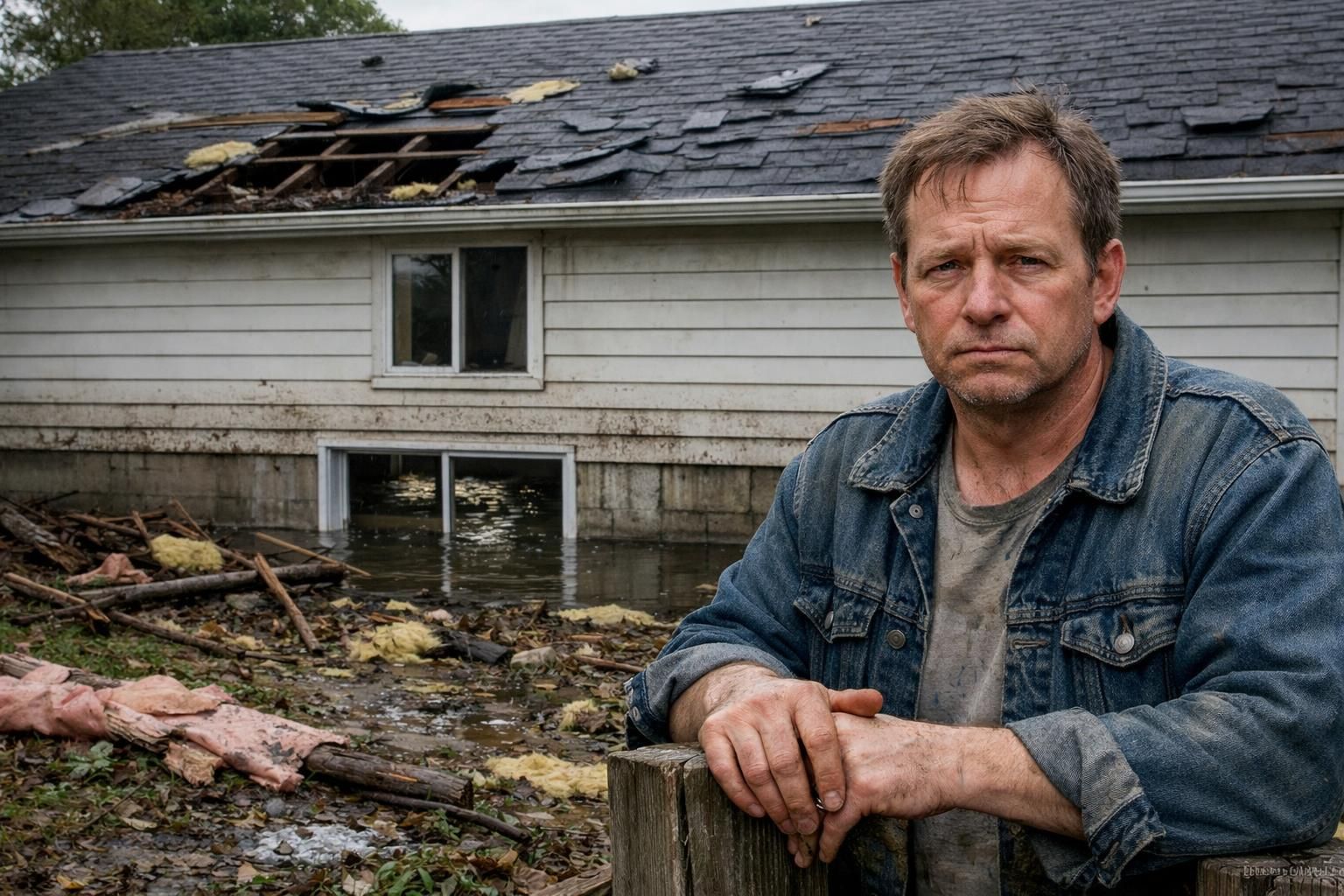
Insurance may not cover all types of property damage, including floodwater contamination or roof damage. Disaster recovery tools such as FEMA assistance and SBA disaster loans can help you handle costs beyond your policy limits.
Explore options if insurance doesn't cover everything.
FEMA may help with disaster recovery through grants that average $5,000 to $10,000—funds that typically cover basic needs, not full home restoration. The SBA offers disaster loans for homeowners facing property damage that insurance did not fully address; these loans can reach up to $200,000 for home repairs and contents replacement if you live in a declared disaster area.
California also has state-level resources through Cal OES and programs administered through the California Department of Housing and Community Development (HCD) that may provide additional relief funding after major declared disasters. If your insurance settlement falls short and your mortgage company receives part of those proceeds first, large bills could still remain unpaid. Many California families combine FEMA grants, SBA loans, personal savings, and consider selling their homes as-is to manage costs. Temporary housing costs can reach $1,500 to $3,000 or more each month—factor this into your emergency plans.
Consider selling as-is, FEMA assistance, or SBA disaster loans.
Insurance may not cover all property damage or disaster cleanup after a California flood or severe storm. You can sell your home as-is to cash buyers, especially if repairs and ongoing costs are difficult to manage. These buyers often close sales in 7 to 14 days, helping you avoid delays from contractor waitlists and lengthy permit processes.
You might also seek help through government programs. Apply for FEMA assistance to cover immediate needs like temporary housing, but understand it will not pay for full home restoration. SBA disaster loans offer up to $200,000 for home repairs if you live in a designated disaster area. Use the MySBA Loan Portal for fast application management. 8
Back to topOptions for Selling Your Flood-Damaged Home in California
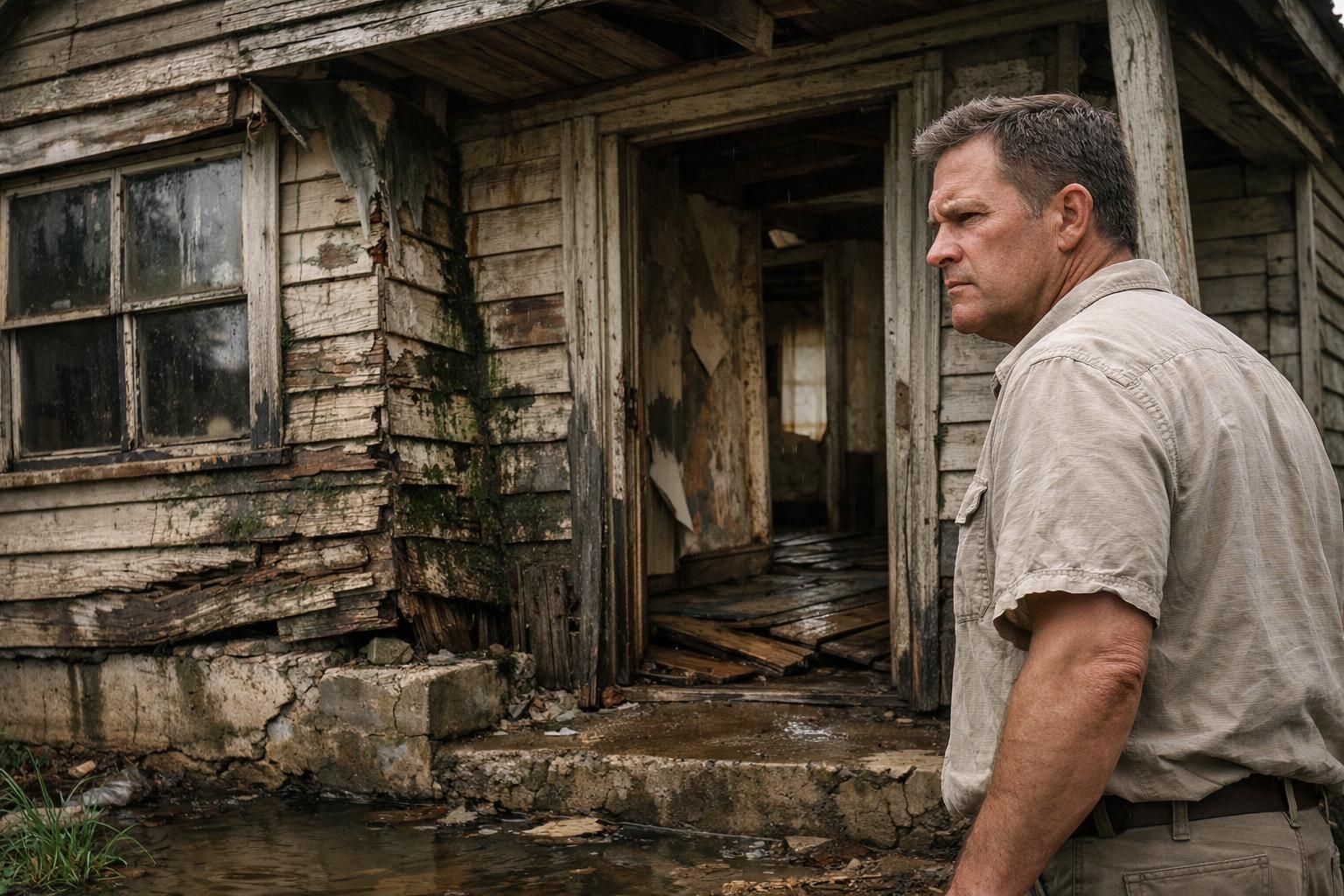
Cash buyers and investors purchase flood-damaged homes "as-is," even with major mold, structural damage, or contaminated water issues. Closings often take just 7 to 14 days after reaching an agreement—far faster than the traditional California escrow process, which typically runs 30–45 days even under normal conditions.
You can skip expensive repairs, lengthy contractor waitlists, and complicated disaster cleanup. California requires sellers to complete specific disclosure forms—including the Transfer Disclosure Statement (TDS) and natural hazard disclosures—even when selling as-is, so it is important to work with a real estate attorney familiar with California disclosure law and post-disaster transactions. Proceeds from an as-is sale may cover your mortgage balance and help fund relocation without continuing to pay for an uninhabitable property.
Note that California does not have a state transfer tax at the state level, but county and city documentary transfer taxes will apply at closing. Capital gains from the sale may be offset by the federal and California state exclusions for primary residences ($250,000 single / $500,000 married filing jointly at the federal level) if you meet ownership and use requirements, though disaster losses may create additional tax considerations—consult a tax professional.
Back to topMoving Forward
Reach out to local support groups, Cal OES disaster recovery centers, or organizations like the American Red Cross for help. Use resources like the National Weather Service, FEMA, and AlertCA to plan your next steps with confidence.
Seek emotional and community support resources.
You do not have to cope with disaster recovery alone. The American Red Cross offers emotional support and counseling after property damage from floods or severe storms. Use the Red Cross Safe and Well listing to let family know you are safe. Local community centers may host support groups where you can connect with others facing similar challenges. The CDC shares tips for managing stress after a crisis, while local California nonprofits provide access to trained counselors at no cost.
Create a clear decision timeline and know when to ask for help.
Set a clear decision timeline using CDC and FEMA checklists to stay organized. List key steps such as contacting your insurance company, scheduling property damage inspections, and beginning mold prevention within the first 24–48 hours. 9 Check all deadlines for submitting claims or requesting help from FEMA or the SBA so you do not lose access to critical resources.
If you face a disputed claim, you can file a complaint with the California Department of Insurance (CDI) or request the CDI's free mediation program. Do not hesitate to seek advice about generator safety, protective clothing requirements, or mold remediation from experts when issues arise outside your experience.
Back to topConclusion
Help is available through Cal OES, community warning systems, and organizations like the American Red Cross. You have real options after flood damage or severe storm damage strikes your California home.
Provide reassurance and emphasize available solutions to help them move forward.
You may feel overwhelmed, but you do have a path forward. Insurance coverage, even if limited, helps with home restoration costs. FEMA and SBA programs offer grants and loans when standard homeowners insurance does not cover certain losses. Community support groups provide safe shelter, drinking water, and emotional resources to guide you through difficult times.
Consider all available solutions before making big decisions about your property's future. Selling your home as-is allows you to move forward faster if repairs seem impossible or too costly. Financial alternatives exist—take time to review FEMA assistance rules and California-specific relief programs so you stay informed about current options while planning your next step toward stability.
Back to topFAQs
1. What is the first thing I should do after flood damage or severe storm damage to my California home?
First, check for safety hazards like downed power lines and structural damage. Use a battery-powered radio or NOAA Weather Radio to listen for updates from the California Emergency Alert System and AlertCA community warning systems.
2. How can I protect myself during disaster cleanup?
Wear protective clothing and gear such as gloves, boots, and masks. This helps prevent injuries from debris and limits exposure to contaminated water or mold spores.
3. Is it safe to use a portable generator after property damage?
Never run a portable generator inside your home due to the risk of carbon monoxide poisoning. Place generators outside away from windows and doors and follow all generator safety guidelines.
4. How do I handle electrical equipment after flooding?
Do not touch electrical equipment if you are standing in water or if it appears damaged by floodwater. Call a licensed California electrician before using any appliances to reduce risks linked with electricity and moisture.
5. What steps help with mold prevention following water intrusion?
Start drying out your house quickly using fans, sump pumps, or dehumidifiers. Remove wet materials right away to stop mold growth; clean surfaces with products approved for mold cleanup. In California's coastal climate, act especially fast.
6. Can I sell my flood-damaged California home without making repairs?
Yes. California law allows as-is sales. You must still complete required disclosures, including the Transfer Disclosure Statement and natural hazard disclosures, but you are not required to make repairs before selling. Cash buyers can often close in 7 to 14 days.
References
- ^ https://atirestoration.com/blog/home-flooded-first-24-hours/
- ^ https://www.wyff4.com/article/tornado-damage-heres-what-to-do-next/43530893
- ^ https://www.tigeradjusters.com/blog/avoid-five-common-mistakes-that-could-derail-your-storm-damage-claim
- ^ https://carnegieendowment.org/russia-eurasia/research/2025/05/comparing-national-flood-insurance-frameworks-lessons-and-trade-offs
- ^ https://files.hudexchange.info/resources/documents/OHC-DR-Toolkit-Avoiding-Post-Disaster-Scams-and-Fraud.pdf
- ^ https://pmc.ncbi.nlm.nih.gov/articles/PMC6769180/
- ^ https://www.epa.gov/mold/mold-cleanup-your-home
- ^ https://www.sba.gov/funding-programs/disaster-assistance
- ^ https://www.fema.gov/press-release/20250416/how-document-damages-after-severe-weather-events
If your California home has been damaged by flooding or a severe storm and you are weighing your options, KDS Homebuyers purchases homes directly from homeowners in any condition—no repairs, no lengthy escrow, no hassle. Visit kdshomebuyers.net to request your free cash offer and take the first step toward moving forward.
Back to top