

Pre-Foreclosure: What It Means and What You Can Do Right Now in Florida
Falling behind on mortgage payments can feel overwhelming and scary. Pre-foreclosure is the warning stage before your lender takes legal steps to repossess your home, but you still have options to protect yourself. 2 This guide breaks down what pre-foreclosure really means in Florida, shows you how pre-foreclosure help works, and explains how to connect with a housing counselor or explore loan modification. Take action now—there are real solutions waiting for you ahead. 3
Key Takeaways
- Pre-foreclosure in Florida starts when you miss mortgage payments and your lender files a Lis Pendens with the county clerk. Because Florida is a judicial foreclosure state, the process must go through the courts, giving you more time to act—often six months to over a year before a sale.
- Missing payments can drop your credit score by 200–400 points after foreclosure or 50–150 points with a short sale. Foreclosure stays on your credit report for seven years. 1
- You have rights in pre-foreclosure: pay missed amounts to reinstate the loan, sell the home (even at a loss), and use Florida's statutory redemption rights. Military families are protected under the Servicemembers Civil Relief Act (SCRA). 5
- Lenders offer help like loan modification, forbearance, repayment plans, short sales, or deed-in-lieu of foreclosure; Chapter 13 bankruptcy can stop foreclosure and set up payment plans. 9 HUD-approved housing counselors provide free guidance.
- Beware of foreclosure rescue scams that charge upfront fees or ask for deeds. Work only with HUD counselors or agencies like the CFPB; never sign property documents without expert review. 10
Pre-foreclosure in Florida is stressful — but it is not hopeless.
Facing pre-foreclosure brings real fear, especially when you are worried about losing a home in a high-cost market like Miami, Tampa, or Orlando. You may feel paralyzed by legal notices and calls from your mortgage servicer.
Because Florida requires judicial foreclosure, proceedings move through the circuit court system, which generally gives homeowners more time than non-judicial states. That extra time is a genuine opportunity—use it.
You still have real options for foreclosure prevention even after missing payments. Lenders typically prefer working with you through repayment plans or loan modification over the expense of a court proceeding. A HUD-approved housing counselor or Florida-licensed foreclosure attorney can explain your choices at no extra cost.
What is Pre-Foreclosure?

Pre-foreclosure means your mortgage servicer has not received all of your payments and the foreclosure process may start soon. In Florida, this stage can last considerably longer than in many other states because every foreclosure must pass through the circuit court system before a sale can occur.
Definition: The period between the first missed payment and the foreclosure auction.
Pre-foreclosure begins after you miss your first mortgage payment and ends before the court-ordered foreclosure sale. During this time your lender has not yet taken legal ownership of your home. You can still live in and control the property while exploring options like loan modification or a repayment plan.
In Florida, the process formally begins when the lender files a Lis Pendens and a foreclosure complaint with the circuit court in the county where the property is located—for example, Miami-Dade Circuit Court or Hillsborough County Circuit Court. This filing becomes part of the public record and signals that the property is in default but not yet foreclosed.
Because Florida is a judicial foreclosure state, the lender must obtain a court judgment before scheduling a sale through the county clerk's office. This requirement adds meaningful time compared to non-judicial states and gives homeowners additional opportunities to pursue loss mitigation.
Florida timeline: Missed payments → Lis Pendens filing → Court summons → Final judgment → Clerk's sale.
Missing your first payment triggers calls and letters from your servicer. By the second month, contact intensifies. After three missed payments, expect a formal demand letter by certified mail giving you 30 days to pay arrears or pursue loss mitigation.
If payments remain unpaid, the lender's attorneys file a Lis Pendens and foreclosure complaint with the circuit court—typically around month four or five. You will be served with a summons and have 20 days to respond. Failing to respond can result in a default judgment against you.
After a final judgment of foreclosure is entered, the clerk schedules a public sale, usually held online through the county's auction platform. Florida law generally requires the lender to wait at least 20 days after the final judgment before the sale can be set. From first missed payment to sale, the full Florida process often takes 12 to 18 months or longer, particularly in high-volume counties like Broward or Palm Beach.
What Happens During Pre-Foreclosure?

Pre-foreclosure affects your credit score and results in legal notices, court filings, and public record listings. Understanding each step helps you respond effectively and avoid missing critical deadlines.
Immediate credit impact and how it compounds over time.
Missing mortgage payments leads to a fast drop in your credit score. A completed foreclosure can lower your score by 200 to 400 points and remains on your credit report for seven years. 1 A short sale during pre-foreclosure typically causes a smaller drop of 50 to 150 points. These changes ripple across all types of debt, including auto loans and credit cards.
After foreclosure, high rates of late payments often continue on other accounts, making recovery slow. Agencies like Freddie Mac, Fannie Mae, and FHA impose waiting periods before approving new loans, further limiting your financial options for years.
Legal notices and court filings in Florida.
Florida lenders must send required notices by certified mail before and during the court process. Once the Lis Pendens is filed with the circuit court clerk, your pre-foreclosure status becomes part of the public record—searchable by anyone, including investors and real estate agents looking for distressed properties.
You will also receive a formal court summons after the foreclosure complaint is filed. Responding within the 20-day window is critical; ignoring it can result in a default judgment that accelerates the timeline to a clerk's sale. Open every piece of certified mail and every court document immediately.
Lender contact attempts and public record listings.
After missed payments, your servicer will contact you by phone and letter with increasing frequency. Once the Lis Pendens is recorded with the county clerk, the filing is public. Properties at this stage appear on investor watch lists and pre-foreclosure property databases, attracting cash buyers who seek to purchase before the auction date.
Your Rights During Pre-Foreclosure in Florida
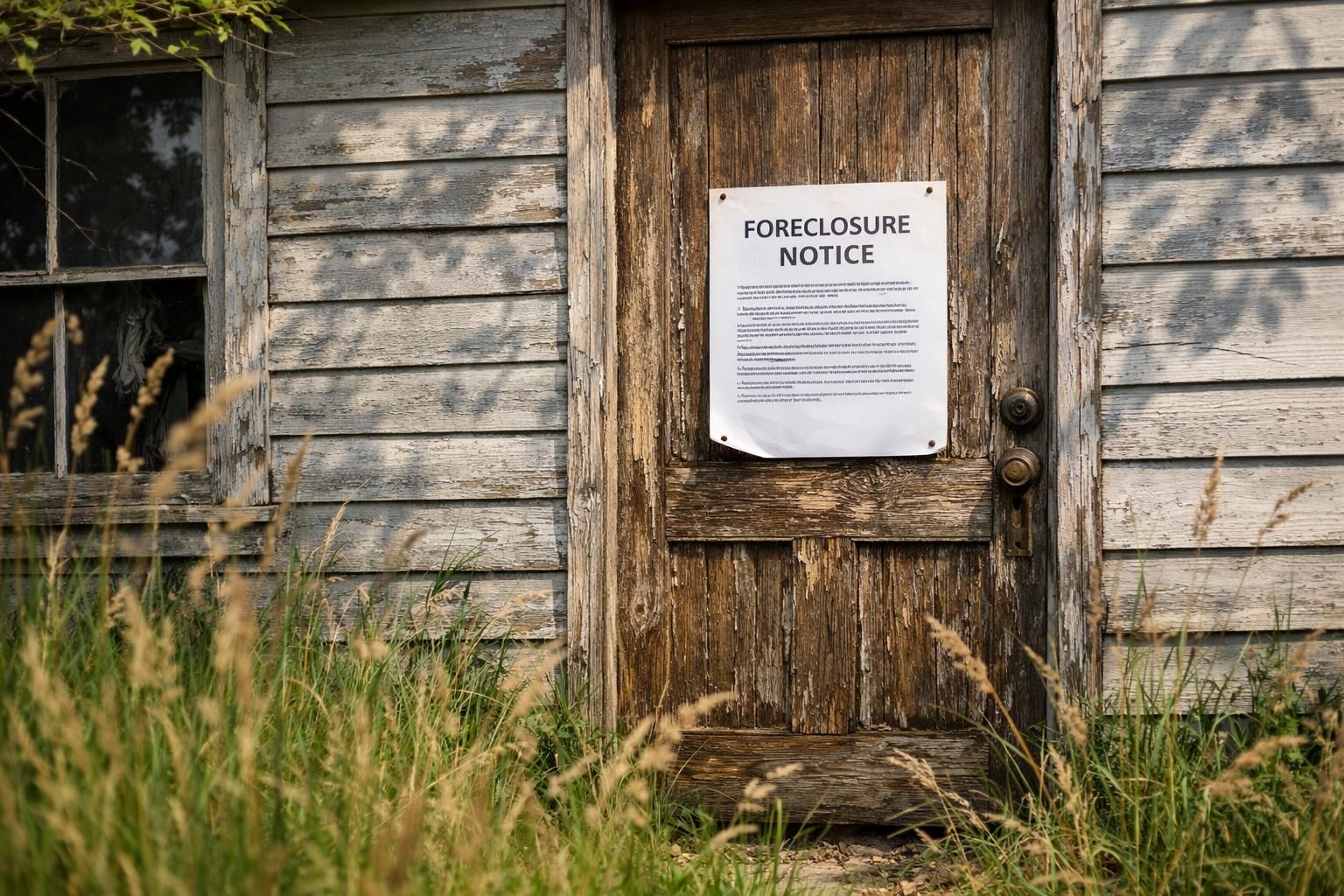
Florida law and federal rules give you meaningful protections during pre-foreclosure. Understanding them helps you work with your servicer, avoid mistakes, and protect your home.
Right to reinstate the loan.
Under Florida law, you have the right to reinstate your mortgage by paying all missed payments, accrued interest, late fees, and reasonable attorney's fees incurred by the lender up to the point of reinstatement. This right can be exercised at any time before the court enters a final judgment of foreclosure.
If you are three to four months behind, arrears often total $10,000–$30,000. Your lender's demand letter will state the exact reinstatement amount and deadline. Contacting your servicer early and working with a HUD-approved housing counselor helps you verify figures and meet deadlines.
Right to sell the property.
You retain the right to sell your home at any point before the foreclosure sale is completed. Many Florida homeowners pursue a pre-foreclosure sale to limit credit damage and preserve some equity. You can list the property or seek cash offers while you still own it.
If you owe more than the home is worth—common in some Jacksonville or Orlando neighborhoods after market shifts—a short sale may be an option, but your lender must approve it. 3 Sale proceeds can cover missed payments and legal fees, halting the court proceeding entirely. Always review loan documents and consult a HUD-approved counselor to protect against predatory buyers or equity-stripping schemes.
Florida's redemption rights.
Florida does not provide a post-sale statutory redemption period for most residential mortgages, which makes acting before the clerk's sale even more critical. Once the foreclosure sale is completed and the certificate of title is issued, your right to reclaim the property is generally gone. This is a key reason why early action during the pre-foreclosure stage matters so much in Florida compared to states that allow post-sale redemption.
Protections under the Servicemembers Civil Relief Act (SCRA).
Active-duty service members receive strong protections under the SCRA. Lenders must cap mortgage interest at 6 percent for pre-service debts, and they cannot foreclose on those debts without a court order during active duty and for up to nine months after. 5 Florida has a large active-duty population at installations such as MacDill Air Force Base and NAS Jacksonville; local legal assistance offices on base can help service members assert these rights at no cost.
Immediate Action Steps
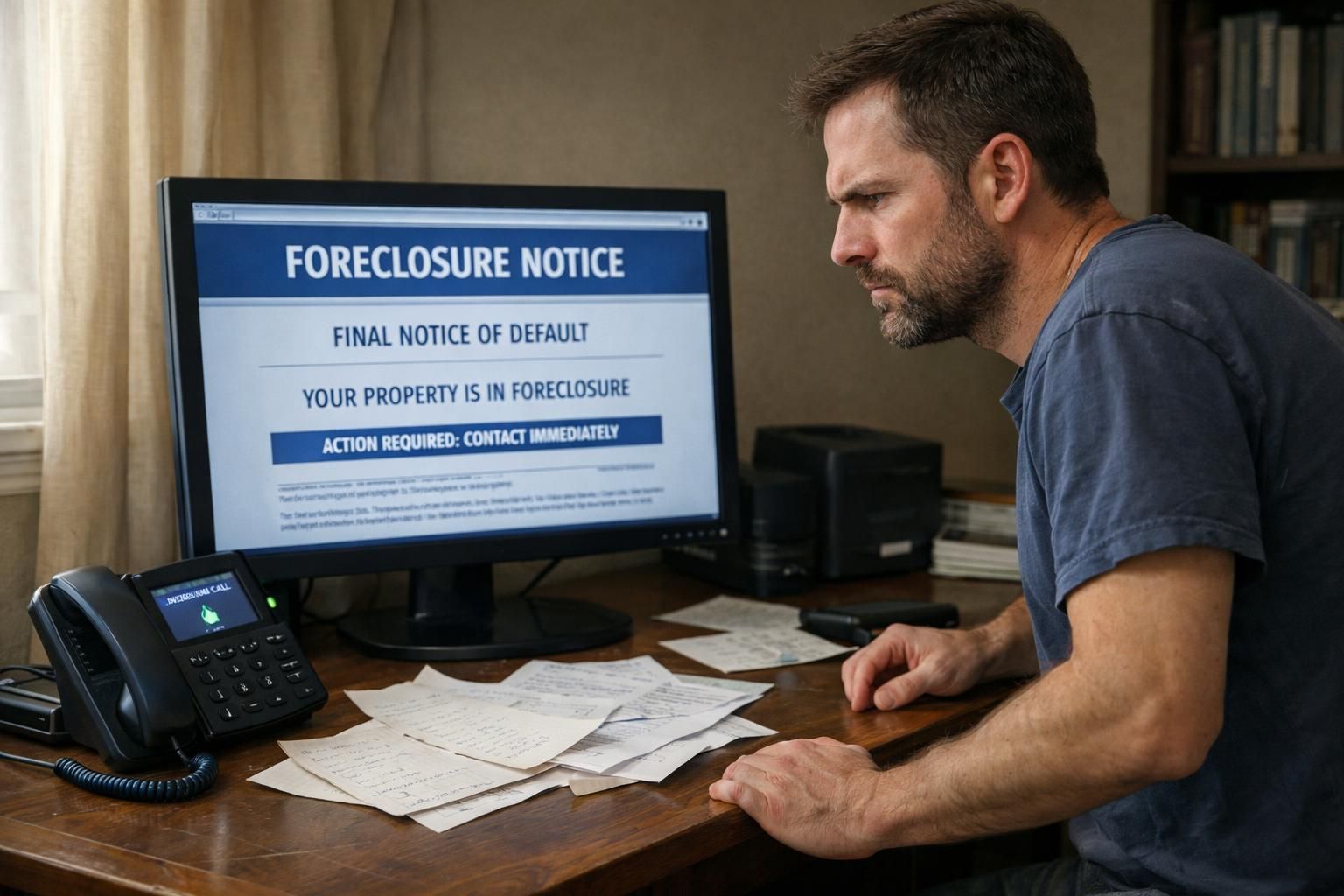
Open all mail and respond to court filings promptly.
Open every letter from your servicer, the circuit court clerk, or any government agency immediately. In Florida, you have only 20 days to respond to a foreclosure summons before a default judgment can be entered against you. Missing that window can accelerate the entire timeline significantly. Record every deadline on a calendar and treat court papers with the same urgency as certified mail from your lender.
Contact the lender to discuss loss mitigation options.
Reach out to your mortgage servicer as soon as you miss—or anticipate missing—a payment. Describe your financial hardship honestly: job loss, medical bills, or another documented setback. Ask about loan modification, forbearance, repayment plans, or short sale options. FHA borrowers can call the National Servicing Center at (877) 622-8525 or the FHA Outreach Center at 800-CALL-FHA. VA loan holders should visit the VA Foreclosure Alternatives page. Keep written records of every conversation.
Review your budget honestly and explore all options before deadlines.
List every source of income and every expense. If you are using credit cards for groceries or seeing balances grow each month, the hardship may be deeper than you think. Cut discretionary spending immediately and consider temporary work to cover arrears before legal notices escalate.
Call a HUD-approved housing counselor at (800) 569-4287 or the Homeowners Hope Hotline at (888) 995-HOPE. These services are free and can guide you through forbearance, loan modification, or a pre-foreclosure sale before Florida court deadlines close your options. 3
Pre-Foreclosure Options in Florida

Loan modification.
A loan modification changes the original terms of your mortgage—your servicer may lower the interest rate, extend the repayment period, or roll missed payments into a new balance. FHA-HAMP programs are available for FHA-insured loans and can meaningfully reduce monthly costs. Apply as early as possible with income documents and a hardship letter; approval takes time and Florida's court process will continue until an agreement is finalized.
Forbearance: Temporary relief and its effects.
Forbearance pauses or reduces your monthly payment for a set period—typically three to six months. 7 Missed payments are not erased; they must be repaid through a lump sum, repayment plan, or loan modification once the forbearance ends. Request forbearance directly from your servicer and get all terms in writing. A HUD counselor can help you understand what repayment will look like before you commit.
Repayment plans.
If your income has stabilized, a repayment plan lets you catch up by adding an extra amount to your regular monthly payment over three to twelve months. Your servicer must approve the plan. Get all terms in writing and review them carefully, as fees and interest continue to accrue during the repayment period.
Short sale: Selling for less than owed.
A short sale lets you sell the home for less than the outstanding mortgage balance, with lender approval. The process takes three to six months. In Florida, lenders may pursue a deficiency judgment for the remaining balance unless they expressly waive it in the closing agreement—get that waiver in writing. A short sale typically reduces your credit score by 50 to 150 points, far less than a completed foreclosure. Always work with a real estate professional experienced in Florida short sales and review the terms with a HUD-approved counselor.
Deed-in-lieu of foreclosure.
A deed-in-lieu lets you transfer ownership of your home directly to the lender to avoid court proceedings. 8 Some lenders offer "cash-for-keys" or relocation assistance. Make sure any agreement expressly releases you from deficiency liability, especially if there are junior liens on the property—Florida lenders may decline a deed-in-lieu if title is complicated. Consult a tax professional as well; debt forgiveness can have income tax implications under federal and Florida rules.
Bankruptcy (Chapter 13): Stopping foreclosure and restructuring debt.
Filing Chapter 13 in a Florida federal bankruptcy court triggers an automatic stay that immediately halts the foreclosure proceeding—including any pending circuit court case. 9 A court-supervised repayment plan gives you three to five years to catch up on missed payments while keeping your home. Legal fees typically range from $1,500 to $3,500, payable through the plan. Chapter 13 is a serious step; consult a Florida bankruptcy attorney to determine whether it fits your situation.
Selling traditionally or selling for cash.
A traditional sale can work during pre-foreclosure, but conventional buyers typically need 30 to 45 days to close—which may conflict with court deadlines. Cash buyers can often close in 7 to 14 days, allowing you to pay off outstanding mortgage arrears, legal fees, and other costs before the clerk's sale date. Selling quickly may protect your credit score from further damage and preserve remaining equity. Cash buyers generally purchase homes as-is, eliminating the need for costly repairs.
Red Flags and Scams to Avoid
Foreclosure rescue scams and equity stripping.
Foreclosure rescue scams are widespread in Florida. Scammers promise loan modifications or foreclosure stops in exchange for upfront fees of $2,000–$5,000, sometimes demanding "forensic audits" or telling you to stop communicating with your servicer. 10 Equity stripping schemes involve signing over your deed with a promise to rent back and later repurchase; the scammer collects your rent but never pays the lender, leaving you facing eviction with no equity.
Florida law prohibits charging upfront fees for mortgage modification services. Report suspected scams to the Florida Attorney General's office, the CFPB, or the Federal Trade Commission immediately. Only use HUD-approved counselors and verify any agency on the HUD website before sharing loan documents or financial information.
Lease-back schemes that could leave you homeless.
Lease-back scams require you to sign over your deed and pay rent with a promise to buy your home back later. 11 The buyer often fails to pay the mortgage, and you end up evicted with no property and no equity. Never transfer ownership without independent legal review from a Florida-licensed real estate attorney. Florida's Homeowner Equity Protection statutes provide some remedies, but prevention is far easier than recovery.
How to verify legitimate help.
Only work with HUD-approved housing counselors, the Florida Attorney General's office, or licensed Florida attorneys for mortgage relief advice. Legitimate help is free or clearly priced upfront. Never pay advance fees to a third party, never make mortgage payments to anyone other than your servicer, and never sign documents under pressure. The CFPB maintains a list of approved agencies at consumerfinance.gov.
Making the Right Decision
Evaluate whether you can realistically afford the home long-term.
Compare your monthly income honestly against all expenses—mortgage, utilities, food, healthcare, and debt payments. If you are using credit cards for basics or your debt is growing each month, that signals a deeper problem. A HUD-approved housing counselor can help you determine whether keeping the home is financially realistic or whether a short sale or cash sale is the more stable path forward.
Temporary setback vs. permanent financial change.
A temporary hardship—brief job loss, a medical issue—may be resolved through forbearance or a repayment plan. A permanent change in income, such as disability or divorce, may call for loan modification or a sale. Florida's judicial foreclosure timeline gives you more room than most states to evaluate and act, but that window is not unlimited. Work with a counselor or attorney to match the solution to your actual situation, not just the most hopeful one.
Conclusion
Florida's judicial foreclosure process gives homeowners more time than most states, but that time only helps if you use it. Act as soon as you miss—or anticipate missing—a payment. Contact your servicer, open every piece of mail and every court document, and reach out to a HUD-approved housing counselor for free guidance.
If a traditional sale is not feasible within your timeline, a cash buyer may be your fastest path to resolving the situation, protecting your credit, and preserving remaining equity before the circuit court schedules a clerk's sale.
If you are a Florida homeowner facing pre-foreclosure and need to explore your options quickly, KDS Homebuyers can help. Visit kdshomebuyers.net to request a free, no-obligation cash offer and find out how fast you can close—on your timeline.
FAQs
1. What does pre-foreclosure mean for a Florida homeowner?
Pre-foreclosure in Florida begins when you miss mortgage payments and the lender files a Lis Pendens and foreclosure complaint with the circuit court. It is the stage before a final judgment and clerk's sale, during which you still have time to pursue loss mitigation or sell the property.
2. How does Florida's judicial foreclosure process affect my timeline?
Because every foreclosure in Florida must go through the circuit court, the process typically takes 12 to 18 months or longer from first missed payment to sale. This gives homeowners more time to explore options compared to non-judicial states, but deadlines within the court process—such as the 20-day window to respond to a summons—are strict.
3. Who can help if I face financial hardship in pre-foreclosure in Florida?
A HUD-approved housing counselor provides free guidance on loss mitigation, loan modification, and foreclosure prevention. Call (800) 569-4287 to find a counselor near you. Florida Legal Aid organizations can also provide low-cost or free legal representation in foreclosure cases.
4. Can a lender pursue a deficiency judgment after a short sale or foreclosure in Florida?
Yes. Florida allows deficiency judgments after both foreclosure sales and short sales unless the lender expressly waives the right in writing. Always negotiate a deficiency waiver as part of any short sale agreement and consult a Florida attorney before signing.
5. Are there foreclosure scams I should watch out for in Florida?
Yes. Florida law prohibits charging upfront fees for mortgage modification services, but scams remain common. Report suspected fraud to the Florida Attorney General's office or the CFPB. Only use HUD-approved counselors and never sign your deed over to anyone without independent legal advice.
6. Will pre-foreclosure affect my credit score long-term?
Missing payments begins lowering your credit score quickly. A completed foreclosure can reduce it by 200 to 400 points and remains on your report for seven years. Acting early—through a short sale, loan modification, or cash sale—limits the damage significantly.
References
- ^ https://www.federalreserve.gov/pubs/feds/2010/201059/index.html
- ^ https://www.rocketmortgage.com/learn/preforeclosure
- ^ https://www.investopedia.com/terms/p/pre-foreclosure.asp
- ^ https://www.scirp.org/journal/paperinformation?paperid=57191
- ^ https://www.militaryonesource.mil/financial-legal/legal/servicemembers-civil-relief-act/
- ^ https://marshackhays.com/blog/what-is-pre-foreclosure-and-how-does-it-work/
- ^ https://www.nar.realtor/magazine/real-estate-news/economy/mortgage-forbearance
- ^ https://www.consumerfinance.gov/ask-cfpb/what-is-a-deed-in-lieu-of-foreclosure-en-291/
- ^ https://www.wslaw.com/blog/2025/april/chapter-13-as-a-foreclosure-defense-restructuring-your-debt-to-save-your-home/
- ^ https://legalaidnyc.org/get-help/housing-problems/what-you-need-to-know-about-foreclosure-rescue-scams/
- ^ https://darrellcastle.com/blog/posts/avoid-a-foreclosure-scam-stop-foreclosure/
- ^ https://www.researchgate.net/publication/398615677_Loan_approval_prediction_using_decision_tree_techniques
