

Open House Tips for Sellers: How to Prepare and What to Expect in California
Getting your home ready for sale in California can feel overwhelming, especially in fast-moving markets like Los Angeles or San Diego. An open house gives you a chance to attract buyers who may skip private showings. 1 This guide shares clear open house tips for California sellers, covering preparation, what to expect, and how to work effectively with your agent. 3
Key Takeaways
- Open houses work best for move-in ready homes in active California markets. Most events attract 5–20 visitors, but only about 6% of buyers find their home this way (NAR data).
- Deep clean, declutter, and stage your home at least 1–2 weeks before. Secure valuables and personal items as recommended by your California-licensed real estate agent.
- On event day, open blinds for natural light, turn on all lights, use fresh scents, set the temperature between 68–72°F, and leave with family and pets.
- California's Transfer Disclosure Statement (TDS) requires sellers to disclose known material defects — complete this before your open house.
- Homes needing major repairs or involved in California probate proceedings gain little from open houses; private tours or targeted marketing are better alternatives.
Deciding if an Open House is Right for You

Your California real estate agent can review local market data and MLS activity to help you decide whether an open house makes sense for your property and neighborhood.
Pros: Increased exposure, competitive atmosphere, convenience for buyers
Open houses attract more buyers both in person and online. California agents promote events on realtor.com, the California Regional MLS (CRMLS), social media, and through professional photography. In high-demand markets like the San Francisco Bay Area or Los Angeles, a well-timed open house creates a competitive atmosphere that can drive multiple offers within days. 1
Buyers can visit at their leisure without booking appointments, making open houses especially convenient for busy professionals in urban California markets. Seeing other interested visitors often motivates serious buyers to act quickly with stronger offers. 2
Cons: Security concerns, time investment, low turnout risks
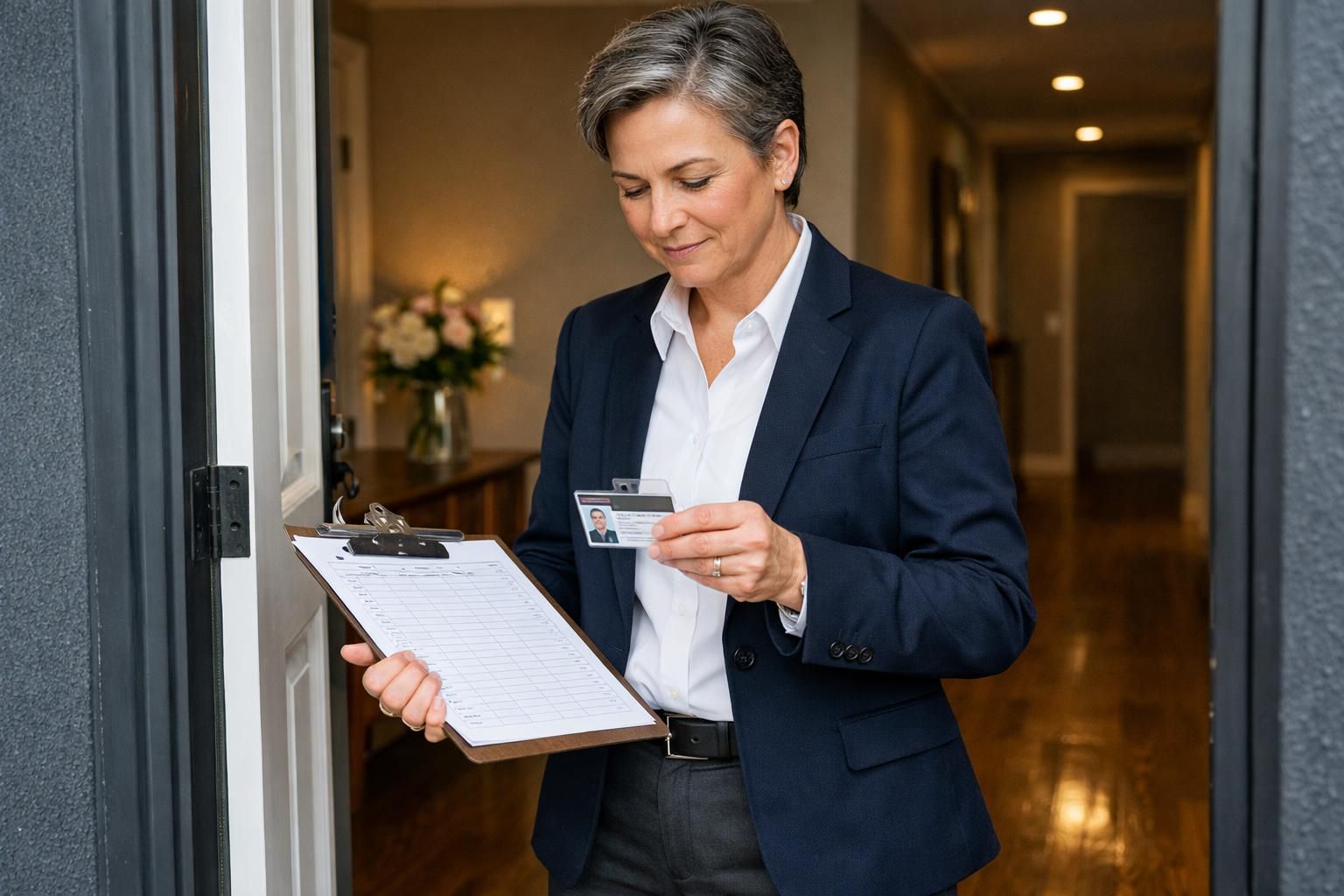
Security is a real concern. Remove or lock up valuables, prescription medications, and personal documents before buyers tour your home. California real estate agents recommend sign-in sheets and ID checks for every visitor.
Hosting requires significant time: deep cleaning, staging, and vacating with pets on event day takes real effort. Even after thorough preparation, turnout is unpredictable — most open houses see 5–20 visitors, and only about 6% of buyers find their home this way according to NAR. Poor marketing across the MLS and social media will further limit foot traffic.
Best for move-in ready homes in active markets
California's most competitive markets — from Sacramento's growing suburbs to coastal San Diego neighborhoods — reward move-in ready homes. Buyers in these markets want quick closings and are drawn to staged, well-photographed properties listed on the CRMLS. 3
Active California markets create urgency, often producing multiple offers within days. Homes needing over $15,000 in repairs, or those tied up in California probate court, see far fewer benefits from an open house strategy.
Back to topPre-Open House Preparation Timeline

Careful planning helps your home make a strong first impression. Simple steps like deep cleaning, staging, and boosting curb appeal raise interest when your listing appears on California MLS platforms and real estate websites.
1–2 weeks before: Deep clean, declutter, depersonalize, complete minor repairs
Preparing early helps your California property stand out in a crowded market. Focus on these key steps:
- Deep clean every room including baseboards, appliances, and windows to create a fresh atmosphere.
- Remove clutter from counters, closets, and storage areas so buyers can visualize the space — this also helps with professional photography used in MLS listings.
- Depersonalize each room by taking down family photos and removing personal documents.
- Use neutral paint colors to appeal to the widest range of California buyers.
- Fix minor issues like leaky faucets, chipped paint, or loose handles to show the home is well-maintained.
- Complete your California Transfer Disclosure Statement (TDS) and any required Natural Hazard Disclosure (NHD) report — California law requires these disclosures before or during the selling process.
- Secure medications and valuables as recommended by your agent.
- Notify neighbors about your upcoming open house and place clear directional signage nearby.
- Prepare printed information sheets highlighting property features, recent upgrades, and HOA details if applicable.
3 days before: Stage the home, enhance curb appeal, remove personal items and valuables
- Stage key living areas to highlight your home's best features — hardwood floors, vaulted ceilings, or outdoor living spaces popular in California homes. 4
- Arrange furniture to create natural flow and help buyers imagine living in the space.
- Add fresh flowers and tasteful décor to main rooms.
- Remove all personal items: family photos, mail, calendars, and children's artwork.
- Secure valuables including jewelry, electronics, prescription drugs, spare keys, and important documents.
- Improve curb appeal by mowing the lawn, trimming hedges, power-washing walkways, and adding fresh plantings — California's year-round mild climate makes outdoor presentation especially important.
- Move vehicles so visitors have ample street or driveway parking during the event.
Morning-of: Open blinds, turn on lights, ensure pleasant scents, set comfortable temperature
- Open all blinds and curtains to maximize natural light — California sunshine is a genuine selling point.
- Turn on every light, including lamps and overhead fixtures, to make rooms appear larger and more inviting.
- Use a subtle air freshener or briefly open windows to clear cooking or pet odors.
- Set the thermostat between 68 and 72 degrees Fahrenheit to keep buyers comfortable.
- Ensure all rooms and closets are accessible so buyers can fully evaluate storage space.
- Place clean towels in bathrooms and a fresh doormat at the entry for a polished finish.
Day-of Open House Checklist


On open house day, small touches go a long way toward helping California buyers picture themselves in your home.
Fresh flowers, background music, and information sheets
- Place fresh flowers in the kitchen, living room, and entryway. Bright blooms add color and natural scent that show well in photos on CRMLS and realtor.com.
- Play soft instrumental music at low volume to create a relaxed, welcoming atmosphere.
- Provide printed information sheets with square footage, recent upgrades, HOA fees, and asking price. Include California-specific details like property tax base (relevant under Proposition 13) and any solar panel lease or ownership information.
- Offer bottled water or light refreshments to encourage visitors to linger.
- Post open house signs throughout the neighborhood to capture drive-by traffic and guide visitors to your door.
Leave the home and take pets with you
Your California-licensed real estate agent will handle all buyer interactions during the open house. You, your family, and all pets must vacate the property. Buyers need to feel comfortable exploring every room without the seller present.
Take pets with you — do not leave animals in garages or closed rooms. Visit a local park, hiking trail, or a friend's home during the showing. 5 Removing everyone from the home improves first impressions and helps serious buyers focus on your property.
Back to topSafety and Security Measures
Secure valuables, medications, and personal documents
- Lock away jewelry, electronics, and small valuables in a secure cabinet or remove them from the property entirely.
- Store prescription medications out of bathrooms and bedrooms — your agent will recommend this as a standard precaution.
- Take important documents — passports, Social Security cards, tax records, and financial files — with you or place them in a locked safe.
- Remove checkbooks, spare keys, and sensitive financial records from plain view.
- Keep doors to rooms containing high-value items locked throughout the event.
- If you install temporary security cameras in entry areas, inform your agent — California privacy law requires that visitors be notified of recording in certain circumstances.
- Review your homeowner's insurance policy before the event to understand coverage during agent-hosted showings.
Work with reputable agents using sign-in sheets and verified visitor information
Choose a California Department of Real Estate (DRE) licensed agent who follows best practices for buyer screening. Require all visitors to sign in with their name, contact information, and pre-approval status. Digital sign-in sheets keep data organized and include a consent line for California Consumer Privacy Act (CCPA) compliance. 6
Sellers who want to ensure they're working with a thoroughly screened professional — and who'd like access to flexible options like renovation funding, a leaseback arrangement, or a cash-purchase backup — can start with a vetted local agent through KDS Homebuyers, whose network comes with those seller programs built in from the first conversation.
Good agents verify visitor identities before granting access and set up multiple check-in stations for high-traffic events. California agents must also follow Fair Housing laws — they cannot discuss school quality or neighborhood demographics with attendees.
Back to topWhat to Expect During and After

Typical duration, attendance, and feedback timeline
California open houses typically run 1 to 3 hours on weekend afternoons. Spring — particularly March through June — sees the highest buyer activity statewide. Expect between 5 and 20 visitors at a typical event, though well-located properties in Los Angeles or the Bay Area may draw more.
Your agent collects names via sign-in sheet and follows up with each visitor for feedback within a day or two, sharing a summary of buyer reactions to pricing, staging, and condition.
Agent-provided summary of visitor feedback and buyer interest
After your open house, your agent provides a report covering buyer impressions of price, layout, repairs, and curb appeal. 3 If multiple visitors flag the same concern — such as deferred maintenance or a price above current Sacramento or San Diego comps — your agent will recommend adjustments. This feedback guides pricing decisions and any additional marketing across CRMLS, realtor.com, and social media platforms. Agents also prepare California Association of Realtors (CAR) transaction forms if a buyer submits an offer. 7
Back to topSpecial Considerations for Selling a Hoarder House
Understanding the challenges and preparation required
Sorting out a hoarder house in California requires more than basic cleaning. Professional cleanup services typically charge $1,000 to $3,000 or more depending on the scope. Use gloves, dust masks, and goggles to protect yourself from mold or pests during the process.
California's robust seller disclosure requirements — including the TDS and any known material defect disclosures — apply fully to hoarder homes. A California-licensed agent experienced with distressed properties can guide you through required disclosures, decluttering priorities, and MLS listing strategy.
Cleaning and staging strategies for hoarder houses
- Set realistic goals with your agent, identifying what must be addressed before professional photography and showings.
- Deep clean every room, closet, and storage area, removing trash, food waste, and broken furniture.
- Rent a dumpster or schedule multiple pickups with your local California waste management provider.
- Donate usable items to local organizations such as Goodwill or Habitat for Humanity ReStores operating throughout California. 8
- Secure personal documents, valuables, and medications in a safe location outside the home.
- Hire professional cleaning services to sanitize floors, surfaces, and bathrooms before listing.
- Complete basic repairs — patching walls, fixing leaky faucets — before listing on CRMLS or realtor.com.
- Work with a staging company to arrange furniture, maximize natural light, and use neutral décor so buyers can picture themselves in the space.
- Use high-quality photography after cleaning and staging to attract buyers on social media and real estate websites. 9
When Open Houses Don't Work
Homes needing major repairs or in probate or foreclosure
Open houses rarely help California homes needing repairs over $15,000 or properties caught in probate or foreclosure. California probate sales involve court oversight through the Superior Court in the county where the property is located — a process that limits pricing flexibility and extends timelines. Buyers seeking move-in ready homes typically skip these listings. 10
California's strict disclosure laws require sellers to reveal known material defects upfront. MLS listings for distressed properties should clearly describe condition to attract investors rather than traditional buyers. If you need to sell quickly due to probate deadlines or foreclosure risk, targeted marketing is more effective than a traditional open house. 11
Tight timelines or difficulty vacating the property
If you need to sell fast due to a job relocation, divorce, or foreclosure notice in California, private showings for qualified buyers work better than public open house events. Cash buyers do not require an open house and can often make offers before your listing reaches major real estate websites. 12
If mobility or health makes frequent exits difficult, 3D walkthroughs and virtual tours are effective alternatives — use of these digital tools grew dramatically after 2020 and is now common in California real estate marketing. Professional photography captures strong first impressions while eliminating the stress of repeated showings. Let your agent guide you toward the marketing approach that fits your specific situation.
Back to topConclusion
A well-planned open house can expand your buyer pool and accelerate your sale in California's competitive real estate market. Focus on deep cleaning, strong curb appeal, completing required California disclosures, and removing personal items for the best first impressions. Stay open to buyer feedback after the event and use it to refine your pricing or marketing strategy.
If your home needs major repairs, is involved in California probate proceedings, or your timeline is tight, an open house may not be the right fit. In those cases, working with a cash buyer is often a faster and simpler path to closing.
If you'd rather skip the open houses, repairs, and uncertainty altogether, KDS Homebuyers buys homes directly from California homeowners for cash — as-is, on your timeline. Visit kdshomebuyers.net to request your free, no-obligation cash offer today.
Back to topFAQs
1. How can I boost curb appeal before my California open house?
California's mild climate means year-round outdoor presentation matters. Trim landscaping, power-wash walkways, and add seasonal plantings near the entryway. A tidy exterior creates strong first impressions and encourages buyers who found your listing on the CRMLS or realtor.com to come inside.
2. What disclosures do California sellers need to provide?
California requires a Transfer Disclosure Statement (TDS), a Natural Hazard Disclosure (NHD) report, and any additional local disclosures. Complete these before your open house so buyers have accurate information and your legal obligations are met upfront.
3. Should I use a California-licensed real estate agent for my open house?
Yes. A California Department of Real Estate (DRE) licensed agent understands local market trends, manages sign-in sheets and visitor screening, and lists your home on the CRMLS. They also prepare California Association of Realtors (CAR) transaction forms when offers come in.
4. What should I expect from a California open house event?
Expect weekend afternoon foot traffic from buyers who found your listing online or through their agents. Spring is the most active season statewide. Afterward, your agent provides feedback on price and condition that helps guide your next steps in the selling process.
5. When is an open house not the right choice in California?
Homes in California probate, facing foreclosure, or needing significant repairs often attract few traditional buyers at open houses. In these cases, private showings, targeted marketing, or working directly with a cash buyer typically produces better and faster results.
References
- ^ https://www.thechadwilsongroup.com/blog/pros-and-cons-of-open-house/ (2021-02-21)
- ^ https://www.jasonhartman.com/an-open-house-and-its-pros-cons/
- ^ https://www.opendoor.com/articles/open-house-tips-for-first-time-buyers
- ^ https://www.ucsouthernlifestyle.com/articles/sellers/how-to-prepare-your-home-for-an-open-house (2025-02-14)
- ^ https://blog.coldwellbanker.com/expert-advice-on-hosting-an-open-house-with-dogs/
- ^ https://www.tomferry.com/blog/open-house-sign-in-sheet-tips/
- ^ https://www.manifest.ly/use-cases/realtors/open-house-preparation-checklist
- ^ https://mosshomesolutions.com/blog/how-to-sell-a-hoarder-house
- ^ https://www.junk-360.com/junk360s-tips-for-selling-a-hoarders-house/
- ^ https://www.propertymax.com/blog/selling-a-house-with-needed-repairs-in-oregon/
- ^ https://midwestfarmco.com/preparing-for-open-houses-dos-and-donts-for-sellers/ (2024-04-17)
- ^ https://www.realtor.com/advice/sell/skip-open-house-sell-faster/ (2025-07-18)
