

Judicial vs. Non-Judicial Foreclosure: What's the Difference in Colorado

If you are worried about losing your home in Colorado, you are not alone. Colorado is a non-judicial foreclosure state, meaning lenders can foreclose without going through the court system in most cases. 3 Understanding whether your situation involves a judicial or non-judicial process can help you protect your rights and act before critical deadlines pass. 1
Key Takeaways
- Colorado primarily uses non-judicial foreclosure through a public trustee system. Most residential foreclosures in Denver, Aurora, Colorado Springs, and across the state follow this process.
- Colorado's non-judicial foreclosure is handled by the county public trustee — not a private trustee — which makes it somewhat unique. The process typically runs 110 to 125 days from the first filing to the sale.
- Judicial foreclosure is available in Colorado but rarely used; it typically applies when the deed of trust lacks a power-of-sale clause or when the lender chooses the court route.
- Colorado has an "election and demand" process: after the notice of election and demand (NED) is filed, homeowners have specific windows to cure the default, request mediation, or explore loss mitigation.
- Federal law still requires lenders to wait at least 120 days after a missed payment before starting foreclosure. Acting early gives you the most options.
What Is Judicial Foreclosure?
Judicial foreclosure uses the state court system to resolve mortgage default. In Colorado, this method is rarely used but remains an option for certain types of loans or when the deed of trust does not include a power-of-sale clause.
Court involvement and lender lawsuit filing
When a lender pursues judicial foreclosure in Colorado, they file a lawsuit in the district court of the county where the property is located. You receive a formal summons and complaint, typically giving you 21 days to respond. If you do not answer in time, the court can enter a default judgment against you.
Colorado district courts handle all aspects of the case, including any disputes about the mortgage debt or loan terms. This court-supervised route adds significant time compared to Colorado's standard public trustee process, and it is generally reserved for situations where the non-judicial path is unavailable or contested.
Judgment and sale approval process
If the court rules in the lender's favor, it enters a judgment of foreclosure and orders a public sale of the property. A notice of sale is issued, and the property is auctioned. In some cases, the court must confirm the sale before it becomes final. Deficiency judgments — where the lender seeks to collect remaining debt after the sale — are also possible through this court process if your home sells for less than you owe.
When judicial foreclosure applies in Colorado
Most Colorado homeowners will not face judicial foreclosure. However, it may apply if your loan does not contain a power-of-sale clause, if certain lien priority disputes exist, or if the lender specifically chooses the court route. HOA foreclosures in Colorado may also proceed judicially in some circumstances. If you receive court documents related to your mortgage, consult a Colorado real estate attorney immediately.
What Is Non-Judicial Foreclosure?

Non-judicial foreclosure is the standard process in Colorado. It does not require a court lawsuit. Instead, Colorado law assigns the foreclosure to a county public trustee, making Colorado's system distinct from most other non-judicial states that use private trustees.
Power-of-sale clause and Colorado's public trustee system
Nearly all Colorado residential deeds of trust include a power-of-sale clause. This clause authorizes the county public trustee to conduct a foreclosure sale without court involvement if you default. The lender or their attorney files a Notice of Election and Demand (NED) with the public trustee in the county where your property is located — for example, the Denver County Public Trustee for properties in Denver, or the El Paso County Public Trustee for Colorado Springs properties.
The public trustee then records the NED, which officially starts the foreclosure clock. Because a government official — the public trustee — manages the process, Colorado's non-judicial foreclosure has some built-in oversight not found in states that rely entirely on private trustees.
Colorado's foreclosure timeline and notice requirements
After the NED is filed and recorded, Colorado law sets a specific timeline before the property can be sold:
- 110–125 days minimum from NED filing to the foreclosure sale date in most cases.
- The public trustee publishes a notice of sale in a local newspaper for five consecutive weeks.
- You receive written notice of the sale date, your right to cure, and your right to request a loan modification review.
- Colorado requires lenders to provide a Combined Notice that informs you of the sale date, your cure deadline, and your right to mediation (if applicable under the Foreclosure Prevention Act).
Homeowners have a right to cure the default — paying all past-due amounts, fees, and costs — up to 15 days before the scheduled sale. Acting quickly after receiving any notice is critical because this window closes fast.
Colorado-specific mediation option
Colorado's Foreclosure Prevention Act gives eligible homeowners the right to request a mediation session with the lender. You must request mediation within a specific window after receiving the Combined Notice. Mediation gives you an opportunity to negotiate alternatives such as loan modification, repayment plans, or a short sale before the property goes to auction. Not all loans qualify, so check with the public trustee's office or a HUD-approved housing counselor early.
Key Differences Between Judicial and Non-Judicial Foreclosure in Colorado

Court involvement, timelines, redemption rights, deficiency judgments, and notification
In Colorado, judicial foreclosure involves the district court and can take considerably longer than the standard public trustee process — potentially a year or more if contested. The non-judicial public trustee process typically wraps up in 110 to 125 days from NED filing, assuming no legal challenges are filed by the homeowner.
Redemption rights: Colorado does not provide a post-sale redemption period for residential homeowners in most non-judicial foreclosures. Once the public trustee sale is confirmed, your right to reclaim the property is generally gone. This makes acting before the sale — not after — critical.
Deficiency judgments: After a Colorado public trustee sale, a lender may pursue a deficiency judgment in court if the sale price is less than what you owe. However, Colorado law limits deficiency amounts to the difference between the outstanding debt and the fair market value of the property at the time of sale — not simply the sale price — which can reduce what the lender can collect. 2
Notification: In the non-judicial process, you receive the Combined Notice from the public trustee, not a court summons. If you want to legally challenge the foreclosure, you must file a separate lawsuit in district court to seek an injunction — the burden is on you to act, not the lender.
Homeowner Rights in Colorado's Foreclosure Process
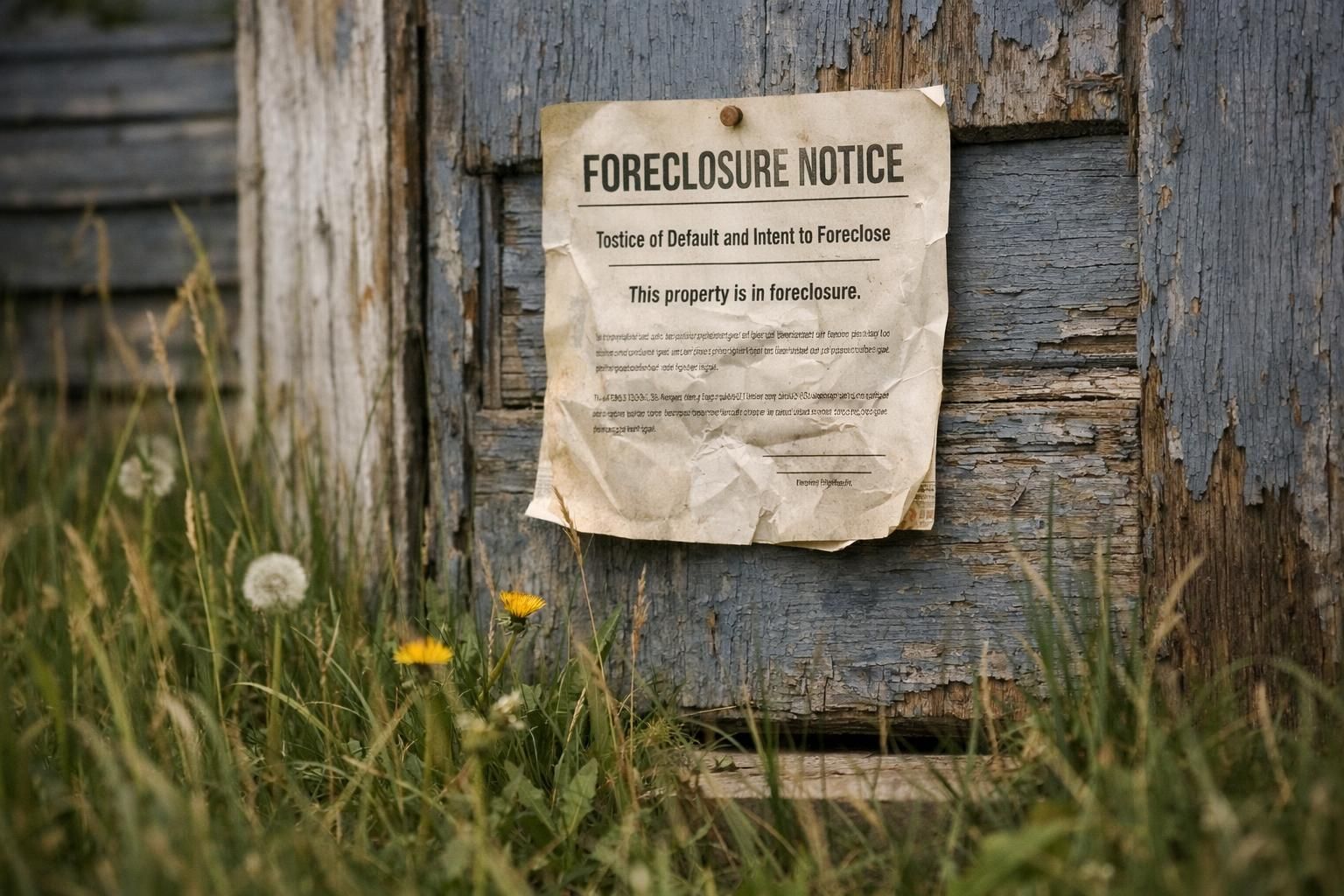
Colorado homeowners have meaningful rights, but the timelines are tight. Your mortgage servicer must send a breach letter giving you 30 days to cure the default before the NED can be filed. Federal law also requires servicers to wait at least 120 days after a missed payment before starting any foreclosure process.
Key rights and options for Colorado homeowners
- Right to cure: You can stop the foreclosure by paying all past-due amounts plus fees up to 15 days before the scheduled sale date.
- Right to mediation: Request mediation under Colorado's Foreclosure Prevention Act within the window specified in your Combined Notice.
- Right to loss mitigation review: Federal rules require your servicer to review any complete loss mitigation application submitted before the sale.
- Right to challenge the foreclosure: If you believe the lender made errors — such as improper notice or lack of legal standing — you can file a lawsuit in Colorado district court seeking an injunction to halt the sale.
- Right to notice: The public trustee must publish and mail proper notices. Errors in this process can be grounds to challenge the foreclosure.
Contact the public trustee's office in your county (Denver, El Paso, Arapahoe, Jefferson, etc.) early for specific deadlines. A HUD-approved housing counselor can also help you navigate your options at no cost.
Colorado Foreclosure Timeline: Month-by-Month
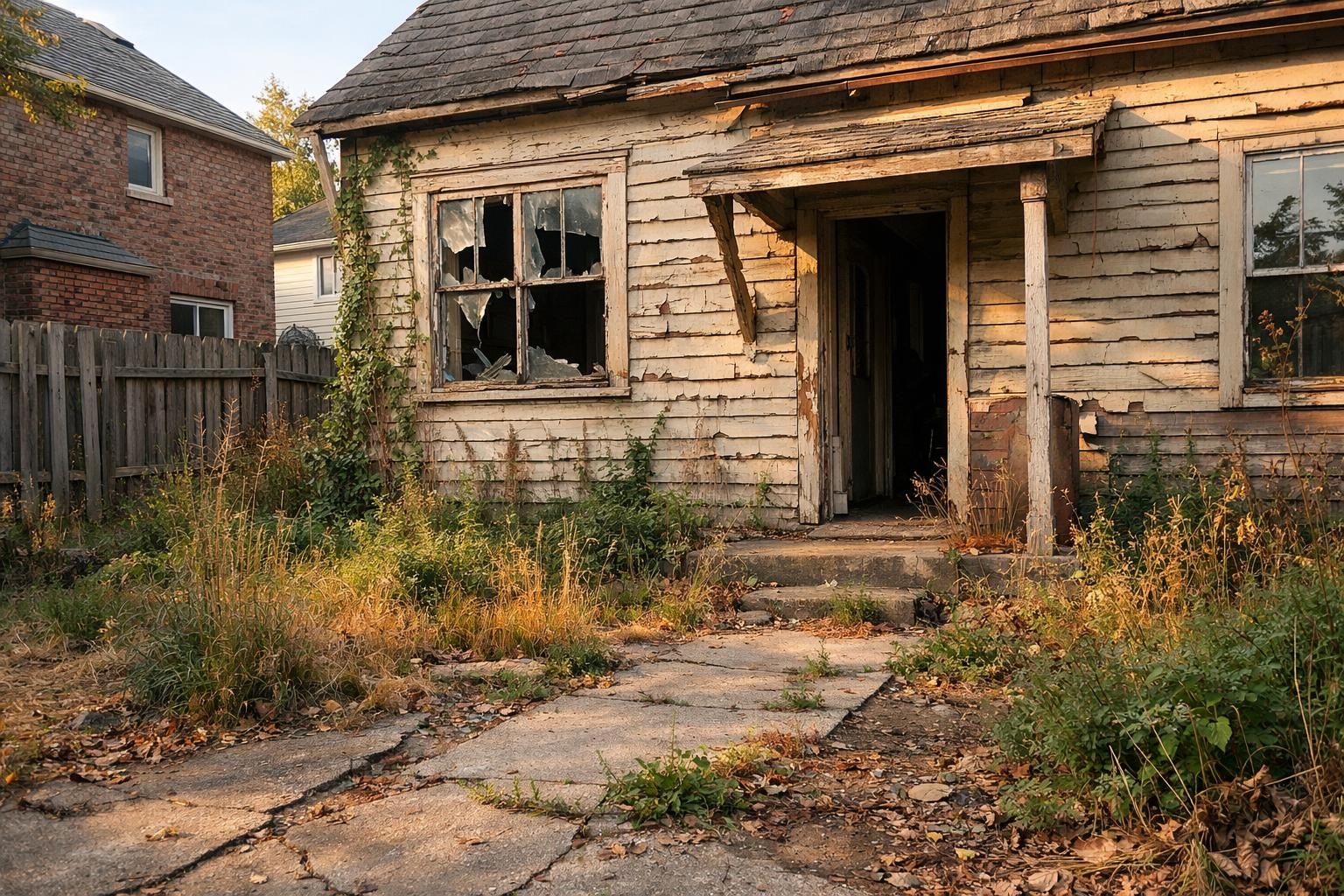
From first missed payment to sale in Colorado
- Month 1: You miss a payment. Your servicer begins calling and sending notices. A breach letter is typically sent around day 30, giving you 30 days to cure before foreclosure can begin.
- Month 2–4: Federal law prohibits the lender from filing the NED until you are at least 120 days delinquent. Use this time to contact your servicer about loss mitigation.
- Month 4–5: Lender files the Notice of Election and Demand (NED) with the county public trustee. The foreclosure clock officially starts. You receive the Combined Notice detailing the sale date and your rights.
- Month 5–8: The public trustee publishes the notice of sale for five consecutive weeks. You may request mediation and continue pursuing loan modification or other alternatives.
- Day 110–125 after NED: Public trustee sale occurs at auction. Bidders compete; if no one outbids the lender's credit bid, the lender takes the property.
- After the sale: The sale is confirmed. With no post-sale redemption period for most residential properties, your options effectively end here.
Compared to judicial foreclosure states like New York or Florida where the process can drag on for years, Colorado's public trustee process moves quickly. Homeowners must act within the first few months to have meaningful options.
What Colorado Homeowners Can Do Right Now
Steps to protect yourself and explore alternatives
- Verify your loan documents. Confirm whether your deed of trust includes a power-of-sale clause — most Colorado residential deeds do. This determines which process applies to you.
- Contact your mortgage servicer immediately. Request a loss mitigation review. Options may include loan modification, forbearance, repayment plans, short sale, or deed in lieu of foreclosure.
- Request mediation. If eligible under Colorado's Foreclosure Prevention Act, submit your mediation request promptly after receiving the Combined Notice.
- Consult a Colorado real estate attorney. If you believe the lender has made errors or you want to challenge the foreclosure, you must act quickly to file an injunction before the sale date.
- Reach out to your county public trustee. They can confirm the sale date, deadlines, and your cure amount. This is public information.
- Explore selling the property. If you have equity or want to avoid the credit damage of foreclosure, selling to a cash buyer before the sale date can give you a fresh start and put money in your pocket.
Foreclosure Avoidance Strategies
Use the 120-day federal window after your first missed payment to explore every option with your servicer. 4 In Colorado, the mediation process can create space for negotiations that might not otherwise happen. If you have defenses — such as errors in the NED, improper notice by the public trustee, or predatory lending — file your court challenge before the sale. Review potential deficiency judgment exposure under Colorado law and understand that the fair-market-value limitation may reduce what a lender can collect after your home sells. 5 Early action always gives you more choices.
Conclusion: Act Early, Know Your Rights in Colorado
Colorado's non-judicial foreclosure process moves faster than most people expect — often completing in under five months from the NED filing. Whether you face a public trustee sale in Denver or a rare judicial case in another Colorado district court, understanding the process and your rights is the first step toward protecting your home and your financial future. Speak with a Colorado real estate attorney or a HUD-approved housing counselor as soon as possible. Deadlines in Colorado foreclosure are strict, and waiting costs you options.
If you are facing foreclosure in Colorado and want to explore selling your home quickly for cash, KDS Homebuyers can help. We buy houses directly from Colorado homeowners in any condition, with no commissions or lengthy bank approvals — sales can close in as little as two weeks, giving you a fresh start before the public trustee sale date. Visit kdshomebuyers.net today for a free, no-obligation cash offer and find out what your options are.
FAQs
1. Is Colorado a judicial or non-judicial foreclosure state?
Colorado is primarily a non-judicial foreclosure state. Most residential foreclosures are handled through the county public trustee process without going to court, using the power-of-sale clause in the deed of trust.
2. How long does foreclosure take in Colorado?
Colorado's public trustee (non-judicial) foreclosure typically takes 110 to 125 days from the filing of the Notice of Election and Demand (NED) to the sale. Combined with the federal 120-day waiting period after the first missed payment, the full process often runs six to eight months from the initial default.
3. Can I stop a Colorado foreclosure after the Notice of Election and Demand is filed?
Yes. You can cure the default by paying all past-due amounts and fees up to 15 days before the sale. You may also request mediation, pursue loan modification with your servicer, or file a court challenge if you have legal defenses.
4. Does Colorado have a redemption period after the foreclosure sale?
In most residential non-judicial foreclosures in Colorado, there is no post-sale redemption period. Once the public trustee sale is confirmed, your right to reclaim the property is generally gone. Acting before the sale is essential.
5. Can a lender get a deficiency judgment in Colorado after foreclosure?
Yes, but Colorado law limits deficiency judgments to the difference between the outstanding debt and the fair market value of the property at the time of sale — not just the auction price. This can significantly reduce the amount a lender can pursue after the sale.
6. What is the role of the county public trustee in Colorado foreclosure?
The public trustee is a county government official who manages the non-judicial foreclosure process in Colorado. They record the NED, publish and mail notices, conduct the auction, and issue the public trustee's deed to the buyer. Each Colorado county has its own public trustee office.
References
- ^ https://www.auction.com/blog/judicial-vs-non-judicial-foreclosures/ (2024-11-21)
- ^ https://www.nolo.com/legal-encyclopedia/the-difference-between-a-judicial-and-nonjudicial-foreclosure.html
- ^ https://www.justia.com/foreclosure/judicial-vs-non-judicial-foreclosure/ (2025-10-18)
- ^ https://scholarship.law.nd.edu/cgi/viewcontent.cgi?article=2219&context=law_faculty_scholarship
- ^ https://scholarlycommons.law.emory.edu/cgi/viewcontent.cgi?article=1116&context=elj
