

Inherited a House in Another State? How to Sell It From Afar in Washington
Inheriting property in another state can feel overwhelming, especially if you live far away. Estate planning and probate laws differ by location, making the process more complex for out-of-state heirs. 1 This guide covers clear steps to sell Washington real estate from a distance and avoid common pitfalls in the probate process. Learn what actions to take next and how to make smart choices during this challenging time. 2
Key Takeaways
- Secure the property right away by changing locks and getting vacant home insurance, since standard policies may not cover a house after 30–60 days of vacancy. Keep utilities active to avoid damage; monthly costs can reach $1,500–$3,000 while waiting to sell.
- Washington probate typically takes 6–12 months. If the inherited property sits in Washington but you live elsewhere, you may need to open an ancillary probate case in a Washington Superior Court. Work with a Washington-licensed probate attorney for all local filings.
- Federal law provides a stepped-up basis: your new cost for tax purposes equals the fair market value on the date of death. Washington has no state income tax, but it does impose an estate tax on estates exceeding $2.193 million (2024 threshold). Check both federal and Washington estate tax rules before selling.
- Selling from afar is easier now using Remote Online Notarization (RON), which Washington authorizes, along with digital signatures and power of attorney. Cash buyers can close in 7–14 days and typically offer 70%–85% of After Repair Value (ARV).
- Heir disputes are common in about 40% of inheritance cases. Washington law allows any co-owner to file a partition action in Superior Court if heirs cannot agree. Get legal help early to avoid costly delays in paperwork and ownership transfer.
Immediate Steps After Inheriting Property

You may feel overwhelmed when you inherit real property far from home. Clear steps now can help protect your interests and the estate's value as Washington probate administration begins.
Secure the property and change locks
Take control of the inherited Washington property quickly. Contact a property preservation company if you are out of state — they can secure vacant homes for $150 to $400 per month. Changing the locks prevents unauthorized entry and protects against squatters, a real concern in markets like Seattle and Tacoma where housing demand attracts opportunistic trespassers.
Standard homeowners insurance may not protect a vacant home beyond 30 to 60 days. Arrange specialized vacant property insurance right away to reduce risks while waiting on Washington Superior Court probate proceedings and any ancillary filings.
Notify utilities and insurance companies
Contact each utility company soon after inheriting the Washington property. Water, gas, electricity, and trash services should stay active to avoid frozen pipes or leaks — especially important given Washington's wet winters. Monthly carrying costs for a vacant inherited home typically run between $1,500 and $3,000.
Alert your homeowners insurance provider right away. Standard policies often lapse 30 to 60 days after vacancy. Explain that the home is part of a Washington probate case and ask about switching to vacant property insurance. Review all details with your insurer or personal representative before making changes to stay compliant during estate administration.
Document the property's condition with photos
Take clear, date-stamped photos of every room, major system, and any visible damage. Capture deferred maintenance like aging roofs or water damage — common concerns in Washington's rainy climate — as these details affect property value for estate tax calculations. Include shots of the exterior, roof, basement, and systems such as heating or electrical panels. These records protect you if disputes arise between heirs during Washington Superior Court probate proceedings or with insurance claims.
Understand the probate timeline and its challenges for out-of-state heirs
Washington probate typically lasts 6 to 12 months. Cases are filed in the Superior Court of the county where the decedent lived or where the property is located. Washington uses a relatively straightforward probate process, but if you live in another state and the property is in Washington, you may face ancillary probate — a second case opened in Washington's court system that adds more hearings, local filings, and legal costs.
Out-of-state heirs must work with a Washington-licensed probate attorney. Washington law does allow for a simplified "non-intervention" administration in many estates, which can reduce court involvement once the executor is appointed — but you still need local legal guidance to qualify and proceed correctly.
Legal Requirements You Can't Skip

Legal steps like probate filings, Washington estate taxes, and property transfer rules shape your next moves — read on to avoid costly mistakes.
Navigate Washington probate court processes
Washington probate is handled in the Superior Court of the county where the estate is administered — for example, King County Superior Court for Seattle-area properties or Pierce County Superior Court for Tacoma-area homes. If you inherit a Washington property while residing in another state, ancillary probate requires opening a case in the applicable Washington county court.
You must work with a Washington-licensed attorney to file all required documents and comply with state law. Washington's non-intervention administration process can streamline matters once an executor is formally appointed, but court deadlines remain strict. Multiple heirs or properties spread across counties make coordination harder and increase costs. Some Washington courts may require an in-state agent or registered address for non-resident personal representatives.
Transfer title or deed
Transferring title for an inherited Washington property depends on the location of the real property, not where your loved one lived. 1 You must gather a certified death certificate, Letters Testamentary or Letters of Administration issued by the Washington court, and a copy of the probated will if available. In ancillary probate situations, Washington courts may require exemplified copies of primary probate filings from your home state.
Washington does not impose a separate inheritance tax, but you must address the Washington estate tax if the gross estate exceeds the $2.193 million threshold. If you inherit through joint tenancy with right of survivorship, you may only need to record a death certificate with the county auditor rather than going through full probate. Always confirm property tax updates with the county assessor's office to avoid missed payments.
Address tax implications, including stepped-up basis and capital gains
Federal law gives heirs a "stepped-up basis," resetting your cost for tax purposes to the property's fair market value on the date of death. 2 If you inherit a Bellevue home worth $600,000 at the time of death and sell it at that price, there is no federal capital gains tax owed.
Washington has no state income tax, so there is no Washington-level capital gains tax on the sale of inherited real estate. However, Washington does impose an estate tax on estates valued above $2.193 million, with rates ranging from 10% to 20%. This tax is separate from the federal estate tax. The primary residence exclusion does not apply unless you personally lived in the inherited home as your main residence for at least two of the five years before selling. Consult a Washington probate attorney or CPA familiar with both federal estate rules and Washington estate tax obligations before making decisions.
Resolve disputes among multiple heirs
About 40% of inherited real estate disputes stem from disagreements among siblings about whether to sell or keep the property. In Washington, any co-owner can file a partition action in Superior Court to force a sale if heirs cannot reach an agreement. You can also arrange for one heir to buy out the others at fair market value as established during estate administration.
Estate planning tools like a revocable living trust can prevent these conflicts by providing clear instructions on property transfer before death. A Washington-licensed probate attorney can protect your interests while navigating heir disputes, partition filings, and Washington estate tax considerations.
Three Main Options for the Property

You now face key choices for the Washington property left to you. Review these options carefully, as each affects your estate planning and long-term goals differently.
Selling: Traditional listing vs. selling as-is to cash buyers
Selling an inherited Washington house from another state often means choosing between a traditional listing and selling as-is to a cash buyer. Each path has distinct trade-offs, especially when managing the process remotely.
| Aspect | Traditional Listing (MLS, Realtor) | Cash Buyer (Sell As-Is) |
|---|---|---|
| Speed of Sale | Average 30–90 days on market; can extend due to inspections and financing delays. | Typical closing in 7–14 days; ideal when travel is difficult. |
| Condition of Property | Repairs and updates often required; buyers expect move-in ready homes or request concessions. | Cash buyers accept properties as-is; no updates, repairs, or cleanout needed. |
| Inspections & Appraisals | Most buyers require inspections and appraisals; can reveal costly issues and trigger renegotiation. | No inspections or appraisals in most cases; cash buyers handle issues after purchase. |
| Offers & Pricing | Potential for higher offers in strong markets like Seattle or Spokane if the home is market-ready. | Cash offers typically range from 70%–85% of ARV; provides certainty and simplicity. |
| Costs & Fees | Agent commissions run 5–6%; you also pay for repairs, staging, and ongoing utilities until closing. | No agent commissions; cash buyers often pay closing costs and handle all repairs. |
| Vacancy & Holding Risks | Longer sale timelines increase risk of vandalism or weather damage; you continue paying taxes and insurance. | Fast sale cuts vacancy risk; immediate transfer relieves you of further maintenance and liability. |
| Tenant Issues | If tenants refuse to leave, you must coordinate eviction under Washington's landlord-tenant laws from out of state. | Cash buyers often handle evictions and legal matters; reduces headaches for out-of-state owners. |
Renting: Property management costs and Washington landlord laws
Hiring a property management company for your out-of-state Washington rental typically costs 8%–12% of monthly rent collected. These companies handle tenant screening, maintenance, leases, and late payments.
Washington has strong tenant protections under the Residential Landlord-Tenant Act. Rules cover security deposit limits, notice requirements for entry and eviction, and habitability standards. Washington also has local ordinances in cities like Seattle that layer additional requirements on top of state law — including just-cause eviction rules. Review all of this with a Washington-licensed attorney before becoming a remote landlord.
Keeping: Maintenance costs, vacancy risks, and emotional considerations
Keeping an inherited Washington house typically means high ongoing costs. Carrying costs for a vacant property often reach $1,500–$3,000 per month, covering utilities, repairs, lawn care, property taxes, and specialized vacancy insurance. Washington's wet climate accelerates maintenance issues — roof wear, moisture intrusion, and mold are common concerns in vacant homes.
Vacancy also brings security risks. A property left empty in a high-demand area can attract break-ins or code enforcement complaints. Out-of-state owners often face unexpected trips back to address problems, adding travel costs and stress on top of ongoing Washington estate tax obligations and probate court requirements.
How to Sell From Another State
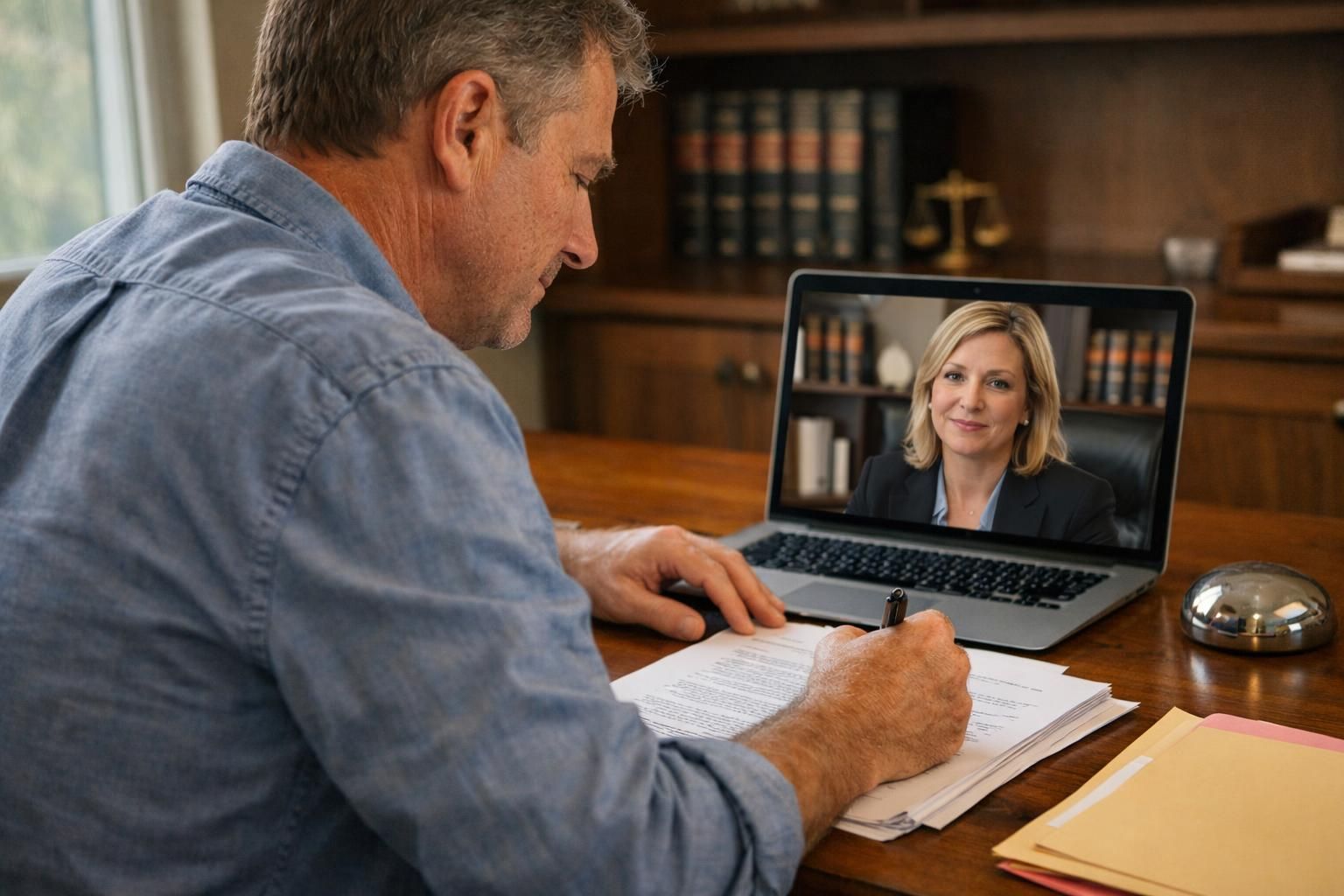
Washington supports remote closing tools, digital signatures, and power of attorney arrangements that make it much easier to sell an inherited property without traveling across state lines.
Utilize remote closing processes and digital signatures
Washington authorizes Remote Online Notarization (RON), allowing buyers and sellers to sign legal documents by video call without traveling to the property's location. This significantly speeds up the probate process for out-of-state heirs and reduces the need for costly trips to a Washington Superior Court county.
Digital signatures are legally binding on most Washington estate administration and real estate paperwork, including property transfer deeds and purchase contracts. Mobile notaries are also available if you prefer an in-person signing at your current location. These tools keep sensitive documents secure throughout your Washington probate case.
Consider power of attorney for local representation
Grant power of attorney to a trusted individual in Washington if you cannot travel for your probate case or real estate transactions. This person can sign legal documents, manage property transfers, and handle negotiations with buyers locally. A Washington probate attorney can help set up a legally valid power of attorney specific to your situation, streamlining tasks like utility changes, title updates, and maintenance coordination — including any ancillary probate requirements.
Hire contractors and manage estate sales for contents
Hire licensed Washington contractors for any necessary repairs. Check the Washington State Department of Labor & Industries contractor license lookup to verify credentials before hiring anyone. Keep copies of all estimates, invoices, and receipts for your probate case or tax records.
Estate sale companies can organize the contents of the home if you cannot be there in person. They charge commissions between 25% and 40%, handling pricing, advertising, selling items, and collecting payments. Choose a reputable company familiar with Washington estate administration to keep the process moving without delays.
Explore selling to cash buyers for a hassle-free process
Cash buyers offer a fast path to selling out-of-state Washington real property. These investors can close in as little as 7 to 14 days — far faster than a traditional sale. You may receive around 70%–85% of ARV, but you avoid repair costs, agent commissions, and prolonged vacancy expenses. Cash buyers typically handle evictions, major repairs, and estate contents, making this option especially practical for out-of-state heirs dealing with Washington's probate timelines.
Conclusion

Selling an inherited Washington house from another state is manageable with the right team and tools. Work with a Washington-licensed probate attorney, use RON and digital signature platforms, and understand Washington's estate tax thresholds and landlord-tenant rules before making decisions. Remote closing options and power of attorney make it possible to complete the transaction from wherever you live. With careful planning, you can protect your family's interests and move forward with confidence.
If you've inherited a Washington property and want a fast, straightforward solution, KDS Homebuyers purchases homes directly for cash — as-is, with no repairs or agent fees required. Visit kdshomebuyers.net to request your free cash offer and find out how quickly we can close on your timeline.
FAQs
1. What steps should I take to sell real property I inherited in Washington State?
Confirm your role as personal representative or successor trustee and open a probate case in the appropriate Washington Superior Court. Hire a Washington-licensed probate attorney to guide filings, especially if you live out of state and ancillary probate is required. Secure the property, address utilities, and document its condition promptly.
2. How does Washington's probate process work for out-of-state heirs?
Washington probate is filed in the Superior Court of the county where the estate is administered. Washington's non-intervention administration can reduce ongoing court involvement once the executor is appointed. If you live outside Washington and the property is located here, you may need ancillary probate — a Washington court proceeding separate from your home state's primary probate case.
3. Will I owe Washington estate tax on inherited property?
Washington imposes a state estate tax on estates exceeding $2.193 million (2024 threshold), with rates from 10% to 20%. Washington has no state inheritance tax and no state income tax, so there is no Washington capital gains tax on the sale of inherited real estate. Federal estate and capital gains rules still apply.
4. Can a revocable living trust help avoid Washington probate for real property?
Yes. Property held in a revocable living trust passes directly to beneficiaries without going through Washington Superior Court probate, saving time and legal costs. Consult a Washington estate planning attorney to determine if a trust is appropriate for your situation.
5. Is legal consultation necessary before selling an inherited Washington home from another state?
Yes. Cross-state issues — including Washington ancillary probate, estate tax obligations, landlord-tenant law compliance, and title transfer requirements — make professional legal guidance essential. Mistakes in paperwork or missed deadlines can delay your sale by months and create costly complications.
