

How Long Does Probate Take? Realistic Timelines by State in Colorado
Losing a loved one is hard, and figuring out how long probate takes in Colorado can add even more stress. The probate process in Colorado often lasts anywhere from three months to over a year, depending on estate complexity and whether the case is contested. 1 This guide breaks down realistic timelines for Colorado estates, explains what affects how fast things move, and offers practical tips for working through probate court.
Key Takeaways
- Colorado is one of the fastest states for probate, with simple estates often closing in 3–6 months thanks to the state's adoption of the Uniform Probate Code.
- Colorado offers both informal and formal probate procedures. Informal probate is supervised with minimal court involvement and moves significantly faster.
- Small estate affidavits are available in Colorado for estates under $80,000 (excluding real property), allowing heirs to skip formal probate entirely.
- Several factors still slow Colorado probate: contested wills, missing heirs, complex real estate holdings, and IRS estate tax returns for large estates.
- Working with an experienced Colorado probate attorney and staying organized helps you meet deadlines and protect heirs' interests throughout estate administration.
Colorado probate typically takes 3–9 months but can stretch to 2+ years in contested or complex cases.
Colorado adopted the Uniform Probate Code, which gives it one of the most streamlined probate systems in the country. Most uncontested estates in the Denver metro area or Colorado Springs close within three to six months. Complex or disputed cases can take one to two years or longer.
Your experience depends on factors including the type of probate proceeding you open, court caseloads at your local district court, disputes among heirs, and whether a valid will exists. Even in straightforward cases, executors often face delays waiting for the creditor claim period to expire before distributing assets.
Acknowledge the emotional and legal challenges of navigating probate after a loss.
Losing someone close brings grief alongside unfamiliar legal responsibilities. Colorado's probate system, while efficient, still requires careful attention to deadlines, court filings, and creditor notifications. Families without a clear will or organized estate planning documents often experience additional confusion during this time.
Executors — called personal representatives in Colorado — must balance emotional stress with fiduciary duties. Skilled probate attorneys familiar with Colorado district courts help guide you through the process so you are not left navigating legal details alone.
What Affects Probate Timeline in Colorado

Several factors unique to Colorado law and local court conditions can change how long your probate case takes.
Estate size and complexity
Large estates with multiple properties, investment accounts, or business interests take longer to administer. If the estate includes real estate in multiple counties — such as a Denver home and a mountain property in Summit County — expect additional time for appraisal and title work. Hard-to-value assets like mineral rights or agricultural land also require specialized appraisers.
Simple estates with a clear will and easily valued assets may close within six months. Complex cases can exceed two years when legal disputes or difficult asset valuations are involved. Working with an experienced probate attorney helps you manage these challenges efficiently.
Informal vs. formal probate in Colorado
Colorado's Uniform Probate Code allows two main tracks. Informal probate involves minimal court supervision and is handled largely through a court-appointed registrar rather than a judge. This track is available when the will is uncontested and heirs cooperate, and it moves significantly faster — often closing in three to six months.
Formal probate requires court hearings and judicial oversight, typically because the will is disputed, heirs disagree, or the estate involves unusual complexity. Formal proceedings add months to the timeline and increase legal costs. Understanding which track applies to your situation early in the process is critical.
Presence or absence of a will
A valid will allows the Colorado district court to follow the decedent's wishes directly and speeds up the appointment of a personal representative. Without a will, the court must appoint an administrator under Colorado's intestate succession laws, which determine who inherits the estate. Intestate estates generally take longer due to disputes among heirs and additional court involvement.
Court schedules and caseloads
Colorado's district courts handle probate matters, and caseloads vary by county. Denver District Court handles a high volume of filings, which can add weeks to hearing schedules. Smaller counties like El Paso or Jefferson may move faster. Even a well-prepared petition can wait weeks for review in busier jurisdictions.
Disputes among heirs
Will contests and family disagreements can extend Colorado probate from months to years. Contested matters move to formal probate proceedings, requiring hearings, discovery, and potentially trial. Staying organized and communicating clearly with all beneficiaries helps reduce conflict and keeps estate administration on track.
The Colorado Probate Process Timeline

Filing the petition: 1–2 weeks
You begin by filing the original will and a petition for informal or formal probate with the district court in the county where the decedent lived. In Colorado, probate should generally be opened within three years of the date of death, though acting promptly protects the estate. Filing fees in Colorado typically range from $200 to $400 depending on the county.
Having the death certificate, will, and basic asset information ready before filing avoids delays. Courts generally process informal probate applications within one to two weeks when documents are complete and accurate.
Notification period: 30–60 days
Once appointed as personal representative, you must notify heirs, beneficiaries, and creditors. Colorado law requires published notice to creditors in a local newspaper, after which creditors have 60 days from first publication — or one year from the date of death, whichever is earlier — to file claims against the estate. You cannot close probate until this creditor claim window closes.
Notice to heirs and beneficiaries must also be provided promptly. Keeping documented proof of every notice sent protects you from legal disputes later.
Inventory and appraisal: 1–3 months
Colorado personal representatives must prepare an inventory of estate assets. Professional appraisals are needed for real property, business interests, and high-value personal property. Accurate valuations matter for both estate tax purposes and fair distribution among heirs. Filing a timely and thorough inventory keeps the probate timeline on track.
Paying debts and taxes: 2–4 months
All valid creditor claims must be resolved before assets are distributed. Colorado does not have a state estate tax, which simplifies this step compared to many other states. However, you must still file final federal and Colorado state income tax returns for the decedent, as well as a fiduciary income tax return for the estate if it earns income during administration. Estates exceeding the federal exemption threshold ($13.61 million in 2024) must file IRS Form 706, which can take six to twelve months for IRS review.
Distribution of assets: 1–2 months
After debts and taxes are resolved, the personal representative distributes assets according to the will or Colorado intestate succession laws. Court approval may be required depending on whether you are in informal or formal probate. Getting signatures from all beneficiaries and maintaining clear records speeds this phase.
Closing the estate: 1–2 months
To close an informal probate in Colorado, the personal representative files a closing statement with the district court certifying that all debts have been paid and assets distributed. Formal probate requires a petition for court approval of the final accounting. Once the court accepts these documents, the estate is officially closed. This final phase typically takes one to two months when records are organized and complete.
Colorado Probate Timelines at a Glance

Colorado: 3–6 months (informal, uncontested)
Colorado consistently ranks among the fastest states for probate. Informal, uncontested estates with clear wills regularly close in three to six months. Colorado's Uniform Probate Code minimizes required court hearings, and the registrar can appoint a personal representative without a judge's involvement in qualifying cases. Small caseloads in many Colorado counties also help keep things moving.
Colorado: 9–18 months (formal or contested)
When formal probate is required — due to a will contest, missing heirs, or complex asset issues — expect nine to eighteen months or longer. Denver District Court sees higher filing volumes, which can extend hearing schedules. Creditor disputes or IRS review of estate tax returns also add time regardless of which track the estate takes.
Colorado small estate exemptions
Colorado allows simplified procedures for smaller estates. If the total value of personal property not transferred by other means is $80,000 or less, heirs can use a small estate affidavit to collect assets without opening formal probate. Real property is generally excluded from this limit and still requires probate unless it passes through a deed with right of survivorship, a revocable living trust, or a beneficiary deed.
Colorado also recognizes beneficiary deeds (transfer-on-death deeds), which allow real property to pass directly to named beneficiaries outside of probate entirely. If estate planning included these tools, real estate may transfer within weeks of death without any court involvement.
What Slows Down Colorado Probate
Contested wills
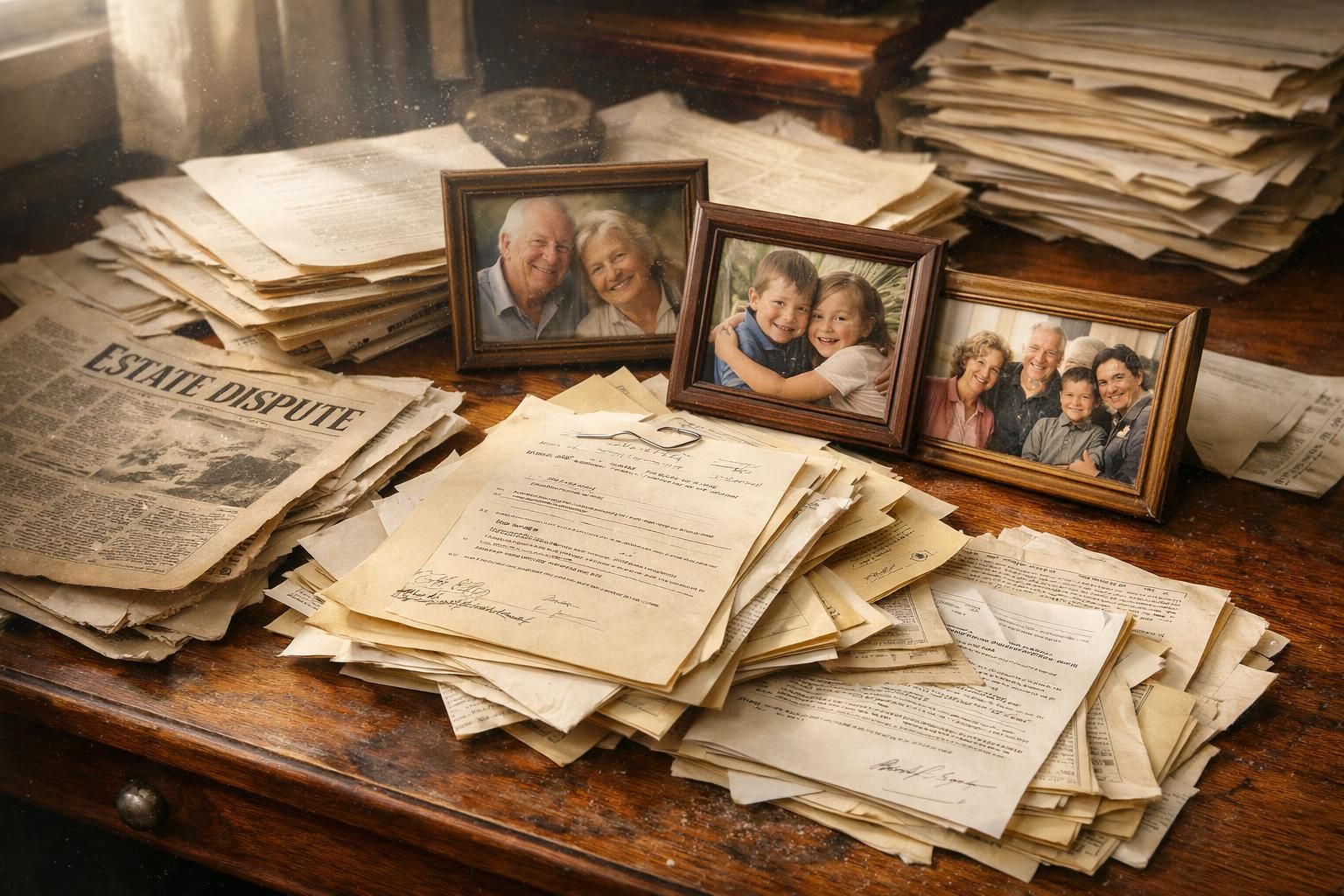
A will contest in Colorado moves the case into formal probate and can add six to twenty-four months to the timeline. 8 Heirs may challenge a will based on lack of testamentary capacity, undue influence, or improper execution. These disputes require court hearings, discovery, and sometimes trial. Working with an experienced probate attorney early reduces the risk of prolonged estate litigation.
Missing heirs
Colorado law requires that all heirs and beneficiaries receive proper notice. If heirs cannot be located, the court may require published notice and a waiting period before proceeding, typically adding three to six months to the timeline. Intestate estates are especially vulnerable to delays when family relationships are unclear.
Complex or hard-to-sell assets
Colorado estates that include mountain properties, ranches, mineral rights, or real estate shared with out-of-state owners require specialized appraisals and additional title work. Properties in disrepair or with code violations from local municipalities can require court approval before sale and add thirty to ninety days to the closing process. Personal representatives must also maintain insurance, pay property taxes, and cover utilities during the probate period.
IRS estate tax returns
Colorado has no state estate tax, but federal estate tax applies to estates exceeding $13.61 million in 2024. IRS Form 706 review can take six to twelve months. No final asset distribution should occur until federal tax matters are resolved and any required closing letters from the IRS are received.
Creditor disputes
Colorado's creditor claim window — 60 days from published notice or one year from death — must expire before the estate closes. Disputed claims require court resolution, which adds time and legal costs. Keeping detailed records of all creditor communications protects you as personal representative throughout this process.
How to Speed Up Colorado Probate

Hire an experienced Colorado probate attorney
A probate attorney familiar with Colorado district courts and the Uniform Probate Code helps you choose the right track — informal or formal — and meet all filing deadlines. They handle creditor claims, disputed matters, and court filings accurately, reducing costly errors. Estate assets typically cover legal fees, making professional help affordable and worthwhile.
Stay organized and keep detailed records
Gather the original will, death certificates, financial account statements, property records, tax documents, and all creditor correspondence before opening probate. Track court deadlines with calendar reminders. Maintain a separate estate bank account and log every transaction. Organized records protect you from personal liability as personal representative and speed up the final accounting process.
Communicate with all parties involved
Keep heirs and beneficiaries updated on key milestones — personal representative appointment, inventory completion, creditor deadlines, and asset distribution timelines. Transparent communication reduces disputes and builds trust among family members. Reach out proactively rather than waiting for heirs to ask questions.
Address property issues early
Inherited Colorado real estate requires immediate attention. Secure the property, notify the insurer of the change in ownership status, and arrange for any needed maintenance. Schedule a professional appraisal promptly. If the property requires court approval to sell, starting the process early prevents months of unnecessary delay.
Use Colorado's simplified procedures where available
If the estate qualifies for informal probate or small estate affidavit procedures, use them. Beneficiary deeds and joint tenancy arrangements set up during the decedent's lifetime allow real property to pass outside probate entirely. If these tools were not used, explore whether assets can be transferred through other non-probate methods before opening a full probate proceeding.
Dealing With Property During Colorado Probate
Managing costs during the probate period
Ongoing expenses like mortgage payments, property taxes, homeowner's insurance, and utilities continue during probate administration. Colorado probates handling real estate typically require nine to eighteen months of carrying costs on properties that cannot be sold immediately. Insurers may require notification when a home becomes vacant; failure to do so can result in policy cancellation. Addressing these issues early protects the estate's value for heirs.
Selling property during Colorado probate
In informal Colorado probate, the personal representative generally has authority to sell real estate without a court hearing, provided the will grants that power or heirs consent. Formal probate may require court approval before accepting an offer. An appraisal establishes a fair market value baseline. Most probate property buyers purchase "as-is," which can simplify transactions and speed up closings. Consulting your probate attorney before listing or accepting offers ensures you comply with Colorado requirements.
Turning inherited homes into liquid assets quickly
Cash buyers can often close on Colorado probate properties in as little as seven to twenty-one days, significantly cutting the time and carrying costs associated with traditional listings. Selling to a direct cash buyer avoids showings, financing contingencies, and inspection delays. This approach works particularly well when heirs need funds quickly to cover estate debts, taxes, or their own financial needs. The personal representative still needs proper authority under the will or court order before completing any sale.
Insights on Probate Properties from Experts
Experts on probate properties highlight key considerations for Colorado real estate. Property held in joint tenancy with right of survivorship or through a beneficiary deed avoids probate entirely. Revocable living trusts are another effective tool for keeping Colorado real estate out of the probate system. When probate is unavoidable, selling an inherited home to a cash buyer offers fast asset liquidation during estate administration. 14
For more expert guidance on managing property through Colorado probate, visit: Insights on Probate Properties.
Conclusion
Colorado probate can move quickly — but understanding the process helps you set realistic expectations and reduce stress.
Colorado's adoption of the Uniform Probate Code makes it one of the most efficient states for estate administration. Simple, uncontested estates often close in three to six months. Formal or contested cases take longer, sometimes over a year. Knowing which track applies to your situation, meeting all deadlines, and working with an experienced Colorado probate attorney gives you the best chance of a smooth, timely process. 15
If you've inherited Colorado property, selling to a cash buyer can help resolve financial concerns during probate.
Selling an inherited home to a cash buyer gives you fast access to funds during estate administration. Cash buyers move quickly and avoid traditional hurdles like inspections and financing approvals. This approach helps when you face rising maintenance costs, estate debts, or property taxes on a home you do not plan to keep.
If you are navigating probate in Colorado and need to sell an inherited property, KDS Homebuyers can help. Visit kdshomebuyers.net for a free, no-obligation cash offer and find out how quickly you can move forward.
FAQs
1. How long does probate take in Colorado?
Most uncontested Colorado estates using informal probate close in three to six months. Formal or contested cases can take twelve to twenty-four months or longer depending on complexity and court schedules.
2. Does Colorado require formal probate for all estates?
No. Colorado offers informal probate for uncontested estates, which requires minimal court involvement. Estates under $80,000 in personal property may qualify for a small estate affidavit, bypassing probate entirely.
3. Is there a Colorado state estate tax?
No. Colorado does not have a state estate tax. However, federal estate tax applies to estates exceeding the federal exemption threshold, and final income tax returns must still be filed for the decedent.
4. Can a personal representative sell real estate during Colorado probate?
Yes, in most cases. In informal probate, the personal representative typically has authority to sell real estate without a court hearing. Formal probate may require court approval before completing a sale.
5. What is a beneficiary deed in Colorado?
A beneficiary deed (transfer-on-death deed) allows Colorado real property to pass directly to named beneficiaries at death without going through probate. It must be recorded before death to be effective.
6. How do I speed up probate in Colorado?
Use informal probate when available, file documents promptly, notify creditors immediately after appointment, keep organized records, and work with a probate attorney experienced in Colorado district courts.
References
- ^ https://legacyassuranceplan.com/articles/wills-probate/how-long-probate-can-take-what-to-know (2024-10-21)
- ^ https://www.estateplanningpeople.com/blog/why-do-probate-services-take-so-long-to-settle/
- ^ https://kdshomebuyers.net/articles/what-is-probate-in-real-estate
- ^ https://www.help-attorneys.com/articles/how-long-does-probate-take-key-factors-that-impact-timelines (2025-04-24)
