

How Foreclosure Affects Your Credit (And How Long It Lasts) in Indiana
Worried about how losing your home could hurt your finances? The foreclosure credit score impact can be severe, often dropping scores by over 100 points and making it harder to get a loan. 1 This guide explains exactly what happens to your credit report after foreclosure in Indiana and offers smart steps for rebuilding stronger financial habits. Find out how you can bounce back—starting today.
Key Takeaways
- Foreclosure can drop your credit score by 85 to 160 points if you had good credit, or by 60 to 80 points if your score was already low. The biggest drops happen in the first two years after foreclosure.1
- A foreclosure stays on your credit report for seven years from the date of your first missed mortgage payment, not the sale date. Each late payment before foreclosure is also listed for seven years.
- After a foreclosure, Indiana homeowners face mortgage waiting periods of two to seven years depending on loan type. FHA loans require three years; conventional loans like Fannie Mae may require up to seven unless extenuating circumstances apply.
- Foreclosure raises insurance premiums by up to 50% on homeowners coverage and can lead to rental denials or employment screening problems.
- Millions recover from foreclosure by acting early—using secured cards, paying bills on time, disputing errors, and exploring options like loan modifications or a quick home sale can speed recovery within two to three years.
Foreclosure significantly impacts credit, but the damage is not permanent, and there are proactive steps to rebuild.
Foreclosure can cause your credit score to drop by 85 to 160 points if you had good credit before the missed payments. If your FICO score was lower, expect a smaller decrease of about 60 to 80 points.
Your payment history and credit report will show the foreclosure as a derogatory remark for up to seven years after your first missed mortgage payment. You may face higher insurance costs, problems renting, or even issues with job applications due to this negative mark.
Many Indiana homeowners feel overwhelmed during this time, but millions have recovered from foreclosure. The damage is not permanent if you take action early. Using secured credit cards, rebuilding your payment history with on-time payments, and keeping low balances can slowly improve your scores and lead to financial recovery within two years.
If you are facing challenges now, consider options such as loan modification or selling the home quickly rather than waiting for foreclosure. Both options create less harm on your credit record than a completed foreclosure sale.
Immediate Impact of Foreclosure on Credit Scores
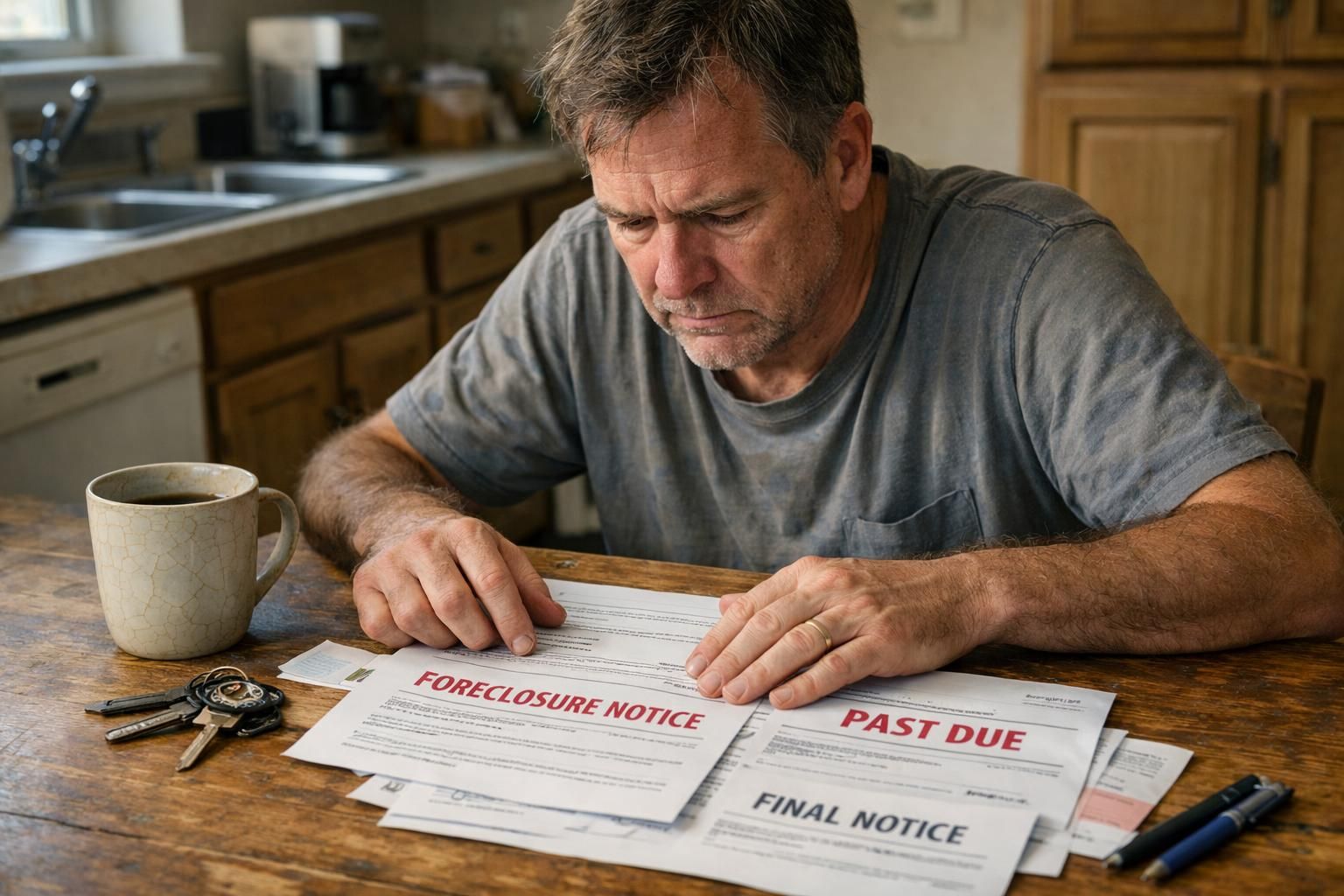
Foreclosure can cause your credit score to drop fast, especially if you had a strong payment history. Credit bureaus record missed mortgage payments and foreclosure filings as major events, which may affect your FICO scores almost right away.
Expect credit score drops of 85-160 points for good credit (680+).
If you have a solid credit score above 680, falling behind on mortgage payments can drop your FICO score by 85 to as much as 160 points. People with a pre-foreclosure score of about 780 often see their scores fall the hardest, sometimes landing in the 620 to 640 range. Those starting at 680 usually land between 575 and 595 after foreclosure hits their credit report.
This steep decline happens soon after missed mortgage payments are reported to Experian, Equifax, or TransUnion. Short sales and deed in lieu of foreclosure cause similar damage because all count as major derogatory remarks in your payment history. These changes hit home loan applications hard for years ahead, but taking action can start rebuilding sooner.
Smaller drops (60-80 points) for those with lower credit scores.
Lower credit scores already reflect past late payments or debts. Because of existing derogatory remarks, a foreclosure usually causes a smaller drop—typically about 60 to 80 points. Most of the damage from missed mortgage payments has often already occurred before the final foreclosure hits your record.
Credit bureaus see lower starting scores as higher risk, so they react less sharply when new negatives appear. Still, you may find it hard to get approved for new lines of credit or face higher rates even after what seems like a small decrease. This is why timely bill payment and managing overall debts remain key parts of financial recovery.
Timeline of foreclosure impact: 30-day late payment (reported), 90-day late (severe damage), foreclosure filing (public record), final foreclosure (maximum impact).
A 30-day late mortgage payment gets reported to the credit bureaus and shows up as a derogatory remark. This first missed payment can drop your credit score by 60 to 110 points. At the 90-day mark, damage becomes severe; most lenders begin collection efforts and may issue demand letters. Each additional late mark adds more negative impact.
In Indiana, foreclosure is a judicial process. Your lender must file a lawsuit in the circuit or superior court of the county where the property is located before a foreclosure can proceed. Once filed, this enters public record status and further lowers your FICO score. Final foreclosure delivers maximum impact, staying on credit reports as a major derogatory event and making qualifying for new loans extremely difficult for years.
How Foreclosure Works in Indiana and Its Immediate Effects on Credit

Foreclosure starts after you miss several months of mortgage payments. Indiana is a judicial foreclosure state, meaning your lender must file suit in court and obtain a judgment before selling the property. The entire process—from first missed payment to sheriff's sale—can take anywhere from several months to well over a year depending on court schedules and whether you contest the action.
Once your mortgage lender files the foreclosure complaint, this action appears as a public record on your credit report. Credit bureaus log each missed payment separately; these late payments remain for seven years each and sharply lower your FICO score or VantageScore. Foreclosure is classified as a "serious delinquency" by credit scoring models, second only to bankruptcy in damage done.
How Long Foreclosure Stays on Your Credit Report
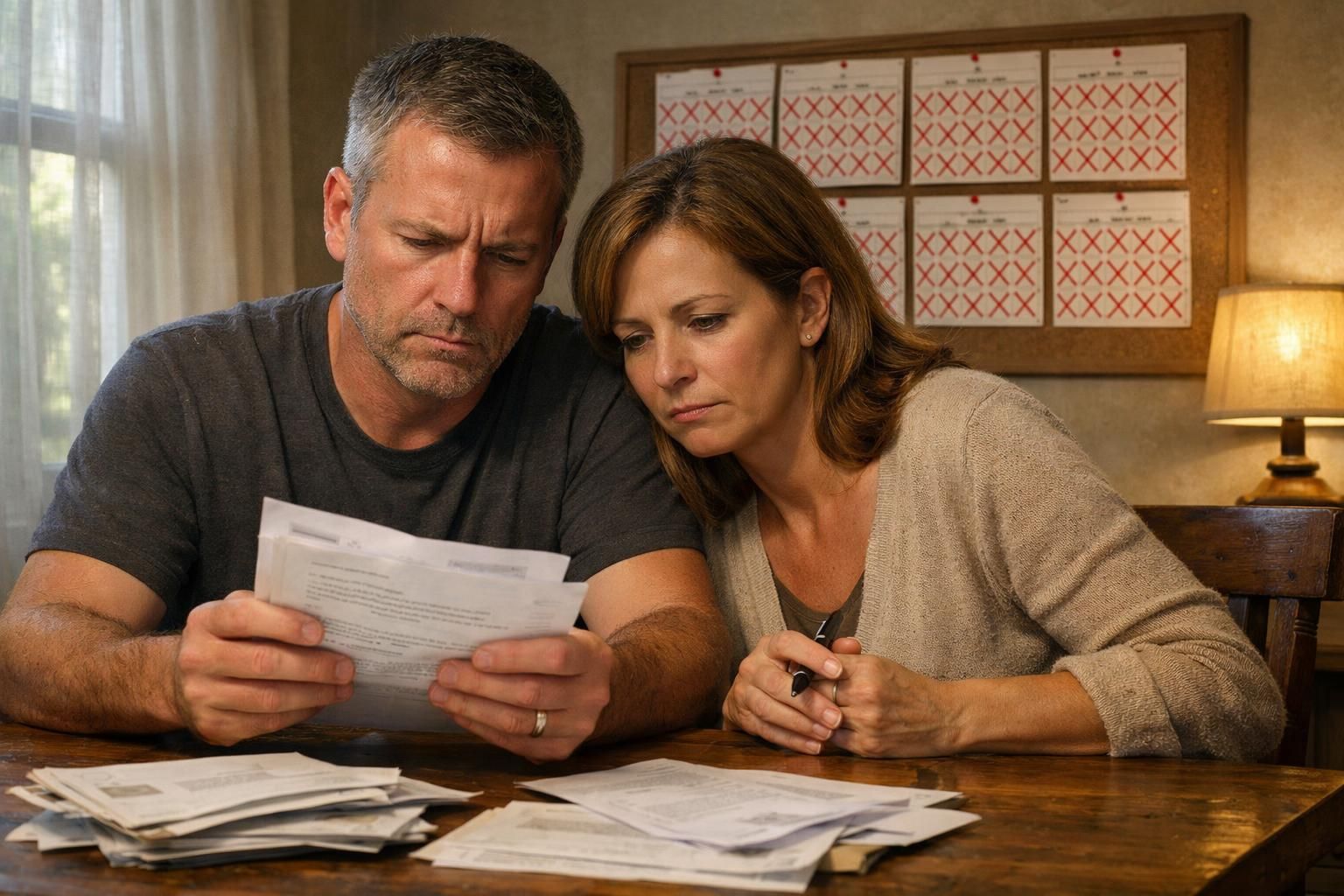
Foreclosure appears as a derogatory mark on your credit report for seven years after your first missed mortgage payment. Credit bureaus use this timeline, and lenders check it before approving new lines of credit or home loans.
Foreclosure remains on credit reports for 7 years from the first missed payment.
A foreclosure stays on your credit report for seven years, starting from the date of your first missed mortgage payment. Credit bureaus like Experian, Equifax, and TransUnion follow this rule under the Fair Credit Reporting Act. Many Indiana homeowners think the clock starts with the sheriff's sale or court judgment—it does not. It begins with that initial late payment that led to default.
This derogatory remark can impact your payment history and lower your FICO score for several years, especially in the early stages. Afterward, credit reporting agencies must remove it automatically from your file by law.
Most damage occurs in the first 2 years, with gradual recovery afterward.
You will notice the steepest drop in your credit score within the first two years after a foreclosure appears on your credit report. Lenders and credit bureaus weigh recent missed payments most heavily during this period. Responsible habits such as making all other payments on time and using secured credit cards can help speed recovery.
Over three years, about 60–70% of that early dip usually fades as long as you manage outstanding lines of credit wisely and keep current accounts positive. Practical steps like keeping low credit utilization rates or working with a reputable credit counselor make rebuilding less stressful.
Misconception clarified: timeline starts from first missed payment, not the sheriff's sale date.
Many Indiana homeowners think the seven-year countdown starts after the sheriff's sale or the court's final judgment. In reality, credit bureaus begin this timeline with your first missed mortgage payment. Each late payment leading up to foreclosure also stays on your credit report for seven years from its individual missed date.
This means early action makes a real difference. Contacting your mortgage lender about loan modification or seeking guidance from a HUD-approved housing counselor in Indianapolis or other Indiana cities may help limit lasting harm and support faster financial recovery.
Consequences Beyond Credit Scores
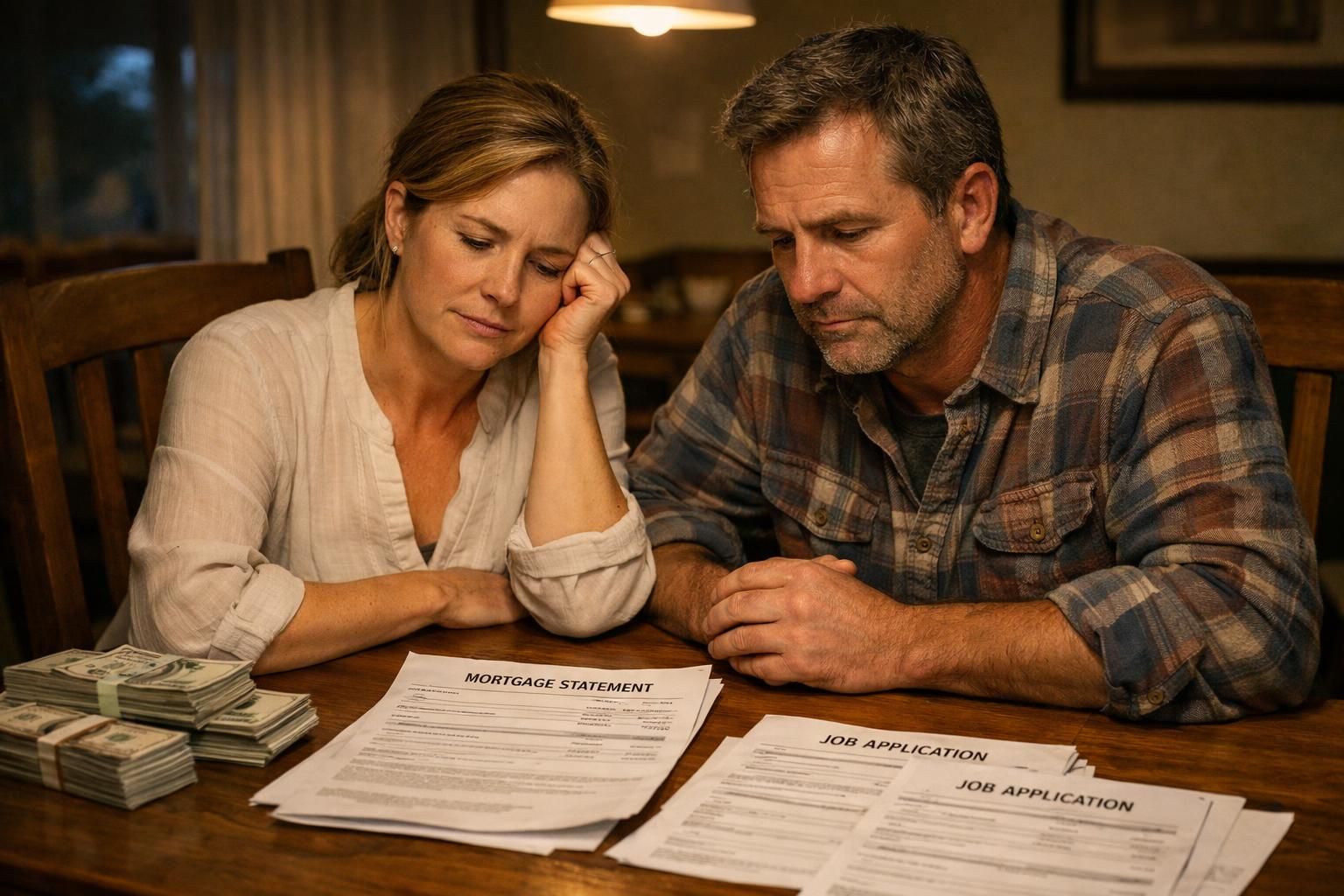
Foreclosure can lead to higher insurance costs and make renting much harder. Some employers may review your credit report during hiring, creating additional financial challenges.
Difficulty obtaining new mortgages (3-7 year waiting periods based on loan type).
If you have gone through foreclosure in Indiana, mortgage lenders will require a waiting period before approving a new home loan. FHA loans typically require three years; VA loans set a two-year guideline; USDA mortgages also use three years. Conventional programs like Fannie Mae or Freddie Mac often enforce up to a seven-year wait unless you can document extenuating circumstances such as serious illness or job loss, in which case some programs may reduce the wait to three years with 20% down.1
Understanding these timelines and adjusting your financial habits right away can help shorten how long the consequences last. Acting quickly helps prepare for future approval by building a positive payment history.
Higher insurance premiums, rental denials, and potential employment screening issues.
Foreclosure on your credit report often makes daily life more expensive. Homeowners insurance premiums may jump by 20 to 50 percent for three to five years, while auto insurance rates can increase by as much as 10 to 30 percent. Landlords across Indiana—from Indianapolis to Noblesville—run credit checks, and a foreclosure often means rental denials, larger security deposits, or co-signer requirements.
Nearly half of all employers check credit reports, especially for positions involving finance or sensitive records. Rebuilding good financial habits like making on-time payments helps restore your reputation with creditors, landlords, and potential employers over time.
Real-life financial and daily life challenges caused by foreclosure in Indiana.
Losing your home to foreclosure in Indiana can trigger a series of financial and daily struggles. Under Indiana law, a lender may pursue a deficiency judgment if the sheriff's sale proceeds do not cover the full mortgage balance. This judgment can be used to garnish wages or levy bank accounts, and it may remain enforceable for several years under state law.
If you move into a rental after foreclosure and miss payments, unpaid rent sent to collections can stay on your credit report for seven years, making future housing even harder to secure. Higher insurance premiums often follow as well. These setbacks increase stress, but understanding each consequence helps you plan smarter next steps toward financial recovery.
Strategies to Rebuild Credit After Foreclosure

Start by pulling your credit reports from all three major bureaus and disputing any errors you find—even a small mistake hurts your score. Pay every bill on time, since payment history makes up 35% of your FICO Score. Keep current accounts open when possible to preserve credit history length and lower your overall credit utilization rate. Target usage below 30 percent; aiming for 10 percent yields faster results.
Use secured cards if regular ones are out of reach. Monitor progress monthly to catch issues early. Paying down existing debts boosts your debt-to-credit ratio, which accounts for another 30 percent of most scores used by mortgage lenders and banks.
Foreclosure Avoidance: Understanding Your Options in Indiana
Indiana mortgage lenders often offer options to help avoid foreclosure before it damages your credit. You can ask about loan modification programs that may lower your payment or adjust loan terms. If you qualify for a short sale, you might sell your home for less than you owe; this typically impacts credit scores by 50 to 150 points over two to four years, but keeping payments current softens the blow.
A deed in lieu of foreclosure allows you to transfer ownership back to the lender, which generally hurts your FICO score less than a completed foreclosure. Indiana homeowners should also be aware that the state's judicial foreclosure process provides a window of time to explore alternatives—including working with a HUD-approved housing counselor or a qualified Indiana real estate attorney—before a sheriff's sale is scheduled.
Selling directly to a cash buyer before missing mortgage payments completely avoids any derogatory remark on your payment history and keeps future financial recovery simpler. This option can be especially useful for homeowners in the Indianapolis metro area or surrounding communities like Carmel, Fishers, and Lebanon who need to move quickly.
Conclusion
Many Indiana homeowners regain control of their financial lives after foreclosure. Explore your options early—like selling to a cash buyer or seeking debt relief—for a fresh start.
Millions have recovered from foreclosure—immediate action is essential.
You can join millions of people who have rebuilt their credit after foreclosure. Taking immediate action gives you the best chance for a faster recovery. Steps like paying bills on time, using secured credit cards, and disputing errors on your credit report help you regain trust with lenders. Responding right away helps prevent deeper damage to your FICO score and keeps more doors open for future homebuying or loan approval.
Using tools such as short sales, deed in lieu of foreclosure, or working with your mortgage lender makes a real difference. Seeking debt relief options early and exploring available programs helps protect your payment history and limit long-term impact on your credit report. Immediate action brings hope; waiting only lets penalties get worse.
Explore alternative solutions like selling to a cash buyer to avoid foreclosure damage entirely.
Selling to a cash buyer often stops foreclosure before it damages your credit report. If you close the sale before the bank finalizes foreclosure, a foreclosure never gets listed on your payment history with credit bureaus—meaning you avoid the 85 to 160 point FICO drop entirely. Cash buyers do not rely on loan approval or long closing timelines and can sometimes complete a purchase in as little as seven days, preventing additional missed mortgage payments from piling up as derogatory marks.
Early intervention with options like short sales or deed in lieu also helps minimize harm. Contacting a qualified Indiana real estate attorney or a HUD-approved credit counselor leads to more solutions than most homeowners expect. Acting early limits damage not only to your credit score but also helps preserve access to new lines of credit and better financial recovery later on.
FAQs
1. How does foreclosure impact your credit score and payment history?
Foreclosure becomes a derogatory remark on your credit report. It damages your payment history by showing missed payments to the credit bureaus, lowering both FICO scores and VantageScore ratings for years.
2. How long does foreclosure stay on my credit report in Indiana?
A foreclosure stays as a negative mark for seven years from the date of the first missed mortgage payment under the Fair Credit Reporting Act. During this time, it affects loan applications, interest rates, and new lines of credit.
3. Can you rebuild your credit after a home is foreclosed?
Yes. Rebuilding starts with small steps like using secured cards, making on-time payments, keeping low utilization rates, and monitoring all accounts regularly to restore financial health over time.
4. Does a short sale or deed in lieu affect your score differently than foreclosure?
Both options hurt FICO scores but may be less damaging than full foreclosure if negotiated well with lenders. A short sale or deed in lieu often shows up as settled debt rather than unpaid debt, though both remain visible to creditors for several years.
5. Is there any tax impact after a lender cancels mortgage debt following foreclosure?
Canceled mortgage debt can trigger taxable income reported through a Form 1099-C sent by the lender. Indiana residents should consult a tax professional, as capital gains rules and any available exclusions—such as the federal primary residence exclusion—may apply depending on your situation and how long you owned the home.
6. Can an Indiana lender pursue a deficiency judgment after foreclosure?
Yes. In Indiana, if the sheriff's sale does not fully satisfy the mortgage debt, the lender may seek a deficiency judgment through the court. This judgment can be used to garnish wages or levy accounts. Consulting an Indiana real estate or foreclosure attorney early in the process is strongly advised.
References
If you are an Indiana homeowner facing foreclosure and want to explore your options, KDS Homebuyers can help. Visit kdshomebuyers.net to request a free, no-obligation cash offer and find out how quickly you could close—before foreclosure has a chance to damage your credit.
