How to Calculate Your Home Equity Before Selling

Thinking about selling your house but not sure how much equity do I have? Home equity is the part of your property you truly own, and knowing this number matters for selling, refinancing, or making financial plans. This guide will show you clear steps to find your home’s value using online tools like Zillow, compare recent sales, and subtract what you still owe on your mortgage. 1 Learn how a simple formula can help give you peace of mind before listing your home.
Key Takeaways
- Home equity is calculated by subtracting your outstanding mortgage balance from your current home value. For example, if your house is worth $350,000 and you owe $220,000, you have $130,000 in equity before selling costs.
- Use online tools like Zillow or Realtor.com to check recent comparable sales. For the most accurate results, get a professional appraisal or ask for a broker price opinion. Automated valuation models (AVMs) have a 5–7% median error rate.
- Don’t forget to include all debts tied to the property—such as second mortgages or HELOCs—and factor in accrued interest and possible prepayment penalties when calculating your total payoff amount.
- Selling fees can lower your net proceeds. Agent commissions usually range from 5–6% of sale price; closing costs add another 1–3%. Repairs and staging may cost thousands more. Always use these numbers in your final calculation.
- If you have little or negative equity (owe more than home’s value), consider options like waiting for prices to rise, short sales with lender approval, deed-in-lieu of foreclosure, or cash buyers who purchase homes “as-is.” About 3–4% of US homes had negative equity in 2023 (source: ATTOM Data Solutions).
Why knowing your home equity matters for selling, refinancing, or financial planning
Home equity gives you a clear picture of your net worth and helps guide major decisions. If you plan to sell, knowing your home equity shows how much money you might take away after closing costs and mortgage debt are paid.
A higher equity stake can give you more freedom to set your price or negotiate with buyers.
Your home equity also affects whether you qualify for a home equity loan or line of credit (HELOC). Lenders usually look for at least 15% to 20% ownership before approving these loans.
The amount of equity impacts the interest rate and borrowing power, which shapes your options for paying off debts, handling financial emergencies, or planning for retirement. For those facing divorce or inheritance issues, accurate home value calculations help settle who gets what share of the property.
I’ve seen how an updated mortgage payoff from the lender—rather than just using last month’s statement—makes a big difference in getting fair numbers during tough times. Homeowners who know their true home value avoid surprises if real estate prices drop or liens show up during title checks.
Simple equity formula: Current Home Value - Outstanding Mortgage Balance = Home Equity
Every homeowner can find home equity using one basic formula. Subtract your outstanding mortgage balance from the market value of your house. If your property appraises at $410,000 and you owe $220,000 on a mortgage, you have $190,000 in home equity.
This number reflects your stake in the property after accounting for loans or liens.
Accurate valuation matters because banks and lenders base loan-to-value ratios on this calculation. A home equity calculator, like the KnowEquity Tracker tool, can quickly estimate borrowing power or eligibility for a credit line based on current values and debts.
Paying down principal grows this figure over time as does any rise in market prices. Use this formula to plan refinancing options or decide if selling makes sense for your situation.
Finding Your Current Home Value

You can estimate your home value with online property valuations, professional appraisals, or a comparative market analysis—keep reading to see which method fits your needs best.
Check recent comparable sales (Zillow, Realtor.com)
Online platforms like Zillow and Realtor.com give you access to recent comparable sales data in your neighborhood. Check the prices of similar properties that have sold within the last three to six months.
These “comps” reflect current market trends and help you estimate your home value for a potential sale, refinance, or home equity loan.
Sales prices from these sites matter most if your property sits in a typical, well-tracked area. Automated valuation models offer quick results but do not capture unique features or deferred maintenance.
Median error rates on Zestimates run about 5-7% for homes currently listed for sale, making it smart to cross-check with other sources. Consider this step an essential part of understanding your borrowing power and preparing for closing costs, especially in changing markets or during financial hardship.
Get a professional appraisal
Hire a licensed appraiser to provide a certified estimate of your home value. Mortgage lenders and banks rely on these professional appraisals for home equity loans, refinancing, or lines of credit.
Appraisers look at your home's condition, recent upgrades, location, and actual sales data from nearby homes. For example, if the appraisal comes in at $400,000 and your mortgage balance is $140,000, you hold $260,000 in home equity. 1
An appraisal often gives more accurate results than automated valuation models or online calculators; this matters most if you have remodeled or own a unique property. Costs vary by region but expect fees based on property size and type.
Lenders may even request an updated appraisal during the loan process to assess current market trends and risks before final approval. This step gives both you and any potential lender greater confidence about your available home equity before listing or applying for new loans. 2
Use automated valuation models (limitations included)
Automated valuation models, or AVMs, like Zillow’s Zestimate use public records and recent home sales to estimate your current home value. These estimates can help you get a quick sense of what your property may be worth in today’s housing market.
Median error rates for AVMs run about 5-7% for homes on the market, which means the numbers are not always precise. Lenders sometimes use AVMs as a starting point but still require an official appraisal before approving loans.
AVMs do not see deferred maintenance or needed repairs inside your house and often struggle with unique or off-market properties. If you live in a well-documented neighborhood where lots of data exists, online tools tend to give better results.
Automated estimates might change if new sales appear in public records; sudden swings could mislead you during financial planning or refinancing. Always treat these models as a first step rather than the final word when calculating your home equity for selling decisions or evaluating mortgage debt options such as second mortgages and home equity lines of credit (HELOCs).
Consider a broker price opinion and the home’s condition
A broker price opinion, or BPO, gives you a fast estimate of your home value. Brokers use recent comparable sales data from sources like Zillow and Realtor.com. They also review local market trends.
Lenders often turn to BPOs for short sales or foreclosure cases because they are quicker and less expensive than full appraisals.
Your home's condition plays a big role in the final value shown on a BPO report. Deferred maintenance or major repairs can lower your market value by thousands of dollars. I have seen homes with old roofs get priced $10,000 below similar houses in better shape.
Simple fixes like painting walls or cleaning up landscaping before the broker visits can give you an edge and raise your valuation.
Staging the space helps too; it made my last client’s property stand out so much that their BPO came back 5 percent higher than expected based only on square footage and location.
Small improvements boost both curb appeal and your borrowing power if using home equity loans later on. If you face a tough situation such as possible foreclosure, know that brokers consider these factors along with loan-to-value ratio, credit score details, and any outstanding mortgage debt when giving their expert opinion on current home value.
Calculating Your Mortgage Payoff Amount

To find out how much you still owe, check your latest mortgage statement or log into your lender’s online portal. You may also need to review your loan-to-value ratio and consider any second mortgages or home equity lines of credit that could affect your total payoff amount.
Locate the current principal balance (mortgage statement, online account, or lender)
Your current principal balance appears on your monthly mortgage statement. Log in to your lender’s online account for real-time figures. These numbers show only the amount you still owe, not including any interest that has built up since your last payment.
If you need an exact payoff figure—which may include accrued interest, fees, or penalties—reach out directly to your lender.
A recent payment might not reflect right away on the statement or website. Each month, as you pay toward your home equity loan or mortgage debt, the principal balance goes down a bit.
The statement shows this reduction but excludes future charges like prepayment penalties and daily interest. Checking these details helps avoid surprises if you're facing foreclosure risk or want accurate info before calculating net proceeds from selling.
Factor in accrued interest, prepayment penalties, second mortgages, or HELOCs
Accrued interest adds to your mortgage payoff, usually covering 10 to 20 days past the last payment. Ask your lender for a current statement before making any decisions. Prepayment penalties may apply with older mortgages, so check your loan agreement or call your servicer to avoid surprises at closing.
Some lenders charge administrative fees when you pay off early.
Pay close attention to other liens like second mortgages or home equity lines of credit (HELOCs). These must be paid in full from sale proceeds before you receive net funds. Obtain payoff statements for all debts tied to the property.
Multiple liens—such as tax liens or HELOC balances—directly reduce home equity and impact what you can use for your next down payment or personal loans. I have seen homeowners surprised by unexpected deductions at closing due to these extra obligations, especially if private mortgage insurance is required as well.
Putting together all payoff amounts gives a true picture of how much money remains after selling costs and debts are cleared.
Account for Selling Costs

Selling your home involves extra expenses that can lower your final payout. Use a home equity calculator to see how costs like commissions, title insurance, and repairs affect your net proceeds before you list.
Real estate agent commissions, closing costs, title insurance, transfer taxes
Real estate agent commissions usually range from 5% to 6% of your home’s sale price. 3 These fees get split between the listing and buyer’s agents. After the 2024 NAR settlement, many sellers now negotiate lower commission rates, so ask your agent about options.
On a $350,000 house, you might pay at least $17,500 in commission before other deductions.
Closing costs add another layer of expenses for homeowners preparing to sell. Plan for an extra 1% to 3% of the sale price to cover items like escrow charges, attorney fees, title insurance premiums, and administrative costs.
Title insurance protects both you and the buyer against future ownership disputes; most lenders require it before they fund a mortgage or home equity loan. Transfer taxes differ by location; Indiana counties usually have modest charges while states such as Washington collect higher real estate excise taxes—upwards of 1.28%, plus local portions on top.
You can find exact rates through your county recorder or municipal website before calculating your net proceeds using a reliable home equity calculator online or with advice from professional investment advisers.
Include repairs, staging, and other expenses with a sample calculation
Repairs and staging play a major role in your total selling costs. Fresh paint, small repairs, or updated fixtures can cost thousands of dollars but often help raise your home value.4 For example, if you sell your house for $200,000, you might pay $12,000 in agent commissions and $8,000 to stage the property.
You could also need to cover seller concessions of $4,000 if buyers request financial help at closing. Expect to spend around 3 percent of the sale price on closing costs—about $6,000 on a $200,000 home.
Add these numbers for a clearer view: Agent fees ($12,000) plus staging ($8,000), seller concessions ($4,000), repairs (estimate as needed), and closing costs ($6,000) bring total expenses to about $30,000 or more before paying off your mortgage balance.
Subtract these from the sale price using an online home equity calculator to see what you keep after the sale. These steps give you control over planning ahead and understanding your true net proceeds before making any decisions about refinancing or selling during uncertain times like economic downturns or recessions. 4
Step-by-Step Equity Calculation Example
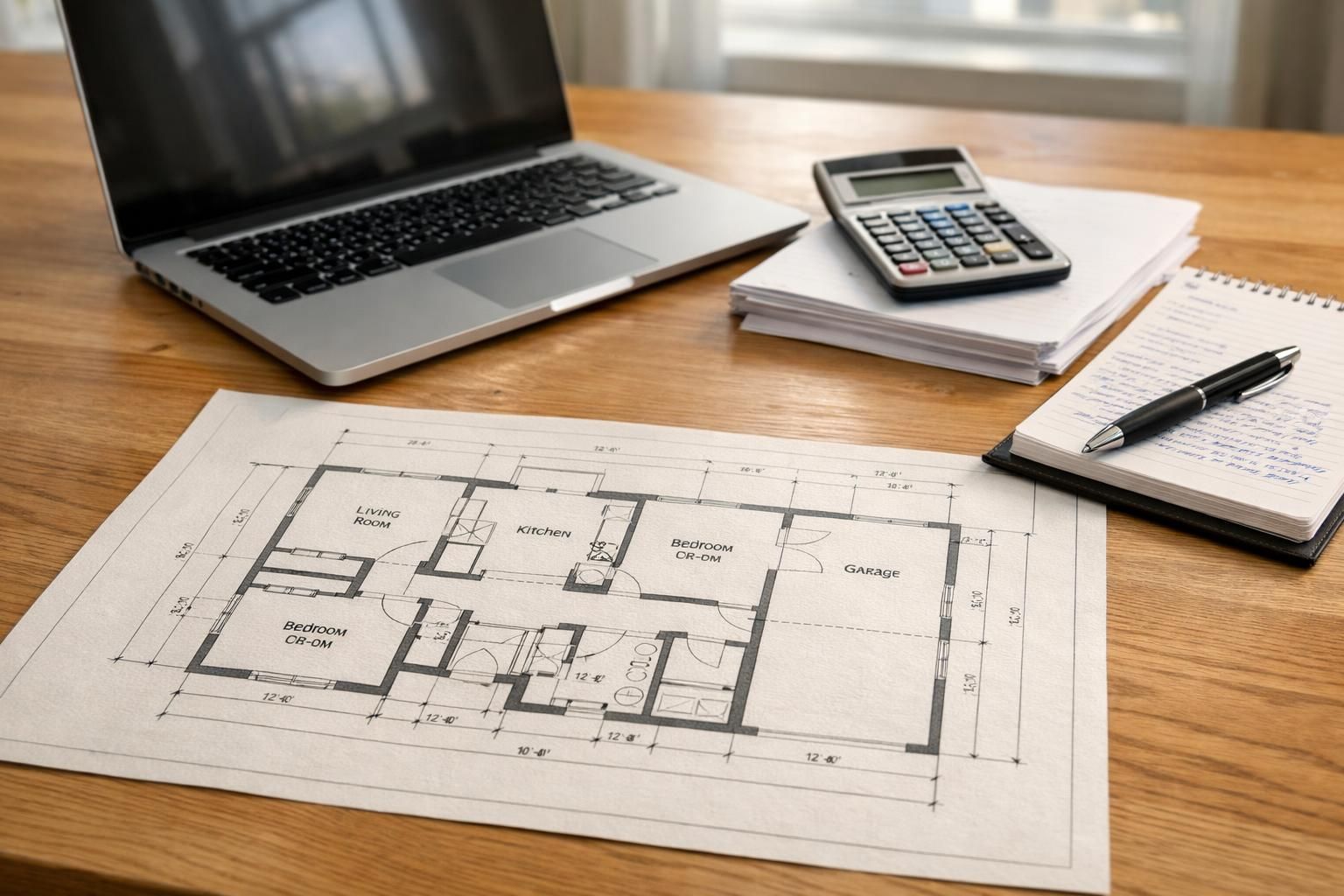
A clear example helps you see how to use a home equity calculator with your own numbers. This step will show what happens when you plug in details like home value, mortgage payoff, and selling costs.
Example: $350,000 home value, $220,000 mortgage balance, and detailed math
Take a home with a value of $350,000 and a mortgage balance of $220,000. You hold about 37% equity in the property because your loan-to-value (LTV) ratio is roughly 63%, showing lenders how much you owe compared to what your house is worth.
To find your home equity, subtract the outstanding mortgage from the current market value: $350,000 minus $220,000 gives you $130,000 in available equity.
If you have a second lien like a home equity line of credit for $10,000, take that away as well; this drops your potential cash out to $120,000. Now figure in selling costs like real estate commissions and closing expenses—about 8% or $28,000 on this home price—which brings it down to around $102,000 left for you after paying off all debt on the property.
Any needed repairs also count; if those cost another $5,000 then net proceeds drop again to just $97,000. These steps give you an accurate picture before making any decisions about refinancing or listing your house for sale.
Special Situations

Every home sale looks different, especially if you face unique financial pressures or family changes. Learn how concepts like negative equity and title liens can impact your options in these more complex cases.
Address negative equity, divorce, inherited homes, tax liens, and disrepair
Negative equity means you owe more on your mortgage debt than your home value. In 2023, about 3% to 4% of homes with mortgages were “underwater.” 5 You may face this if local home prices have dropped or if you bought at the peak market.
With negative equity, selling could mean a loss unless your lender approves a short sale or you use savings for the difference.
Divorce often brings tough decisions about shared property and loan-to-value ratios. Equity usually gets split between both parties. Disputes over value can occur, making an appraisal important.
Sometimes one person refinances to buy out the other’s share. For inherited homes, tax returns matter because they set a stepped-up basis using the property’s value at death; this can cut capital gains taxes when selling later.
Tax liens must be paid off before closing, which lowers your net proceeds and affects borrowing power from any home-equity line of credit or second mortgage.
Homes in disrepair usually sell for much less—often 20% to 40% below similar houses in better shape. Major repairs may need completion before listing to reduce financial stress during the process and avoid foreclosing risk from further default or declining condition.
What If You Have Little or No Equity?
If you have little or no home equity, explore creative solutions to manage your mortgage debt and review options using a home equity calculator or expert advice—discover more ways forward in our full guide.
Options: waiting for market appreciation, short sales, deed-in-lieu, or cash sales
Waiting for market appreciation can give your home equity time to grow, but it may take several months or even years. 6 Rising interest rates and home values could work in your favor if you are able to keep up with mortgage payments.
However, holding costs such as property taxes and repairs can add up quickly. You might want to use a home equity calculator or talk with registered investment advisers before making a decision.
Short sales let you sell the property for less than the mortgage balance, as long as your lender approves. This option may affect your credit score, but it often helps avoid foreclosure and bankruptcy.
Deed-in-lieu allows you to transfer ownership back to the lender if selling becomes impossible; this usually prevents formal foreclosure but does not always erase all financial debt tied to the property.
Cash sales provide speed and simplicity by offering an immediate payout; however, investors often pay below market value for homes that need quick closings or major repairs. Many homeowners facing negative equity find traditional buyers struggle with financing due to loan-to-value (LTV) ratio limits set by banks and private mortgage insurance requirements, especially on homes needing extensive updates.
Conclusion
Start your next steps by using a home equity calculator to check your borrowing power and estimate possible proceeds. Explore solutions like working with cash buyers or housing finance experts to help you overcome challenges and reach your selling goals.
Encourage homeowners to calculate equity first and explore all options for selling
Use a home equity calculator early in the process. This tool can show your real equity stake, help determine eligibility for loans, and estimate potential borrowing power. For example, if your current home value sits at $350,000 and the outstanding mortgage balance is $220,000, then you have about $130,000 in equity before subtracting closing costs or agent commissions.
Knowing this number gives you power to compare offers from multiple buyers and lenders. 7
Explore every option before making a decision to sell. Choices include waiting for market appreciation, considering a cash sale to save on real estate commissions or listing through an agent for maximum exposure.
Faced with little or no equity due to high mortgage debt or negative loan-to-value ratio? You might need alternatives such as short sales or deed-in-lieu of foreclosure agreements.
Weigh these against your needs—like paying off unsecured debt such as credit cards—or planning for future financing using HELOCs or home equity loans with fixed interest rates.
Take time now so you can avoid surprises during closing and maximize net proceeds from your sale. 7
CTA: Consider cash buyers to save on selling costs and maximize net proceeds
Sell your home to a cash buyer and skip real estate agent commissions, which can cost up to 6 percent of your home value. Cash buyers often cover closing costs and buy homes as-is, so you avoid extra repairs, staging expenses, or stress about condition.
This option works well if you have a property in disrepair or need a fast sale due to divorce or debt.
Cash offers usually close within one to two weeks with fewer contingencies and more flexible closing dates. Even if the offer is slightly lower than an open-market sale price, you may keep more money overall by saving on transaction fees and time.
Compare net proceeds using a home equity calculator before making your decision. For some homeowners, choosing a private buyer could help protect both credit score and peace of mind while facing tough financial situations.
Discover the Stress-Free Way to Sell Your Home with KDS Homebuyers
KDS Homebuyers is the solution you've been searching for if you need to sell your home quickly, no matter the condition or situation. Unlike traditional real estate agents, we offer a simple and hassle-free process that puts the power back in your hands.
With KDS Homebuyers, you'll receive a fair cash offer, and we'll take care of the rest. No repairs, cleaning, or staging required – we'll buy your home as-is. Plus, we can close on your timeline, in as little as 7 days if needed. You'll avoid the burden of agent commissions and hidden fees, allowing you to maximize your net proceeds.
To get started, visit kdshomebuyers.net and fill out the form to receive your free, no-obligation cash offer. Our team is committed to providing a stress-free and seamless experience, so you can move forward with confidence.
FAQs
1. How do I calculate my home equity before selling?
To find your home equity, subtract your current mortgage debt from your home's value. You can use a home equity calculator for quick results.
2. What affects the amount of home equity I have?
Your down payment, loan-to-value ratio, and repayment period all impact your total equity. A higher credit score or lower interest rate may improve borrowing power too.
3. Can closing costs reduce my available home equity?
Yes, closing costs like fees and private mortgage insurance (PMI) will decrease the cash you get when you sell.
4. How does a variable rate or APR affect my home equity line of credit?
A variable rate changes over time and impacts how much interest you pay on a revolving line of credit during both draw period and repayment period.
5. Are there limits to borrowing against my home's value?
Lenders use debt-to-income ratio and loan-to-value (LTV) ratio to set borrowing limits for secured loans such as a lump sum or a home equity loan.
6. Is the interest on my home equity loan tax-deductible?
Mortgage interest may be tax-deductible if used for qualified expenses; check with a tax advisor since rules change often especially if social security income is part of your finances or you have limited English proficiency concerns regarding documentation in the loan application process.
References
- ^ https://www.ml.com/articles/how-to-calculate-your-home-equity-and-why-it-matters.html
- ^ https://www.researchgate.net/publication/37762533_How_Well_do_Individuals_Predict_the_Selling_Prices_of_their_Homes
- ^ https://www.benjamestaylor.com/resources-and-insights/breaking-down-the-costs-of-selling-your-nyc-property-a-sellers-starter-guide (2025-12-10)
- ^ https://www.opendoor.com/home-sale-calculator
- ^ https://medium.com/@michelledrakowski/negative-equity-and-declining-home-values-in-divorce-c5533a1f406
- ^ https://www.lendingtree.com/home/home-equity/how-to-calculate-home-equity/ (2025-07-24)
- ^ https://www.cnbc.com/select/how-to-calculate-home-equity/ (2025-10-29)