

How Long Does Foreclosure Take? State-by-State Timelines in Indiana
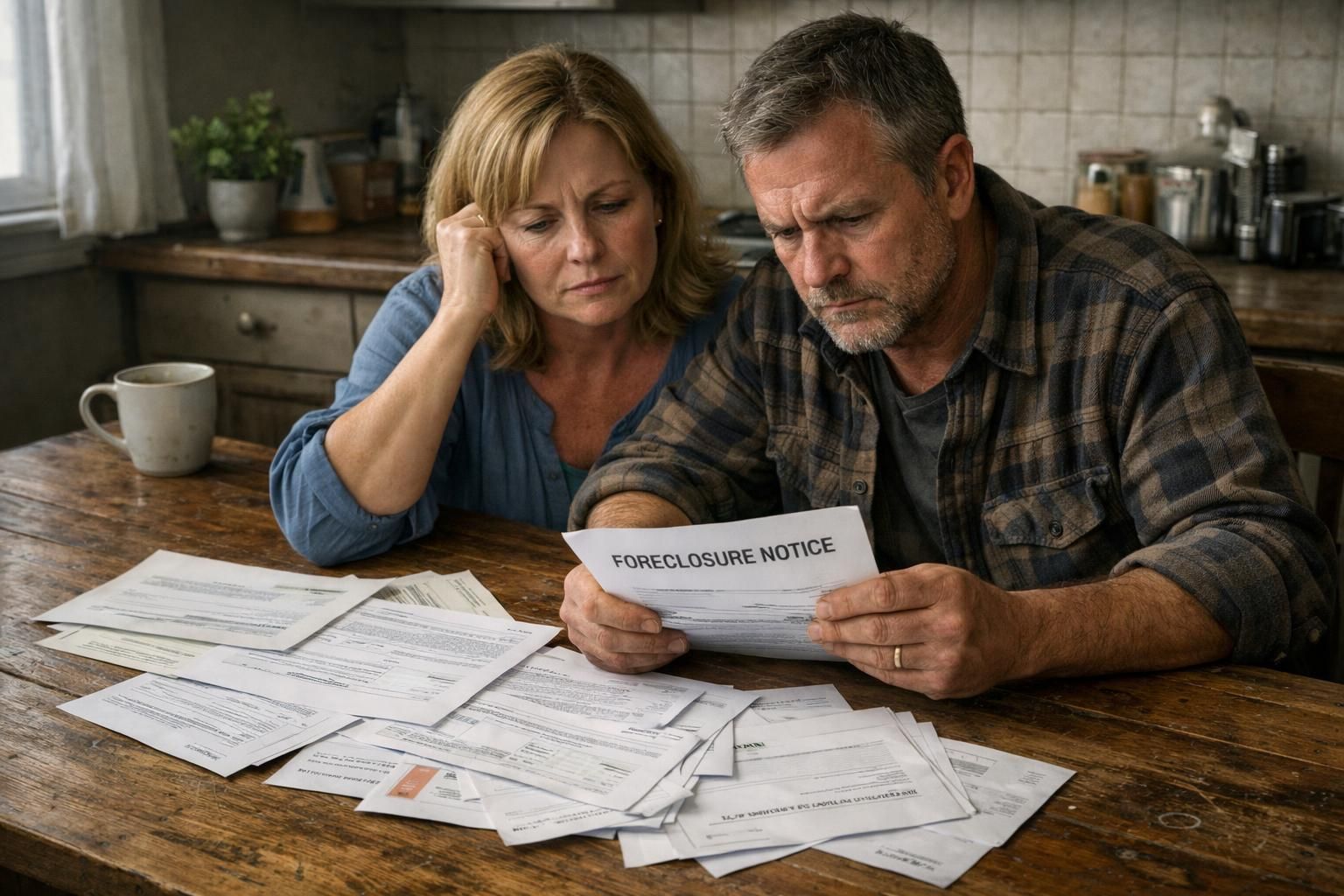
If you have missed mortgage payments or are facing financial hardship in Indiana, you may be wondering how long foreclosure will take. Indiana is a judicial foreclosure state, meaning every case must go through the court system. The process typically takes 5 to 12 months from first default to sheriff's sale, though delays can push that timeline longer. Understanding each step can help you protect your home and make informed decisions before it is too late.
Key Takeaways
- Indiana uses judicial foreclosure exclusively, meaning lenders must file a lawsuit in circuit or superior court before any sale can occur.
- The typical Indiana foreclosure timeline runs 5 to 12 months from the first missed payment to a sheriff's sale, though court backlogs in counties like Marion (Indianapolis) can extend this further.
- After 120 days of missed payments, lenders may file a complaint in the county where the property is located and formally begin proceedings.
- Indiana does not provide a statutory post-sale redemption period for most residential foreclosures, so acting before the sheriff's sale is critical.
- Options like loan modification, short sale, deed in lieu, or selling your home for cash can help you avoid foreclosure and protect your credit score.
Indiana Foreclosure Timeline Overview
Indiana handles all residential foreclosures through the courts. There is no nonjudicial or "power of sale" option available to lenders here. Every foreclosure case moves through Indiana's circuit or superior court in the county where the property sits—whether that is Marion County in Indianapolis, Hamilton County in Carmel and Fishers, or Boone County in Lebanon.
Judicial Foreclosure: Indiana's Only Path (5–12+ months)
Because Indiana requires court proceedings for every foreclosure, the timeline is longer than nonjudicial states like Georgia or Texas. From the first missed payment to a completed sheriff's sale, most Indiana foreclosures take 5 to 12 months. Cases involving contested defenses or crowded court dockets can stretch well beyond a year.
The lender must file a complaint, serve you with a summons, allow time for your response, and obtain a court judgment before scheduling a sheriff's sale. Each of these steps takes time, and Indiana law builds in specific waiting periods that give homeowners opportunities to respond or seek alternatives.
Court oversight means you have more chances to negotiate, apply for loss mitigation, or contest improper filings than you would in a fast-moving nonjudicial state. However, it also means months of uncertainty while your case moves through the docket.
Comparison: Indiana vs. Fast and Slow States
| State | Process Type | Average Timeline | Redemption After Sale? |
|---|---|---|---|
| Indiana | Judicial | 5–12 months | Generally no |
| Georgia | Nonjudicial | ~37 days | No |
| Texas | Nonjudicial | ~41 days | No |
| Michigan | Nonjudicial | ~60 days | Yes (6 months) |
| New York | Judicial | 1–3 years | Yes |
| New Jersey | Judicial | ~3 years | Yes (10 days) |
Indiana falls in a moderate range—longer than fast nonjudicial states but shorter than heavily backlogged states like New York or New Jersey. This timeline gives you meaningful time to explore options if you act early.
The Indiana Foreclosure Process Step-by-Step

Missed Payments and Default (30–120 days)
Missing a mortgage payment starts a clock that eventually leads to foreclosure if left unaddressed. Most servicers apply a grace period—typically 14 days—before charging a late fee. Once you are 30 days past due, your loan is considered delinquent and your credit score will reflect this.
Under federal mortgage servicing rules, lenders generally cannot begin formal foreclosure proceedings until you are more than 120 days delinquent. During this window, your mortgage servicer should contact you about options including repayment plans, forbearance, or loan modification. Use this time—it is often the most flexible stage of the entire process.
Indiana's Pre-Foreclosure Notice Requirement (30 days before filing)
Indiana law requires lenders to send you a written notice before filing a foreclosure complaint. This notice must inform you of the default, the amount needed to cure it, and your right to contact a housing counselor. It also must include information about Indiana's Hardest Hit Fund and other state assistance programs, if applicable.
This notice period gives you one final opportunity to cure the default or negotiate with your servicer before the legal process formally begins. Do not ignore this notice—responding promptly opens the door to alternatives that can stop foreclosure entirely.
Filing the Foreclosure Complaint (Day 1 of court process)
Once the pre-filing notice period passes and no resolution is reached, the lender files a foreclosure complaint in the circuit or superior court of the county where your property is located. In Indianapolis, that is Marion County Superior Court. In Carmel and Fishers, cases are filed in Hamilton County.
The complaint outlines what you owe, including principal, interest, late fees, and attorney costs. The court then issues a summons that must be served on you personally or by certified mail. This filing is a matter of public record.
Your Response Period (20–23 days)
After being served with the summons and complaint, you typically have 20 to 23 days to file a written response with the court. Filing an Answer is important—if you do not respond, the lender can request a default judgment, which speeds the process significantly and removes your ability to contest the foreclosure in court.
Your Answer can raise defenses such as improper service, errors in the loan amount, or failure of the lender to comply with required notice procedures. An Indiana foreclosure defense attorney can help you identify valid arguments and buy additional time to pursue alternatives.
Court Proceedings and Judgment (2–6 months)
After your response period, the case moves through the court system. The lender will typically seek a summary judgment if there are no disputed facts. If you have filed an Answer and raised defenses, the court may schedule hearings before ruling. Indiana courts also have foreclosure mediation programs in some counties that allow homeowners and lenders to negotiate before a judgment is entered.
Once the court grants judgment in favor of the lender, it also sets the terms for the sheriff's sale, including a minimum bid amount and sale date. The time from complaint filing to judgment commonly runs 3 to 6 months in Indiana, though Marion County and other busy courts can take longer.
Sheriff's Sale (30–90 days after judgment)
Indiana foreclosure sales are conducted by the county sheriff, not a private trustee. After judgment is entered, the sheriff schedules a public auction, typically within 30 to 90 days. Notice of the sale must be published in a local newspaper once a week for three consecutive weeks before the auction date.
At the sheriff's sale, your home is sold to the highest bidder. If no third party bids above the minimum, the lender typically takes the property as REO (Real Estate Owned). Once the sale is confirmed by the court, your ownership rights end. 2
Indiana does not provide a general statutory right of redemption after the sheriff's sale for most residential foreclosures, which distinguishes it from states like Michigan. This makes acting before the sale critical.
Post-Sale Eviction (30–90 days)
After the court confirms the sheriff's sale, the new owner—whether the lender or a third-party bidder—can seek an order for possession. If you remain in the home, the new owner must file for eviction through Indiana's court system. You typically have 30 to 90 days from sale confirmation before law enforcement can require you to vacate. Failing to leave by the court-ordered deadline can result in a writ of assistance and removal by the sheriff's department.
Indiana-Specific Legal and Tax Considerations

Deficiency Judgments in Indiana
If your home sells at the sheriff's sale for less than the total amount you owe, Indiana law allows lenders to seek a deficiency judgment against you for the remaining balance. This means you could owe money even after losing your home. Indiana does not have broad anti-deficiency protections like some other states, so this is a real risk to consider when evaluating your options.
If the lender later forgives that deficiency, the IRS may treat the forgiven amount as taxable income. Consulting with a tax professional about IRS Form 1099-C and any applicable insolvency exclusions is strongly recommended.
Property Taxes and Foreclosure in Indiana
Indiana property taxes are paid in arrears and due in two installments—May 10 and November 10. If you are behind on property taxes in addition to your mortgage, the county treasurer can initiate a separate tax sale process. Unpaid property taxes in Indiana can lead to a tax lien sale after one year of delinquency, which runs parallel to any mortgage foreclosure and can complicate your situation further. Staying current on property taxes—or at minimum understanding where you stand—is important when navigating foreclosure.
Bankruptcy and the Automatic Stay in Indiana
Filing for Chapter 7 or Chapter 13 bankruptcy in the Southern or Northern District of Indiana federal courts triggers an automatic stay that immediately halts all foreclosure proceedings, including the sheriff's sale. Chapter 13 in particular allows you to catch up on missed mortgage payments over a 3-to-5-year repayment plan while keeping your home. The stay is not permanent, and lenders can file for relief from it, but it provides critical breathing room to reorganize your finances.
Active-duty military members also receive additional protections under the federal Servicemembers Civil Relief Act, which can pause foreclosure proceedings during deployment.
Factors That Affect Indiana's Foreclosure Timeline

Your Response to the Lawsuit
Filing an Answer to the foreclosure complaint is one of the most effective ways to extend your timeline and protect your rights. Homeowners who do not respond allow lenders to obtain a default judgment quickly—often cutting months off the process. Contesting the action, attending any mediation session offered by the court, or raising legitimate defenses can add several months to your timeline and create space to negotiate alternatives.
Lender Backlogs and Loan Modification Applications
High foreclosure volumes in areas like Indianapolis can slow down both lender processing and court scheduling. Submitting a complete loan modification application to your mortgage servicer is one of the most common ways to pause or delay a scheduled sheriff's sale. Federal mortgage rules generally require servicers to evaluate a complete loss mitigation application before moving forward with foreclosure.
County Court Schedules
Indiana's 92 counties each have their own court dockets. Marion County courts handling Indianapolis-area cases may move more slowly due to volume. Smaller counties with fewer filings may reach judgment faster. Understanding your local court's pace helps you set realistic expectations.
Your Rights as an Indiana Homeowner in Foreclosure
Right to Cure and Reinstatement
Indiana law gives you the right to reinstate your mortgage by paying all past-due amounts, including fees and costs, up until a certain point before the sheriff's sale. Reinstating your loan stops the foreclosure and returns your mortgage to current status. This is different from paying off the full loan balance—you only need to catch up on what is past due, not pay everything off.
Notification Requirements
Indiana lenders must follow specific notice requirements at every stage. You must receive a pre-filing notice before the complaint is filed, be properly served with the summons and complaint, and receive published notice of the sheriff's sale. Failure to follow these steps can be grounds for contesting the foreclosure. If you believe notice requirements were not met, consult a foreclosure defense attorney promptly.
Housing Counseling Resources
The Indiana Foreclosure Prevention Network (IFPN) connects homeowners with HUD-approved housing counselors who can help you understand your options at no cost. These counselors can assist with loan modification applications, lender negotiations, and referrals to legal aid organizations. Taking advantage of these free resources early in the process significantly improves your outcomes.
Options Before the Sheriff's Sale
Loan Modification, Short Sale, or Deed in Lieu
If you can demonstrate financial hardship, your mortgage servicer may agree to modify your loan terms—lowering your interest rate, extending your repayment period, or adding missed payments to the end of your loan. A loan modification stops foreclosure if approved and keeps you in your home.
A short sale allows you to sell your home for less than the outstanding mortgage balance with lender approval. In Indiana, you may still face a deficiency judgment after a short sale unless the lender agrees in writing to waive it. A deed in lieu of foreclosure transfers your property directly to the lender, avoiding the public auction process, but also typically requires proof that other options were exhausted first.
Selling Your Home for Cash
You retain legal ownership of your home until the sheriff's sale is confirmed by the court. This means you have time—potentially several months—to sell your home on the open market or accept a cash offer. Selling before the sheriff's sale allows you to pay off the mortgage balance, avoid a deficiency judgment, and exit the process with your credit in better shape than a completed foreclosure would leave it. 5
Cash buyers can close in as little as two weeks and do not require home repairs or mortgage approvals. In a judicial state like Indiana, where timelines give you more runway than fast nonjudicial states, a cash sale is often a realistic and practical option if you move quickly after receiving a foreclosure complaint.
Conclusion
Indiana's judicial foreclosure process gives homeowners more time than many other states, but that time passes quickly when you are not sure what steps to take. From the first missed payment to a completed sheriff's sale, you may have 5 to 12 months—but each stage has deadlines that shrink your options if you miss them.
Whether you are in Indianapolis, Noblesville, or anywhere else in Indiana, understanding your rights and acting early gives you the best chance of protecting your home, your credit, and your financial future. Reach out to a HUD-approved housing counselor, consult a foreclosure defense attorney, and explore all available alternatives before the sheriff's sale date arrives.
If selling your home quickly is the right move for your situation, KDS Homebuyers can help. Visit kdshomebuyers.net to request a free, no-obligation cash offer on your Indiana home and find out how fast you can close before foreclosure moves forward.
FAQs
1. How long does foreclosure take in Indiana?
Indiana is a judicial foreclosure state, so every case goes through the court system. From the first missed payment to a completed sheriff's sale, the typical timeline is 5 to 12 months. Contested cases or court backlogs in busy counties like Marion County can extend this further.
2. Does Indiana have a redemption period after the sheriff's sale?
Indiana generally does not provide a statutory post-sale redemption period for most residential foreclosures. Once the court confirms the sheriff's sale, your ownership rights end. This makes acting before the sale critical.
3. Can a lender pursue a deficiency judgment in Indiana?
Yes. If your home sells at the sheriff's sale for less than the amount you owe, the lender can seek a court judgment against you for the remaining balance. Indiana does not have broad anti-deficiency protections, so this is an important risk to factor into your decisions.
4. What can I do to stop or delay foreclosure in Indiana?
You can file an Answer to the foreclosure complaint, apply for loan modification with your servicer, pursue a short sale or deed in lieu, file for bankruptcy to trigger an automatic stay, or sell your home for cash before the sheriff's sale. Acting early and seeking legal advice dramatically improves your options.
5. What happens if I stay in my home after the sheriff's sale in Indiana?
The new owner must file for eviction through Indiana's courts to remove you. You typically have 30 to 90 days after the sale is confirmed before you can be required to vacate. Staying beyond a court-ordered deadline can result in removal by the sheriff's department.
References
- ^ https://www.nolo.com/legal-encyclopedia/states-with-long-foreclosure-timelines.html
- ^ https://hcr.ny.gov/system/files/documents/2018/10/factsheetnysforeclosure.pdf
- ^ https://www.nycourts.gov/courthelp/pdfs/Foreclosureflowchart.pdf
- ^ https://www.researchgate.net/publication/282448136_The_Cost_of_Foreclosure_Delay
- ^ https://thda.org/help-for-homeowners/stages-of-foreclosure/
