

How Long Does Foreclosure Take? State-by-State Timelines in Florida
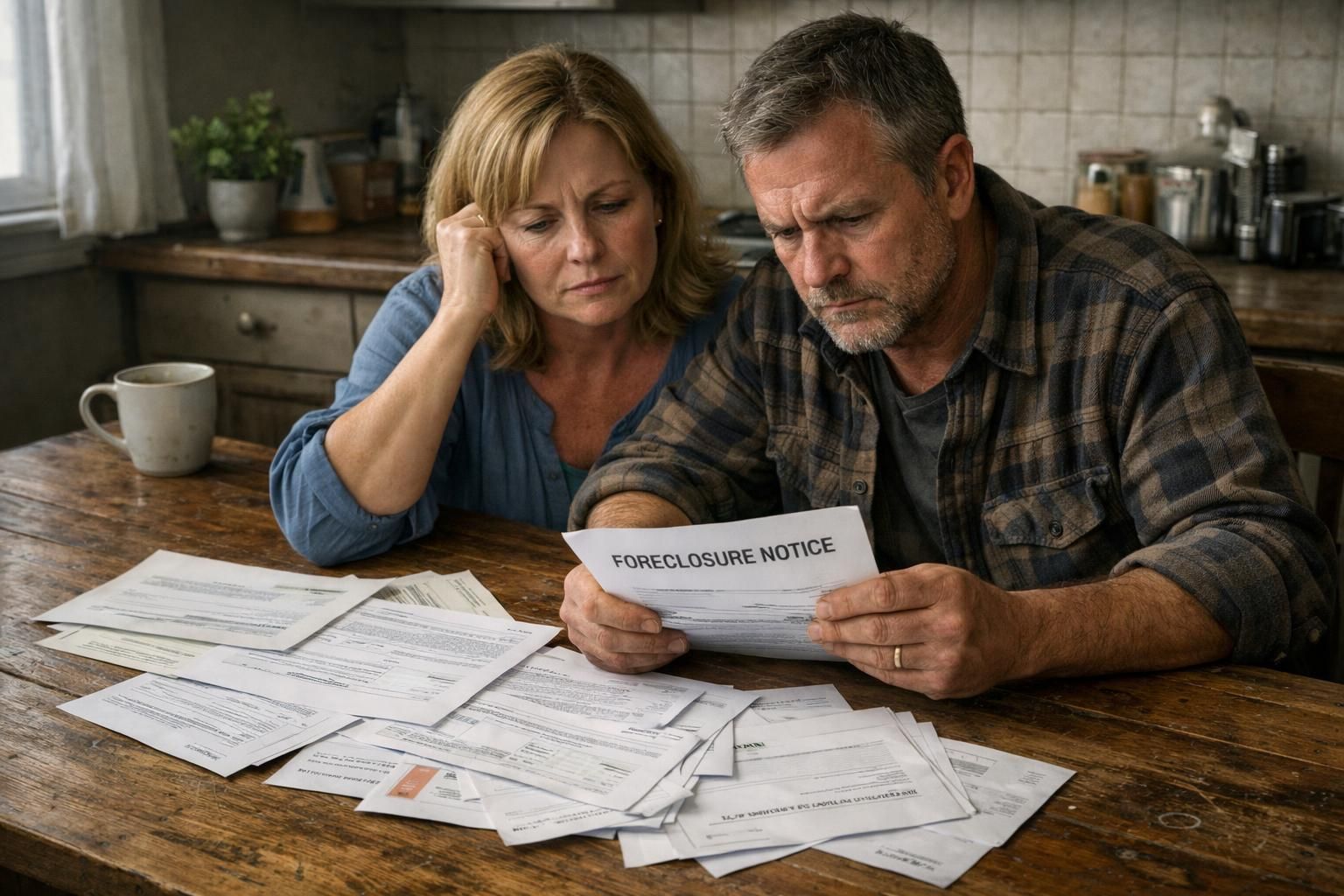
If you have missed mortgage payments or are facing financial hardship in Florida, you may be wondering how long foreclosure takes. Florida is a judicial foreclosure state, meaning every case must go through the court system. That process typically runs anywhere from 6 months to nearly 3 years, depending on court backlogs, lender workload, and how actively you respond to the proceedings. 1
This guide breaks down the Florida foreclosure timeline step by step — from notice of default to property auction and eviction — so you know what to expect and how to protect your home before it is too late.
Key Takeaways
- Florida uses judicial foreclosure exclusively, meaning your lender must file a lawsuit and get a court judgment before your home can be sold at auction.
- The average Florida foreclosure takes 180 days to nearly 3 years, depending on court docket congestion in your county and whether you contest the action.
- Lenders cannot begin formal proceedings until you are at least 120 days behind on payments. Once filed, you will receive a Lis Pendens and a Summons and Complaint.
- Florida law gives you the right to contest foreclosure in court, request mediation, and pursue loss mitigation options like loan modification before a final judgment is entered.
- Unlike non-judicial states, Florida does not offer a statutory post-sale redemption period — once the certificate of sale is issued, your right to reclaim the property is generally gone.
- Acting early — by selling your home, negotiating with your servicer, or seeking legal counsel — gives you the best chance of protecting your credit and avoiding eviction.
Florida's Judicial Foreclosure Process: An Overview
Florida requires all residential mortgage foreclosures to go through the circuit court system. Your lender cannot use a trustee sale or power-of-sale clause to bypass the courts. This adds significant time to the process compared to fast-moving states like Georgia or Texas, but it also gives you more opportunities to challenge the action, negotiate with your lender, or explore alternatives before losing your home.
Florida foreclosure cases are heard in the Circuit Court of the county where the property is located. In high-volume markets like Miami-Dade, Broward, and Hillsborough counties, court backlogs can stretch timelines considerably. Smaller counties may move somewhat faster, but the mandatory legal steps remain the same statewide.
Judicial vs. Non-Judicial: Why It Matters for Florida Homeowners
| Feature | Florida (Judicial) | Non-Judicial States (e.g., Georgia, Texas) |
|---|---|---|
| Court Involvement | Required — Circuit Court oversees the entire process | None — trustee manages the sale |
| Average Timeline | 6 months to 3 years | 37 to 120 days |
| Homeowner Rights | Right to contest, request mediation, pursue loss mitigation | Limited; little time to act before auction |
| Post-Sale Redemption | No statutory redemption period after certificate of sale | Varies; many states offer none |
| Deficiency Judgments | Permitted; lender may pursue remaining balance after sale | Varies by state |
The Florida Foreclosure Process Step-by-Step
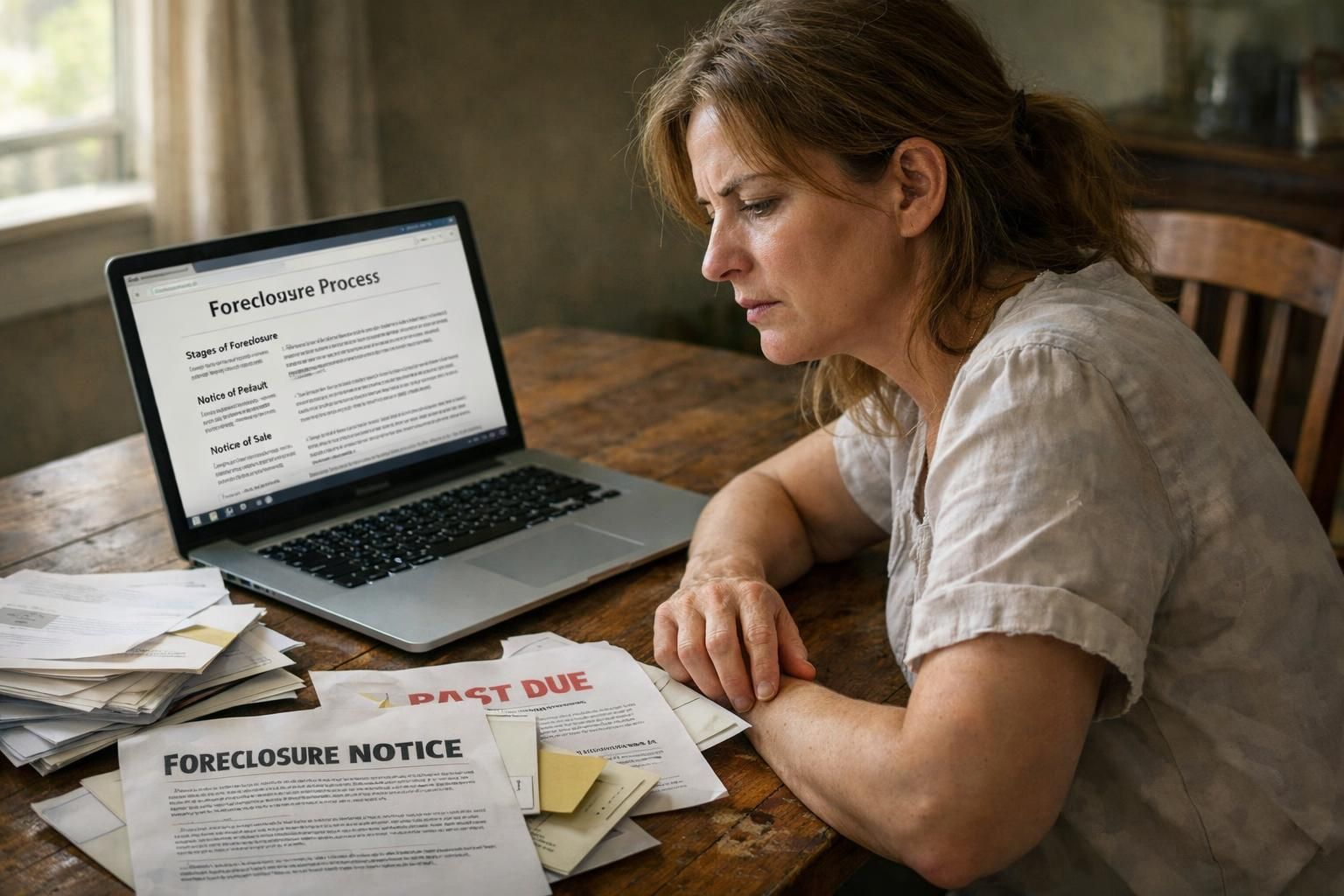
Step 1: Missed Payments and Default (30–120 Days)
Missing a single mortgage payment triggers a late fee after the typical 14-day grace period. Once you are 30 days late, your loan is considered delinquent and your credit score may drop significantly. Under federal mortgage servicing rules, your lender cannot begin formal foreclosure proceedings in Florida until you are at least 120 days past due on payments.
During this window, your mortgage servicer must send you written notices detailing the amount owed and informing you of available loss mitigation options. This is also the best time to contact your servicer about forbearance, repayment plans, or loan modification — before the legal process begins.
Step 2: Lis Pendens and Summons and Complaint Filing (Day 120+)
Once the 120-day period passes, your lender's attorney files a Lis Pendens with the county clerk's office. This public notice alerts anyone searching property records that the home is subject to foreclosure litigation. Simultaneously, the lender files a Summons and Complaint in the Circuit Court of the county where your property is located.
You will be formally served with these documents. Under Florida law, you generally have 20 days from the date of personal service to file a written Answer with the court. Failing to respond allows the lender to seek a default judgment against you, which can accelerate the timeline dramatically. If you are served by publication (when you cannot be located), the timeline may shift, but the consequences of not responding remain the same.
Step 3: Pre-Foreclosure Period — Mediation and Loss Mitigation (Varies)
After the complaint is filed and you have responded, Florida courts may refer your case to mediation or a case management conference. The Florida Supreme Court's residential mortgage foreclosure mediation program gives homeowners an opportunity to negotiate directly with lenders for solutions such as loan modification, repayment plans, or a short sale agreement.
This stage can last several months, particularly in busy circuits like Miami-Dade or Orlando's Orange County. You can also submit a loss mitigation application to your servicer during this period, which may pause further proceedings while the application is under review. Judges may grant continuances, further extending the timeline if both parties are working toward resolution.
Step 4: Summary Judgment or Trial (Several Months to Over a Year)
If mediation and loss mitigation fail, the lender will typically file a Motion for Summary Judgment, asking the court to rule in its favor without a full trial. You have the right to oppose this motion in writing and appear at the hearing to present defenses — such as improper service, failure to comply with notice requirements, or questions about the lender's standing to sue.
If the court grants summary judgment or a judgment after trial, it will set a foreclosure sale date. From the time of filing to a final judgment, this stage alone can take anywhere from a few months to well over a year in heavily backlogged counties.
Step 5: Certificate of Sale and Foreclosure Auction (20–35 Days After Judgment)
Once a final judgment of foreclosure is entered, Florida law requires the foreclosure sale to be scheduled no sooner than 20 days and no later than 35 days from the date of the judgment, unless the court approves a different timeline. The sale is typically conducted online through a county-designated auction platform (many Florida counties use a third-party online auction service).
The property goes to the highest bidder. If no third party bids above the judgment amount, the lender takes title as an REO (Real Estate Owned) property. After the sale, the clerk issues a Certificate of Sale. Florida does not provide a statutory right of redemption after the Certificate of Sale is issued — you cannot reclaim the property by paying off the debt once this document is recorded. 2
Step 6: Certificate of Title and Eviction (30–90 Days)
If no objections are filed within 10 days of the sale, the clerk issues a Certificate of Title to the winning bidder, transferring ownership. The new owner may then file for a Writ of Possession in the same circuit court. Once granted, the county sheriff will serve you with notice to vacate — typically giving you 24 hours to leave before law enforcement removes occupants and their belongings.
If you do not vacate voluntarily, the eviction process through Florida's courts adds additional time but will ultimately result in removal. Staying cooperative with the new owner or lender during this period sometimes allows for a negotiated move-out timeline.
Florida Foreclosure Timeline at a Glance

| Stage | Estimated Duration |
|---|---|
| Missed payments to filing (pre-default period) | 120 days minimum |
| Lis Pendens and complaint served | Days 120–150 |
| Homeowner response window | 20 days from service |
| Mediation, loss mitigation, hearings | 3–12+ months |
| Summary judgment or trial | 2–12+ months |
| Foreclosure auction (after final judgment) | 20–35 days |
| Certificate of Title issued | 10+ days after sale |
| Writ of Possession and eviction | 30–90 days |
| Total typical range | 6 months to 3 years |
Factors That Speed Up or Slow Down Florida Foreclosures

Homeowner Response
Filing a timely Answer and raising valid defenses — such as the lender's failure to comply with notice requirements or questions about the chain of title — can add months or even years to the timeline. Ignoring the complaint and allowing a default judgment to be entered moves the case to auction much faster.
County Court Backlogs
Florida's most populous counties — Miami-Dade, Broward, Palm Beach, and Hillsborough — routinely carry heavy foreclosure dockets. A case in Tampa or Miami may sit in queue for a year or more before a summary judgment hearing is scheduled, while a rural county may move considerably faster.
Loan Modification and Loss Mitigation Applications
Submitting a complete loss mitigation application to your servicer can pause foreclosure activity while the application is reviewed. Florida courts generally expect lenders to evaluate these applications before pushing aggressively toward a sale date.
Bankruptcy Filings
Filing Chapter 7 or Chapter 13 bankruptcy triggers an automatic stay that immediately halts all foreclosure activity — including scheduled auctions. Chapter 13 can allow you to catch up on missed payments over a 3-to-5-year repayment plan and potentially save your home. The stay lifts if the bankruptcy is dismissed or if the lender successfully files a motion for relief from the stay. 4
Your Rights During a Florida Foreclosure
Right to Contest and Raise Defenses
Because Florida uses judicial foreclosure, you have a meaningful opportunity to challenge your lender's case in court. Common defenses include improper service of process, the lender's failure to own or hold the original promissory note, and procedural errors in the filing. An attorney familiar with Florida foreclosure defense can assess which defenses apply to your situation.
No Post-Sale Redemption Period
Unlike some states, Florida does not give homeowners a redemption period after the Certificate of Sale is issued. You must act before the sale — not after — if you want to stop the process. Your right to reinstate the loan (by paying all past-due amounts and fees) generally extends up until the court enters a final judgment of foreclosure.
Deficiency Judgment Rules
If your home sells at auction for less than the amount you owe, Florida law permits the lender to seek a deficiency judgment for the remaining balance. However, the lender must file for the deficiency within one year of the foreclosure sale. Florida courts must also consider the fair market value of the property when calculating the deficiency amount — meaning the judgment may be less than the full shortfall. 3
Tax Implications of Foreclosure in Florida
Florida does not have a state income tax, so you will not owe state income tax on forgiven mortgage debt. However, if your lender forgives the deficiency balance, the IRS may treat that canceled debt as taxable income at the federal level. Certain exemptions may apply — such as the insolvency exclusion — so consult a tax professional about your specific situation before the foreclosure is finalized.
Florida also imposes a documentary stamp tax on deeds, which can come into play in deed-in-lieu transactions. Property taxes on your home continue to accrue during foreclosure; unpaid property taxes can create additional liens that complicate the process.
Options Before the Foreclosure Sale

Loan Modification
Contact your mortgage servicer as early as possible to request a loan modification. Servicers may agree to lower your interest rate, extend your repayment term, or add missed payments to the back end of your loan. Government programs may also be available depending on your loan type. Submitting a complete modification package can pause foreclosure activity while the review is pending.
Short Sale
A short sale lets you sell your home for less than the outstanding mortgage balance with lender approval. In Florida, lenders must agree to the terms in advance. A successful short sale avoids a public foreclosure auction, causes less damage to your credit score than a completed foreclosure, and may eliminate the deficiency depending on the agreement you reach with your lender.
Deed in Lieu of Foreclosure
You can voluntarily transfer title to the lender in exchange for cancellation of the mortgage debt. Lenders typically require proof that a traditional or short sale was not feasible. Like a short sale, this avoids a public auction and may be negotiated to include a deficiency waiver.
Selling Your Home for Cash
You retain legal ownership of your home all the way up to the foreclosure sale date. That means you can sell your property at any point during the process — including after a final judgment is entered — as long as the sale closes before the auction. A cash buyer can often close in as little as two weeks, giving you enough time to pay off the mortgage balance, avoid a deficiency judgment, and protect your credit report from a completed foreclosure entry. 5
Conclusion
Florida's judicial foreclosure process gives homeowners more time and more legal options than fast-moving non-judicial states — but it also means months or years of uncertainty, court appearances, and mounting legal fees. Whether you are just behind on payments or have already received a Summons and Complaint, the most important step is acting quickly. The earlier you engage with your servicer, an attorney, or a housing counselor, the more options remain available to you.
If you need to sell your home quickly to avoid foreclosure in Florida, KDS Homebuyers can help. We buy houses directly from homeowners for cash, with no repairs required and no agent commissions. Visit kdshomebuyers.net to get a free, no-obligation cash offer and find out how fast we can close — before your foreclosure sale date arrives.
FAQs
1. How long does foreclosure take in Florida?
Florida foreclosures typically take 6 months to nearly 3 years from the first missed payment to a completed sale. The timeline depends on court backlog in your county, whether you contest the action, and how actively your lender pursues the case.
2. Does Florida have a redemption period after foreclosure?
No. Florida does not provide a statutory right of redemption after the Certificate of Sale is issued. You must act before the foreclosure auction if you want to stop the process or reclaim your home.
3. Can my lender sue me for the remaining balance after foreclosure?
Yes. Florida allows lenders to pursue deficiency judgments for the difference between what you owe and what the home sold for at auction. The lender must file for the deficiency within one year of the sale, and the court considers the property's fair market value in calculating the amount.
4. What happens if I do not respond to the foreclosure complaint?
If you fail to file a written Answer within the required time (generally 20 days from personal service), the lender can seek a default judgment, which moves the case to a foreclosure sale much faster with no opportunity for court-supervised negotiation.
5. Can filing bankruptcy stop a Florida foreclosure?
Yes. Filing Chapter 7 or Chapter 13 bankruptcy triggers an automatic stay that immediately halts foreclosure proceedings, including scheduled auctions. Chapter 13 may allow you to catch up on missed payments over time and keep your home. Consult a bankruptcy attorney to determine which option fits your situation.
References
- ^ https://www.nolo.com/legal-encyclopedia/states-with-long-foreclosure-timelines.html
- ^ https://hcr.ny.gov/system/files/documents/2018/10/factsheetnysforeclosure.pdf
- ^ https://www.nycourts.gov/courthelp/pdfs/Foreclosureflowchart.pdf
- ^ https://www.researchgate.net/publication/282448136_The_Cost_of_Foreclosure_Delay
- ^ https://thda.org/help-for-homeowners/stages-of-foreclosure/
