

How Long Does Foreclosure Take? State-by-State Timelines in Colorado
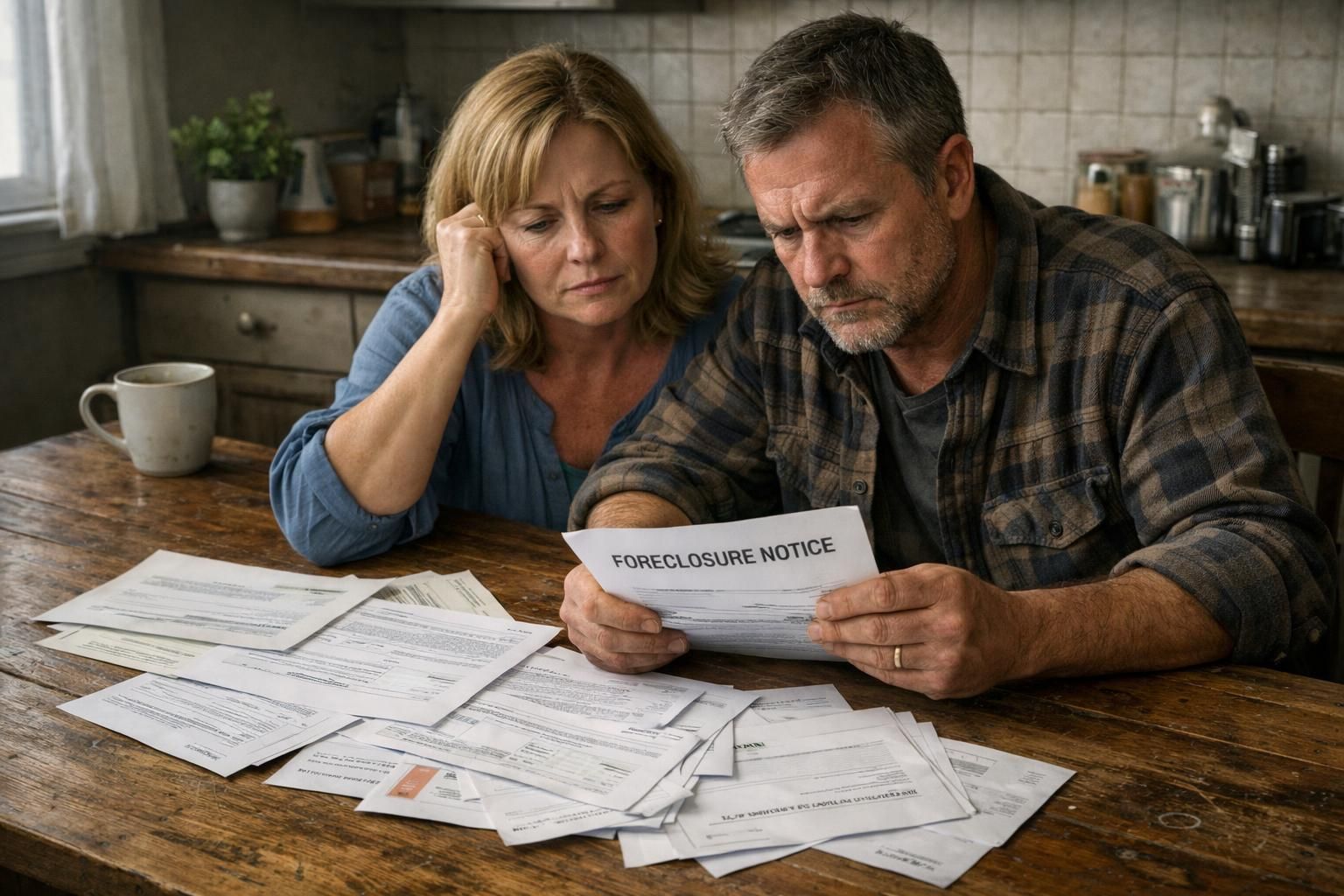
If you have missed mortgage payments or are facing financial hardship in Colorado, you may be wondering how long foreclosure takes. Colorado is primarily a nonjudicial foreclosure state, meaning the process can move quickly — often completing in as little as 110 to 145 days from the first notice. Understanding each step of Colorado's foreclosure timeline can help you protect your home and make informed decisions before it is too late. 1
Key Takeaways
- Colorado uses a nonjudicial foreclosure process governed by the Colorado Rule 120 hearing, which is typically faster than fully judicial states but still includes court oversight at one key stage.
- The full timeline from missed payment to foreclosure sale generally runs 110 to 145 days, though lender backlogs or homeowner responses can extend this.
- After 120 days of missed payments, Colorado lenders may file a Notice of Election and Demand (NED) with the county public trustee to begin official proceedings.
- Colorado homeowners have a right to cure — to catch up on missed payments — up until the Rule 120 hearing is completed and a sale date is confirmed.
- Colorado does not provide a post-sale statutory redemption period for homeowners in most nonjudicial foreclosures, so acting before the sale is critical.
- Filing bankruptcy, applying for loan modification, or selling your home before auction are all options that can slow or stop the Colorado foreclosure process.
Colorado Foreclosure Timeline Overview
Colorado uses the Public Trustee foreclosure system, which is a nonjudicial process administered by the public trustee in each county. Unlike purely judicial states where lenders must sue in court, Colorado's process moves through the public trustee's office with one limited court step — the Rule 120 hearing — that allows a judge to authorize the sale. This makes Colorado foreclosures faster than states like New York or New Jersey but includes more structure than states like Georgia or Texas.
Judicial vs. Nonjudicial: Where Colorado Fits
Colorado is classified as a nonjudicial foreclosure state, but it is not entirely without court involvement. The Rule 120 hearing in district court is a relatively brief proceeding where the lender demonstrates that a default exists and that it has the right to foreclose. Homeowners can appear and raise limited defenses at this hearing, but the scope is narrower than a full judicial foreclosure lawsuit.
Full judicial foreclosure is available in Colorado but is rarely used. The public trustee process is faster and less expensive for lenders, so almost all residential foreclosures in Denver, Aurora, Colorado Springs, and across the state follow the nonjudicial route.
| Process Type | Timeline | Court Involvement | Homeowner Rights |
|---|---|---|---|
| Colorado Nonjudicial (Public Trustee) | 110–145 days from NED filing | Limited Rule 120 hearing | Right to cure before sale; no post-sale redemption for homeowners in most cases |
| Colorado Judicial Foreclosure | 6–18+ months | Full district court lawsuit | Broader defenses; redemption rights may apply |
| Fast Nonjudicial States (e.g., Georgia, Texas) | 37–60 days | None | Very limited |
| Slow Judicial States (e.g., New York, New Jersey) | 1–3+ years | Full court proceedings | Redemption periods; settlement conferences |
The Colorado Foreclosure Process Step-by-Step

Step 1: Missed Payments and Default (30–120 Days)
Most mortgage servicers allow a 14-day grace period before assessing late fees. Once you are 30 days behind, your loan is considered delinquent and your credit score may drop significantly. Under federal law, lenders generally cannot begin formal foreclosure proceedings until you are at least 120 days past due on payments. During this period, your servicer is required to inform you of available loss mitigation options, including repayment plans, forbearance, and loan modification programs.
Use this window to contact your mortgage servicer, reach out to a HUD-approved housing counselor in Colorado, or consult with a foreclosure attorney in your area. Acting during these first few months gives you the most flexibility.
Step 2: Notice of Election and Demand (NED) Filing
Once 120 days have passed without payment, your lender can direct the county public trustee to record a Notice of Election and Demand (NED) in the county where the property is located. This is the official start of the Colorado foreclosure process. The public trustee records the NED with the county clerk and recorder and mails notice to you at the property address.
The NED is a public record. From this point forward, Colorado law sets a mandatory waiting period before any sale can take place — a minimum of 110 days after the NED recording for most properties, giving you time to explore your options. 1
Step 3: Publication and Rule 120 Hearing (Weeks 1–10 After NED)
After the NED is filed, the public trustee publishes notice of the foreclosure sale in a local newspaper once a week for five consecutive weeks. Simultaneously, the lender files a motion with the Colorado district court for a Rule 120 Order Authorizing Sale. This court hearing is Colorado's built-in check — a judge reviews whether a default exists and whether the lender has standing to foreclose.
You can appear at the Rule 120 hearing to contest the lender's right to foreclose. Grounds are limited, but this is an important step if you believe there are errors in the foreclosure or if you are actively in loan modification negotiations. The Rule 120 hearing typically occurs several weeks after the NED is filed, giving the process its approximate 110-to-145-day total timeline.
Step 4: Right to Cure Period
Colorado gives homeowners a right to cure the default — meaning you can stop the foreclosure by catching up on all overdue payments, including fees and costs — up until the later of the Rule 120 hearing date or 15 days before the scheduled sale. This right to cure is a significant protection. If you can bring your loan current by the cure deadline, the foreclosure is canceled and you keep your home.
The cure amount includes all missed principal and interest payments, late charges, and servicer fees. Contact your mortgage servicer or the county public trustee's office for an exact cure figure if you are considering this option.
Step 5: Foreclosure Sale (Public Trustee Auction)
Once the Rule 120 order is granted and the cure period has expired without payment, the public trustee schedules the foreclosure sale. In Colorado, the sale is conducted by the county public trustee — not a private auctioneer or sheriff. Sales are typically held at the county courthouse or public trustee's office and announced publicly.
Your home is sold to the highest bidder. If no third-party buyer purchases the property, it reverts to the lender as REO (Real Estate Owned). If the sale price is less than the outstanding mortgage balance, your lender may pursue a deficiency judgment against you unless anti-deficiency protections apply to your situation. 3
Colorado does not provide homeowners with a post-sale statutory redemption period in the standard public trustee process, although junior lienholders (such as second mortgage holders or HOAs) do have a redemption right. Once the sale is confirmed, your ability to reclaim the property is extremely limited.
Step 6: Post-Sale Eviction (30–90 Days)
After the foreclosure sale, if you remain in the property, the new owner must initiate a formal eviction through Colorado's district or county court. This typically takes 30 to 90 days depending on how quickly the new owner files and the court's schedule. You will receive a Notice to Quit before any formal eviction action begins. If you do not vacate, the court can issue a writ of restitution, allowing law enforcement to remove occupants.
Acting early — whether by negotiating a cash-for-keys agreement with the new owner or by making other housing arrangements — can help you avoid the stress and public record of a formal eviction proceeding.
Colorado-Specific Foreclosure Considerations

Deficiency Judgments in Colorado
If your home sells at the public trustee sale for less than you owe, your lender may file a lawsuit in Colorado district court seeking a deficiency judgment for the remaining balance. Colorado law places some limits on deficiency judgments — courts consider the fair market value of the property at the time of sale, not just the auction price, when calculating what you owe. This means even if your home sold for far below market value at a distressed auction, the deficiency may be smaller than the raw numbers suggest.
Consult with a Colorado real estate attorney about whether deficiency judgment exposure applies to your specific loan and situation.
Tax Implications of Foreclosure in Colorado
If your lender forgives mortgage debt after a foreclosure or short sale, the IRS may treat the canceled debt as taxable income. While federal exclusions have historically applied to primary residences under the Mortgage Forgiveness Debt Relief Act, those provisions have changed over time — consult a tax professional about your current federal and Colorado state tax obligations before completing any foreclosure-related transaction.
Colorado also does not impose a state-level transfer tax on most residential property transfers, which can simplify the financial math if you choose to sell your home before foreclosure is completed.
Colorado Property Tax and Foreclosure
Unpaid property taxes in Colorado can create a separate tax lien on your home. If property taxes go delinquent for three years, the county treasurer can initiate a tax lien sale. This process runs independently of mortgage foreclosure and can complicate your situation if both are occurring simultaneously. Check with your county treasurer's office — whether in Denver, El Paso County, Jefferson County, or elsewhere — to understand any outstanding tax obligations.
Servicemembers Civil Relief Act Protections
If you or a co-borrower on the mortgage is on active military duty, federal law under the Servicemembers Civil Relief Act (SCRA) provides additional foreclosure protections, including the right to request a stay of proceedings and caps on interest rates. Contact a Colorado Legal Services office or a military legal assistance attorney if this applies to you.
Factors That Speed Up or Slow Down Colorado Foreclosures
Your Response to the Foreclosure
Engaging with the process — attending the Rule 120 hearing, submitting a loan modification application, or filing for bankruptcy — can pause or extend the Colorado foreclosure timeline. If you do nothing, the public trustee process moves on its standard 110-to-145-day schedule with little delay.
Bankruptcy's Automatic Stay
Filing for Chapter 7 or Chapter 13 bankruptcy triggers an automatic stay that immediately halts the foreclosure process, including the scheduled public trustee sale. The stay gives you 30 to 90 days or more to reorganize your finances. Chapter 13 in particular allows you to propose a repayment plan to catch up on missed mortgage payments over three to five years while keeping your home. A Colorado bankruptcy attorney can advise you on which filing, if any, makes sense given your overall financial picture.
Lender Backlogs and Loss Mitigation
When you submit a complete loan modification application, federal rules generally require your servicer to review it before proceeding with a foreclosure sale. If your application is under review close to the sale date, the servicer may postpone the auction. Lender backlogs in markets like Denver and the Front Range can also introduce delays, though Colorado's public trustee system is more predictable than court-based states. 4
Your Rights During Colorado Foreclosure

- Right to Cure: You can stop the foreclosure by paying all overdue amounts up to the cure deadline, which is the later of the Rule 120 hearing date or 15 days before the sale.
- Right to Notice: The public trustee must mail you notice of the NED, the sale date, and other key events. Proper notice is a legal requirement; failures in this process can be grounds for contesting the foreclosure.
- Right to Appear at Rule 120 Hearing: You can attend and raise limited defenses, such as challenging whether a default actually exists or whether the lender has standing.
- Loss Mitigation Rights: Federal mortgage servicing rules give you the right to be evaluated for loss mitigation options before foreclosure is completed.
- No Post-Sale Homeowner Redemption: Unlike some states, Colorado does not give homeowners a statutory redemption period after the public trustee sale in the standard nonjudicial process. Junior lienholders have redemption rights, but once the sale is confirmed, homeowner options to reclaim the property are extremely limited.
Options Before the Colorado Foreclosure Sale

Loan Modification
Contact your mortgage servicer as early as possible to apply for a loan modification that may reduce your monthly payment, extend your term, or temporarily pause payments. Many servicers prefer modification over foreclosure and will work with you if you can show financial hardship and provide the required documentation.
Short Sale
In a short sale, you sell your home for less than the mortgage balance with lender approval. Colorado's relatively straightforward transfer process can make short sales practical, especially in markets like Denver and Colorado Springs where home values may be close to the outstanding loan balance. A short sale avoids the public record of a foreclosure auction and may reduce deficiency exposure, though lender approval and deficiency waiver terms vary.
Deed in Lieu of Foreclosure
You transfer title of the property directly to your lender in exchange for release of the mortgage obligation. Lenders typically require proof that traditional sale options were exhausted first. This option avoids the public trustee sale and may have a less severe impact on your credit score than a completed foreclosure.
Selling Traditionally or for Cash
You retain legal ownership of your home right up until the public trustee sale, which means you can sell your property at any point before that date. A traditional sale through a real estate agent may take 30 to 60 days to close — feasible if you have several months remaining in the Colorado 110-day timeline. A cash sale can close in as little as two weeks, which is particularly helpful if you are close to the sale date and need to act fast. Selling before foreclosure allows you to pay off your mortgage balance, potentially walk away with equity, and avoid the foreclosure appearing on your credit report as a completed foreclosure. 5
Conclusion
Colorado's public trustee foreclosure process is faster than many judicial states but still provides meaningful windows for homeowners to act. From the NED filing to the public trustee sale, you typically have 110 to 145 days — time that can be used to cure the default, negotiate a loan modification, pursue a short sale, or sell your property for cash. Because Colorado does not offer a post-sale redemption period for homeowners in most cases, everything depends on what you do before the auction.
If you are facing missed mortgage payments or have received a Notice of Election and Demand in Colorado, reach out to a HUD-approved housing counselor, a Colorado foreclosure attorney, or explore your sale options immediately. The earlier you act, the more choices you have.
If selling your home quickly is the right move for your situation, KDS Homebuyers can help. We buy houses directly from Colorado homeowners for cash, with no repairs, no commissions, and a fast closing timeline that can work around your foreclosure deadline. Visit kdshomebuyers.net to request your free, no-obligation cash offer today.
FAQs
1. How long does foreclosure take in Colorado?
Colorado's nonjudicial public trustee foreclosure process typically takes 110 to 145 days from the filing of the Notice of Election and Demand (NED) to the public trustee sale. Including the 120-day pre-NED period before lenders can file, the full timeline from first missed payment to sale is often around eight to nine months.
2. Can I stop a foreclosure in Colorado after the NED is filed?
Yes. You can stop the foreclosure by exercising your right to cure — paying all overdue amounts, fees, and costs — before the cure deadline. You can also pursue loan modification, bankruptcy, or sell the property before the scheduled sale date.
3. Does Colorado have a redemption period after the foreclosure sale?
Colorado does not provide homeowners with a post-sale statutory redemption period in the standard public trustee (nonjudicial) foreclosure process. Once the sale is confirmed, your options to reclaim the property are extremely limited. Junior lienholders do have a redemption right under Colorado law.
4. What is the Rule 120 hearing in Colorado foreclosure?
The Rule 120 hearing is a limited Colorado district court proceeding where the lender seeks authorization for the public trustee to conduct the foreclosure sale. You can appear to raise certain defenses, but the scope of issues reviewed is narrower than a full judicial foreclosure lawsuit.
5. Can I sell my home to avoid foreclosure in Colorado?
Yes. You retain ownership until the public trustee sale, meaning you can sell your home — traditionally or for cash — up until that date. Selling before the sale allows you to pay off your mortgage, potentially preserve equity, and avoid a completed foreclosure on your credit report.
References
- ^ https://www.nolo.com/legal-encyclopedia/states-with-long-foreclosure-timelines.html
- ^ https://hcr.ny.gov/system/files/documents/2018/10/factsheetnysforeclosure.pdf
- ^ https://www.nycourts.gov/courthelp/pdfs/Foreclosureflowchart.pdf
- ^ https://www.researchgate.net/publication/282448136_The_Cost_of_Foreclosure_Delay
- ^ https://thda.org/help-for-homeowners/stages-of-foreclosure/
