

How Long Does Foreclosure Take? State-by-State Timelines in California
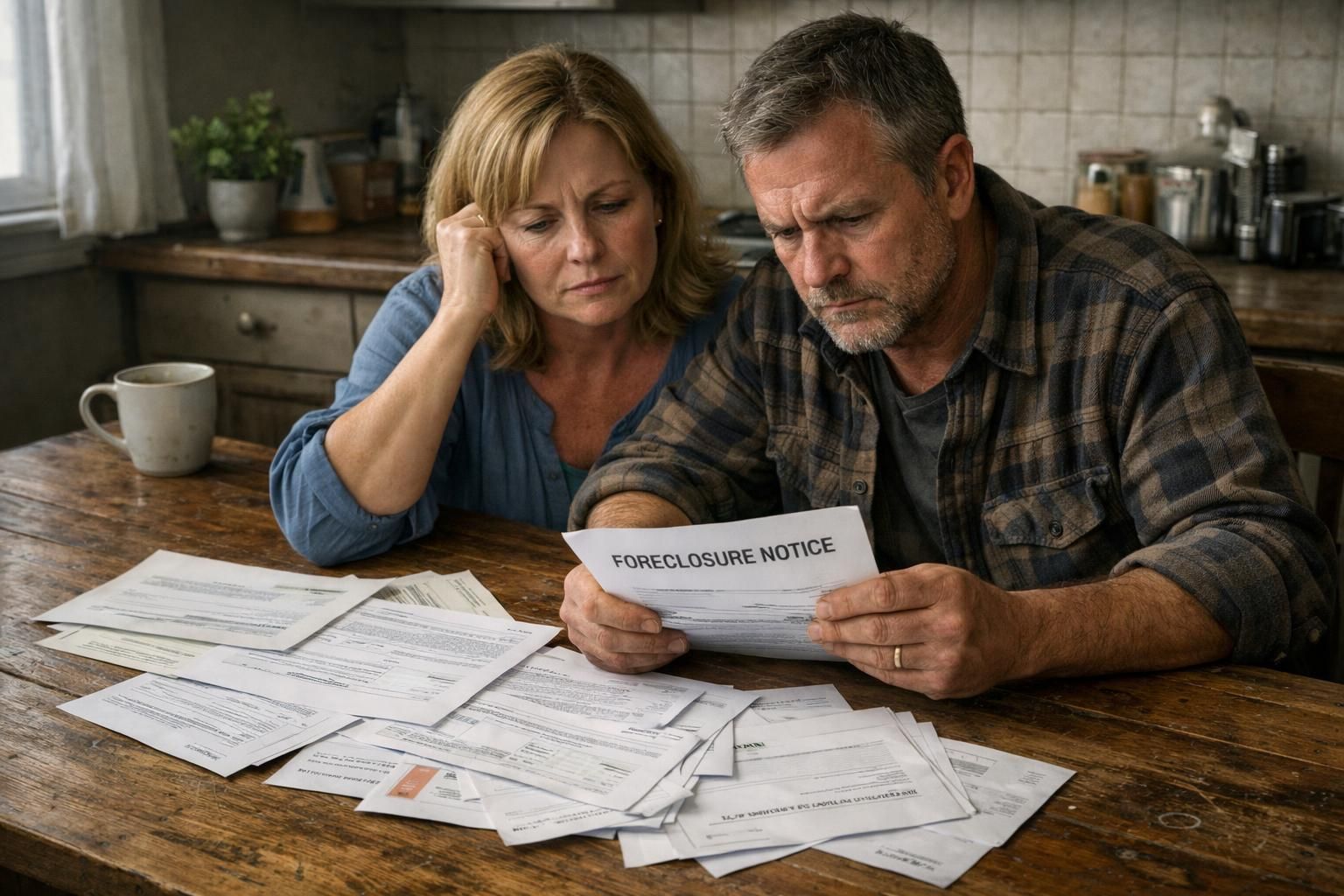
If you have missed mortgage payments or are facing financial hardship in California, you may be wondering how long foreclosure takes. California is a nonjudicial foreclosure state, which means most foreclosures move through a trustee sale process rather than the courts. The typical California foreclosure timeline runs four to six months from the first notice, though delays can extend that significantly.
This guide covers the California foreclosure process step by step—from notice of default to trustee sale and eviction—and explains your rights and options along the way.
Key Takeaways
- California uses a nonjudicial (trustee sale) foreclosure process. Most cases take four to six months from the Notice of Default to the trustee sale, though lender backlogs can stretch timelines further.
- California law requires a mandatory 90-day waiting period after the Notice of Default before a Notice of Trustee's Sale can be recorded. A second 20-day publication period follows before the sale can occur.
- Homeowners have a right to reinstate the loan by paying all past-due amounts up to five business days before the scheduled trustee sale.
- California has strong anti-deficiency protections. In most cases involving purchase-money loans on owner-occupied homes, lenders cannot pursue you for a deficiency judgment after a nonjudicial foreclosure.
- Options such as loan modification, short sale, deed in lieu, or selling for cash can help you avoid foreclosure and limit damage to your credit score if you act early.
California Foreclosure Timeline Overview
California primarily uses the nonjudicial foreclosure process, authorized under the California Civil Code. This means your lender uses the power-of-sale clause in your deed of trust to foreclose without filing a lawsuit. The trustee—a neutral third party named in your deed of trust—manages the process and conducts the sale.
Judicial foreclosures are rare in California but can occur when a deed of trust lacks a power-of-sale clause or when the lender wants to preserve the right to pursue a deficiency judgment. These cases go through California Superior Court and can take one to three years or longer.
For the vast majority of California homeowners, the nonjudicial process applies. Here is what that looks like:
| Stage | California Requirement | Estimated Timeline |
|---|---|---|
| Missed payments / default | Typically 120 days before lender acts | Days 1–120 |
| Notice of Default recorded | Recorded with county recorder; mailed to borrower | Around Day 120 |
| Mandatory waiting period | 90 days after Notice of Default | Days 120–210 |
| Notice of Trustee's Sale recorded | Must be recorded and published at least 20 days before sale | Around Day 210 |
| Trustee Sale | Public auction conducted by trustee | Day 230+ |
| Post-sale eviction | 3-day notice to quit; unlawful detainer if needed | 30–90 days after sale |
The California Foreclosure Process Step-by-Step

Step 1: Missed Payments and Default (30–120 Days)
Missing a single mortgage payment triggers a late fee after a standard grace period, usually 14 days. Your loan becomes delinquent at 30 days past due, and your credit score may drop significantly. California law generally requires lenders to wait at least 120 days after the first missed payment before recording a Notice of Default.
During this window, your mortgage servicer is required under federal rules (including those from the Consumer Financial Protection Bureau) to contact you and discuss loss mitigation options. Interest, penalties, and fees accumulate quickly, making it harder to catch up each month. Use this time to contact your servicer and explore alternatives.
Step 2: Notice of Default (NOD)
The Notice of Default is the official start of California's foreclosure process. The trustee or lender records it with the county recorder's office in the county where your property is located—whether that is Los Angeles County, San Diego County, Sacramento County, or elsewhere. You must also receive a copy by certified mail.
The NOD must include an itemized statement of what you owe, including principal, interest, late fees, and other charges. From the date the NOD is recorded, California law requires a mandatory 90-day waiting period before the lender can move to the next step. This period gives you time to reinstate the loan or negotiate a resolution. 1
Step 3: Notice of Trustee's Sale (NTS)
After the 90-day NOD period expires, the trustee can record a Notice of Trustee's Sale. This notice must be:
- Recorded with the county recorder at least 20 days before the sale date
- Mailed to the borrower and posted on the property
- Published in a local newspaper of general circulation once a week for three consecutive weeks
The NTS sets the auction date, time, and location. California law requires the sale to occur at least 20 days after the NTS is recorded, giving you a final window to act before the auction.
Step 4: Reinstatement Rights
One of California's most important homeowner protections is the right to reinstate your loan. You can stop the foreclosure entirely by paying all past-due amounts—including fees and costs—up until five business days before the scheduled trustee sale. This applies even if the NTS has already been recorded.
Reinstatement is different from paying off the full loan balance. You are only required to bring the loan current, not pay it in full. If you can come up with the overdue amount, the foreclosure process stops and your loan continues under its original terms.
Step 5: Trustee Sale (Auction)
On the scheduled date, the trustee conducts a public auction, typically on the courthouse steps or at another public location. The property goes to the highest bidder. If no third party bids above the opening price, the lender takes the property back as real estate owned (REO).
Once the trustee's deed is recorded, the sale is final. California does not provide a post-sale redemption period for nonjudicial foreclosures, meaning you cannot reclaim the property after the auction by paying off the debt. 2
Step 6: Post-Foreclosure Eviction (30–90 Days)
After the trustee sale, the new owner—whether a third-party buyer or the lender—typically issues a 3-day notice to quit. If you do not vacate, they must file an unlawful detainer (eviction) action in California Superior Court. This process usually takes 30 to 90 days depending on the court's schedule and whether you contest the eviction.
Under California's Homeowner Bill of Rights, you may have additional protections if the property is your primary residence. Consulting a housing attorney or HUD-approved housing counselor is advisable at this stage.
Understanding California's Foreclosure Laws

Anti-Deficiency Protections
California has some of the strongest anti-deficiency protections in the country. Under California's anti-deficiency statutes, lenders generally cannot pursue a deficiency judgment after a nonjudicial (trustee sale) foreclosure on a purchase-money loan used to buy a one-to-four-unit owner-occupied home. This means if your home sells at auction for less than you owe, the lender typically cannot come after you for the difference.
However, these protections have limits. If you refinanced your original purchase loan or took out a home equity line of credit (HELOC), anti-deficiency rules may not apply, and the lender could seek a deficiency judgment. Always consult a California real estate attorney to understand how these rules apply to your specific loan.
California Homeowner Bill of Rights
California's Homeowner Bill of Rights (HBOR), which took effect in 2013, added significant protections for homeowners facing foreclosure, including:
- A ban on "dual tracking"—lenders cannot proceed with foreclosure while a complete loan modification application is under review
- A requirement that servicers assign a single point of contact to each borrower
- The right to appeal a loan modification denial before foreclosure proceeds
- Enhanced penalties for "robo-signing" or filing inaccurate foreclosure documents
Tax Implications in California
If your lender forgives mortgage debt not recovered through the foreclosure sale, the IRS may treat that amount as taxable income. California generally conforms to federal tax law on mortgage debt forgiveness, but exemptions have varied over the years. Consult a tax professional to understand whether you owe state or federal income tax on any forgiven balance after your foreclosure is completed.
Foreclosure also has property tax implications. Once ownership transfers to a new buyer at auction, a property tax reassessment may occur under Proposition 13 rules. If you have a low assessed value from years of ownership, this is a consideration worth understanding before you lose the property.
How California Compares to Other States

California's four-to-six-month nonjudicial timeline is moderate compared to other states. Fast-moving states like Georgia (average 37 days) and Texas (average 41 days) give homeowners almost no time to respond once the notice of default arrives. At the other end of the spectrum, judicial foreclosure states like New York and New Jersey average well over 1,000 days from start to finish due to court backlogs and mandatory proceedings.
California's mandatory 90-day waiting period after the NOD is a meaningful consumer protection that faster states do not provide. However, unlike Michigan and some other states, California does not offer a post-sale redemption period for nonjudicial foreclosures—once the trustee sale is complete, there is no going back.
| State | Process Type | Average Timeline | Post-Sale Redemption |
|---|---|---|---|
| California | Nonjudicial | 4–6 months | No (nonjudicial) |
| Georgia | Nonjudicial | ~37 days | No |
| Texas | Nonjudicial | ~41 days | No |
| New York | Judicial | 1–3+ years | Yes |
| New Jersey | Judicial | ~3 years | Yes (10 days) |
Factors That Speed Up or Slow Down Foreclosure in California

Loan Modification Applications
Under California's Homeowner Bill of Rights, submitting a complete loan modification application before the NOD is recorded—or after but before the sale—can pause the foreclosure. Lenders cannot dual-track, meaning they cannot advance foreclosure while your application is pending review. This protection can add weeks or months to your timeline and is one of the most effective ways to slow the process down while seeking a resolution.
Bankruptcy Filings
Filing for Chapter 7 or Chapter 13 bankruptcy in California triggers an automatic stay that immediately halts the foreclosure process. A Chapter 13 filing can be especially powerful because it allows you to restructure overdue mortgage payments over three to five years while keeping your home. The stay typically lasts 30 to 90 days in Chapter 7 cases, and potentially much longer in Chapter 13 if you maintain your plan payments. Consult a California bankruptcy attorney to understand the impact on your specific situation.
Lender Backlogs
During periods of high foreclosure volume—such as the 2008–2012 housing crisis or economic disruptions tied to COVID-19—servicer backlogs and government moratoriums can significantly extend timelines beyond the standard four-to-six months. California has also enacted temporary foreclosure moratoriums during declared emergencies, so monitor state and local announcements if you are facing hardship during a broader economic crisis.
Your Rights During California Foreclosure
Right to Reinstate
As noted above, you can reinstate your loan by paying all past-due amounts up to five business days before the trustee sale. This is one of the most powerful tools available to California homeowners and requires no court involvement.
Right to Be Notified
California law requires that the NOD and NTS be mailed to you, posted on the property, and recorded publicly. If your servicer fails to follow these steps properly, you may have grounds to challenge the foreclosure in California Superior Court.
No Post-Sale Redemption (Nonjudicial)
Unlike some states, California does not offer a redemption period after a completed nonjudicial trustee sale. Once the trustee's deed is recorded, the sale is final. This makes acting before the auction date critical.
Anti-Deficiency and Single-Action Rule
California's single-action rule generally limits lenders to one legal action to collect on a mortgage debt secured by real property. Combined with anti-deficiency protections, this means most California homeowners facing nonjudicial foreclosure on a purchase-money loan will not owe additional money after the sale. 3
Options Before the California Foreclosure Sale
Loan Modification
Contact your mortgage servicer as early as possible to request a loan modification. Under HBOR, they must assign you a single point of contact and cannot move forward with foreclosure while reviewing a complete application. Modifications may lower your interest rate, extend your loan term, or add missed payments to the back of the loan.
Short Sale
A short sale lets you sell your home for less than what you owe, with lender approval. In California, a properly structured short sale on a purchase-money loan may protect you from a deficiency judgment under the state's anti-deficiency statutes. A short sale typically causes less credit score damage than a completed foreclosure and gives you more control over timing and terms. 4
Deed in Lieu of Foreclosure
You can voluntarily transfer the property back to the lender to avoid the foreclosure sale. Lenders typically require proof that other options—sale or modification—were not viable. A deed in lieu may be faster than a short sale in some situations and can sometimes include a cash-for-keys agreement to help you relocate.
Selling for Cash
You retain ownership of your home right up until the trustee sale, which means you have time to sell—even if that timeline is tight. A cash sale can close in as little as two weeks and does not require lender approval, repairs, or lengthy listing periods. For homeowners in the Los Angeles or San Diego area facing a fast-approaching auction date, a cash sale is often the fastest way to pay off the mortgage balance, avoid foreclosure on your credit report, and walk away with any remaining equity. 5
Conclusion
California's nonjudicial foreclosure process typically runs four to six months, but the 90-day waiting period after the Notice of Default gives you a meaningful window to act. Strong state protections—including anti-deficiency laws, the Homeowner Bill of Rights, and reinstatement rights—provide important safeguards, but none of them replace the need to act quickly once default notices arrive.
Whether you pursue a loan modification, short sale, or need to sell fast, the earlier you start exploring your options, the more choices you will have. If you are facing foreclosure in California and need to sell your home quickly, KDS Homebuyers can help. Visit kdshomebuyers.net for a free, no-obligation cash offer and find out how fast we can close before your auction date.
FAQs
1. How long does foreclosure take in California?
California's nonjudicial foreclosure process typically takes four to six months from the recording of the Notice of Default to the trustee sale. The mandatory 90-day waiting period after the NOD, followed by a minimum 20-day notice before the sale, sets the floor. Lender backlogs or a pending loan modification application can extend the timeline further.
2. Does California require court approval for foreclosure?
No, in most cases. California primarily uses a nonjudicial foreclosure process under the deed of trust, which does not require a court lawsuit. Judicial foreclosure through California Superior Court is rare and is generally used only when the lender wants to preserve deficiency judgment rights or when the deed of trust lacks a power-of-sale clause.
3. Can I get my home back after the trustee sale in California?
No. California does not provide a post-sale redemption period for nonjudicial foreclosures. Once the trustee sale is complete and the deed is recorded, the sale is final. Your best options are to act before the auction—through reinstatement, loan modification, short sale, or a cash sale.
4. Will the lender come after me for money after foreclosure in California?
In most cases involving a nonjudicial foreclosure on a purchase-money loan for an owner-occupied home, California's anti-deficiency statutes protect you from a deficiency judgment. However, if you refinanced or have a HELOC, these protections may not apply. Consult a California real estate attorney to confirm your exposure.
5. What is the fastest way to stop a California foreclosure?
The fastest options include reinstating the loan (paying all past-due amounts before the sale), filing a complete loan modification application to trigger HBOR dual-tracking protections, filing for bankruptcy to trigger an automatic stay, or selling the property—including through a quick cash sale—before the trustee sale date.
References
- ^ https://www.nolo.com/legal-encyclopedia/states-with-long-foreclosure-timelines.html
- ^ https://hcr.ny.gov/system/files/documents/2018/10/factsheetnysforeclosure.pdf
- ^ https://www.nycourts.gov/courthelp/pdfs/Foreclosureflowchart.pdf
- ^ https://www.researchgate.net/publication/282448136_The_Cost_of_Foreclosure_Delay
- ^ https://thda.org/help-for-homeowners/stages-of-foreclosure/
