

Using a Quitclaim Deed in Divorce: What You Need to Know in Florida
You may feel stressed about how to divide your marital home during a divorce. A quitclaim deed is a popular legal tool in Florida that helps transfer property ownership between spouses, often without large legal fees. 2 This guide explains how quitclaim deeds work in Florida, what steps you need to take, and what risks to watch out for during the property division process. Read on to protect your rights and make smart choices about your real property. 1
Key Takeaways
- A quitclaim deed quickly transfers property ownership between spouses during a Florida divorce, but it does not remove a person's name from the mortgage. Both parties may still be responsible for any unpaid home loans even after signing the deed.
- You must prepare, sign before a notary, and record the quitclaim deed with your Florida county clerk of courts to complete the transfer legally. Missing steps can delay or jeopardize your legal rights to real estate.
- Refinancing is usually required to remove a spouse's name from the mortgage completely. Florida lenders do not accept only a signed deed or divorce decree as proof of new financial responsibility.
- Using a quitclaim deed does not provide title insurance protection against hidden liens or claims. Always conduct a title search and seek advice from a Florida divorce attorney before signing.
- If your ex-spouse stops paying the mortgage after a quitclaim deed transfer, you could face credit damage or foreclosure—even though you no longer own the house on paper.
Understanding the Divorce Property Settlement Process in Florida
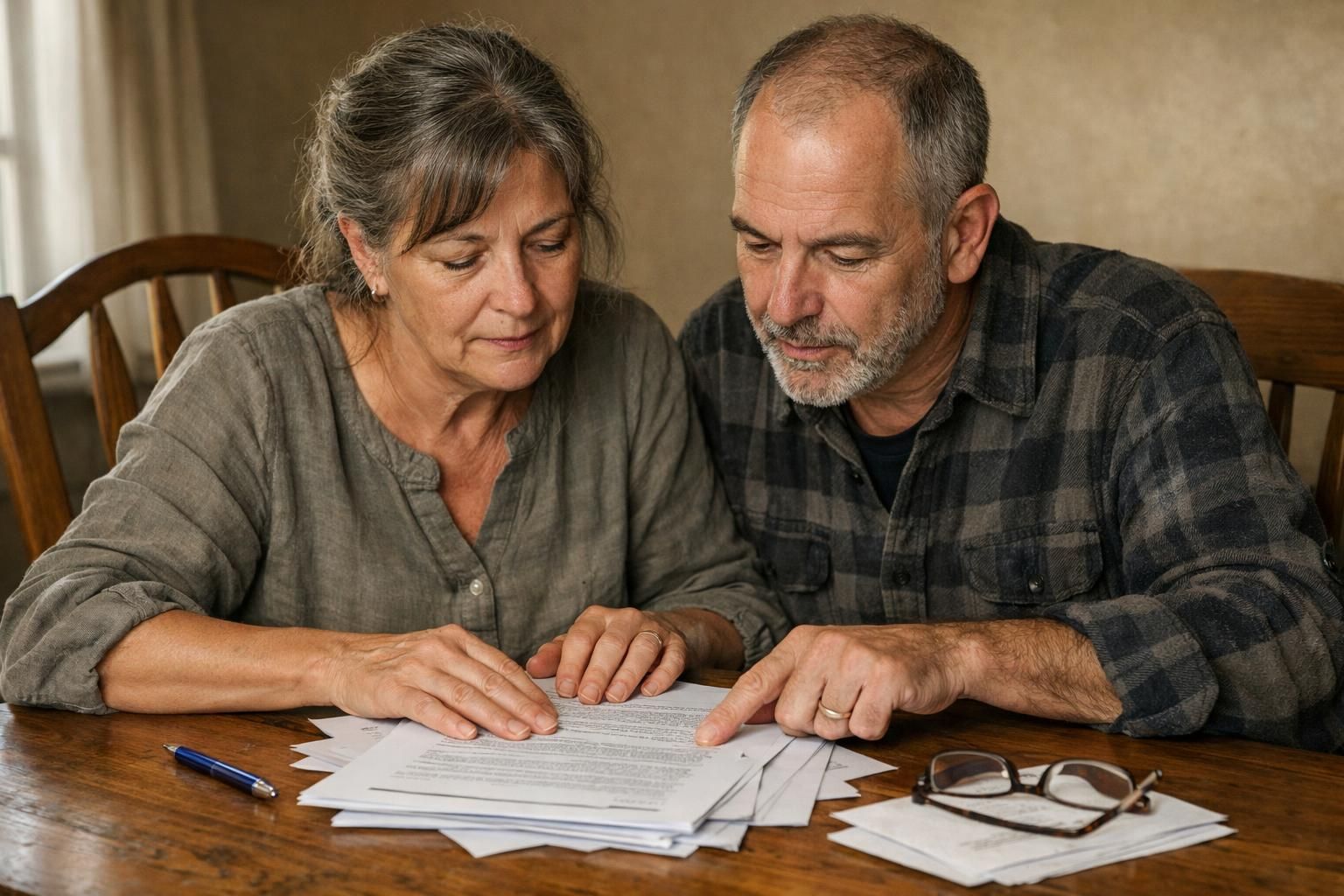
During a Florida divorce, you and your spouse must decide how to divide the marital home and other assets. Florida is an equitable distribution state, meaning courts divide marital property fairly but not necessarily equally. Property division shapes who keeps real property, investments, or retirement funds under the marital settlement agreement.
Deciding who keeps the house or opting to sell it
You may face a choice between keeping the marital home or selling it as part of your Florida divorce settlement. Some couples transfer the property to one spouse through a court order, while others sell and divide the proceeds. Florida does not follow community property rules; instead, courts apply equitable distribution principles under Florida's dissolution of marriage statutes.
A quitclaim deed can help transfer ownership if one spouse keeps the house under the final judgment of dissolution. If neither party wants to handle mortgage payments and property taxes alone, selling may be the better option. The timing of the quitclaim deed typically depends on finalizing the divorce or legal separation. This decision affects equity division and future financial responsibility for mortgage payments and potential refinancing.
How Quitclaim Deeds Work in Florida Divorces

A quitclaim deed lets you quickly transfer your share of the marital home to your former spouse in Florida. Understanding how this legal document fits with mortgage responsibility and property rights can help protect your interests.
Transferring ownership interest from one spouse to the other
Transferring ownership interest in real property from one spouse to the other in Florida commonly involves a quitclaim deed. This legal document moves all your rights, title, and interest in the marital home to your former partner without any guarantees about the title's condition. Under Florida's equitable distribution laws, one spouse may sign a quitclaim deed as part of a negotiated marital settlement agreement or pursuant to a court order.
You must prepare the quitclaim deed accurately with both spouses' names, the legal description of the property, and details consistent with your final judgment of dissolution. After signing before a notary public, file the document with the clerk of courts in the county where the property is located—such as Miami-Dade, Hillsborough, or Duval County—so it becomes legally binding. This step shifts property ownership only; mortgage responsibility does not change unless refinancing occurs.
Step-by-step process in Florida: settlement agreement, preparing the deed, signing before a notary, and recording with the county clerk
A quitclaim deed helps you transfer property ownership during a Florida divorce. Follow these key steps to ensure a legal and smooth property transfer: 1
- Finalize the marital settlement agreement that specifies who keeps the marital home or whether it will be sold.
- Obtain the final judgment of dissolution of marriage from the Florida circuit court. This document provides legal authority for dividing marital property, including real estate.
- Prepare the quitclaim deed using accurate details from the final judgment. Include both spouses' full legal names, complete property address, parcel identification number, and legal description from the existing deed.
- Sign the quitclaim deed before a notary public. Florida law also requires two witnesses to sign the deed for it to be valid—this is a state-specific requirement many people overlook.
- Record the signed quitclaim deed with the clerk of courts in the county where the property is located.
- Pay the required recording fees. Florida also charges documentary stamp tax on deed transfers, though transfers pursuant to a divorce may qualify for an exemption—confirm with the county or an attorney.
- Verify with your attorney that all terms of your marital settlement agreement are fulfilled after recording.
Skipping any of these steps—especially the two-witness requirement—can invalidate the deed in Florida. Use this process to secure your new ownership rights under Florida real estate law.
Required information on the deed
In Florida, a valid quitclaim deed must include the full legal names of both parties, an accurate legal description of the real property (not just the street address), and the transfer date. Include the consideration amount—even a nominal figure like "$10"—as required by Florida recording standards. Both spouses must sign in front of a notary public and two witnesses.
Florida also requires the deed to state the preparer's name and address and include the property's parcel identification number for county records. Always verify that every detail matches your marital settlement agreement to avoid future disputes over title, mortgage responsibility, or documentary stamp tax obligations. 2
Mortgage vs. Title: Key Distinctions

A quitclaim deed only changes the name on your Florida home's title, not who must pay the mortgage. If you transfer real property ownership but both names remain on the loan, the lender can still hold you responsible for late payments or defaults.
Quitclaim deed removes ownership but not mortgage obligations
Signing a quitclaim deed takes your name off the property title but does not end your mortgage responsibility. Florida mortgage lenders still hold both spouses jointly liable for the loan after a title transfer. 1 If the spouse keeping the home stops making payments, both parties risk credit damage and potential foreclosure. Florida courts process foreclosures judicially, meaning a lender must sue in circuit court—but that process can still damage your finances even years after you signed over the deed.
For complete release from mortgage liability after a Florida divorce, refinancing is typically required. Lenders will not remove a borrower from the loan based solely on a quitclaim deed or final judgment of dissolution. 3
Examples of risks if the remaining spouse defaults on the mortgage
If your former spouse keeps the marital home but stops paying the mortgage, you can face serious consequences. Your name often remains on the original loan even after signing a quitclaim deed. The lender may pursue you for missed payments or the full balance. Your credit score will suffer, and late marks can appear on your credit report.
Because Florida follows a judicial foreclosure process, you could be named as a party in a foreclosure lawsuit filed in a Florida circuit court—even if you no longer live in the home or appear on the title. The lender looks only at who signed the loan documents, not the divorce decree. This risk is especially significant in high-value markets like Miami or Tampa, where mortgage balances can be substantial.
Refinancing Requirements in Florida

Most Florida lenders will not remove a spouse from the mortgage without a full refinance. You will need to work with your bank, present the final judgment of dissolution, and submit income and credit documentation to meet their requirements.
Why refinancing is necessary to remove a spouse from the mortgage
A quitclaim deed transfers property ownership but does not affect the mortgage contract. Lenders are not bound by Florida divorce decrees when it comes to loan obligations. If both names remain on the mortgage, both parties stay legally liable. Refinancing into a new loan in one spouse's name is the standard way to sever that connection and give the departing spouse a clean financial break.
Lender requirements and alternatives if refinancing isn't possible
Most Florida lenders require steady employment, documented income, a minimum credit score—typically 620 or higher—and a debt-to-income ratio under 43 percent to approve a refinance. You must demonstrate the ability to carry the mortgage on the marital home independently.
If refinancing is not possible due to insufficient equity or credit issues, consider these alternatives:
- Loan assumption: Some government-backed loans allow one spouse to assume the mortgage with lender approval.
- Deferred sale agreement: Both parties agree to sell the property at a future date, with clear terms about mortgage payments in the interim.
- Sell the home: Selling and splitting the net proceeds after paying off the mortgage removes both parties from the loan entirely and is often the cleanest solution.
Potential Risks of Quitclaim Deeds in Florida Divorces

Mortgage liability, tax implications, and equity loss
Transferring real property with a quitclaim deed does not remove your name from the mortgage. If your ex-spouse stops making payments, the lender can hold you responsible for the full balance. 3 Missed payments can damage your credit and potentially trigger foreclosure proceedings in Florida's circuit courts.
Under IRC Section 1041, property transfers between spouses under a divorce decree are generally not taxable at the federal level. Florida has no state income tax, so there is no state capital gains tax to worry about. However, you do not reset the cost basis of the home. If you receive the house and later sell it, federal capital gains tax will be calculated from the original purchase price. Florida's homestead exemption may offset some property tax burden for the spouse who retains and occupies the home, but it must be properly applied for with the county property appraiser.
Giving up ownership also means forfeiting any future appreciation. In fast-growing Florida markets like Orlando or Jacksonville, that can represent a significant financial loss over time.
Risks if the spouse keeping the house stops paying or sells later
If your ex-spouse keeps the home after the quitclaim deed and later stops paying the mortgage, the lender can still pursue you for the debt. 2 Your credit rating can suffer substantially. If your ex-spouse later sells the property, you cannot claim any proceeds—you surrendered your equity and ownership rights when you signed the deed. Always consult a Florida divorce attorney before agreeing to sign any real property transfer documents.
When to Use a Quitclaim Deed vs. Other Types of Deeds in Florida
Situations where a quitclaim deed makes sense and when to be cautious
During a Florida divorce, a quitclaim deed makes sense when both parties agree on property division, trust each other's disclosure of title information, and there are no hidden liens or claims against the marital home. It is commonly used when one spouse is simply removing themselves from title as part of a negotiated marital settlement agreement. 5
Use caution if title issues exist or if either spouse has outstanding tax obligations or judgments that could attach to the property. Quitclaim deeds carry no title guarantees. If your spouse owes back taxes or faces creditor judgments, those problems may affect the property. Always conduct a title search before signing, and consider a special warranty deed for added protection. Consult a Florida real estate or family law attorney before finalizing any decision. 4
Timing Considerations for Florida Quitclaim Deeds
Signing before or after the divorce is final
In Florida, the timing of a quitclaim deed matters. Some county clerks require a recorded final judgment of dissolution before they will accept and process a deed transfer. Your marital settlement agreement or court order may also specify when the deed must be signed and recorded. Signing before the final judgment is entered without proper legal guidance can create complications with the Florida circuit court and may put you at risk of contempt proceedings.
Your timing should align with what your final judgment says about the marital home, mortgage responsibility, and any alimony obligations. Always coordinate with a Florida divorce attorney and confirm that all conditions are met before signing any deed.
Coordinating with the final judgment and marital settlement agreement
Match the timing of your quitclaim deed signing with the terms of your final judgment of dissolution and marital settlement agreement. Florida courts require property transfers to follow what is outlined in these legal documents. Transfers made pursuant to a divorce decree may qualify for an exemption from Florida's documentary stamp tax—but this exemption is not automatic. You or your attorney must properly reference the qualifying transaction when recording the deed.
Make sure each step—preparing the deed, obtaining two witnesses and a notary, and recording with your Florida county clerk of courts—aligns with the agreed terms. Following court orders protects you from contempt issues and supports clean property division under Florida law.
Practical Steps for Protecting Your Interests in Florida
Working with a Florida divorce attorney, seeking independent legal advice, and verifying the deed's recording
You deserve confidence and security during the property transfer process. Here are the key steps to protect your rights in Florida:
- Contact a qualified Florida divorce or family law attorney early in your case to get advice on quitclaim deeds, mortgage liability, equitable distribution, and alimony.
- Request independent legal advice before signing any deed or settlement agreement. An attorney can identify risks you may have overlooked.
- Review your final judgment of dissolution thoroughly to ensure it addresses real property issues, including who keeps the home, equity division, and future sale terms.
- Confirm the quitclaim deed includes all required Florida elements: legal description, parcel ID, notary acknowledgment, and two witness signatures.
- Record the signed deed with the clerk of courts in the county where the property is located—such as Orange County for Orlando, Hillsborough for Tampa, or Miami-Dade for Miami.
- Confirm whether the documentary stamp tax exemption applies to your transfer and pay any required fees at the time of recording.
- Order a title search before transferring ownership to uncover any existing liens or claims that could affect title insurance eligibility later.
- Obtain written confirmation from the county clerk that the deed has been properly recorded. Keep this for your records in case issues arise during a future sale or refinance.
Conclusion: Alternatives to Keeping the House and Moving Forward in Florida
You have real choices as you navigate property division in a Florida divorce. A quitclaim deed can facilitate a clean title transfer, but it does not solve every problem—especially the mortgage. Consider refinancing or selling the home if keeping it creates too much financial strain or ongoing liability. In competitive Florida markets, selling may allow both parties to walk away with meaningful equity and a fresh financial start.
Talk to a Florida family law attorney about protecting yourself and exploring options that fit your circumstances. Moving forward means choosing what best supports your long-term stability and peace of mind.
If selling your home makes the most sense for your situation, KDS Homebuyers can help. We buy houses directly from Florida homeowners for cash—no repairs, no commissions, no delays. Visit kdshomebuyers.net to request your free cash offer today.
FAQs
1. What is a quitclaim deed and how does it work in a Florida divorce?
A quitclaim deed is a legal document used to transfer property ownership from one spouse to another during a Florida divorce. It changes the name on the title but does not affect mortgage responsibility or remove financial obligations from the original loan.
2. Does Florida require witnesses in addition to a notary when signing a quitclaim deed?
Yes. Florida law requires two witnesses in addition to a notary public for a deed to be valid. This is a common requirement that many people miss when using generic deed forms from other states.
3. How does using a quitclaim deed affect my mortgage after a Florida divorce?
Transferring title with a quitclaim deed does not change who is obligated to pay the mortgage. If your name remains on the loan, Florida lenders can still hold you responsible for payments even after you have transferred ownership.
4. Is the property transfer exempt from Florida documentary stamp tax in a divorce?
Transfers made pursuant to a Florida divorce decree may qualify for an exemption from the documentary stamp tax, but the exemption is not automatic. You must properly reference the qualifying transaction when recording the deed. Consult a Florida attorney or the county clerk's office to confirm eligibility.
5. Can failing to follow court orders about quitclaim deeds lead to trouble in Florida?
Yes. Ignoring a Florida circuit court's instructions about signing over real estate can result in contempt of court charges, which may affect alimony, asset transfers, and your standing in ongoing legal proceedings.
References
- ^ https://www.divorcemortgageadvisors.com/quitclaim-deed-divorce/
- ^ https://www.stahlyllc.com/blog/2025/05/understanding-a-quit-claim-deed-during-divorce/
- ^ https://www.crislipphilip.com/blog/2024/11/should-you-use-a-quitclaim-deed-in-your-divorce-settlement/ (2024-11-29)
- ^ https://neryrichardsonlaw.com/blog/real-estate-quitclaim-deeds-illinois/ (2025-10-18)
- ^ https://www.cozzalaw.com/understanding-quitclaim-deeds (2024-08-31)
- ^ https://mosheslaw.com/a-complete-guide-to-quitclaim-deeds-in-divorce/ (2025-01-17)
