

Court-Ordered Sale of Property in Divorce: How It Works in California

You might feel lost if a divorce leads to arguments about selling your home. A court-ordered sale of property happens when a California judge steps in — often under Family Code Section 2550 — to ensure both spouses receive a fair share based on current real estate market values. This guide explains how the judicial sale process works in California, how courts decide on sales, and what steps you need to take.
Keep reading for practical guidance that can make this difficult time easier.
Key Takeaways
- California courts order a sale when divorcing couples cannot agree on dividing community property or paying off mortgage debt. Judges require Preliminary Declarations of Disclosure under Family Code Section 2104 before any judicial sale proceeds.
- The legal process begins with a petition and court hearings, typically taking 2 to 4 months. A court-appointed referee or broker lists the home at appraised value. Homes may remain on the market 90 to 180 days before a court-ordered price reduction.
- Sale proceeds first cover mortgages, property taxes, commissions (5–6%), closing costs (1–3%), and referee fees ($2,000–$5,000). California's community property law requires remaining equity to be split 50/50.
- Delays occur when parties dispute list prices or sabotage showings. California courts can impose sanctions, contempt charges, and appoint a property manager to protect value during disputes.
- Alternatives include selling privately before court intervention, cash sales closing in 7 to 30 days, or mediation for buyouts. Early action avoids higher costs from drawn-out judicial proceedings.
What is a Court-Ordered Sale of Property?
A court-ordered sale means a California judge directs your property to be sold, often as part of divorce or mortgage default proceedings. This process follows California Family Code rules and involves careful steps including court approval and sometimes the appointment of a real estate broker or referee.
Definition and purpose
A judicial sale happens under a California court order or decree. The Superior Court may require this when you and your ex-spouse disagree over the division of community real estate or cannot resolve mortgage debt. This process applies during divorce, bankruptcy, foreclosure, or partition actions under the California Code of Civil Procedure.
Such sales differ from regular real estate transactions because the court supervises every step to guarantee fairness. Court-ordered sales also help satisfy debts like mortgage defaults or judgment liens when parties fail to meet financial obligations. You can expect transparency throughout the transaction thanks to oversight by California judges and appointed referees.
Common scenarios leading to court intervention
Divorce is the most common trigger in California, especially if you and your spouse disagree about selling or dividing the family home. Partition actions also arise when heirs cannot agree after an owner's death, prompting California courts to order a judicial sale under the Partition of Real Property Act.
Other scenarios include mortgage default, foreclosure proceedings, and bankruptcy cases where debts exceed assets. High-conflict situations — such as one party refusing to cooperate or vacate — may lead a California Superior Court judge to order a public auction. California law requires both spouses to complete financial disclosure before a sale can be ordered.
When Courts Order Property Sales
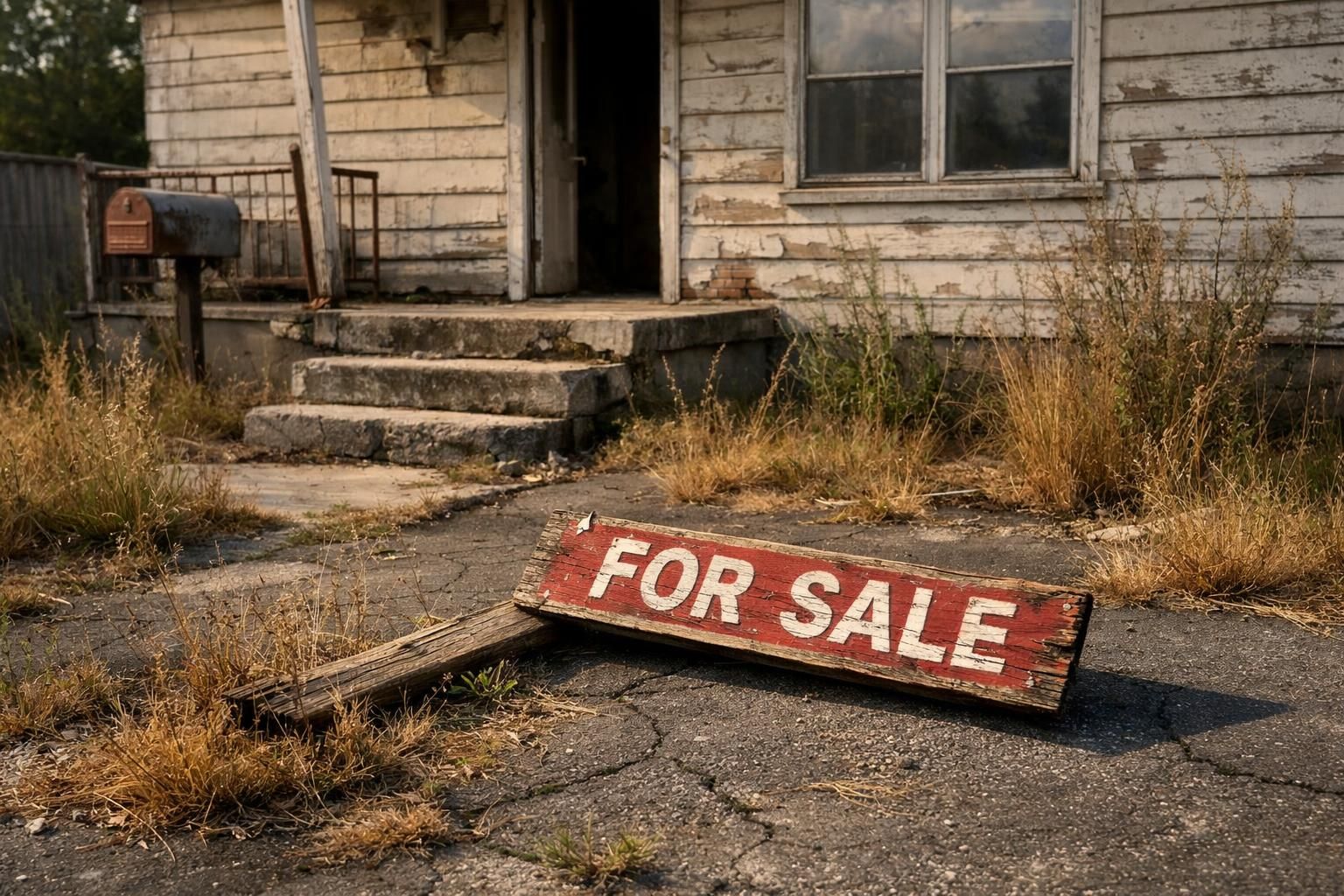
California courts order a judicial sale when both parties cannot agree on how to divide real estate during divorce. You may see this happen when mortgage obligations, financial constraints, or high-conflict disputes block a fair resolution.
Disagreements over buyout terms
Disputes over buyout terms often arise when you and your spouse disagree on the property's value or how to fund a fair exchange. One spouse may want an independent appraisal reflecting current Los Angeles or Bay Area market conditions while the other pushes for a lower comparative market analysis figure.
California courts rely on appraised values and require clear disclosure of where buyout funds originate under Family Code Section 2104. If both sides refuse to cooperate or argue about mortgage payoffs, a California judge can force a judicial sale. To avoid this, some homeowners opt for cash buyers to speed up resolution without prolonged court involvement.
Financial constraints preventing a buyout
High mortgage balances, negative equity, or insufficient savings can block a buyout in California divorce cases. If you cannot qualify for refinancing on your own — common in high-cost markets like San Francisco or San Diego — or cannot cover the equity owed to your spouse, the court may require a judicial sale.
Ongoing costs such as mortgage payments, property taxes, and HOA dues add pressure during the sale period. If neither party can manage these obligations, courts may intervene to prevent foreclosure and protect both spouses from further financial loss.
Contested divorces or high-conflict situations
In contested California divorces, courts use Family Code Section 2550 to order a judicial sale when spouses cannot agree on who keeps the home or how equity divides. Both parties must first complete Preliminary Declarations of Disclosure under Family Code Section 2104 before any court-ordered sale can proceed.
California is a community property state, meaning judges generally split marital real estate 50/50 at trial. Courts have broad authority to appoint a referee for the listing process or order a public auction when necessary. Detailed documentation — including up-to-date appraisals and financial disclosures — plays a major role in achieving a court-approved outcome.
The Legal Process of a Court-Ordered Sale

The process begins with a petition filed in California Superior Court, followed by a hearing before a family law judge. The court may appoint a real estate broker or referee to manage the listing and sale, ensuring fair treatment for all parties.
Filing a petition and attending court hearings
Filing a petition for a court-ordered sale in California requires careful preparation. Here are the key steps:
- Identify the legal basis for requesting a judicial sale — for example, unresolved community property division or looming foreclosure proceedings under California law.
- File the appropriate petition with the California Superior Court in the county where the property is located, such as Los Angeles County Superior Court or Santa Clara County Superior Court.
- Gather key documents: mortgage statements, property tax records, recent appraisals, HOA agreements, and any financial disclosures already filed with the court.
- Serve the other party properly under California civil procedure rules and file proof of service.
- Attend court hearings where both parties present their positions on property value, market conditions, and financial obligations.
- California court scheduling typically takes 2 to 4 months, though high-conflict cases or crowded dockets in Los Angeles or the Bay Area may extend this timeline.
- If imminent foreclosure threatens the property, courts may fast-track the process to protect both spouses' equity.
- After reviewing evidence, the judge decides whether to order a judicial sale and may appoint an independent referee to oversee listing, offers, and proceeds distribution.
- A lis pendens filed with the county recorder's office protects against unauthorized transfers while the case is pending.
Judge's decision and appointment of a referee
The California judge reviews all evidence, including completed Preliminary Declarations of Disclosure, before ordering a sale. Family Code Sections 2550 and 2104 guide this process, and courts cannot move forward without these disclosures.
If neither side can agree or financial constraints block a buyout, the judge may appoint a referee under California Code of Civil Procedure Section 873.010 to manage the real estate transaction. Referees oversee due diligence, property listing, offer acceptance, and compliance with court orders. Referee costs typically range from $2,000 to $5,000, split equally between both parties unless the court orders otherwise.
Listing, sale approval, and proceeds distribution
- A court-appointed broker or referee lists the home at or near its appraised value consistent with current California market conditions.
- Properties typically remain listed 3 to 6 months; after 90 to 180 days without a sale, the court may authorize a price reduction.
- All offers must meet qualifying criteria set by the court; in California, both spouses may be required to approve offers or the referee may act on the court's behalf.
- After offer acceptance and court confirmation, closing typically occurs within 30 to 45 days.
- Sale proceeds first cover outstanding mortgages, property taxes, HOA fees, attorney fees, real estate commissions, and referee costs.
- Remaining equity is divided 50/50 under California community property law, unless the divorce decree specifies otherwise or one spouse can prove separate property contributions.
- Document any sabotage attempts — such as a spouse refusing showings or allowing property to deteriorate — so your attorney can seek judicial intervention and potential sanctions.
- Cash investors may purchase quickly at court-approved prices, offering faster resolution though typically below full market value.
Financial Responsibilities During the Sale
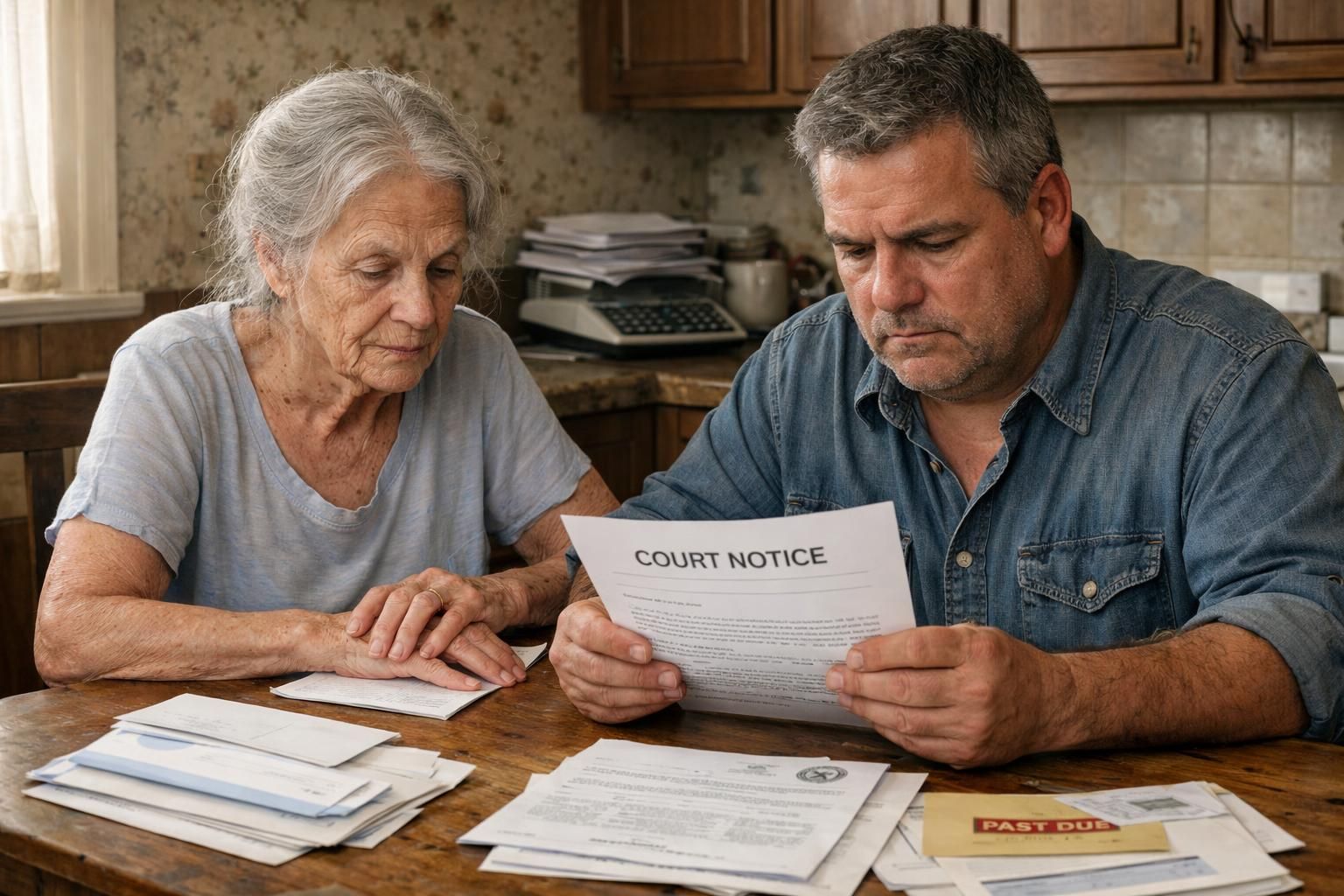
Mortgage payments and property maintenance
California courts require both parties to maintain mortgage payments, utilities, and property upkeep during court-ordered sales. If one spouse stops paying or neglects the home, a judge may grant exclusive occupancy to the other spouse or order the non-compliant party to vacate. Neglect or intentional damage can result in contempt of court charges in California Superior Court.
Disputes over repair costs can stall the judicial sale and reduce net proceeds. In negative equity cases, California courts review financial records to determine how losses are shared based on each spouse's documented contributions.
Real estate commissions and closing costs
Real estate commissions for court-ordered sales in California typically run 5 to 6 percent of the final sale price. Seller closing costs generally add another 1 to 3 percent. Referee fees between $2,000 and $5,000 are deducted from proceeds after court approval. Licensed appraisals typically cost $400 to $600 in California markets.
Additional expenses — legal fees, pre-listing repairs, remaining property taxes, and HOA dues — are itemized so every party can see how each fee reduces their equity share before division.
How costs are typically split between parties
California courts generally deduct all major sale costs from proceeds before the 50/50 community property split. This includes mortgage balances, maintenance costs, commissions, closing costs, and referee fees. 2
If one spouse covered a disproportionate share of mortgage payments or repair costs during the sale period, California courts may order reimbursement from the final settlement. In negative equity situations, judges review financial records to allocate remaining debts fairly between both parties. Always consult a California family law attorney about your specific circumstances before agreeing to any cost-splitting arrangement.
Potential Complications and How Courts Handle Them

Disagreements over list price or offers
Properties in California judicial sales are typically listed near their appraised value, but disputes arise frequently — especially in volatile markets like Los Angeles or the Bay Area. If a property does not sell within 90 to 180 days, the court may order a price reduction. California courts can require sealed bids in public auction situations to ensure fairness. Prolonged valuation disputes add months to the timeline and reduce net proceeds after commissions and closing costs.
One spouse sabotaging the sale or refusing to leave
One spouse may block showings, refuse to sign listing agreements, or allow property conditions to deteriorate. California courts have broad authority to respond: judges can appoint a property manager or referee to oversee maintenance, impose financial sanctions, or hold the non-compliant spouse in contempt of court. Courts can also order exclusive occupancy, requiring one spouse to vacate the property so the sale can proceed.
Delays caused by property condition disputes
California courts may pause listing until significant repairs are completed, since buyers conducting due diligence rely on inspections. Judges set firm deadlines for repairs or appoint a referee to oversee progress. If spouses cannot agree on repair costs, the court may order payment from joint funds or deduct costs from the non-cooperative spouse's proceeds share. Selling "as-is" may lower offers in California's competitive market, shrinking both parties' equity. Unresolved disputes can stretch the process to 9 to 18 months from petition to closing.
Alternatives to Court-Ordered Sales
You have options that can help you avoid a judicial sale. Many California homeowners use real estate agents, cash buyers, or mediation to reach agreements without going to court.
Mediated agreements or buyouts
California courts often encourage or require mediation before ordering a judicial sale. Mediation gives both parties more control and keeps costs lower than a public auction. A mediator can help you work out buyout terms or agree on how to divide real estate assets.
A mediated buyout is legally binding once submitted for court approval under California Family Code. You will need to provide full financial disclosure and proof of funds if one spouse intends to keep the home. Successful mediation protects both parties' credit and avoids the delays of formal judicial sale proceedings.
Selling before court intervention
Selling your property before court intervention gives you more control over price, agent selection, and sale terms. A proactive private sale typically closes in 30 to 60 days, while a court-ordered sale can take 9 to 18 months. Both parties avoid referee fees and extended legal costs. California courts also view a good-faith attempt at private sale favorably if litigation follows later.
Cash sale options for expedited resolution
Cash sales to real estate investors offer a fast path through court-ordered sale situations. Cash buyers typically close within 7 to 30 days, giving both spouses faster access to proceeds. You skip lengthy market listings and avoid delays tied to inspections or repairs, since most cash investors purchase homes as-is. 3
Some California judges approve cash offers quickly when they see no better alternative or want immediate resolution for both spouses. While you may not receive top market value, you gain certainty and efficiency during a high-conflict divorce. Working with a reputable buyer ensures a smooth closing consistent with California court requirements. 4
Preparing for a Court-Ordered Sale
Getting an appraisal and understanding equity
Appraisals for California court-ordered sales typically cost $400 to $600. A California-licensed appraiser inspects your home and determines fair market value using comparable sales data from your local market. Courts use this appraisal to set the initial list price, approve sale terms, and guide equity division.
Equity is the difference between your home's appraised value and any mortgages or liens against it. If spouses dispute separate appraisal figures, California courts often require a third-party assessment or average the two figures. Accurate valuations protect both sides by ensuring each receives a correct share after costs are deducted.
Gathering financial documents and consulting attorneys
Gather pay stubs, bank statements, mortgage documents, California property tax records, and loan agreements before your hearing. Full asset disclosure under California Family Code prevents future disputes and speeds up proceedings. Include marital debts such as credit cards or car loans alongside personal assets. 5
Consult a California-licensed family law attorney to understand your rights under state community property laws. A CPA or forensic accountant can help trace hidden assets or evaluate equity if needed. Proper legal guidance protects you throughout this process.
Considering tax implications of the sale
Tax rules can significantly affect you in a California court-ordered divorce sale. Under IRC Section 1041, transfers between divorcing spouses are generally not taxable events, but when the home is sold to a third party, capital gains taxes may apply. 6 If you qualify for the primary residence exclusion, you may exclude up to $250,000 in gain as an individual or $500,000 as a married couple, provided you meet IRS ownership and use tests.
California also imposes its own state income tax on capital gains, with no separate long-term capital gains rate — gains are taxed as ordinary income at rates up to 13.3%. California does not have a real estate transfer tax at the state level, but most counties and cities, including Los Angeles and San Francisco, impose local documentary transfer taxes at closing.
Because California is a community property state, the timing of your sale relative to your divorce decree affects which exclusions apply and how gains are reported. Always consult a California tax professional or CPA before finalizing listing dates, title structure, or proceeds division. 6
Understanding Divorce and Property Division in California
California is a community property state. This means you and your spouse each own an equal half-interest in all assets and debts acquired during the marriage, including the family home. At divorce, California courts divide community property 50/50 unless both parties agree otherwise or one spouse can demonstrate a separate property interest — such as a pre-marital down payment or an inheritance used to purchase the home.
Full financial disclosure is essential. California Family Code requires both spouses to serve Preliminary and Final Declarations of Disclosure, and failing to comply can result in sanctions or an unfavorable judgment. Mediation or negotiation saves significant time and money compared to contested courtroom hearings, and many California couples reach faster resolutions that better protect their long-term finances. 7
Conclusion
Court-ordered home sales in California provide structured resolution during difficult divorces. California's community property framework gives both spouses clear equal rights, and judicial oversight ensures the process stays fair.
The process provides clarity
A California judge or court-appointed referee manages each step, so both parties understand what to expect. Decisions about listing prices, agents, and how proceeds divide are not left to one person. Legal standards protect you from hidden agreements or last-minute changes by an ex-spouse, while community property rules prevent drawn-out arguments over division.
Faster alternatives like cash buyers
Standard court-ordered sales in California can take 9 to 18 months, but cash sales often close in 7 to 30 days. Courts and attorneys increasingly suggest cash buyers because they reduce conflict and speed resolution. A cash sale removes inspection and repair delays since most buyers purchase as-is. While you may give up some equity for a quick close, immediate liquidity can be critical during a high-conflict divorce or urgent financial situation. Explore mediation, private sale, or a cash buyer early — before the court process locks in a longer, more costly timeline.
If you are facing a court-ordered sale or want to resolve a divorce property situation quickly, KDS Homebuyers can help. We buy houses directly from California homeowners for cash, with no repairs, no commissions, and no lengthy court timelines. Visit kdshomebuyers.net to request your free cash offer today.
FAQs
1. What does a court-ordered sale of property in California divorce mean?
A California Superior Court judge can order the sale of shared community real estate — like a family home — when divorcing spouses cannot agree on what to do with it. The court directs how and when the property is sold and confirms the final sale.
2. Who decides how much the house sells for in a California court-ordered sale?
The judge typically appoints an independent appraiser or licensed real estate broker to set a fair market price. This prevents either spouse from undervaluing or overvaluing the home and ensures compliance with California law.
3. How are proceeds divided after a court-ordered sale in California?
California's community property law requires remaining proceeds — after mortgages, taxes, commissions, and costs are paid — to be split equally between both spouses, unless the divorce decree or a demonstrated separate property interest directs otherwise.
4. Can I stop a court-ordered sale in California if I disagree with it?
It is difficult but not impossible. You must present strong evidence to the California Superior Court showing why the sale would cause unfair harm or violate your legal rights. Courts generally enforce these orders to ensure fairness and finality in divorce proceedings.
References
- ^ https://19thcircuitcourt.state.il.us/DocumentCenter/View/101/Guide-for-Family-Law-Cases-PDF
- ^ https://thedailyrecord.com/2025/04/18/divorce-law-and-economic-stability-insights-from-capital-family-divorce-law-group/ (2025-04-18)
- ^ https://www.sciencedirect.com/science/article/pii/S2212473X25000665
- ^ https://ww2.nycourts.gov/rules/trialcourts/202.shtml
- ^ https://www.sarahmhenrylaw.com/essential-documents-for-your-divorce-attorney-what-documents-do-i-need-to-provide-to-my-attorney-for-a-divorce/
- ^ https://www.journalofaccountancy.com/issues/2013/apr/20126248/ (2013-03-31)
- ^ https://digitalcommons.pace.edu/cgi/viewcontent.cgi?article=1947&context=plr
