

Can You Sell Your House During Foreclosure? Yes — Here's How in Florida
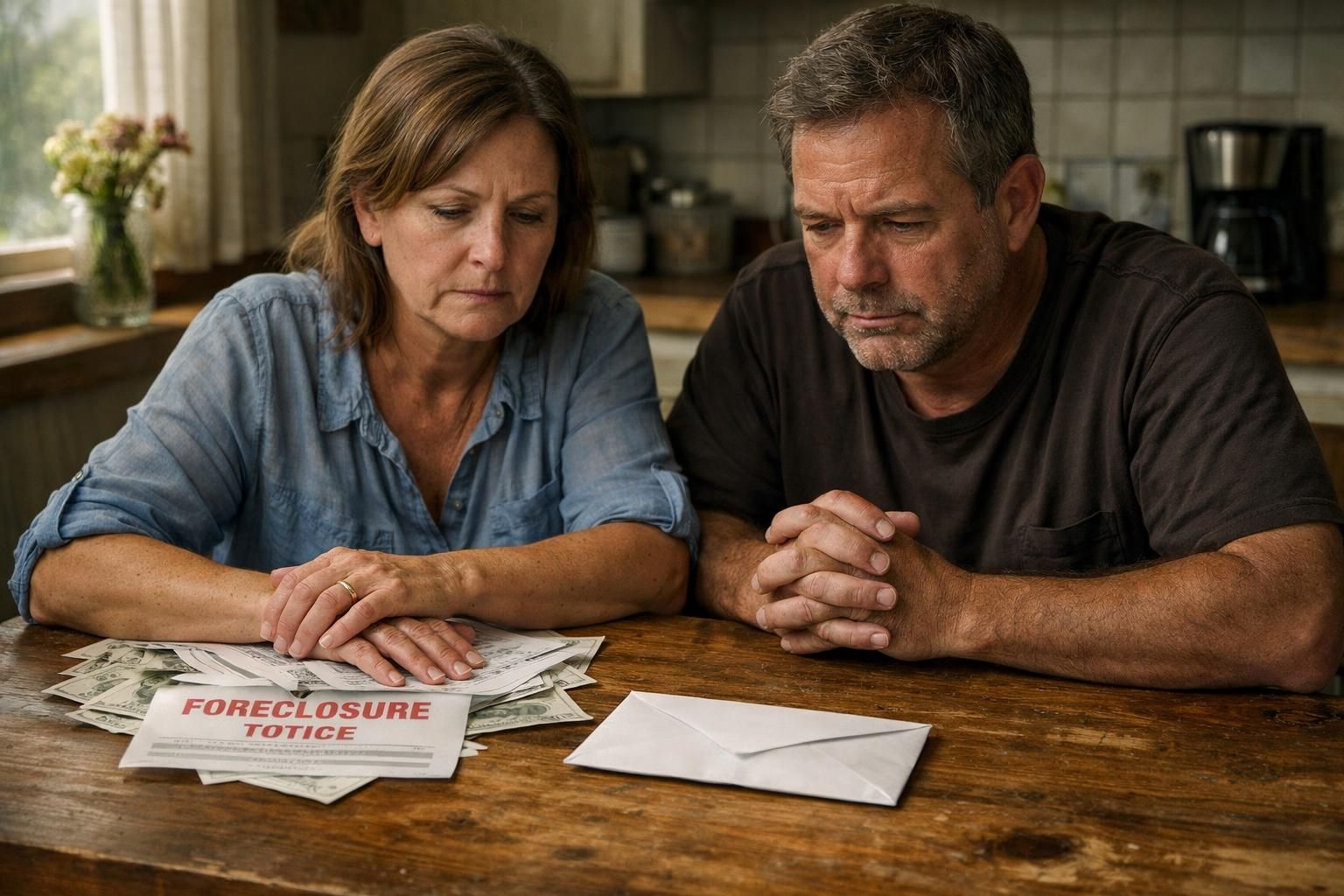
Facing the threat of losing your home in Florida can feel overwhelming. Many homeowners don't realize they can sell their house during pre-foreclosure to avoid severe credit damage. 3 This guide covers every step — from working with real estate agents to short sales and lender negotiations — so you can regain control before a foreclosure auction happens. 2
Key Takeaways
- You can sell your Florida home during pre-foreclosure before a public auction, protecting your credit score and possibly preserving home equity. Selling early typically causes far less credit damage (50–150 points) than a completed foreclosure (200–400 points).
- Florida uses a judicial foreclosure process, meaning your lender must file a lawsuit and obtain a court order before scheduling an auction. This gives you more time to act compared to non-judicial states.
- Pre-foreclosure begins after missed payments and the lender's filing of a lis pendens in the county circuit court. The process often takes 6–18 months in Florida, giving homeowners a meaningful window to sell.
- Short sales require lender approval and proof of financial hardship, but they do significantly less credit damage than a full foreclosure record.
- Selling to a cash buyer is the fastest route — most deals close in 7–14 days with no repairs or appraisals required.
- Contact a HUD-approved housing counselor or call 888‑995‑HOPE (888‑995‑4673) for free guidance on Florida-specific programs and loss mitigation options.
Yes, you can sell during pre-foreclosure in Florida — and it may be your best move to avoid long-term credit damage.
You can absolutely sell your house while in Florida pre-foreclosure, and doing so may be your smartest step to protect your financial future. A completed foreclosure can drop your credit score by over 150 points and remain on your report for seven years. A pre-foreclosure or short sale typically impacts scores by only 50 to 150 points — a much more recoverable situation.
Because Florida requires judicial foreclosure, your lender must sue you in circuit court and win a judgment before any auction is scheduled. This court-supervised process typically takes considerably longer than in non-judicial states, often stretching to a year or more in busy counties like Miami-Dade, Broward, or Hillsborough. That timeline works in your favor — you remain the legal owner with full selling rights throughout.
Selling before the final judgment allows you to take control. You can list with a real estate agent, use the Multiple Listing Service, or accept an offer from a cash buyer for a fast closing. Short sales require bank approval when you owe more than the home's market value, but acting now can preserve equity, reduce stress, and help you avoid deficiency judgments.
Foreclosure is stressful — but you have real options in Florida.
Studies show 91 percent of people experience negative health or mental effects during the foreclosure process. 1 Missed mortgage payments, calls from servicers, and receiving a lis pendens filing can be deeply unsettling for you and your family.
Hope exists even as the process moves forward. Reaching out to a real estate agent or HUD-approved housing counselor provides critical support. Selling during pre-foreclosure may let you protect your credit history, preserve home equity, and avoid deficiency judgments — which Florida courts can award against homeowners after a foreclosure sale. 1 Taking early steps lets you negotiate solutions that fit your needs, rather than letting the bank decide everything for you.
Understanding Pre-Foreclosure in Florida
Pre-foreclosure in Florida starts after you miss several mortgage payments and your lender files a lis pendens in your county's circuit court — but you still own your home and can take action.
Florida's judicial foreclosure process: what it means for you.
Unlike many states that use a trustee sale process, Florida requires lenders to go through the court system. After you miss payments — typically 90 to 120 days — your lender will file a foreclosure lawsuit in the circuit court of your county. 2 A lis pendens is recorded in the public record at that point, which is the formal signal that foreclosure proceedings have begun.
You will be served with a summons and complaint. You then have 20 days to respond. If no resolution is reached, the court may enter a final judgment of foreclosure, after which a foreclosure auction (called a clerk's sale) is scheduled — typically at least 20 to 35 days after the judgment, though this varies by county. In high-volume courts such as those in Miami-Dade or Orange County, the full timeline from first filing to auction often exceeds a year.
This extended period is your opportunity. You remain the legal owner and retain full selling rights until the certificate of title is issued to the winning bidder at the clerk's sale.
Timeline: missed payments → lis pendens → lawsuit → judgment → clerk's sale.
Here is how the Florida foreclosure timeline typically unfolds:
- 90–120 days past due: Lender declares the loan delinquent and may send a notice of default.
- Lis pendens filed: Lender files a foreclosure lawsuit in circuit court and records the lis pendens. Pre-foreclosure officially begins.
- Service and response period: You have 20 days to respond to the complaint.
- Summary judgment hearing: If uncontested, the court may grant a final judgment of foreclosure.
- Clerk's sale scheduled: The auction is advertised publicly and typically scheduled 20–35 days after the final judgment.
- Certificate of title issued: After the sale, ownership transfers to the highest bidder or back to the lender.
At any point before the certificate of title is issued, you can sell your property and stop the process. Acting earlier gives you more time and more options.
You retain ownership and selling rights throughout pre-foreclosure.
During pre-foreclosure, your name remains on the deed. Your lender cannot lock you out or evict you during this period. You can list your home with a real estate agent, accept a cash offer, or pursue a short sale — all with full legal authority to do so. Even after a final judgment is entered, Florida law may allow you to redeem the property or negotiate a sale before the clerk's sale takes place. Consulting a Florida real estate attorney can clarify your specific rights and deadlines.
Why Selling in Pre-Foreclosure Makes Sense in Florida

Credit impact: foreclosure vs. a voluntary sale in Florida.
A completed foreclosure can reduce your credit score by 200 to 400 points and stays on your report for seven years. A short sale or pre-foreclosure sale typically causes only 50 to 150 points of damage, allowing for faster recovery. 3
Florida lenders can pursue deficiency judgments for the difference between what you owe and what the property sells for at auction. Under Florida law, lenders have one year after the foreclosure sale to seek a deficiency judgment. Selling your home voluntarily — especially through a negotiated short sale — gives you the opportunity to have the deficiency waived in writing, protecting you from future collection efforts.
Equity preservation, avoiding deficiency judgments, and reducing stress.
Florida's real estate market — particularly in metros like Tampa, Orlando, and Jacksonville — has seen significant appreciation in recent years. Many homeowners in pre-foreclosure still have meaningful equity. Selling on the open market lets you capture that equity rather than watching it disappear at a deeply discounted auction sale. 4
Selling also lets you control your timeline — you set showing dates and a move-out schedule, rather than facing a court-ordered eviction after a clerk's sale. And because Florida's homestead exemption protects a primary residence from many creditors, consulting with a housing counselor or attorney can help you understand exactly which protections apply to your situation before you decide to sell.
Your Selling Options During Pre-Foreclosure in Florida

Traditional sale with a Florida real estate agent.
Listing your home with a licensed Florida real estate agent during pre-foreclosure can help you achieve market value, but it comes with added complexity. Florida law requires sellers to disclose known defects and material facts, and the recorded lis pendens will be visible to buyers and their title companies. Buyers may worry about inheriting liens, unpaid HOA assessments, or code enforcement violations — all of which are common issues in Florida. 5
Your lender may also need to approve certain terms before closing. Under federal Regulation X, your mortgage servicer is required to inform you of loss mitigation options, including selling. A HUD-approved housing counselor can help you navigate these requirements. Call 888-995-HOPE for guidance on programs like Making Home Affordable. 6
Short sale in Florida: when it applies and how it works.
A short sale makes sense when your home's market value is less than your outstanding mortgage balance. Your lender must agree to accept less than the full payoff. You'll need to document financial hardship — job loss, medical expenses, divorce — and submit a complete short sale package to your servicer. 7
Florida lenders typically take 60 to 120 days to review and approve a short sale. One critical step: get any deficiency waiver in writing before closing. Florida's one-year statute of limitations for pursuing deficiency judgments means an undocumented agreement offers you no protection. Programs like HAFA can help streamline the process and may include relocation assistance for eligible homeowners.
Selling to a cash buyer: the fastest path in Florida.
Selling to a cash buyer is often the most practical solution when a Florida foreclosure auction is approaching. Most cash sales close in 7 to 14 days — far faster than the 30 to 60 days typical for financed buyers. Cash buyers skip appraisals and repair requests, which removes major obstacles when time is short.
Even if a final judgment has already been entered, a cash sale that closes before the scheduled clerk's sale can stop the process entirely. You control the offer, the timeline, and your move-out date. While cash offers may come in below full market value, the speed, certainty, and credit protection they provide make them a compelling option for many Florida homeowners in distress.
Foreclosure Avoidance Options in Florida
Beyond selling, Florida homeowners have several other tools to explore:
- Loan modification: Request a lower interest rate, extended loan term, or reduced monthly payment from your servicer. Florida's court system actually requires many lenders to participate in a mediation program before proceeding to judgment, which creates a structured opportunity to negotiate modifications.
- Repayment plan: Catch up on missed payments over time while keeping your home.
- Deed in lieu of foreclosure: Transfer the property directly to your lender to satisfy the debt. This avoids the public auction and may be negotiated with a deficiency waiver.
- Chapter 13 bankruptcy: Filing in a Florida federal bankruptcy court triggers an automatic stay that immediately halts all foreclosure proceedings, giving you time to reorganize debts under a court-approved repayment plan.
- Florida Hardest Hit Fund / State assistance programs: While the original Hardest Hit Fund has ended, Florida periodically offers homeowner assistance through state and federal programs. Check with the Florida Housing Finance Corporation or a HUD counselor for current options.
Call 888-995-HOPE (888-995-4673) to speak with a HUD-approved housing counselor who can walk you through these options at no cost to you.
Conclusion
Take action now to protect your financial stability.
Nearly half of all foreclosures could be prevented if homeowners act during pre-foreclosure rather than waiting. 1 In Florida, the judicial process gives you more time than most states — but that window closes once the clerk's sale is completed and the certificate of title transfers. Acting now lets you preserve equity, avoid a deficiency judgment, and protect your credit from the most severe damage.
Track every communication with your lender in writing. Monitor the status of your case through your county circuit court's online docket — most Florida counties, including Miami-Dade, Orange, and Hillsborough, offer online case lookup tools. Confirm key deadlines directly with a Florida real estate attorney or HUD counselor.
Pre-foreclosure is an opportunity — not the end of the road.
You remain in legal control of your Florida home throughout the pre-foreclosure period. That control is your greatest asset. Whether you choose to list with an agent, negotiate a short sale, or accept a cash offer, you have real options that can protect your credit, preserve equity, and give you a fresh start. 8
Don't let inaction make the decision for you. Every week you wait narrows your options. Contact a HUD-approved counselor, a Florida real estate attorney, or a trusted cash buyer today — and take the first step toward regaining control of your financial future.
If you're facing pre-foreclosure anywhere in Florida and need to sell quickly, KDS Homebuyers purchases homes directly for cash — no repairs, no commissions, no delays. Visit kdshomebuyers.net to request your free, no-obligation cash offer today.
FAQs
1. Can you sell your home during the foreclosure process in Florida?
Yes. Because Florida uses judicial foreclosure, you remain the legal owner until the certificate of title is issued after the clerk's sale. You can sell at any point before that happens — even after a final judgment has been entered, provided the sale closes before the scheduled auction date.
2. What is a short sale and how does it work in Florida?
A short sale lets you sell your property for less than your mortgage balance with lender approval. You must demonstrate financial hardship. In Florida, always insist on a written deficiency waiver, since lenders have up to one year after a foreclosure sale — or after a short sale without a waiver — to pursue the remaining balance.
3. How does Florida's judicial foreclosure process affect my timeline?
Florida lenders must file a lawsuit, serve you with a complaint, obtain a court judgment, and then schedule a clerk's sale. This process frequently takes 6 to 18 months in Florida, giving you significantly more time to sell than homeowners in non-judicial foreclosure states.
4. Are there alternatives to selling when facing foreclosure in Florida?
Yes — loan modification, repayment plans, deed in lieu of foreclosure, and Chapter 13 bankruptcy are all options. Florida's mandatory mediation program for foreclosure cases also creates a formal opportunity to negotiate with your lender before a judgment is entered. A HUD-approved housing counselor can help you evaluate each option.
5. Will selling my home during pre-foreclosure protect my credit score?
Selling before the clerk's sale — whether through a traditional listing or a short sale — generally causes far less credit damage than a completed foreclosure. However, the missed payments leading up to the sale will still appear on your credit report. The sooner you act, the less overall damage accumulates.
References
- ^ https://www.lawyersrealtygroup.com/blog/2025/june/benefits-of-selling-your-home-to-avoid-foreclosu/
- ^ https://legalatlanta.com/georgia-foreclosure-process-timeline-procedure/ (2024-10-23)
- ^ https://www.scirp.org/journal/paperinformation?paperid=57191
- ^ https://www.consumerfinance.gov/about-us/blog/for-many-struggling-mortgage-borrowers-with-home-equity-selling-their-home-could-be-an-alternative-to-foreclosure/ (2023-01-20)
- ^ https://www.krislindahl.com/blog/can-you-sell-a-house-already-in-foreclosure/ (2025-11-10)
- ^ https://www.investopedia.com/terms/p/pre-foreclosure.asp
- ^ https://www.nar.realtor/short-sales-foreclosures
- ^ https://dawildagent.com/2025/08/12/selling-your-home-during-pre-foreclosure-or-forbearance-what-you-need-to-know (2025-08-12)
